Updated
Rabbit plant check
Is Gerbera Daisy Safe for Rabbits? Keep It as Decor
Keep as decor
Do not use Gerbera daisy as rabbit food. It is listed as non-toxic for dogs, cats, and horses, but reliable rabbit-specific feeding guidance is limited; keep the plant, florist treatments, soil, and fallen pieces out of reach.
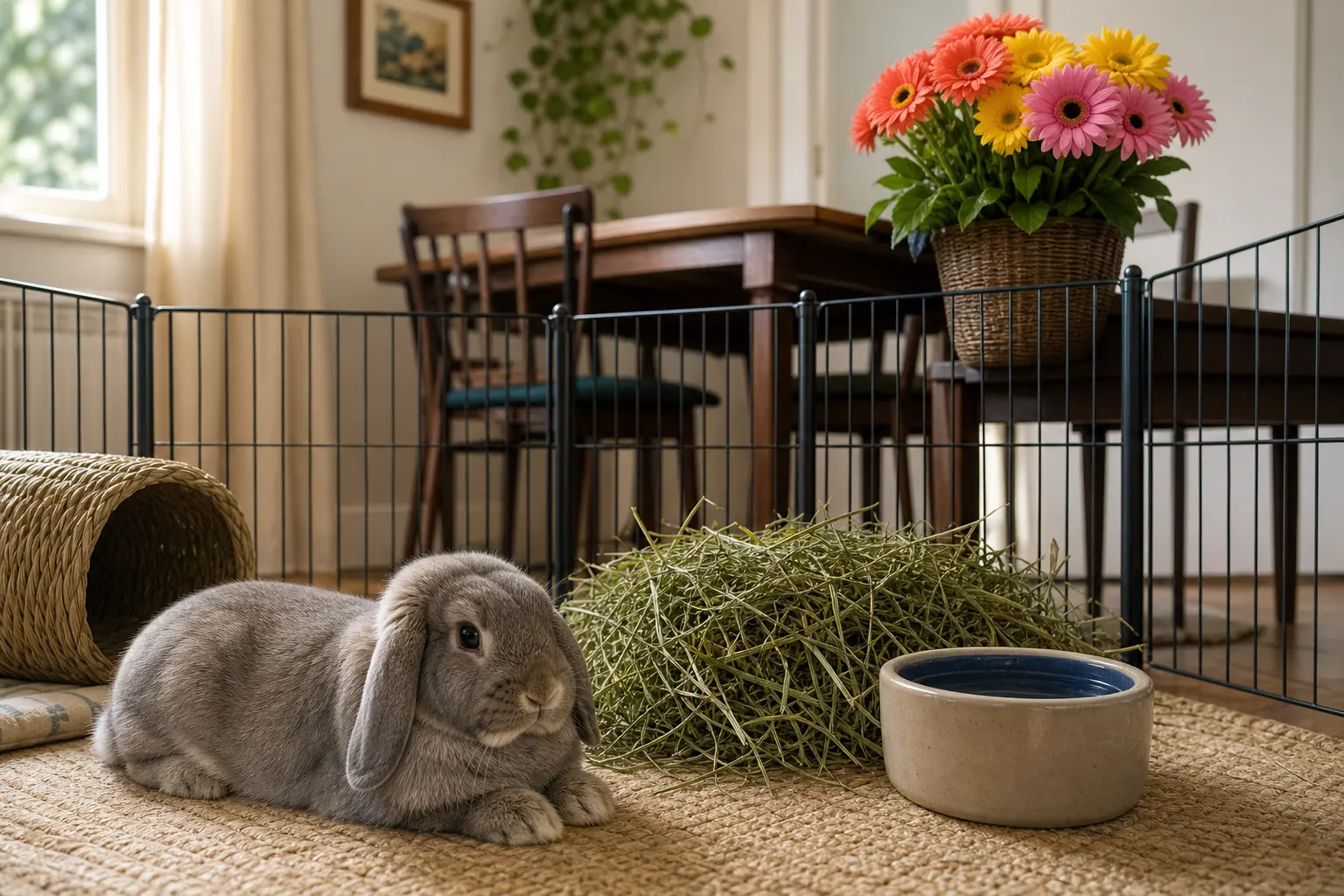 Gerbera Daisy
Non-toxic lists do not make a feeding plan
The ASPCA lists Gerbera jamesonii as non-toxic for dogs, cats, and horses, but does not make a rabbit-feeding claim. That supports a measured response to a tiny accidental nibble; it does not justify adding the flower to a rabbit's greens plate.
Check the exact daisy before using the name
Daisy is a loose common name shared by different plants. Keep the nursery tag and look for Gerbera jamesonii with its large single bloom on a leafless stem. If the identity is uncertain, treat the plant as unknown and keep it away.
The pot may be the bigger household problem
A rabbit can reach damp soil, fertilizer granules, plastic tags, decorative moss, or preservative water without chewing the flower. Keep the whole setup beyond the pen and finish watering, pruning, and cleanup before the rabbit comes out.
Use the normal rabbit routine as the check
After an accidental nibble, note the plant identity and amount, then watch hay eating, water, posture, energy, and droppings. Call a rabbit-savvy veterinarian if any of those change or the plant or treatment history is uncertain.
Separate gerbera daisy leaves from the pot
The practical question with gerbera daisy is not only the leaf. Soil, trays, plant food, woody stems, and the pot itself can all become part of the rabbit's chewing route if the plant sits low.
Watch whether gerbera daisy becomes a target
Some rabbits ignore a plant for weeks and then test it during one curious floor-time loop. If your rabbit keeps returning to the pot, move the plant instead of turning every visit into correction.
Offer better chewing work
Hay, safe cardboard, willow, seagrass, and digging boxes give your rabbit a more useful job than investigating plant soil. Put the good options where your rabbit already likes to explore.
Keep gerbera daisy easy to manage
Choose a high shelf, hanging spot, or different room if leaves trail low or the pot drops pieces. A cautious plant can still be a poor fit for a rabbit room when it creates constant cleanup and supervision.
What to do
- Confirm the plant is a Gerbera jamesonii rather than relying on the broad word daisy.
- Keep the entire pot or bouquet beyond a barrier and sweep fallen petals, leaves, and soil before floor time.
- After a nibble, save the tag or take clear plant photos and call a rabbit-savvy veterinarian if the amount is uncertain or your rabbit's routine changes.
Avoid
- Offering Gerbera petals or leaves as a rabbit treat when rabbit-specific feeding guidance is limited.
- Florist bouquets, dyed blooms, leaf-shine products, pesticide residue, fertilizer, preservative water, and loose potting mix.
Watch for
- Normal hay eating and usual interest in water
- Normal-sized dry round droppings
- Call a rabbit-savvy veterinarian for drooling, mouth discomfort, soft stool, or belly pressing
- Call if eating or droppings slow, your rabbit becomes unusually quiet, or the amount is unknown