Updated
Rabbit food check
Can Rabbits Eat Pansies? Yes—Use an Unsprayed Plant
Yes—garden pansies
Yes. Garden pansies, Viola × wittrockiana, are rabbit-safe edible flowers. Start with one small washed bloom from an identified untreated window box, and leave florist packs, public beds, potting soil, and mystery violets alone.
 Pansies
Confirm the five-petaled face on the plant
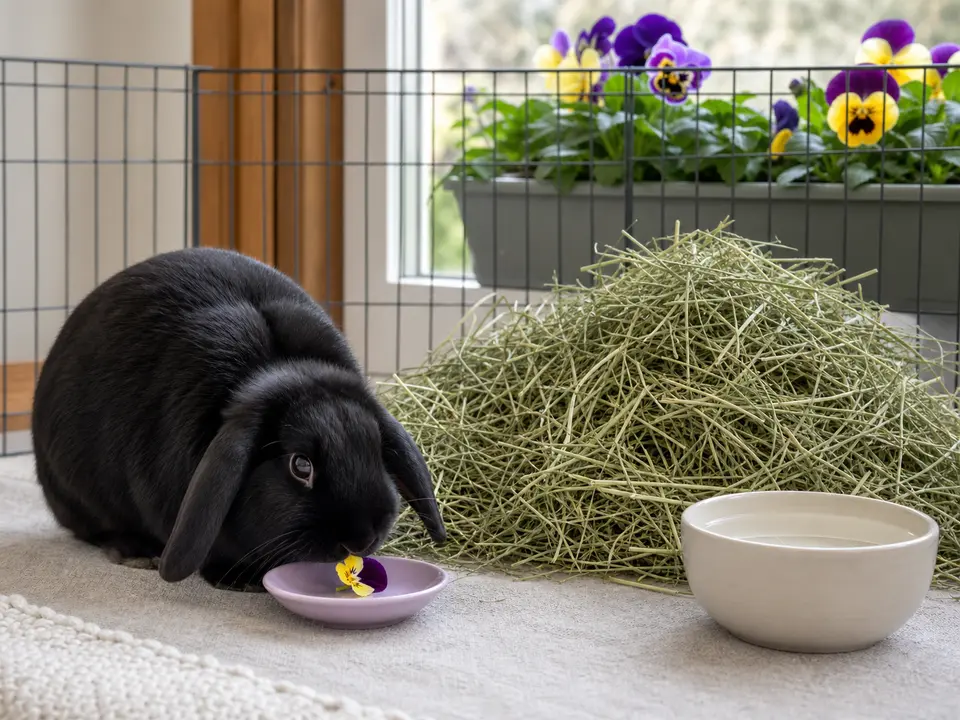
Garden pansies carry five broad overlapping petals, often marked with dark blotches or fine whisker lines around a yellow center. Purple and gold are only clues. At the window box, match that face to a compact rooted Viola and its scalloped leaves before one bloom travels toward the rabbit's hay.
Winter color does not guarantee edible growing
A shop-door planter is built to look bright through sleet and foot traffic, not to supply the rabbit pen. Its glossy pansies may carry fungicide or systemic pesticide inside their tissue. Walk past that display and clip from the home window box you raised from known seed without chemicals.
Inspect where the petals overlap
The flower's flat face hides narrow pockets where petals meet around the center. Aphids, tiny eggs, grit, and early mildew can sit there while the front still looks clean. At the kitchen sink, fan the petals over a pale towel, rinse the whole bloom, and keep it recognizable in the rabbit dish.
A flower is greens variety, not dessert
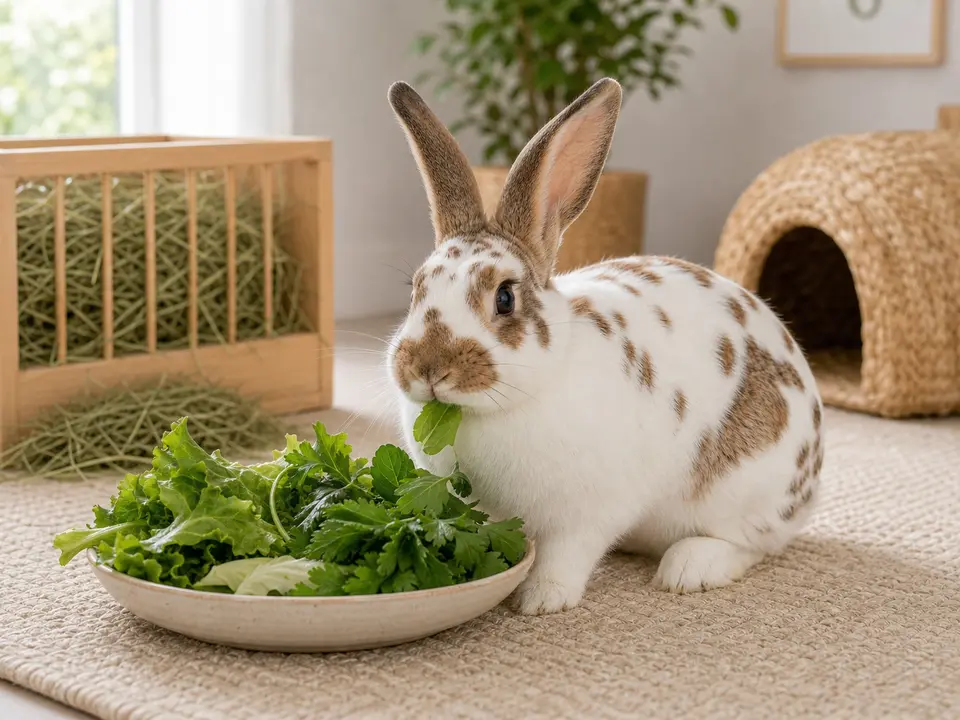
A plain pansy has no need for sugar, frosting, or a special treat label. Set one washed bloom beside ordinary leafy greens and a much larger hay supply. That keeps the colorful bite inside the plant rotation instead of turning the rabbit bowl into cake decoration.
Read the plant label beside the window box
Keep the Viola × wittrockiana seed packet in the garden drawer and compare it with the compact plants beneath the window. Trace the chosen flower down its own stem to matching scalloped leaves. If another volunteer plant has entered the box, separate its stems before the scissors open.
Lift one dry bloom above the pot
Choose a flower standing clear of damp soil and planter runoff. Hold beneath the face and snip the slender stem, leaving buds, roots, fallen petals, and neighboring blooms outdoors. The pale-lilac saucer in the kitchen receives one complete pansy, not a handful sorted after cutting.
Turn the pansy over at the sink
Turn the bloom face down on a pale cotton cloth and inspect its green base, short stem, and every petal seam. Lift an insect with the corner of the cloth—never a spray. Pass both sides beneath the tap, shake once over the sink, and keep the flower intact for the rabbit's bowl beside the hay.
Let one tiny face sit beside a serious hay pile
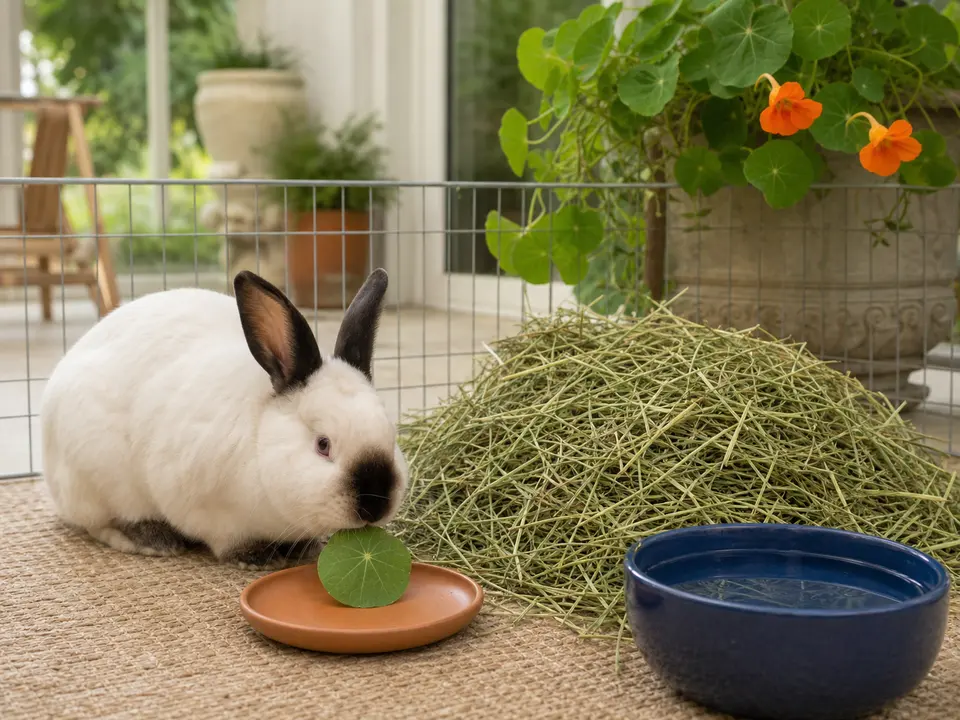
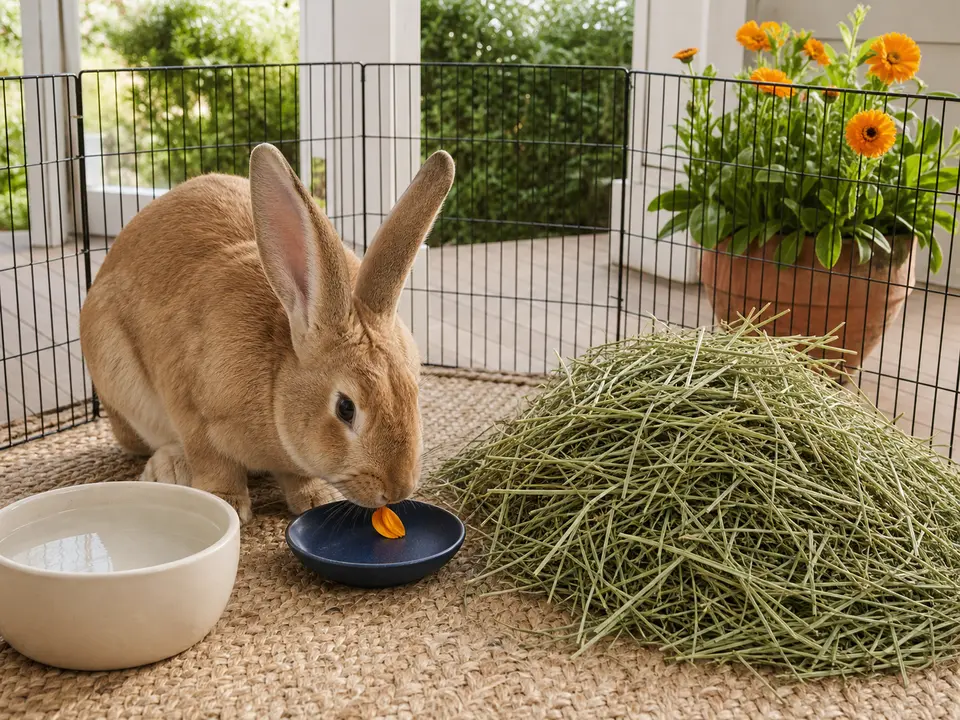
Place the pansy on its saucer near the full timothy mound and cream water bowl. The black lop may finish the bloom before you stand up. Leave the dish empty; later, a busy hay rack and the rabbit's ordinary dry droppings provide the useful evidence.
Serve
- Confirm garden pansy as Viola × wittrockiana from the rooted plant, its compact leaves, and its broad five-petaled face-marked flower.
- Use a home-grown or documented edible planter free from pesticide, fungicide, systemic insecticide, fertilizer splash, slug bait, road grime, and animal fouling.
- Choose one upright bloom with firm colorful petals; reject fallen, wilted, slimy, mildewed, aphid-covered, spotted, or dirt-smeared flowers.
- Fan each petal seam beneath a task lamp. Brush away insects, trim damaged tissue, pass the bloom briefly beneath the tap, and blot away surface drops before plating.
Avoid
- Bouquets, cake decorations, florist packs, supermarket flower pots, public beds, and garden-center displays without documented edible growing practices.
- A purple or yellow flower chosen from color alone; violets, violas, pansies, and unrelated garden plants require identification on the living plant.
- Potting mix, fertilizer granules, plant labels, wire baskets, flower food, decorative moss, treated leaves, and runoff caught in the planter saucer.
- Candied pansies, sugared petals, pressed cake flowers, tea blends, scented oils, crafts, or a bowl filled with several fresh blossoms.
Watch
- The little flower being eaten while the rabbit continues pulling timothy strands
- The rabbit's ordinary water use, grooming, relaxed movement, and eagerness for its regular salad
- The litter corner holding its ordinary scatter of round stools later that evening
- Soft stool, belly pressing, hiding, or reduced eating or output; remove pansy and contact a rabbit-savvy vet promptly if appetite or droppings slow
Portion
One small flower is a clear first serving. Do not add several colors just because each bloom looks tiny, and save a leaf test for another day. If the rabbit keeps its normal appetite, hay chewing, and firm droppings, pansy may return within a varied forage rotation.
One clean pansy from known window box to rabbit pen
A small flower deserves a traceable trip: keep the plant label, isolate one bloom, inspect its overlapping petals, wash without shredding it, and place it alone on the saucer. The gear below keeps hay at the center of that routine.
Affiliate links: Furball Cove may earn from qualifying purchases at no extra cost to you.
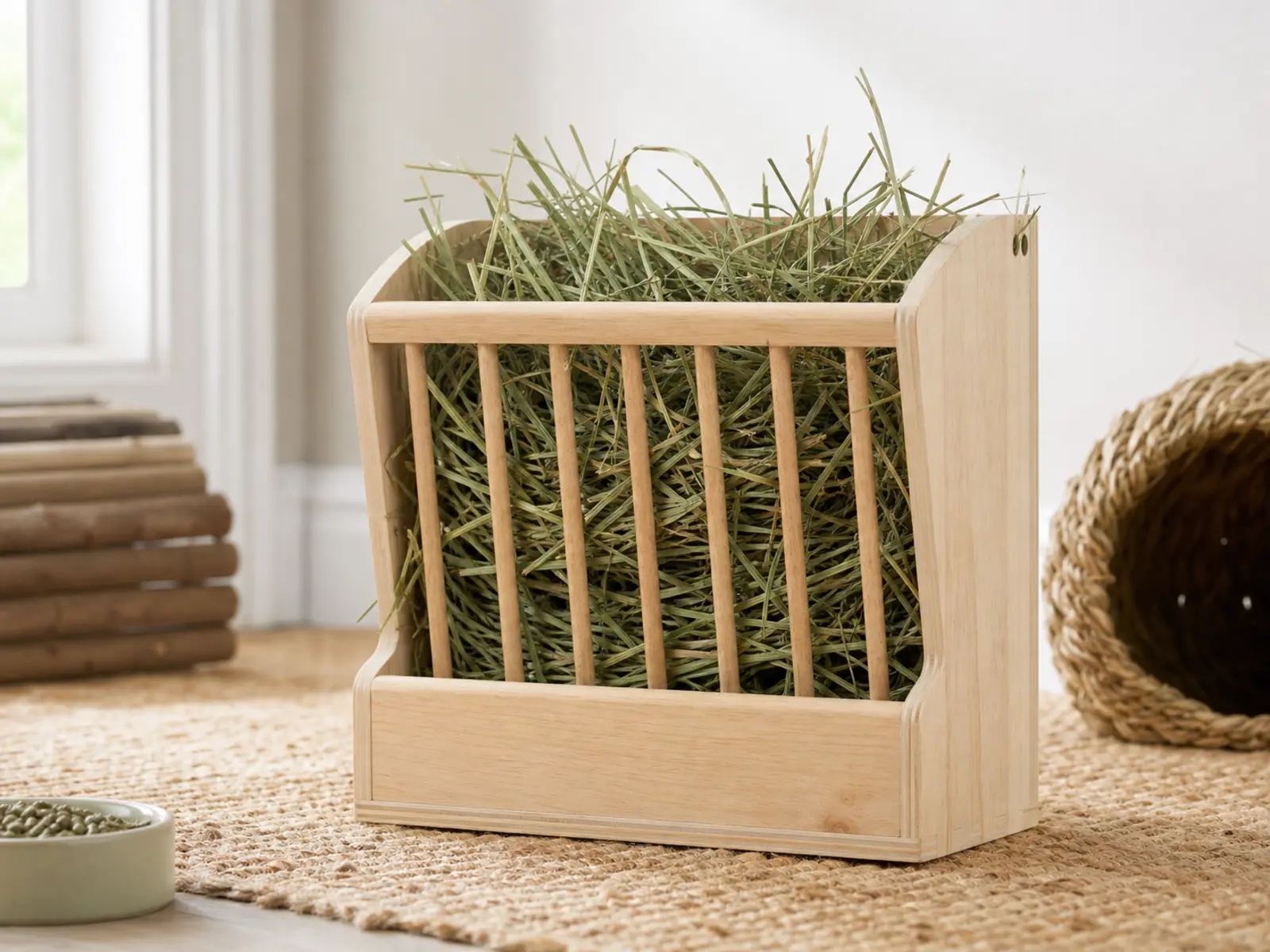
Rabbit hay feeder
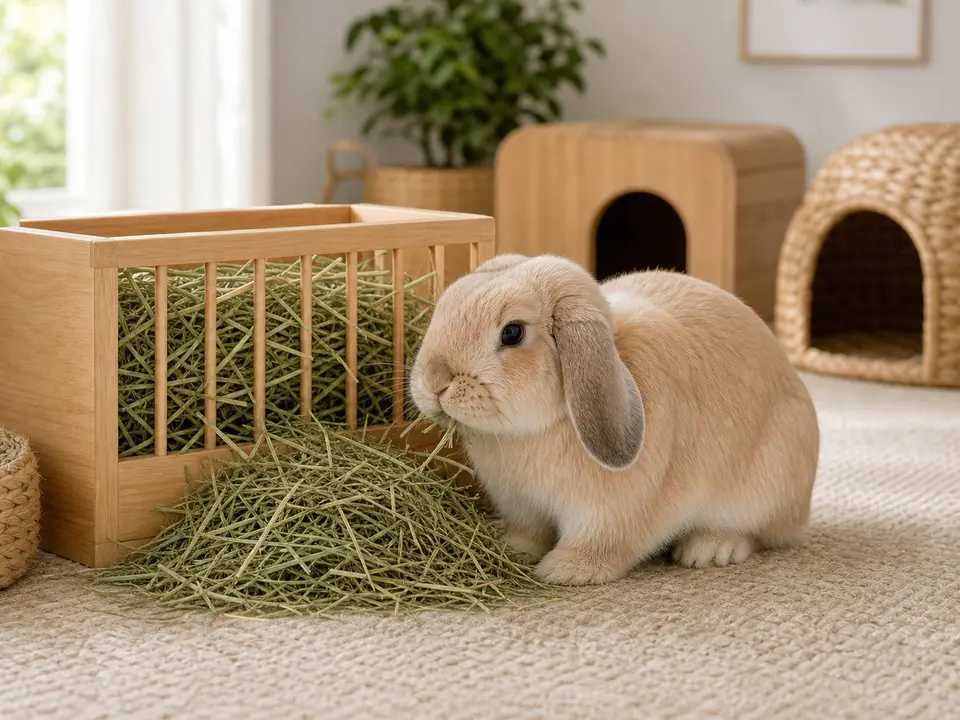
Load the timothy station first so the single flower stays a fleeting bit of greens variety beside the long meal.
Shop rabbit hay feeder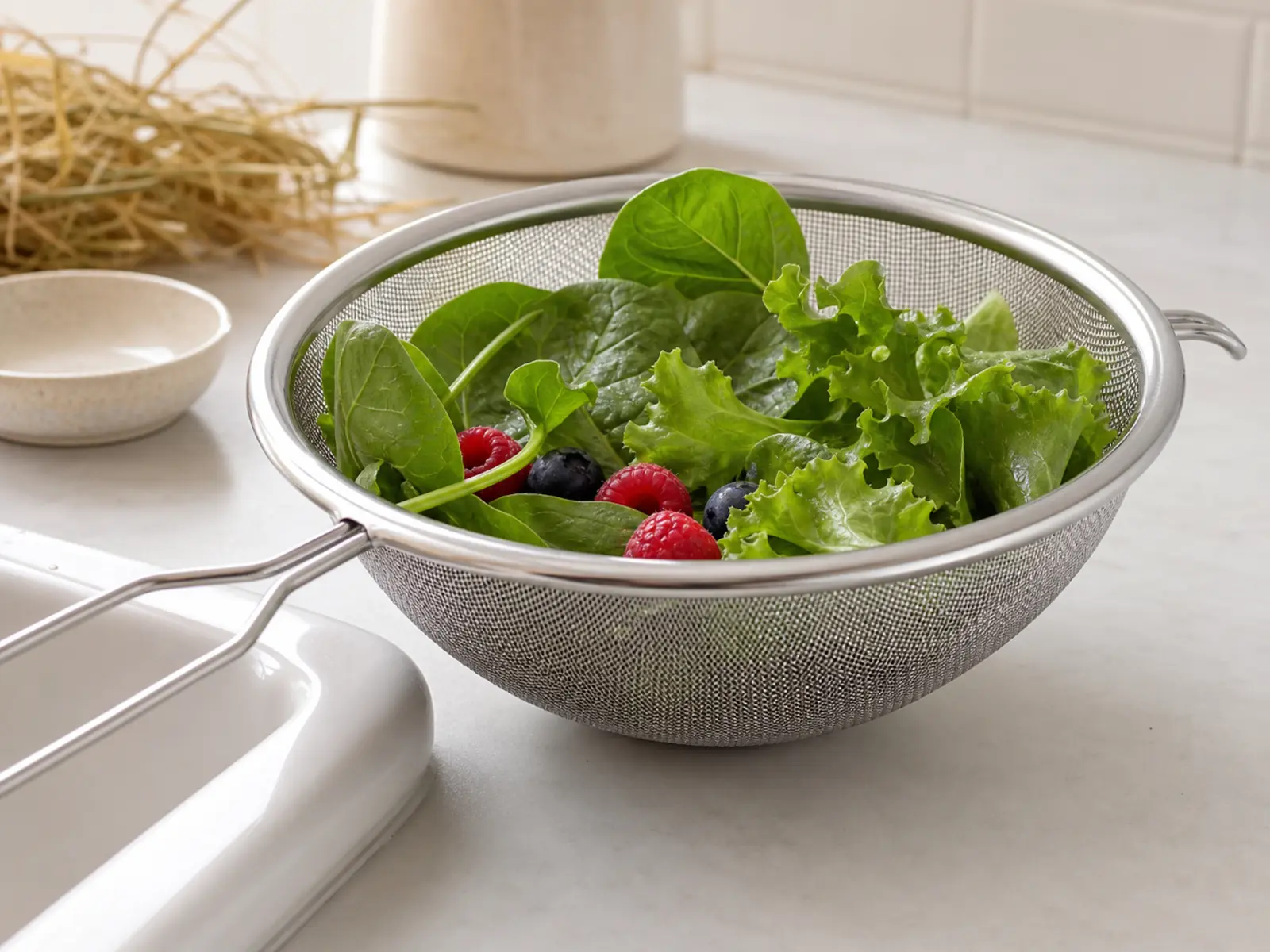
Produce strainer
Cradle the flat flower while cool rinse water carries grit and tiny insects out from between its petals.
Shop produce strainer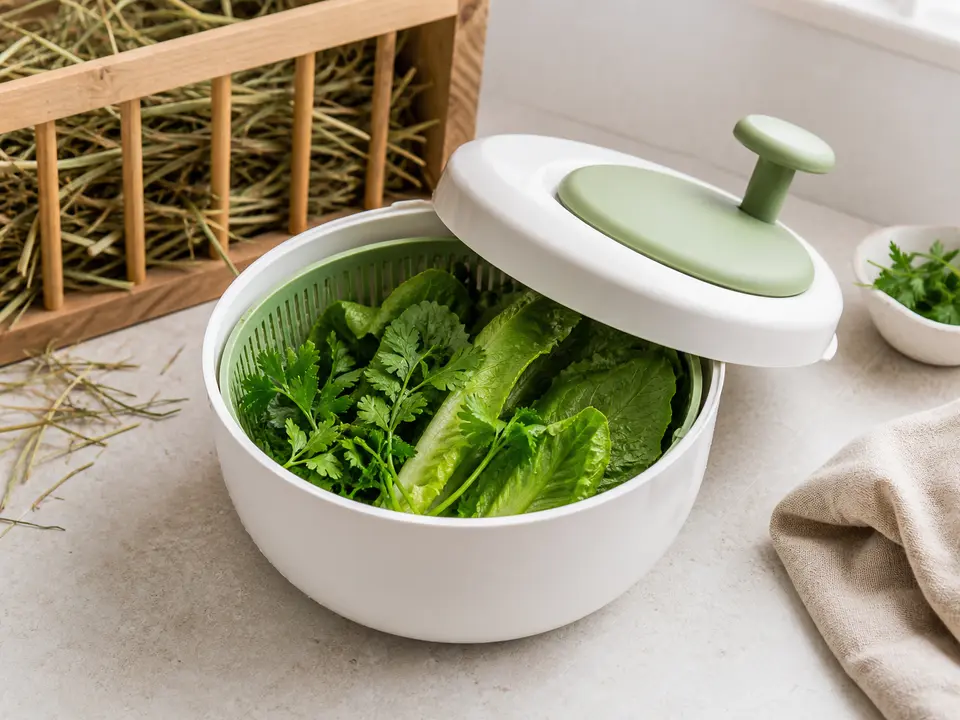
Salad spinner
Dry a hand-sorted batch of known pansy leaves gently only after every bloom, foreign stem, and damaged piece has been removed.
Shop salad spinner