Reptile food safety

Can Reptiles Have Butternut Squash?

Check species and portion

Use butternut squash only in a species-matched plan. Confirm how butternut squash fits the animal's full diet before offering it.

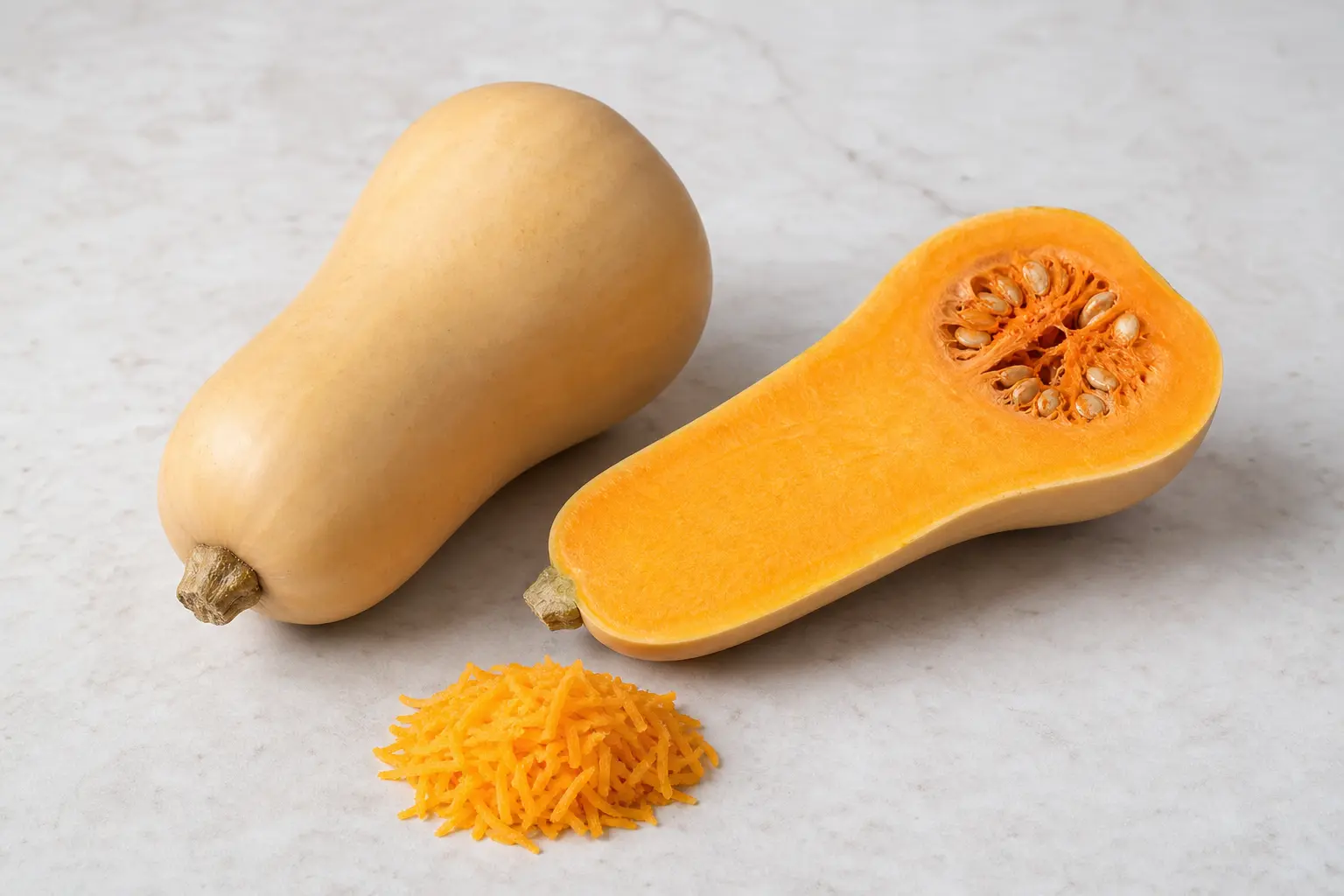
Plain butternut squash on a clean unbranded surface for a reptile food-safety check.Butternut Squash
SafetyCheck species and portion
TryTreat it as a rotation or plan-dependent item, never a universal staple.

Lizards

Check species and portion

For lizards, use butternut squash only when the exact species and life stage use this food type. This may add variety for a plant-eating or omnivorous species, but the portion and frequency depend on the whole diet.

Snakes

Usually not a snake food

The question about butternut squash rarely changes a snake plan. Most pet snakes need correctly sized intact whole prey, not produce, loose supplements, or improvised protein.

Turtles and tortoises

Check species and portion

For turtles and tortoises, use butternut squash only when the exact aquatic or land species' diet includes it. This may add variety for a plant-eating or omnivorous species, but the portion and frequency depend on the whole diet.

Start with the verdict

For butternut squash, the working verdict is “Check species and portion.” This may add variety for a plant-eating or omnivorous species, but the portion and frequency depend on the whole diet.

Fit it into the whole diet

The relevant diet groups for butternut squash are herbivorous lizards, omnivorous lizards, some tortoises and turtles. The exact species, life stage, body condition, and complete ration decide whether that category applies.

Keep the result readable

Offer or exclude butternut squash as one deliberate decision. Stable habitat readings and a simple feeding record make appetite, waste, shed, and weight changes easier to interpret.

Prepare one controlled serving

Keep butternut squash separate from human food tools. Use a clean reptile dish or feeding tool and remove leftovers promptly.

Review the response

After the butternut squash decision, record intake, waste, behavior, and the next weight check. Change the plan only for a clear species or veterinary reason.

Before offering it

  • Wash butternut squash, remove unsafe hard parts, serve it plain, and cut a species-sized portion that does not displace the main leafy or whole-food ration.
  • Introduce butternut squash while the reptile's temperatures, hydration, appetite, waste, and body condition are otherwise stable.
  • Record the amount and response to butternut squash, then remove leftovers before they spoil or contaminate substrate or water.

Do not use this way

  • Do not make butternut squash the staple unless the reviewed guide for that species gives it that role.
  • Do not offer butternut squash when its identity, source, freshness, preparation, or contamination history is uncertain.
  • Do not combine a first serving of butternut squash with several other diet or supplement changes.

Watch

  • After butternut squash, watch for refusal, regurgitation, abnormal waste, mouth irritation, swelling, weakness, or a marked behavior change.
  • Remove uneaten butternut squash, loose feeders, prey that can injure, and residue that could foul substrate or aquarium water.
  • Call a reptile veterinarian urgently when butternut squash is linked to injury, breathing trouble, collapse, prolapse, severe weakness, or a credible toxic exposure.

Portion

The portion of butternut squash depends on species, age, body size, condition, season, and the rest of the ration. Use the exact-species starting point.

References

Useful reptile feeding supplies

Three optional picks matched to this page's food type, with species and life stage still deciding the actual diet.

Affiliate links: Furball Cove may earn from qualifying purchases at no extra cost to you.

Small washable cutting board reserved for pet-food preparation.

Dedicated mini cutting board

Keep reptile produce prep on a separate, washable board away from human-food prep.

Check current options
Heavy low-profile ceramic food dish on a clean feeding surface.

Heavy ceramic food dish

A stable, washable dish keeps a species-appropriate meal off loose substrate.

Check current options
Compact care notebook with a pen beside a digital scale.

Reptile feeding log

Track food, amount, supplement, weight, appetite, waste, and the next due date.

Check current options