

Updated
Feeder insect check
Can Reptiles Eat Crickets?
Useful for some insect-eaters
Crickets can be useful for reptiles whose reviewed diet includes live insects. They are not a food for every reptile: most snakes do not need them, while some lizards and turtles may use them only as one part of a varied, species-specific plan.
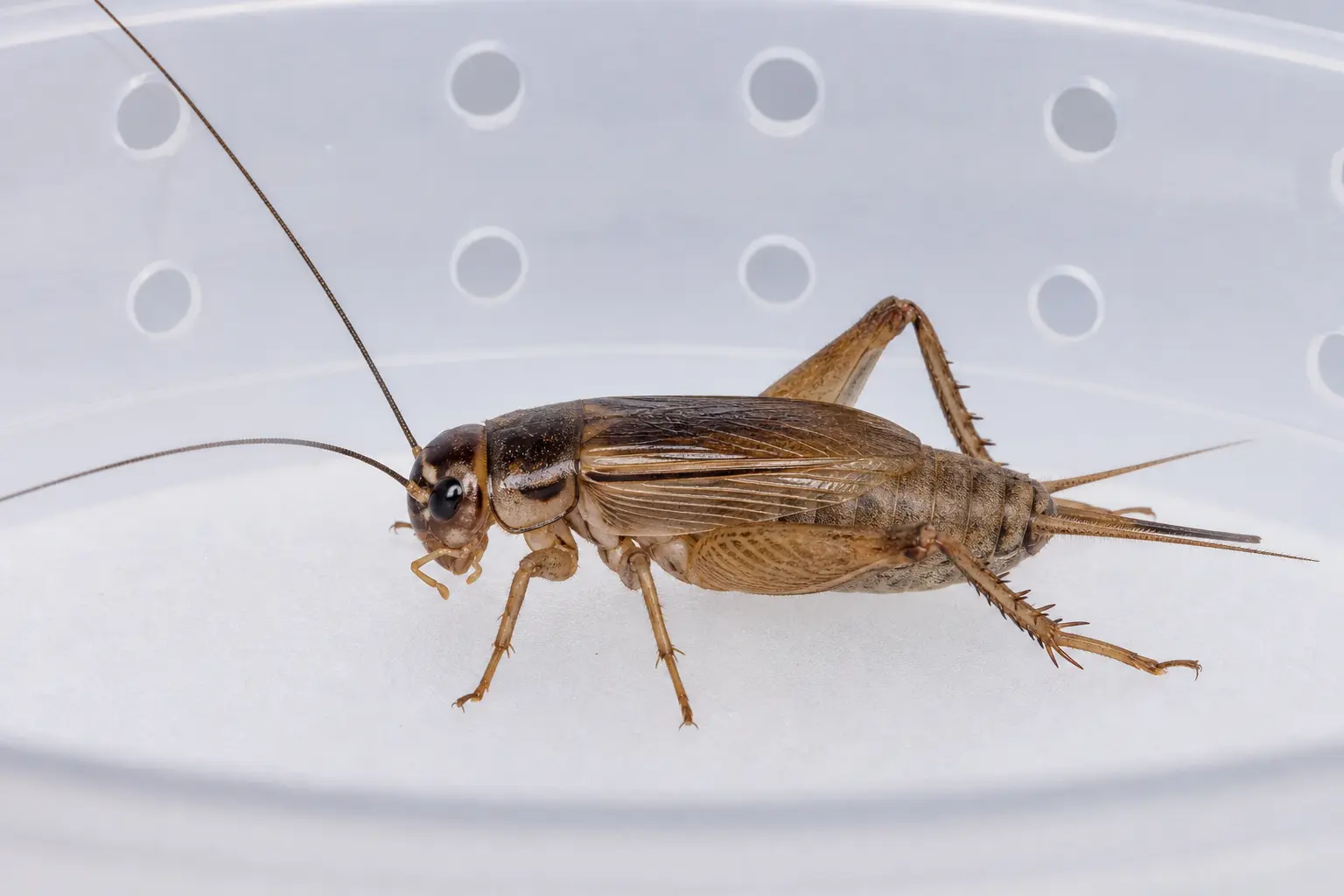 Crickets
Bearded dragons
Reviewed use
RSPCA guidance includes crickets in a varied livefood plan. Use insects no larger than the dragon's mouth, gut-load for 24–48 hours, lightly dust to the supplement plan, and remove uneaten livefood.
Other insect-eating reptiles
Check the exact species
Confirm whether crickets belong, how large they should be, and how they fit the animal's calcium and variety plan.
Most snakes
Usually irrelevant
Most pet snakes use appropriately sized whole prey, not crickets. Follow the exact snake guide rather than adapting a lizard routine.
Four checks before feeding
Confirm species fit, keep the cricket smaller than the reptile can safely swallow, use a controlled feeder source, and follow the exact supplement plan.
Make crickets part of a varied routine
Crickets are not nutritionally complete by themselves. Gut-loading, appropriate dusting, and feeder variety matter; the schedule changes with species, age, body condition, and the rest of the diet.
Use them well
- Keep feeder crickets in a clean, ventilated container and give them appropriate food and hydration.
- Use feeding tongs, a dish, or another species-appropriate method that lets you see what was eaten.
- Remove uneaten crickets when the species guidance calls for it; some feeders can bite a resting reptile.
Skip them when
- The exact species diet does not include insects.
- The feeder is too large, wild-caught, pesticide-exposed, unhealthy, or from an unknown source.
- The reptile is refusing food, losing weight, regurgitating, or on a veterinary feeding plan that has not been checked.
Watch
- Mouth injury, repeated regurgitation, marked weakness, breathing change, or a bite injury needs reptile-veterinary advice.
Frequency
Use the exact species and life-stage guide. There is no single cricket count or schedule that is safe for every reptile.