Reptile food safety
Is Human Supplements Safe for Reptiles?
Do not offer
Do not offer human supplements to reptiles. Keep human supplements out of the habitat and feeding routine.
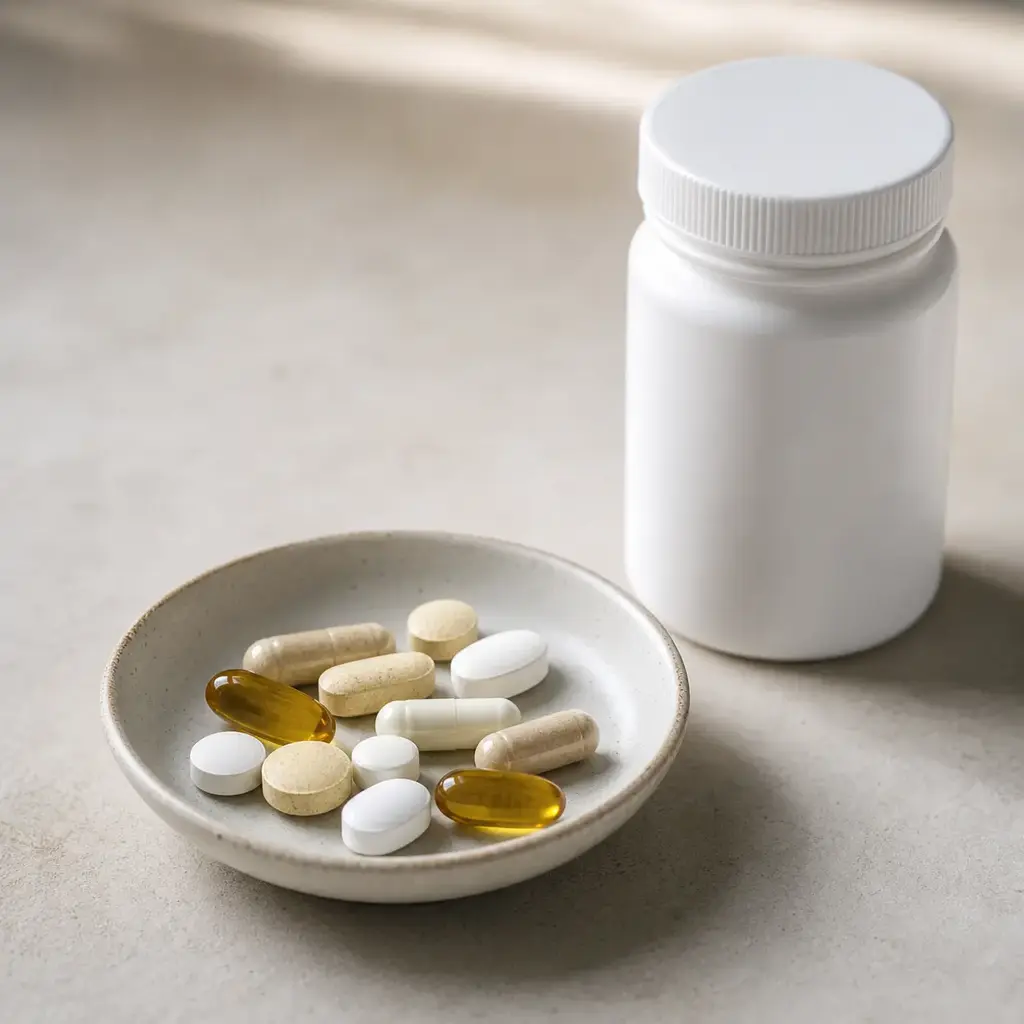 Keep away · do not offerHuman Supplements
The exclusion is nutritional and husbandry-based: this household or other-animal product is not a balanced substitute for an exact-species reptile diet.
Act on exposure
If human supplements was eaten or caused an injury, call a reptile veterinarian with the species, time, likely amount, and current signs.
Lizards
Do not offer
Keep human supplements out of lizard food and habitat areas. If exposure occurred, record the amount and call a reptile veterinarian.
Snakes
Do not offer
Keep human supplements away from snakes. Use intact frozen-thawed whole prey from a controlled supplier when that matches the species.
Turtles and tortoises
Do not offer
Keep human supplements away from turtles and tortoises. Remove it promptly and seek veterinary advice after plausible ingestion or injury.
Start with the boundary
For human supplements, the working verdict is “Do not offer.” Human supplements is not a balanced substitute for an exact-species reptile diet and has no necessary role in the feeding plan.
Understand the evidence
Not species-appropriate. The exclusion is nutritional and husbandry-based: this household or other-animal product is not a balanced substitute for an exact-species reptile diet.
Remove and isolate the item
Keep human supplements out of food storage, dishes, and habitats. Remove the item and any contaminated leftovers or substrate without creating another exposure.
Know when to call
Call a reptile veterinarian when ingestion, injury, or abnormal behavior is possible. Do not wait for severe signs after a credible exposure.
Keep the record useful
Record the species, time, likely amount, contact route, current behavior, and any cleanup already completed. That evidence is more useful to a reptile veterinarian than an improvised home treatment.
Prevent exposure
Store human supplements away from reptile food, dishes, tools, and habitats. Use closed, clearly separated storage and remove residue promptly.
Document what happened
If exposure is possible, note the time, likely amount, route, behavior, and current habitat readings before calling a reptile veterinarian.
Prevent exposure
- Keep human supplements out of reptile food storage, dishes, and habitats.
- If human supplements was present, remove it and note the likely amount, contact time, and current behavior.
- Choose a replacement for human supplements from the exact species guide rather than improvising another household item.
Do not improvise treatment
- Do not test a small amount of human supplements to see what happens.
- Do not try to make the reptile vomit, give water by syringe, or offer a home antidote after human supplements exposure. Call a veterinarian who treats reptiles.
- Do not wait for severe signs before asking a reptile veterinarian about a credible human supplements exposure.
Watch
- After a possible human supplements exposure, watch for refusal, regurgitation, abnormal waste, mouth irritation, swelling, weakness, breathing change, or unusual behavior.
- Remove human supplements and contaminated food, residue, water, or substrate without reintroducing it through shared tools.
- Call a reptile veterinarian urgently when human supplements is linked to injury, breathing trouble, collapse, prolapse, severe weakness, or a credible toxic exposure.
Exposure boundary
No routine portion of human supplements is recommended. Prevention and prompt exposure assessment are the practical plan.