A good veterinary relationship
Finding a Reptile Veterinarian
A veterinarian who knows reptiles can help with ordinary wellness care as well as illness.
Find the clinic while your reptile is well, and keep its number handy.
Make vet care part of the healthy routine
The easiest veterinary relationship begins before anything is wrong.
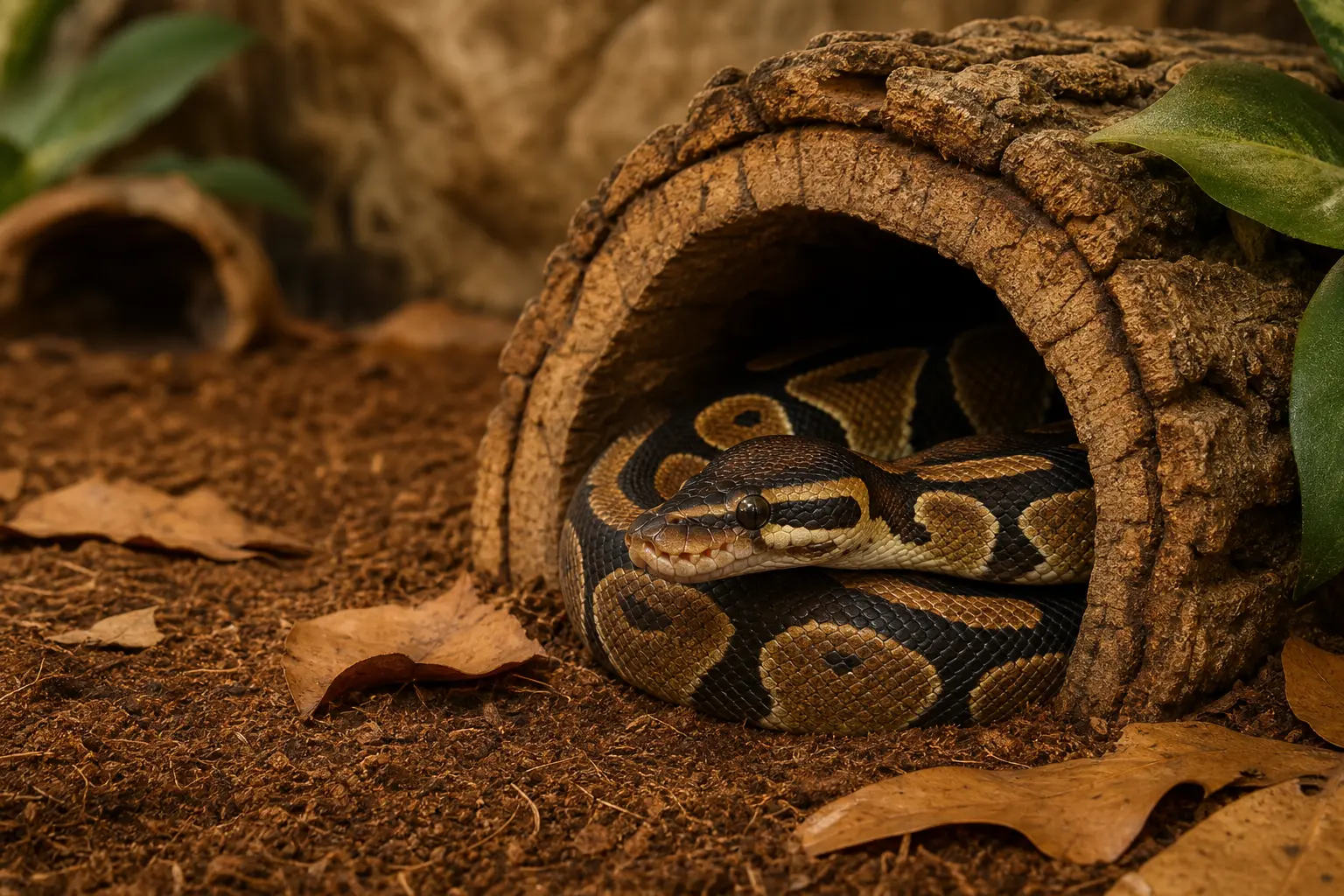
Ask about real reptile experience
Check whether the veterinarian regularly sees your kind of reptile and where reptile patients should go after hours.
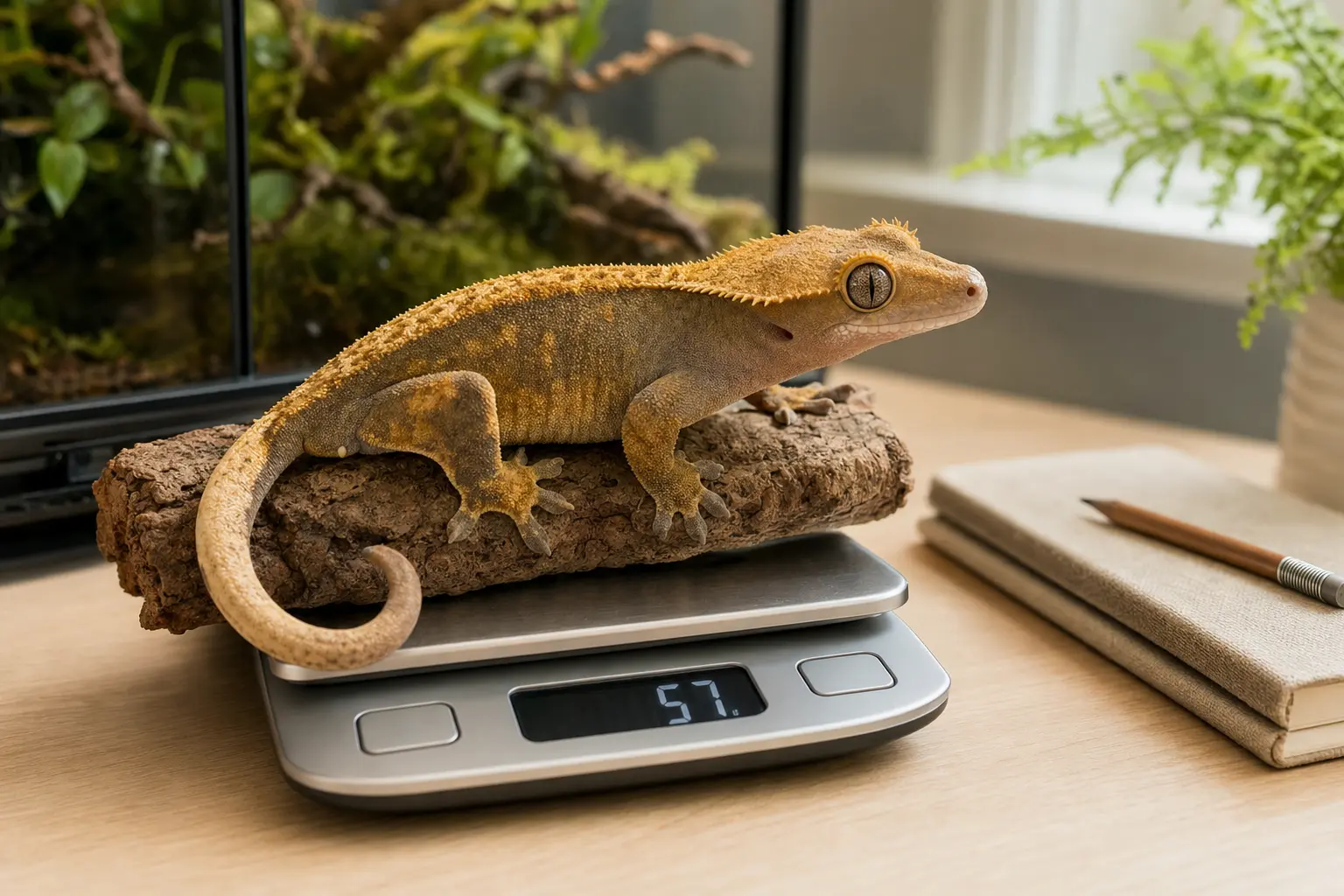
Begin with a well visit
An early examination records healthy weight, body condition, diet, habitat, and any screening the reptile veterinarian recommends.
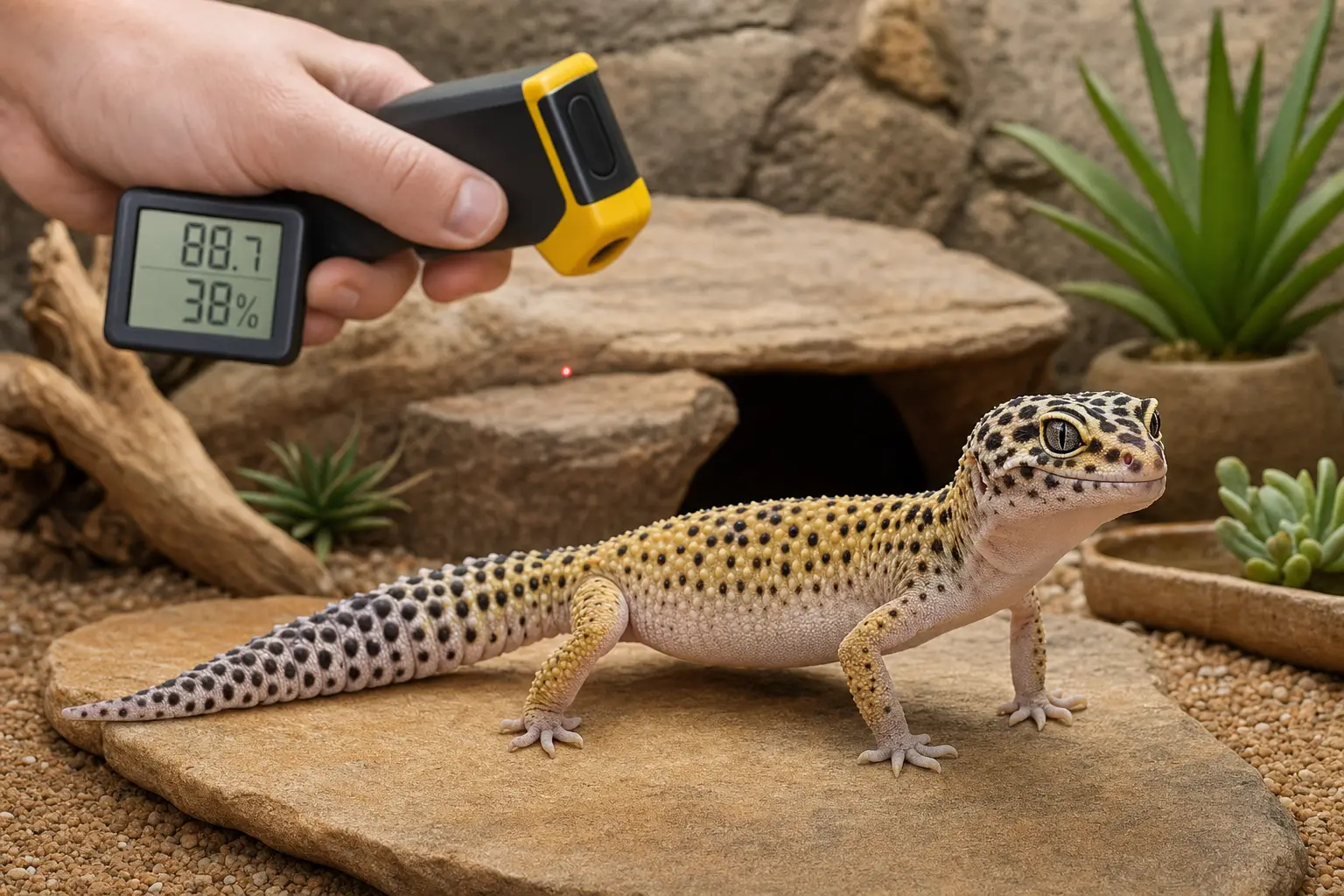
Let the vet see daily life
Bring enclosure photos and measured warmth, basking, humidity, and lighting details.
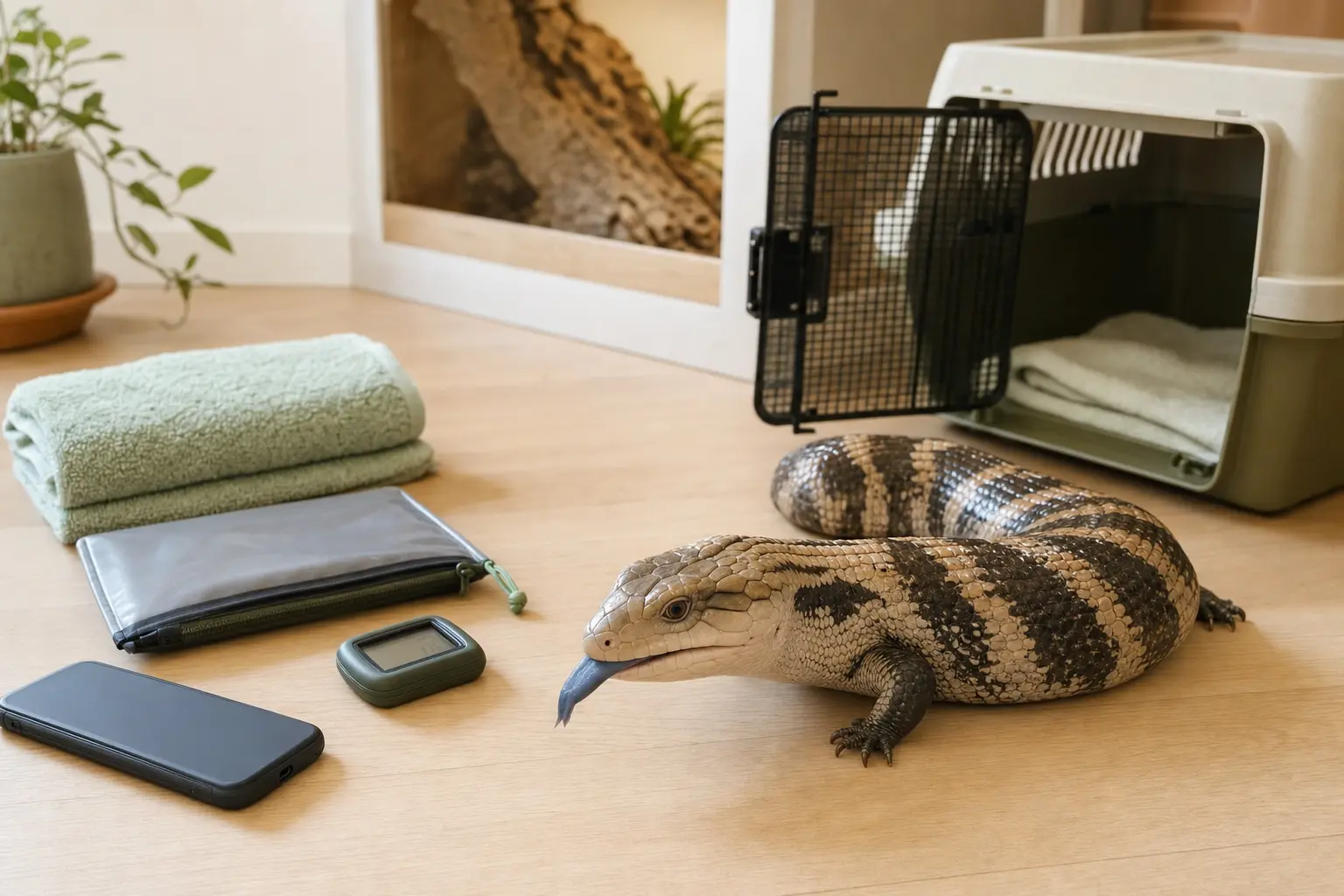
Make the journey comfortable
Use a secure, ventilated carrier with a clean liner.
When you are calling about a change
A few honest observations are more useful than trying to solve the case at home.
A short timeline
Write down when the change began, what happened next, and any food, supplement, medicine, injury, animal, or enclosure change.
A glimpse of the change
A photo or short video can help when breathing, movement, posture, or behavior looks different at home.
Only what the clinic asks for
The clinic may request records, packaging, medicine, or a sample.