When something changes
When Your Reptile Seems Different
Begin with what has changed from your reptile's ordinary day, then choose the health topic that fits.
You do not need a diagnosis before asking a reptile veterinarian for help.
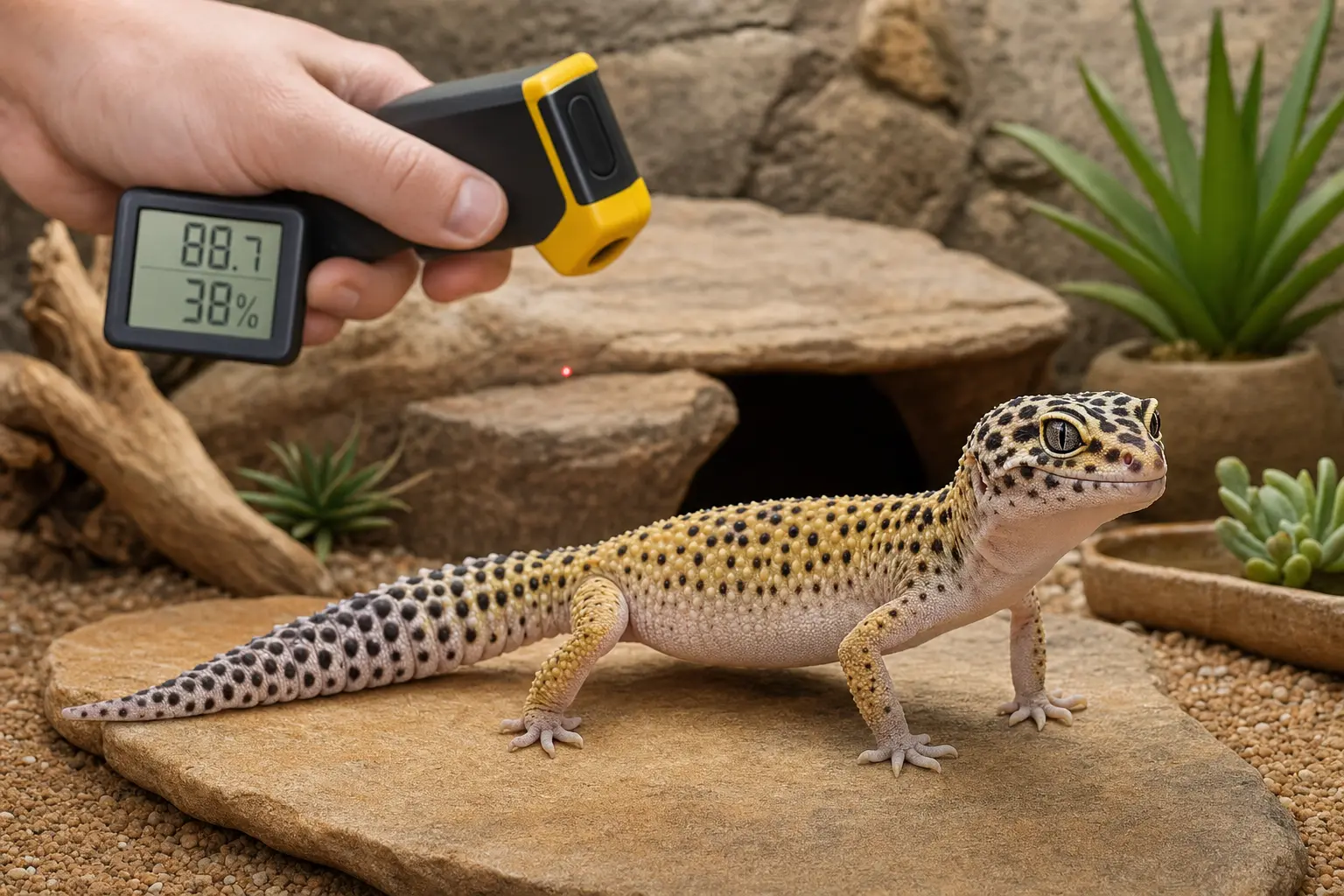
Start with a quiet look
A few calm observations tell the veterinarian more than a long list of possible diseases.
Choose the closest health topic
Each page explains what can be ordinary, what is worth noting, and when to involve a reptile veterinarian.
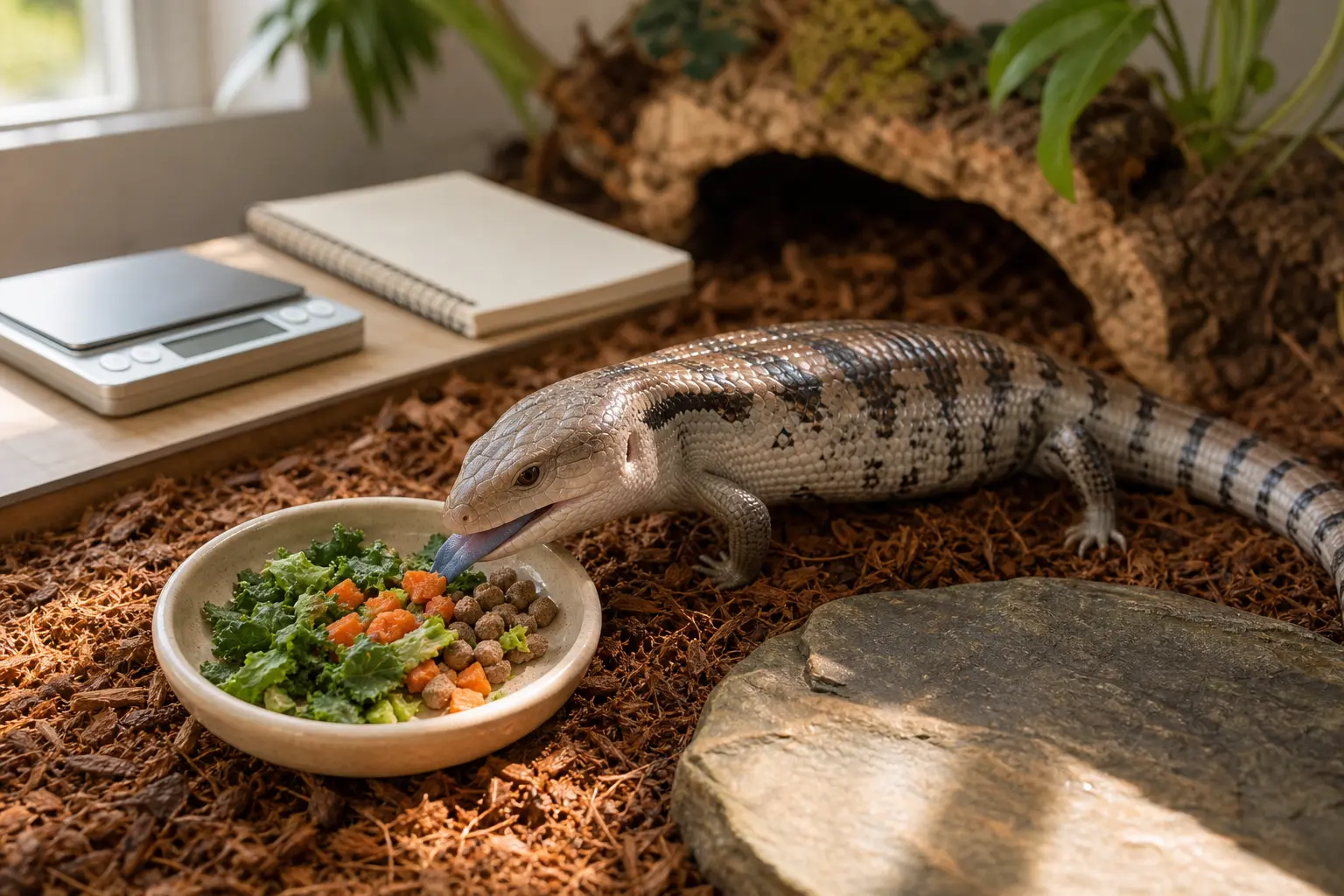
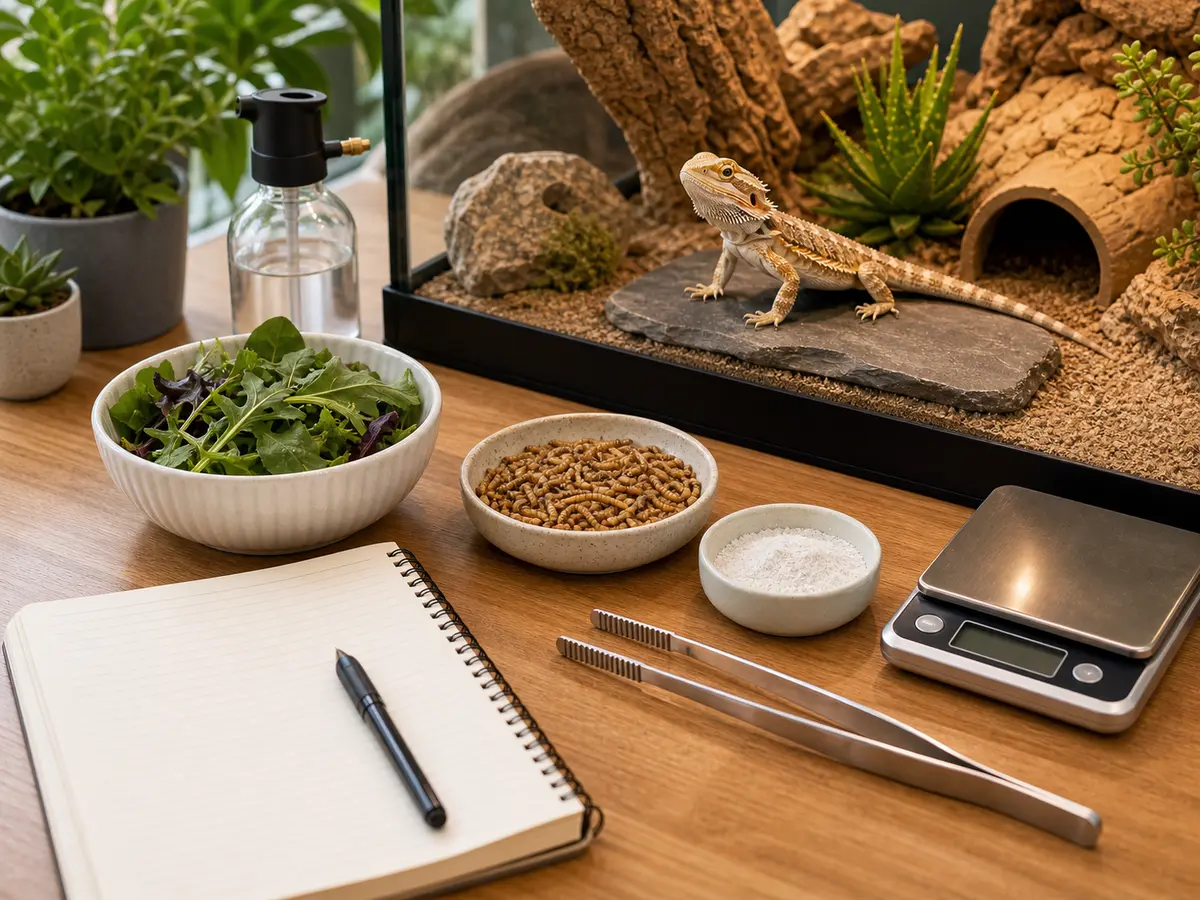 Appetite, Weight & Digestion
For changes in eating, regurgitation, body condition, waste, urates, swelling, or straining.
Appetite, Weight & Digestion
For changes in eating, regurgitation, body condition, waste, urates, swelling, or straining.
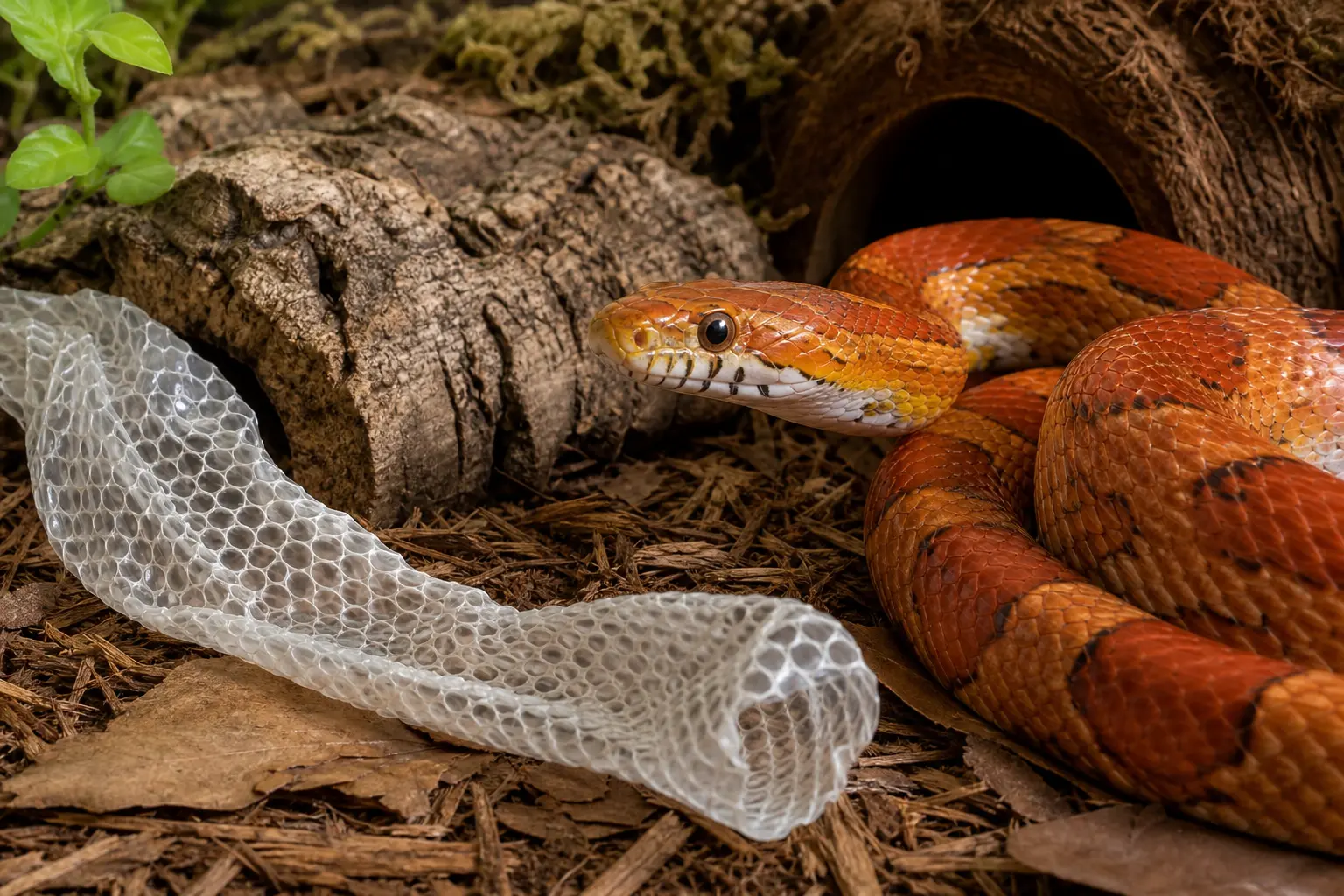
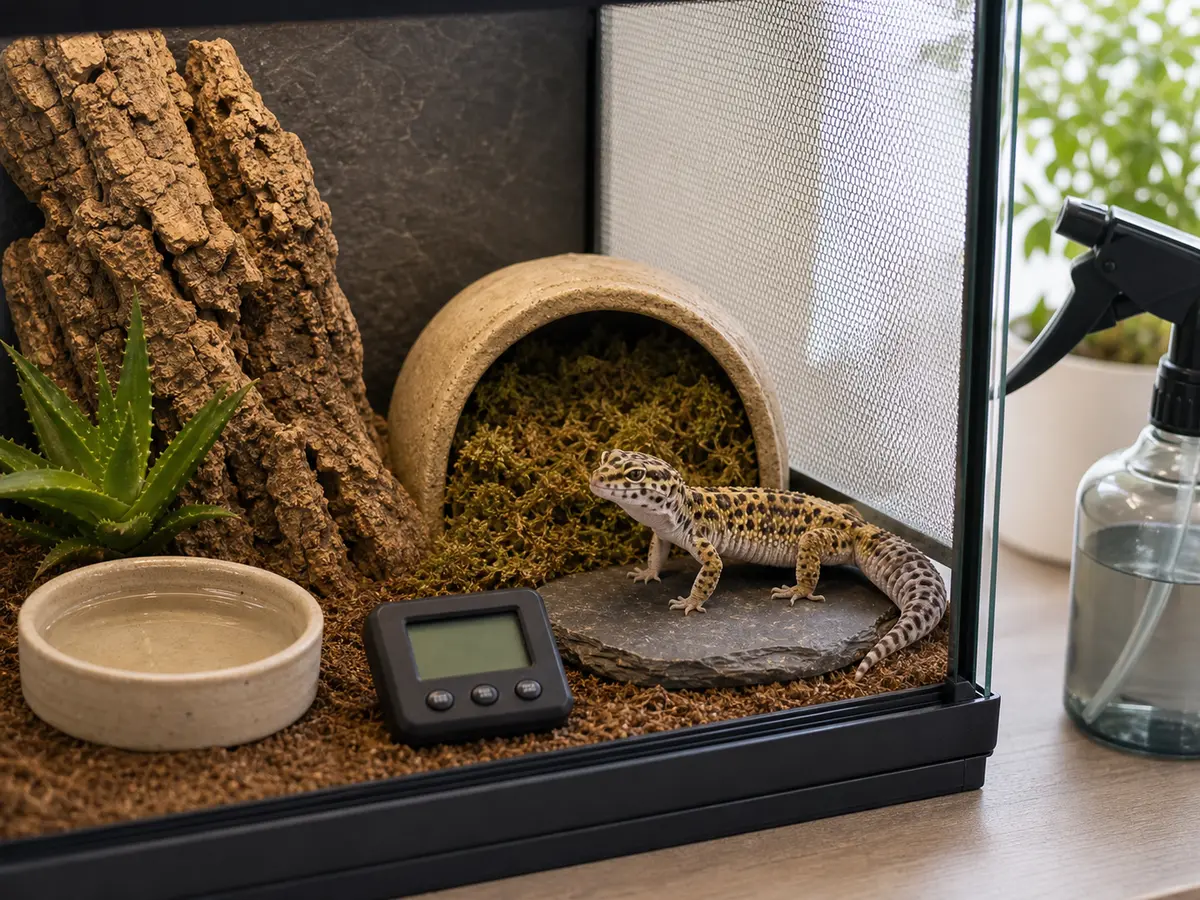 Skin, Shedding & Shell
For retained shed, tight bands, wounds, discoloration, soft shell, cracks, odor, or sores.
Skin, Shedding & Shell
For retained shed, tight bands, wounds, discoloration, soft shell, cracks, odor, or sores.
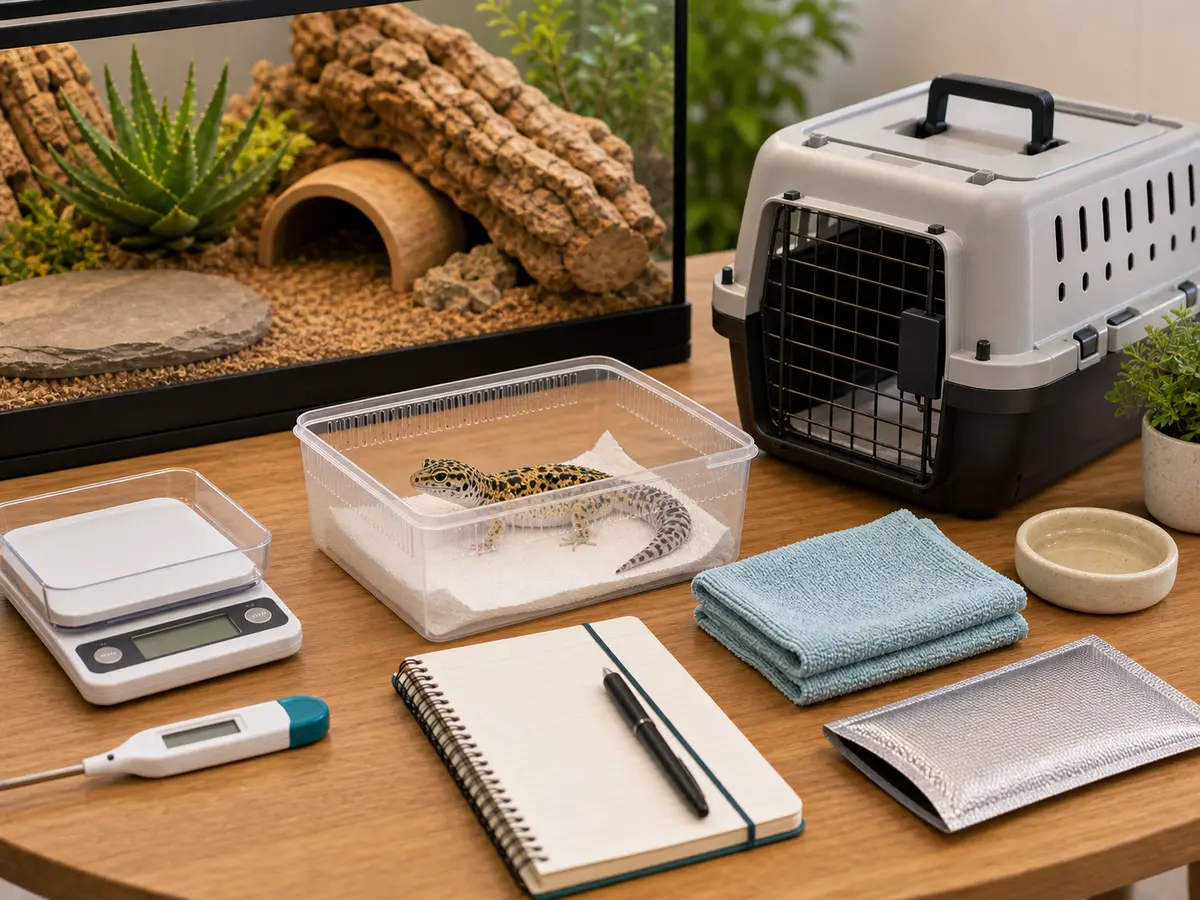 Eyes, Mouth & Breathing
For closed or swollen eyes, discharge, mouth changes, bubbles, or breathing that looks different.
Eyes, Mouth & Breathing
For closed or swollen eyes, discharge, mouth changes, bubbles, or breathing that looks different.
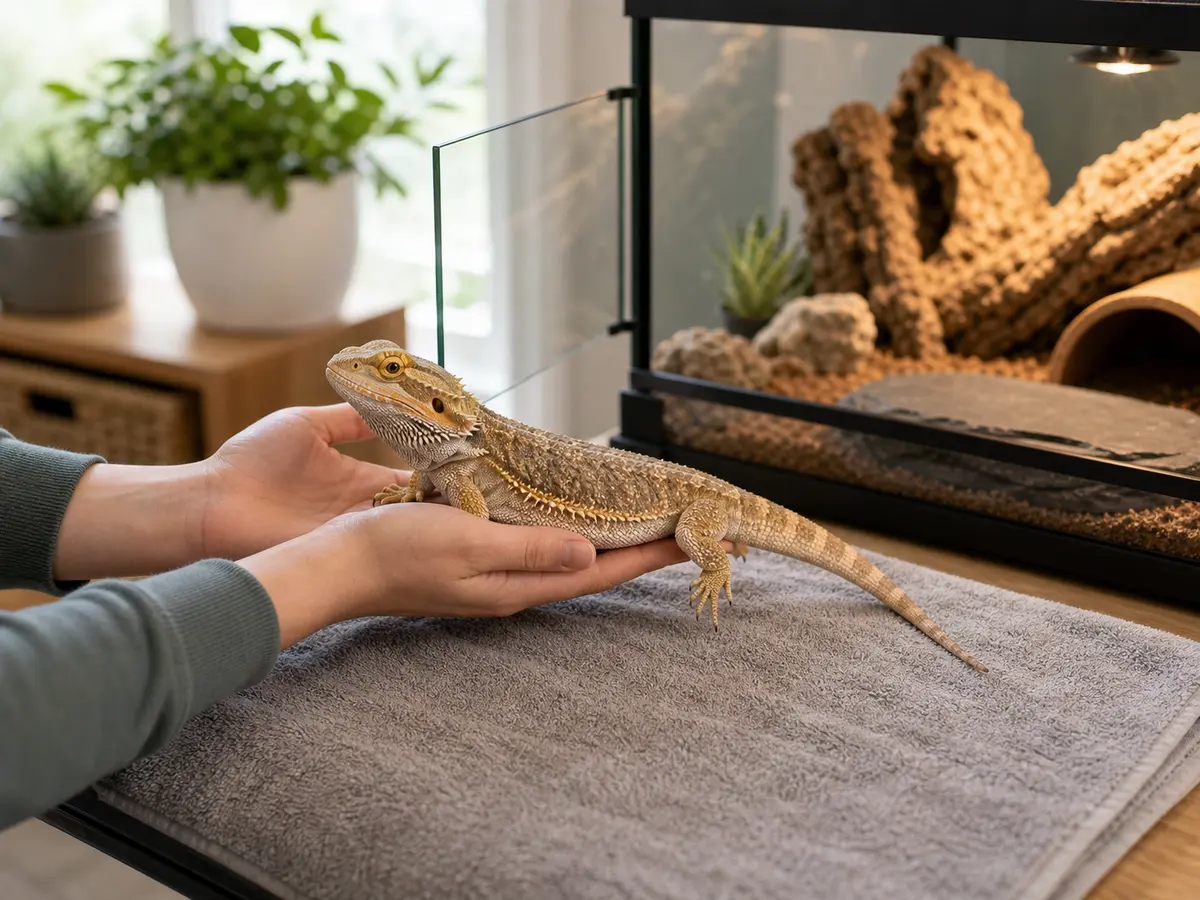 Movement, Behavior & Aging
For changes in grip, posture, balance, climbing, swimming, energy, hiding, or daily behavior.
Movement, Behavior & Aging
For changes in grip, posture, balance, climbing, swimming, energy, hiding, or daily behavior.
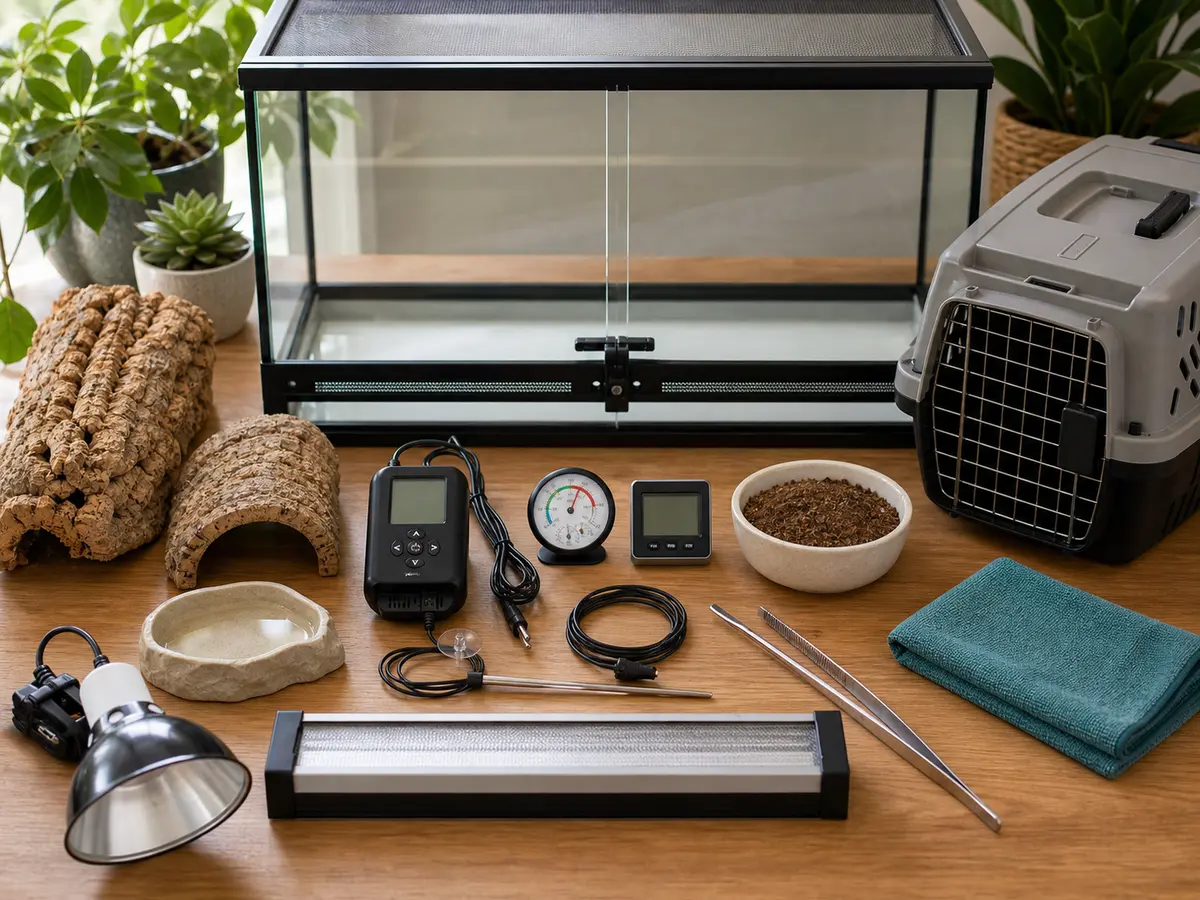 New Reptiles & Shared Health
For mites, new-arrival concerns, unusual waste, weight loss, or illness affecting more than one reptile.
New Reptiles & Shared Health
For mites, new-arrival concerns, unusual waste, weight loss, or illness affecting more than one reptile.