
Uromastyx · Daily diet

What should I feed a uromastyx?

A varied herbivorous menu led by calcium-rich dark greens, grasses, leaves, and flowers, with suitable vegetables, pulses, and seeds in smaller roles.

A rotating plant menu, safe identification, measured supplements, and body-condition records matter more than one favorite green or seed.

Use the practical checks
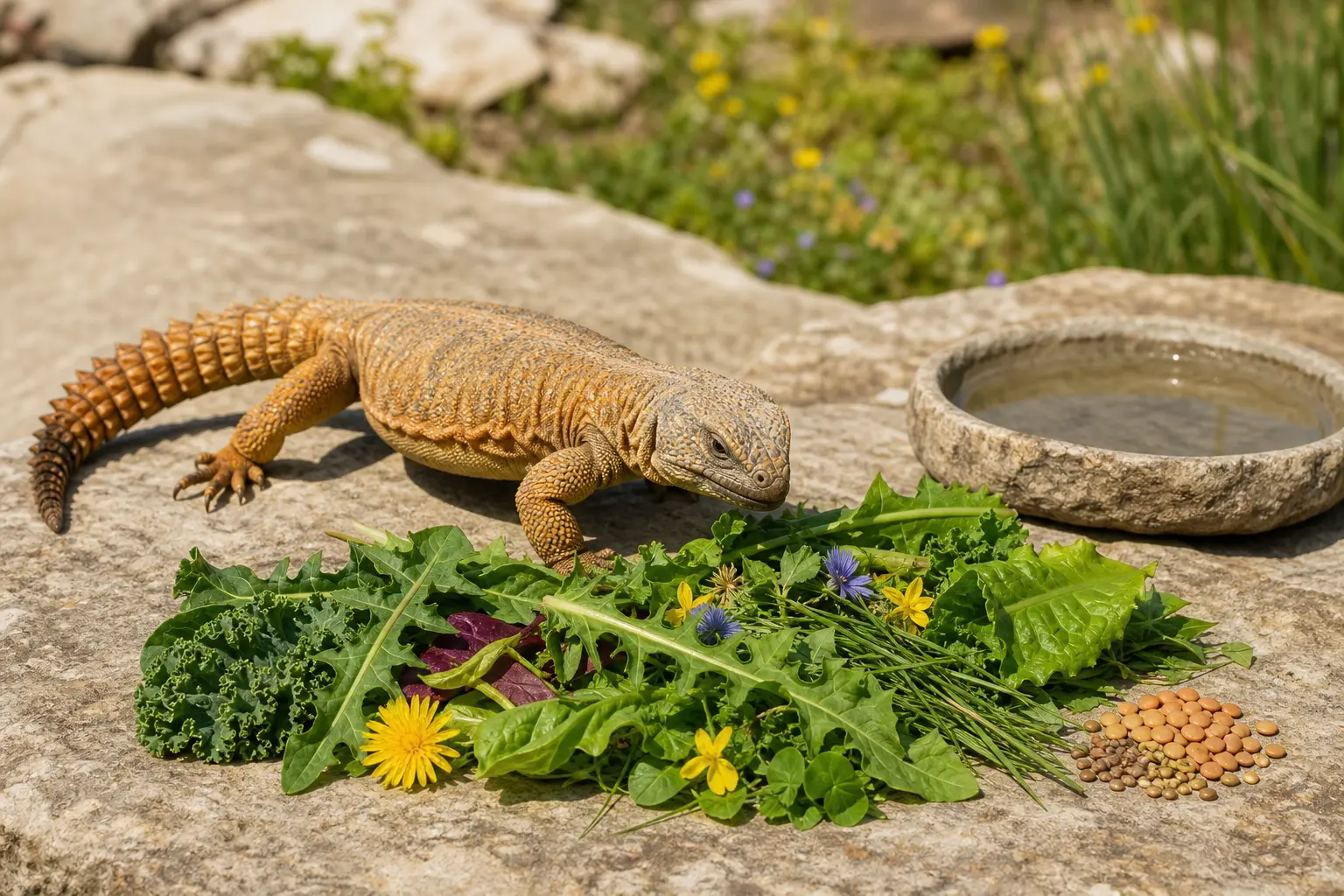
Adult Moroccan uromastyx approaching a varied plant meal of safe leafy greens, edible flowers, and a modest separate portion of lentils and seeds.

Put it into practice

The useful checks

Do this

  • Use the exact species diet and a reviewed supplement plan.
  • Remove spoilable food and wilted or uneaten plant food promptly.
  • Keep fresh water and monitor uromastyx behavior every day.
  • Record changes so a reptile veterinarian receives useful evidence.
Avoid this

  • Do not make one treat, seed, or vegetable the entire diet.
  • Do not combine supplements without checking the instructions.
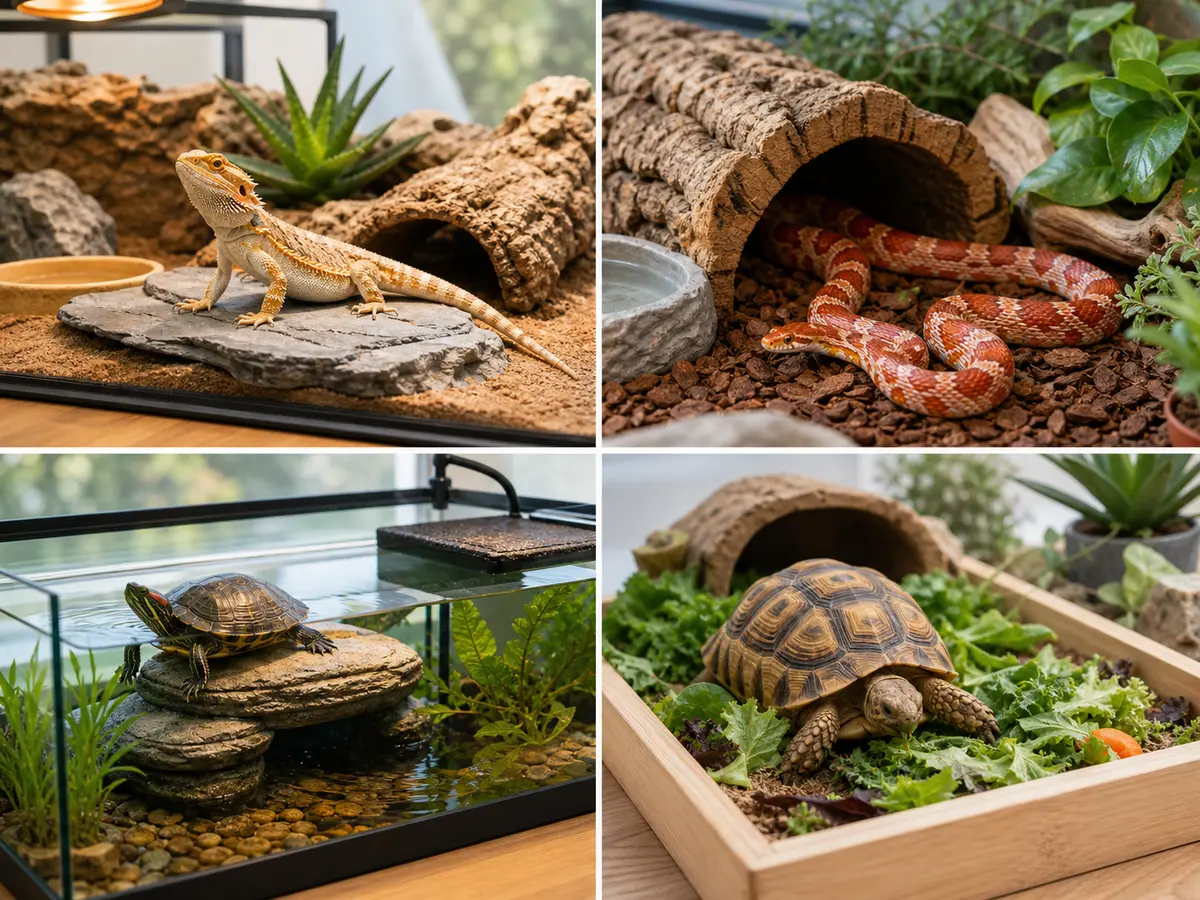
  • Do not copy another reptile species' setup.
  • Do not treat a persistent health change as a shopping problem.
01

Build a broad plant base

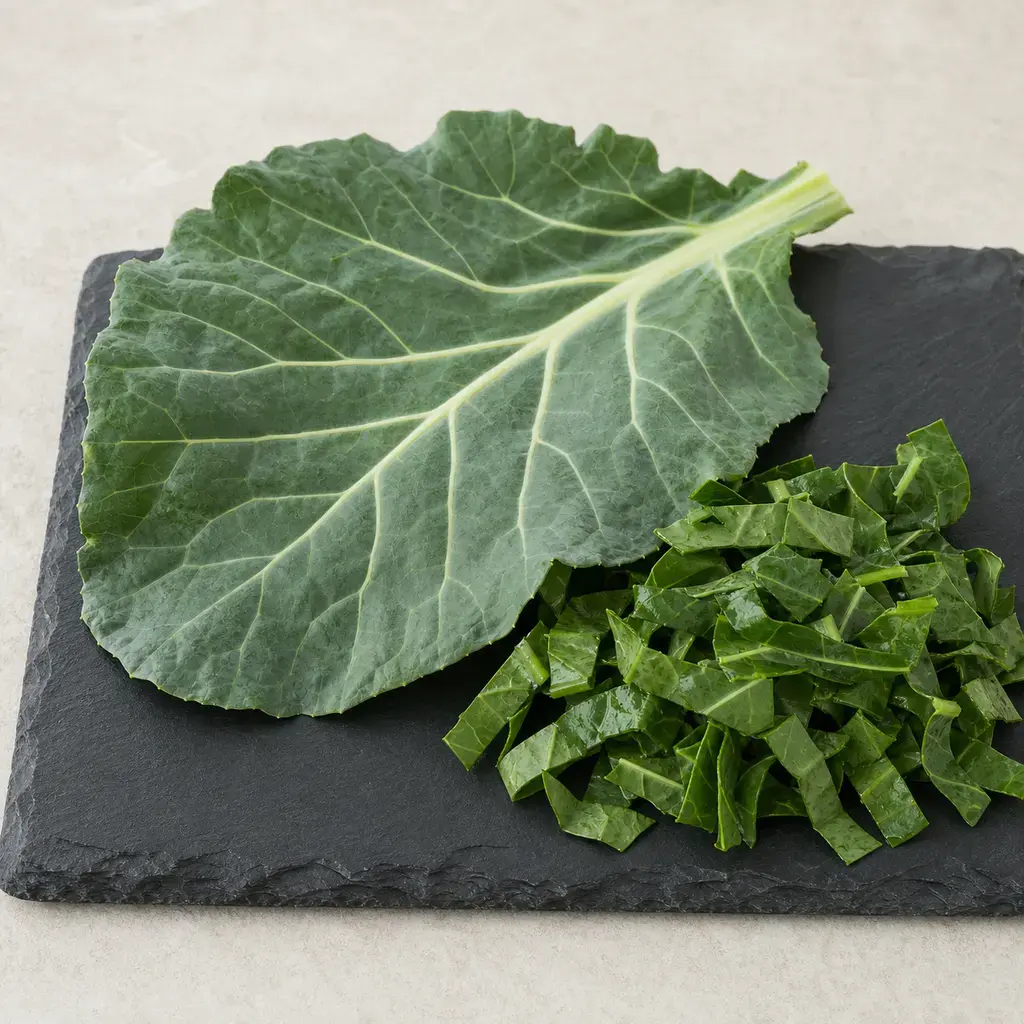
For a uromastyx, build meals around a varied plant-led meal of safe dark greens, grasses, leaves, and flowers, with suitable vegetables, pulses, seeds, and supplements used only to a species-reviewed plan. Rotate ingredients rather than serving the same lettuce mix every day.

Use only correctly identified plants from pesticide-free sources. Wash produce, remove spoiled pieces promptly, and keep food on a clean surface away from loose substrate.

02

Keep extras in their place

Suitable vegetables, lentils, peas, and seeds may play smaller species-specific roles, but high-calorie extras should not displace leafy forage. Fruit is occasional rather than a staple.

Current exact-species care and reptile-veterinary guidance should decide whether any insect belongs at all. Do not feed routine animal protein simply because an older general sheet mentions occasional insects.

03

Coordinate diet, heat, and UVB

Follow a reviewed calcium and vitamin plan without stacking products. Supplements cannot correct a cool basking surface, weak UVB, or a repetitive menu.

Track weight, body condition, droppings, urates, appetite, gait, jaw and limb strength, and activity. Persistent refusal, diarrhea, swelling, weakness, or weight change needs reptile-veterinary advice.

Uromastyx care boundaries at a glance
Adult home
Identify the exact species first; begin at 227 L (60 gal), then scale up substantially for longer species and provide broad floor space
Warm zone
Basking surface about 49°C (120°F); daytime gradient about 27–38°C (80–100°F)
Cool and night
A deep shaded retreat at the cool end; All visible lights off; allow a measured 5–8°C (10–15°F) drop
Humidity
Usually 10–40%, confirmed for the exact species, with dry ventilation, fresh water, and no persistently damp substrate
UVB
Strong measured linear UVB overlapping the broad basking zone, with unobstructed exposure and complete shade
Food
A varied herbivorous menu led by calcium-rich dark greens, grasses, leaves, and flowers, with suitable vegetables, pulses, and seeds in smaller roles
Sources and further reading

Useful tools for this feeding routine

Optional tools for this feeding routine. Use suitable equipment you already own; confirm the species' diet before buying food or supplements.

Affiliate links: Furball Cove may earn from qualifying purchases at no extra cost to you.

Small produce colander

Rinse leafy greens, flowers, and vegetables before a species-appropriate serving.

Use a dedicated, washable colander for rinsing fresh forage. A household tool reserved for reptile care is enough.Amazon search: compare specifications and sellers; results are not individually vetted.Compare options on Amazon

Heavy ceramic food dish

A stable, washable dish keeps a species-appropriate meal off loose substrate.

Species-matched · Optional feeding supportAmazon search: compare specifications and sellers; results are not individually vetted.Compare options on Amazon