Call before leaving
Describe breathing, movement, injury, appetite, waste, reproductive signs, and how quickly the change developed. Ask where to arrive, whether the clinic treats that species, and what temperature support is appropriate.
Practical tool
Call first and bring a concise timeline with measured habitat and care information.
The clinic can tell you whether the animal should travel immediately and how to keep the trip safe.
Describe breathing, movement, injury, appetite, waste, reproductive signs, and how quickly the change developed. Ask where to arrive, whether the clinic treats that species, and what temperature support is appropriate.
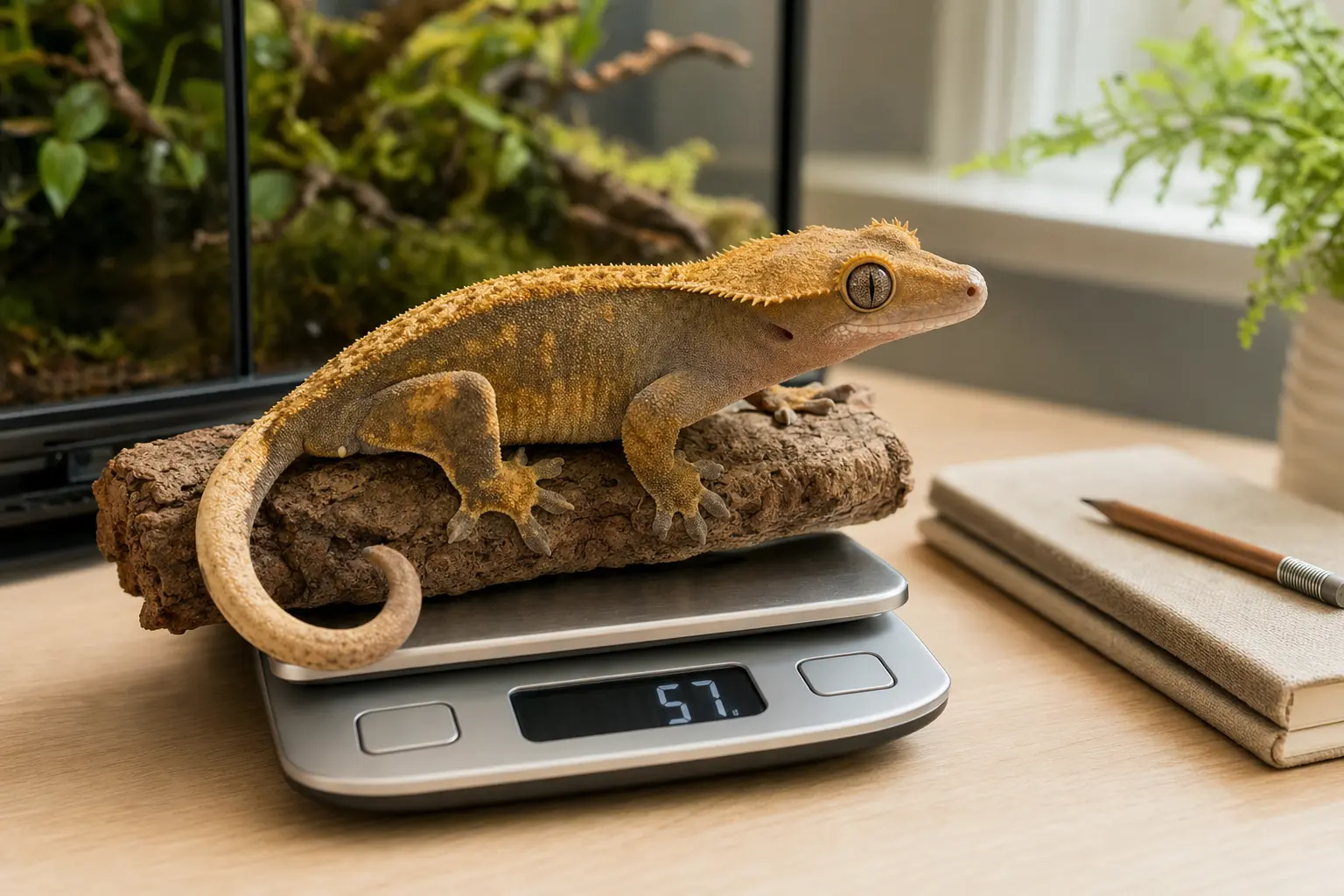
Take current weight, measured warm and cool conditions, humidity or water readings, lighting and heat products, diet and supplements, medication history, photos, and a fresh stool sample only when requested.
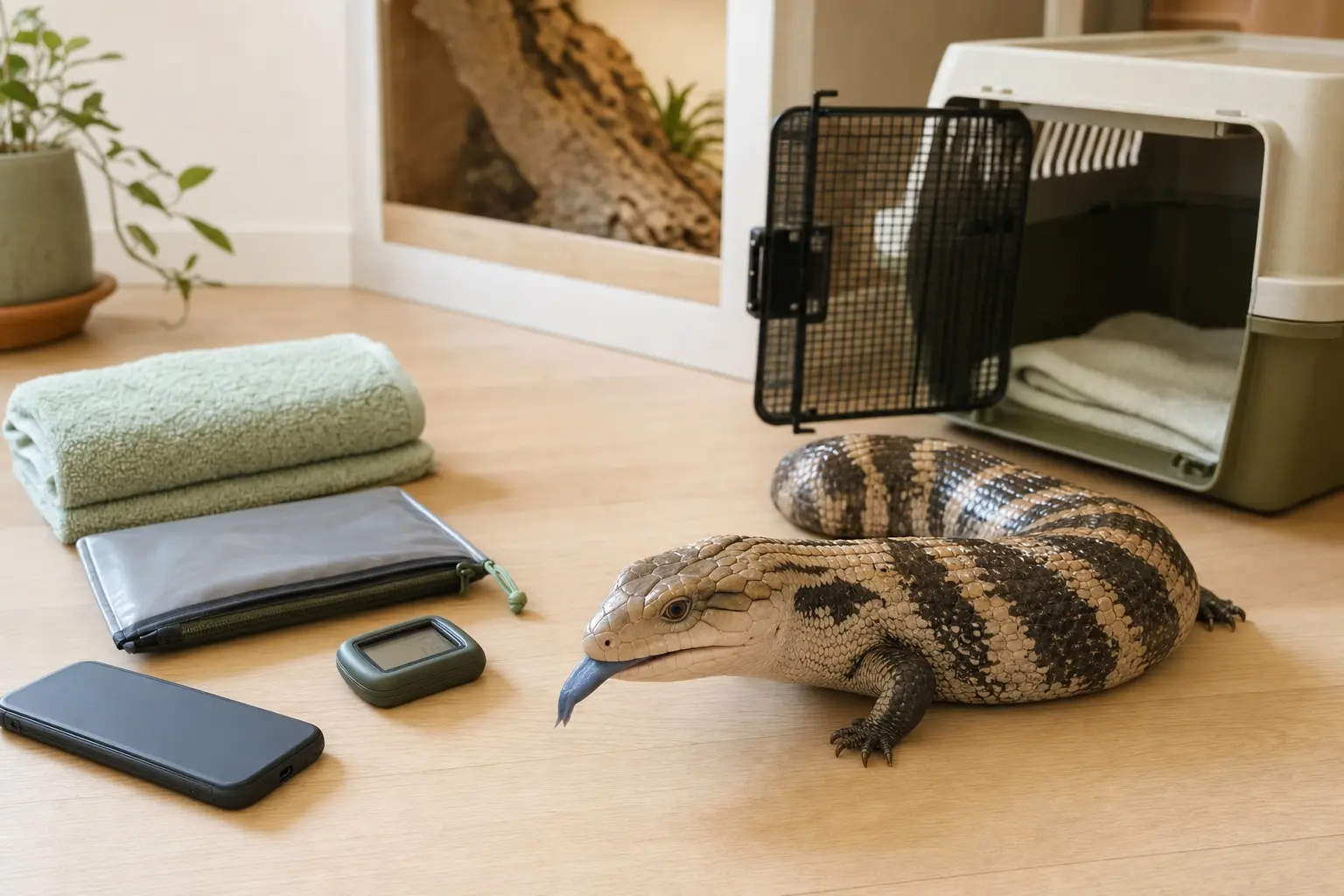
Use a secure ventilated carrier with stable footing and indirect temperature support. Do not attempt assisted feeding, soaking, medication, shed removal, or swelling drainage unless the clinic directs you. Keep hot and cold packs away from the animal.
Choose the next focused guide for prepare for a reptile vet visit.
Three optional picks matched to this page. Check adult size, species-specific care targets, and product compatibility before buying.
Affiliate links: Furball Cove may earn from qualifying purchases at no extra cost to you.
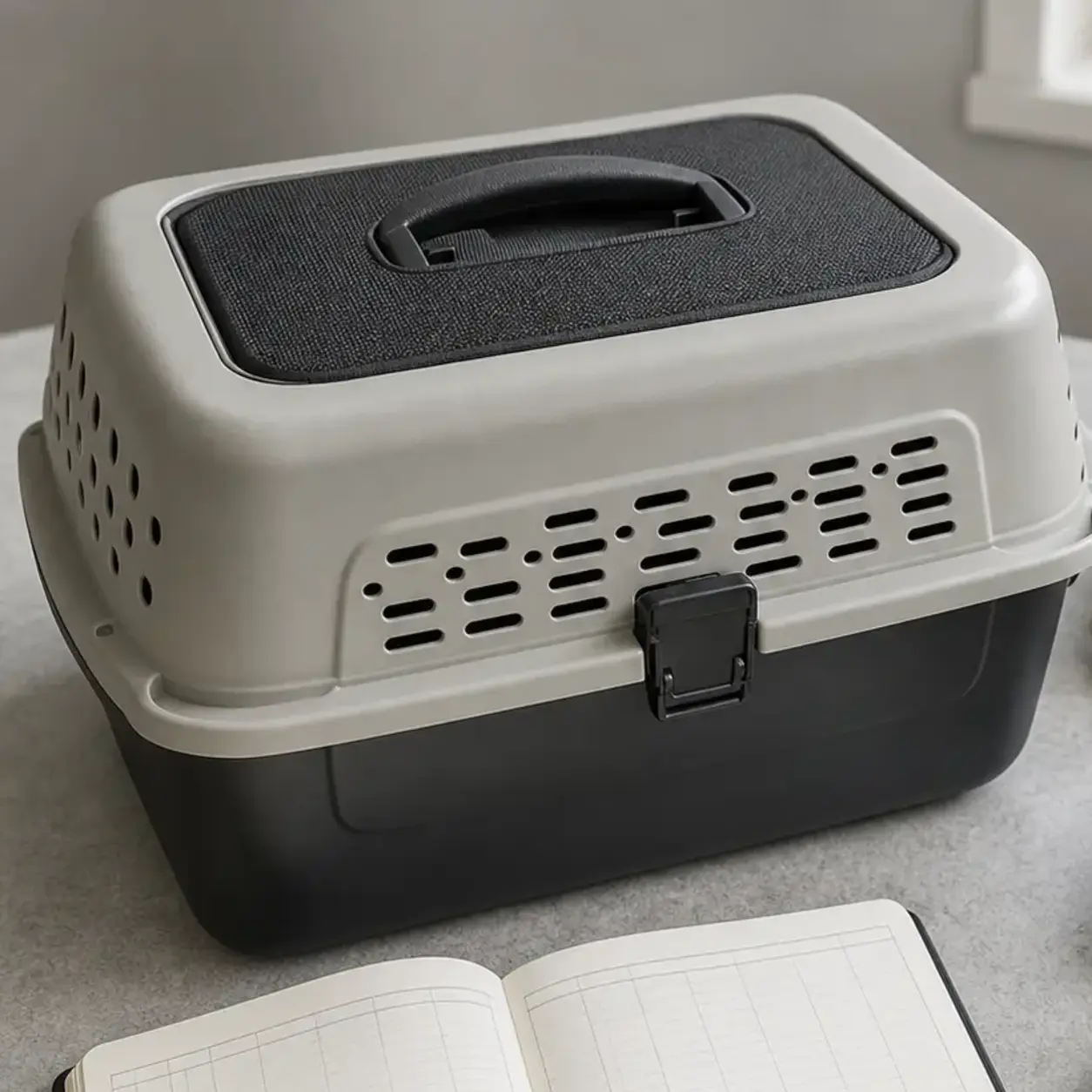
A ventilated, latchable carrier for planned transport to a reptile veterinarian; pad and temperature-manage it for the species.
Secure ventilation · For planned transportCompare Secure travel carrier options
Makes consistent weight checks possible between veterinary visits; use the same safe container and schedule each time.
Trend tool only · Use a safe containerCompare Digital gram scale options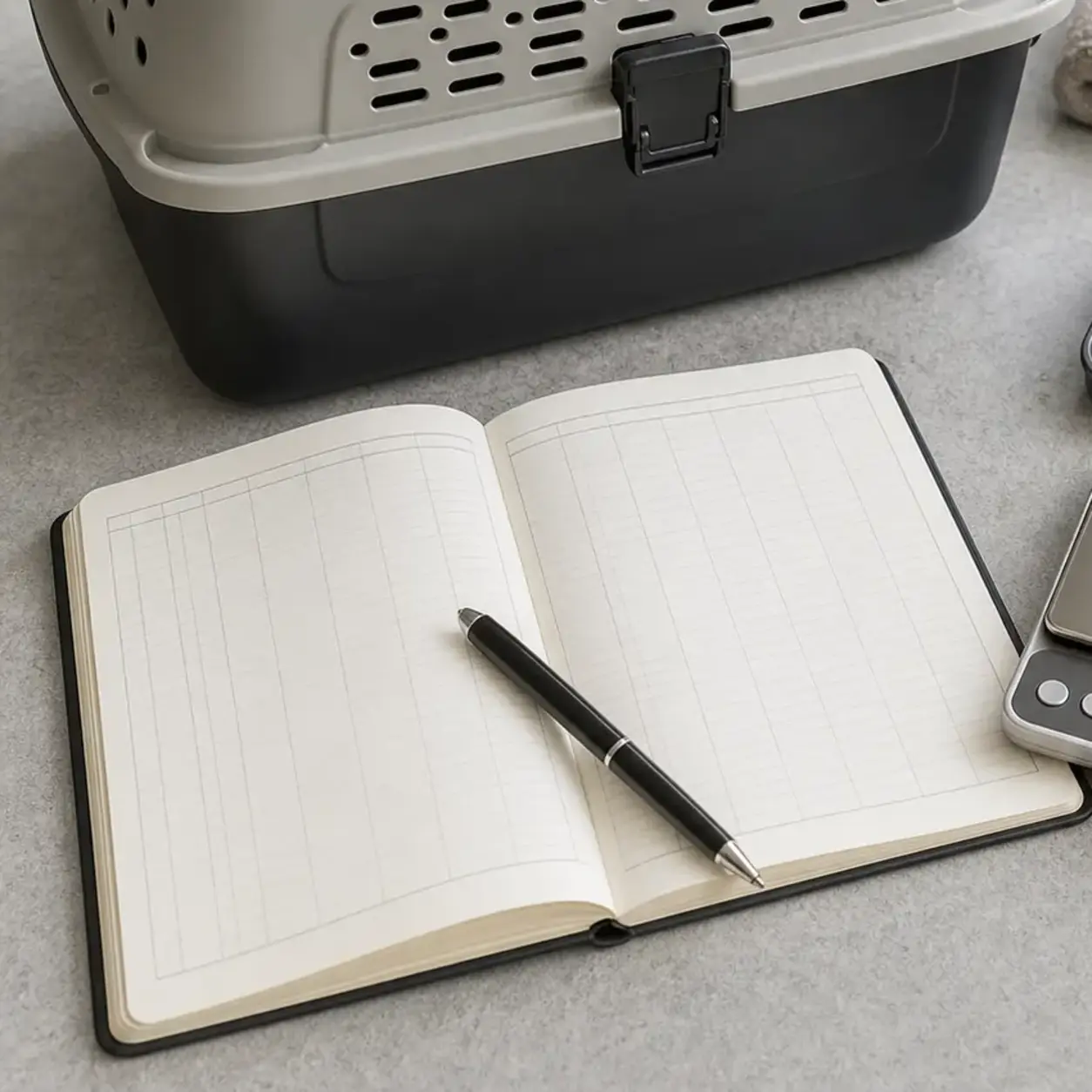
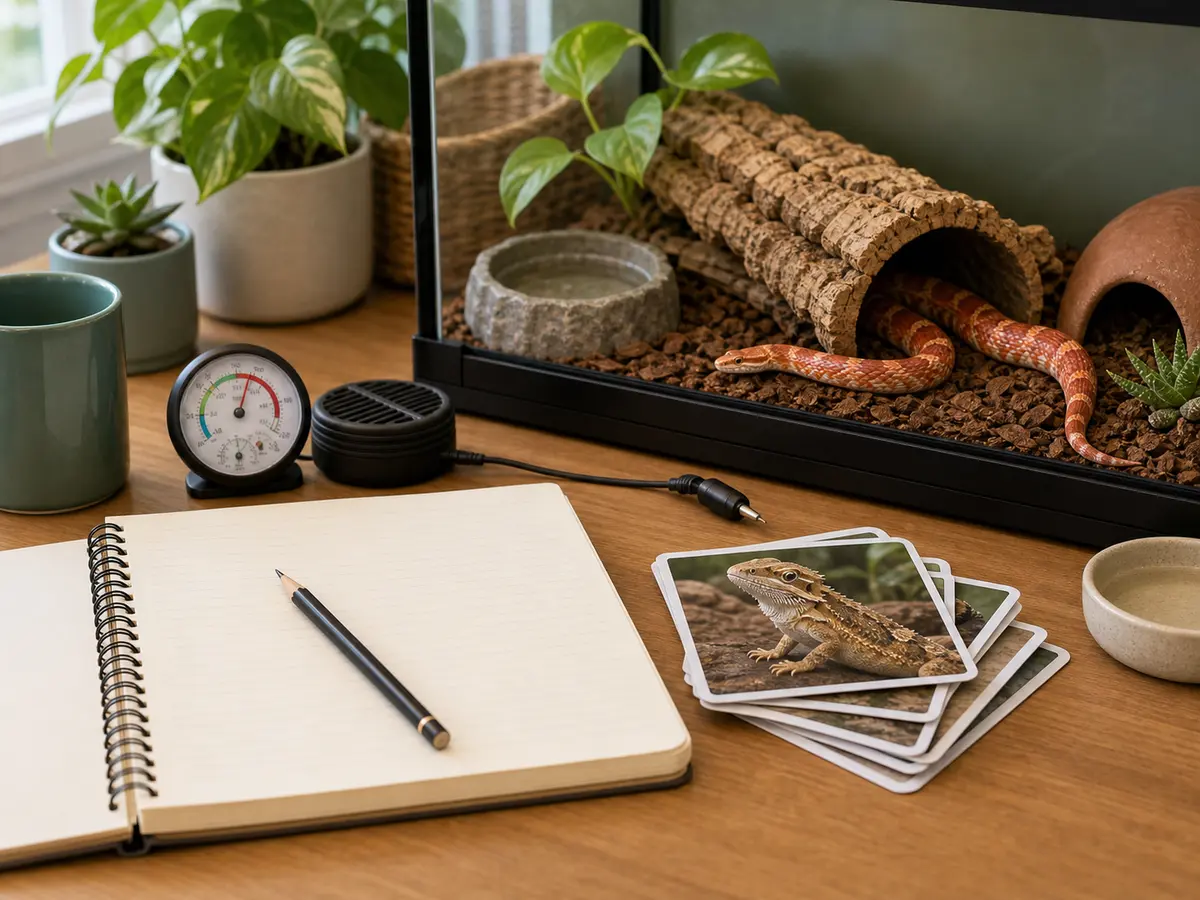
Keeps dates, readings, weight, appetite, shedding, waste, and questions together for clearer veterinary conversations.
Observation record · Not a diagnosisCompare Reptile care log options