How do I help a senior cat get onto the bed safely?
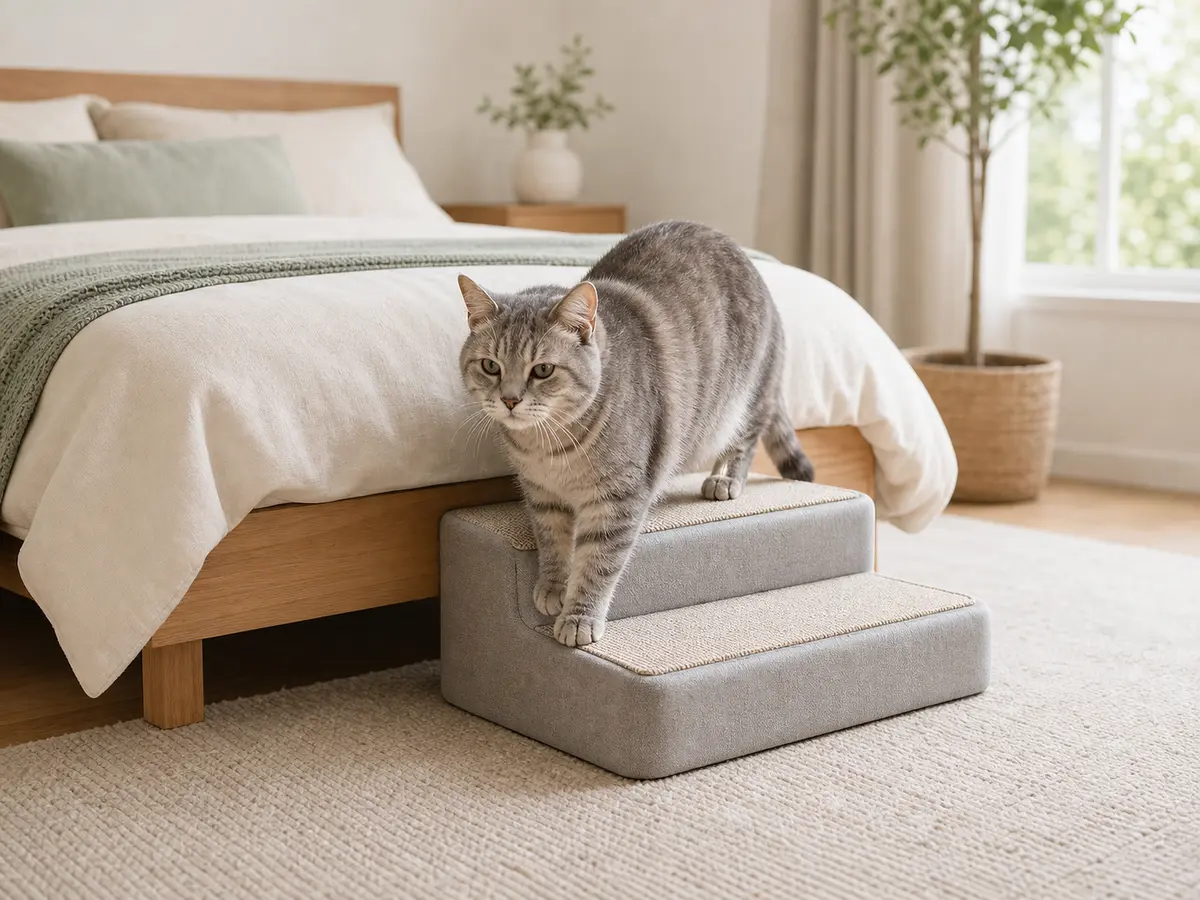
Help a senior cat get onto the bed with a wide, stable step or ramp, a grippy landing, and a lower cozy option if jumping is no longer comfortable.
The goal is not to make your cat prove they can still jump. Make the route steady enough that they can choose closeness without slipping, wobbling, or hurting themselves.
Build a low route to the bed
Use a step, ramp, or sturdy ottoman that is wide enough for your cat's stance and low enough to feel boring. Test it with your hand first; wobble, sliding, or a narrow top is a no.
Senior-cat changes deserve a slower read. Compare the new pattern with appetite, weight, litter habits, jumping, grooming, sleep, and whether the room has become harder to use.
Add traction before height
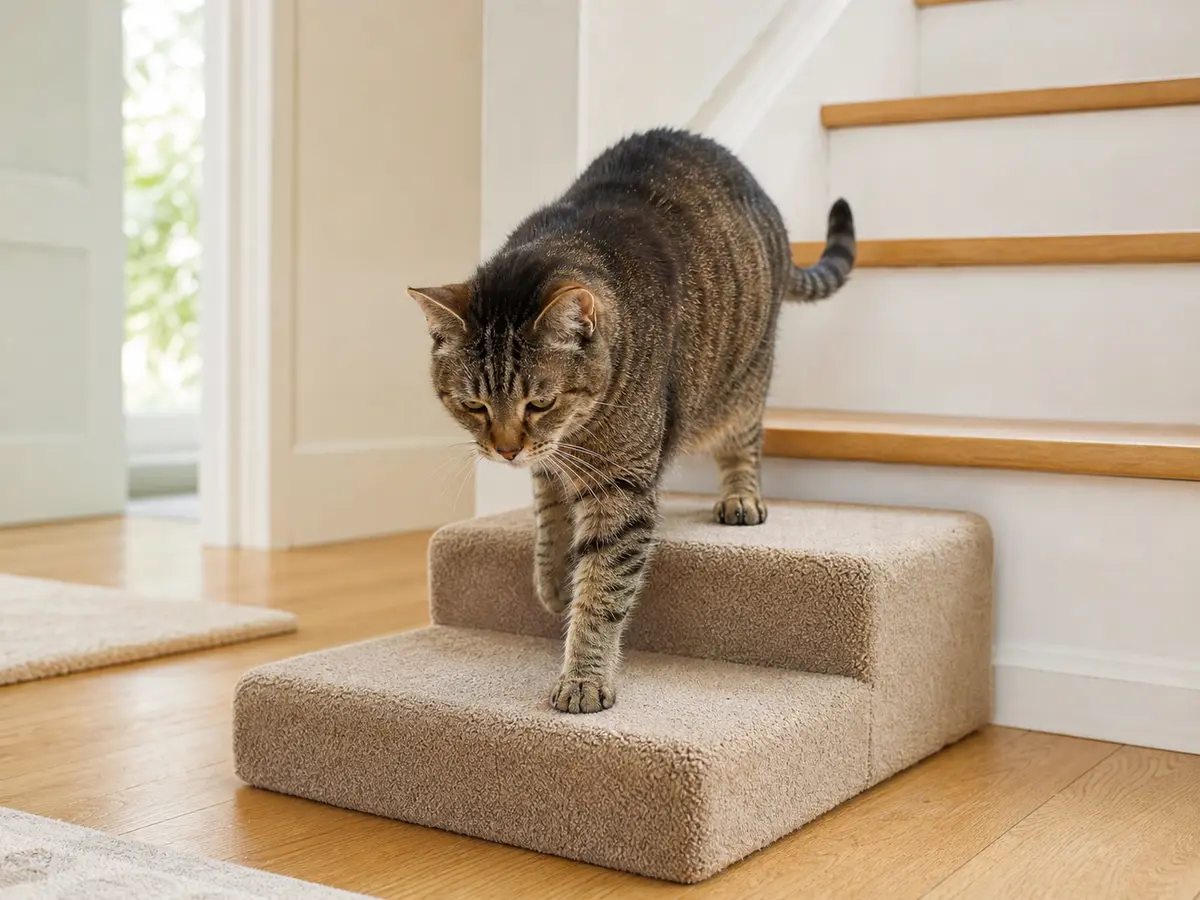
A perfect-looking step can fail if paws slide. Add a rug, carpet tread, or grippy surface on the floor and on the step so launch and landing both feel secure.
Make the next step easy on joints and predictable for the routine. Lower the entry, shorten the jump, add traction, warm the bed, or schedule the checkup before guessing.
Give the bed a backup option
A warm lower bed near you is not a failure. Some senior cats still want your room or your scent but no longer want the full climb every night.
Start by comparing today with your cat's normal. A senior cat who changes appetite, litter habits, jumping, grooming, sleep, or social behavior is giving useful information.
Watch whether pain is part of the change
New hesitation, hard landings, missed jumps, stiff walking, hiding, less grooming, or litter-box changes are reasons to make the route easier and call your veterinarian.
Do not write off sudden senior changes as age. Appetite loss, weight loss, new hiding, pain, falls, litter changes, or confusion deserve a veterinary conversation.
Before you decide
Is the step or ramp wide, stable, low, and non-slip?
Can your cat step down safely, not just climb up?
Is there a warm lower bed if the full climb is too much?
Did jumping trouble appear suddenly or with pain, stiffness, hiding, grooming, or litter changes?
Next best moves
Set one stable step or ramp beside the bed.
Add traction on the floor and landing surface.
Call your veterinarian if the change is sudden, painful, repeated, or paired with other senior changes.
Helpful supplies
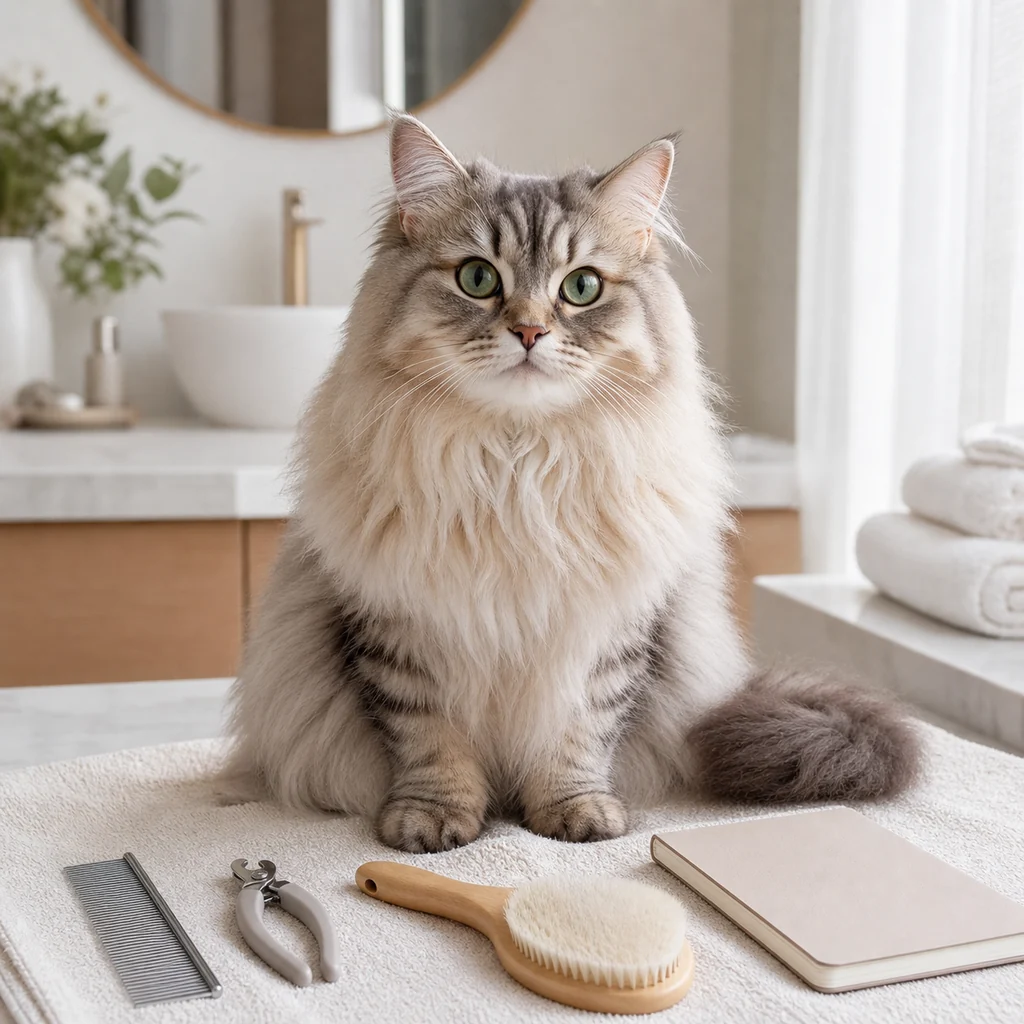
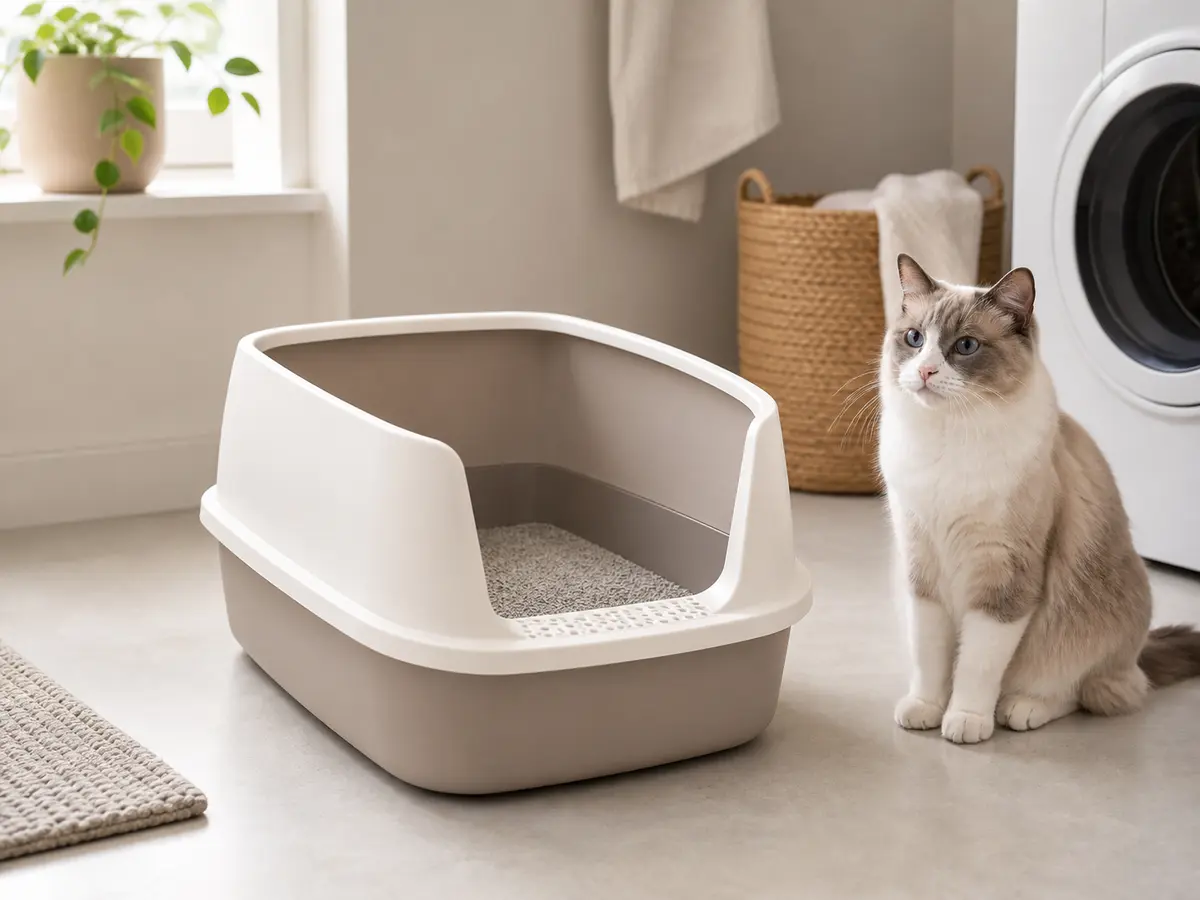
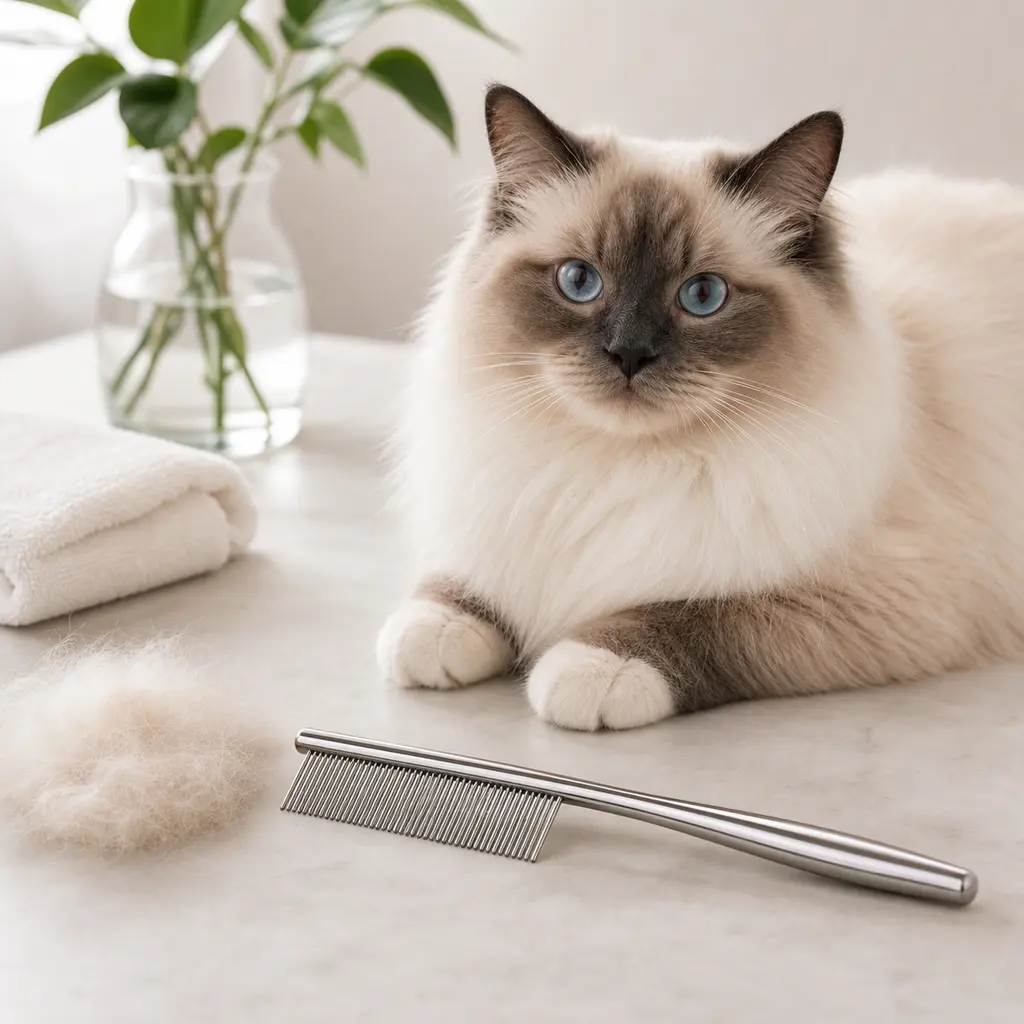
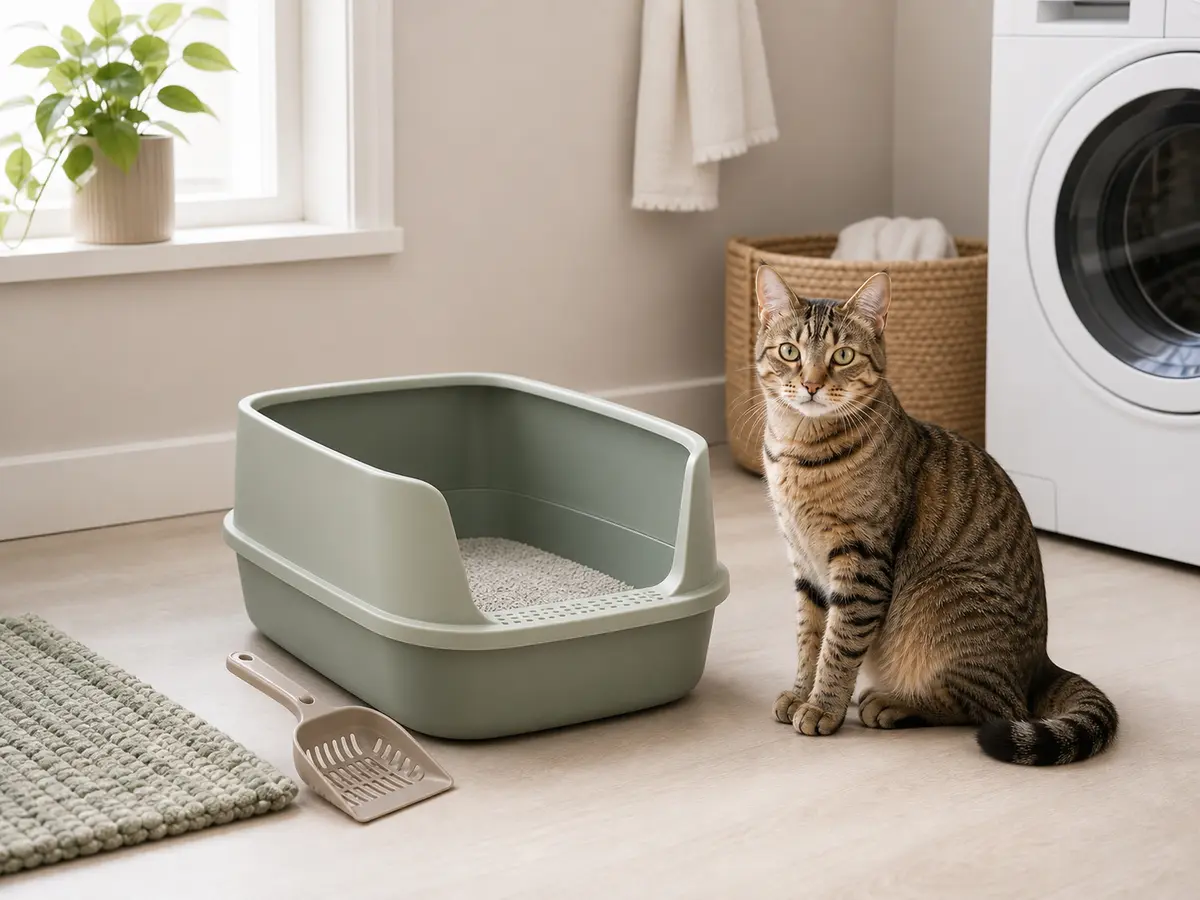
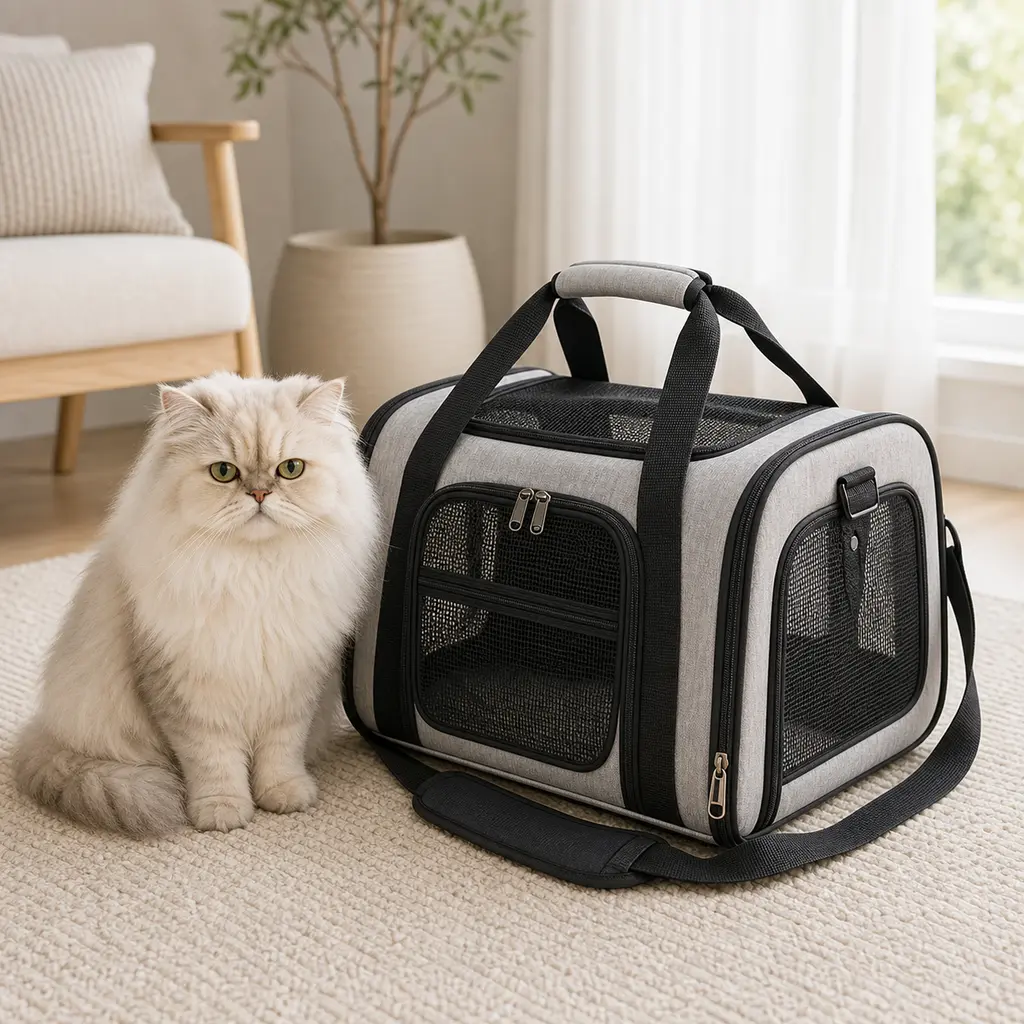
Senior supplies should reduce effort: lower climbs, warmer rest, easier litter access, and gentler coat checks.
Affiliate links: Furball Cove may earn from qualifying purchases at no extra cost to you.
How do I help a senior cat get onto the bed safely?
Help a senior cat get onto the bed with a wide, stable step or ramp, a grippy landing, and a lower cozy option if jumping is no longer comfortable.
When should I get help?
Call your veterinarian if bed jumping changed suddenly, your cat misses jumps, cries, limps, hides, stops grooming, avoids the box, or seems painful after getting up or down.