How do I help an older cat who hesitates before jumping?
An older cat who hesitates before jumping may be protecting sore joints, checking a slippery landing, or losing confidence in a jump that used to feel easy.
Do not treat the pause as stubbornness. Watch the exact jump, lower the route, add traction, and ask your veterinarian if the hesitation is new, painful, or getting worse.
Compare this jump to their old routine
Notice which jumps changed: bed, sofa, windowsill, litter route, or stairs. A senior cat who still wants the spot but pauses, circles, or backs away may be telling you the height or landing feels different now.
Senior-cat changes deserve a slower read. Compare the new pattern with appetite, weight, litter habits, jumping, grooming, sleep, and whether the room has become harder to use.
Lower the favorite landing spots
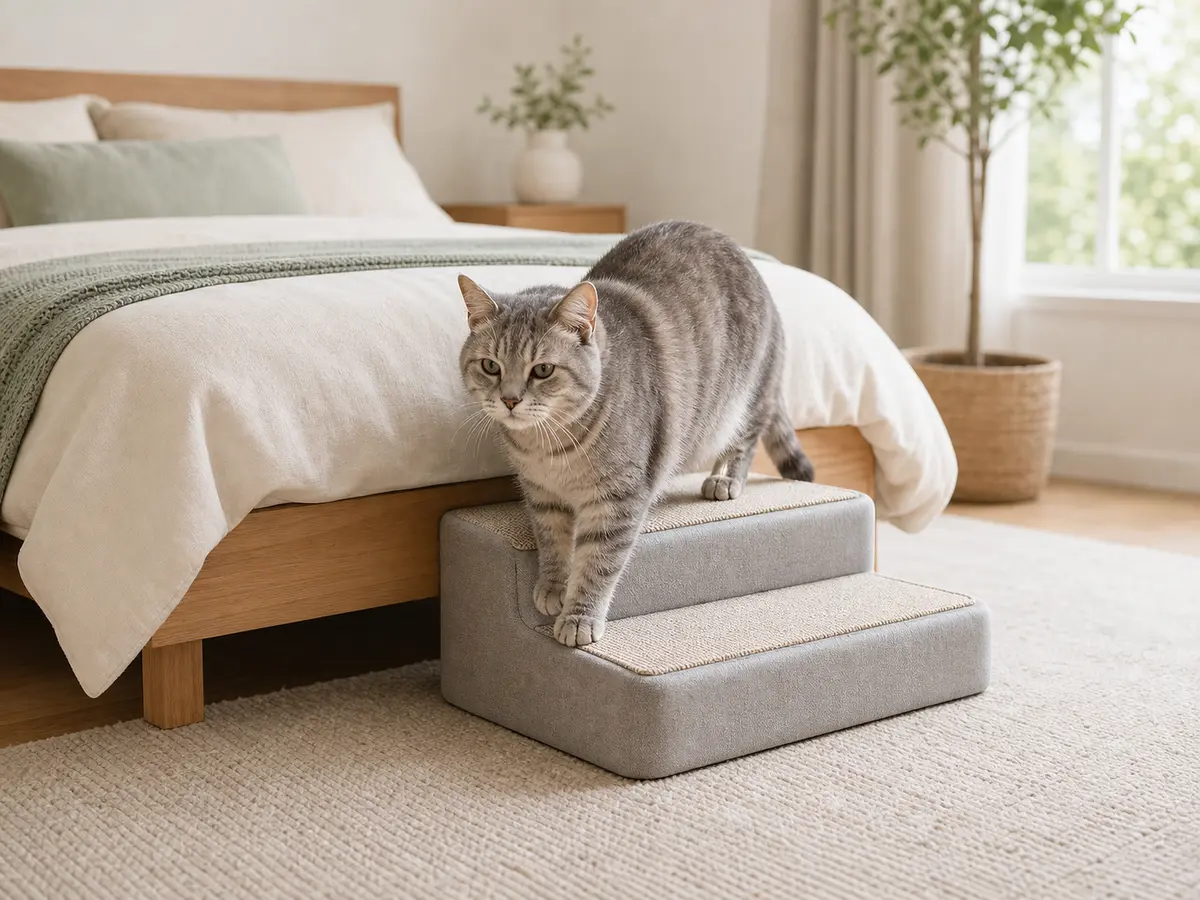
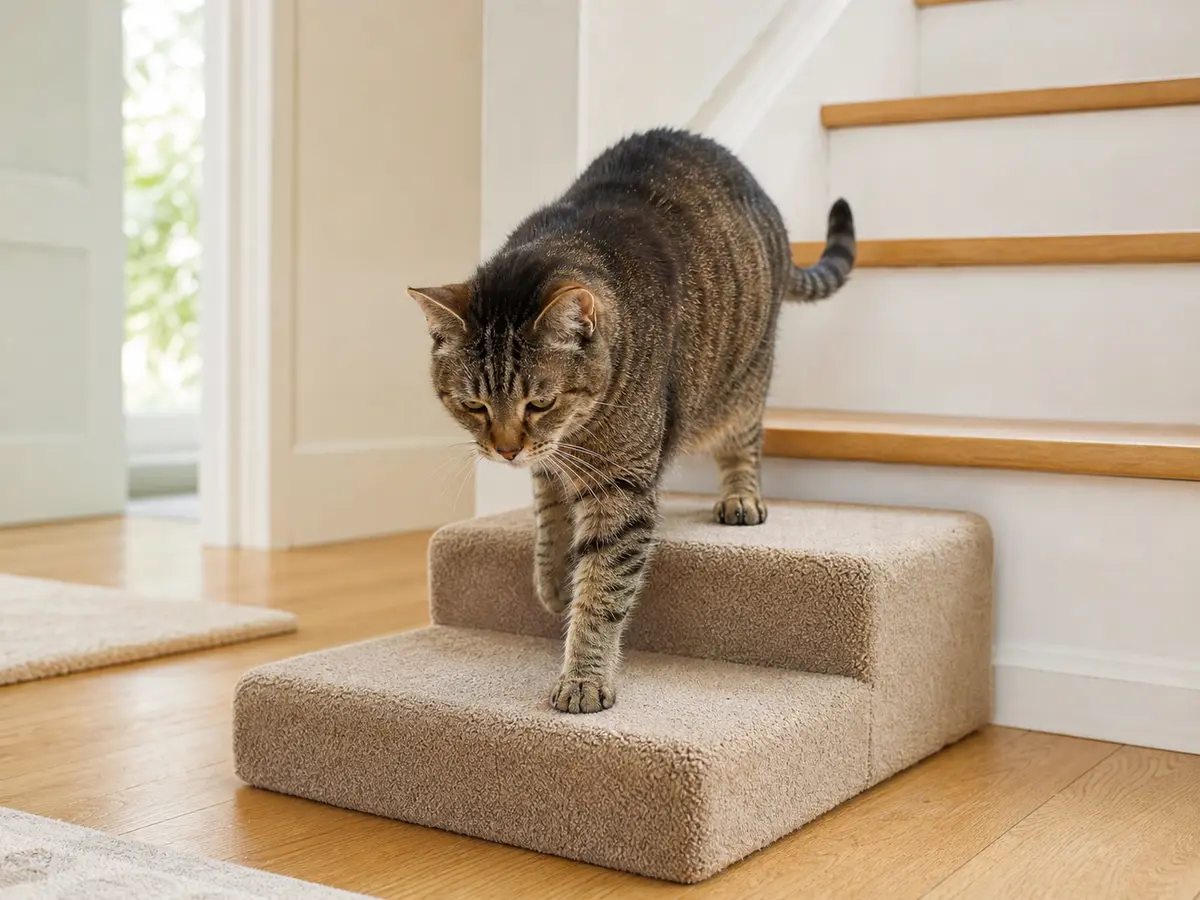
Use a wide, stable step or ramp beside the bed or sofa before your cat has to make a big leap. Press on it with your hand first; if it rocks, slides, or feels narrow, it is not the right helper.
Start by comparing today with your cat's normal. A senior cat who changes appetite, litter habits, jumping, grooming, sleep, or social behavior is giving useful information.
Give paws a grippy landing
Add a low rug, carpet tread, or non-slip mat where paws launch and land. Smooth floors and loose blankets can make a careful senior cat bail out even when the height looks manageable.
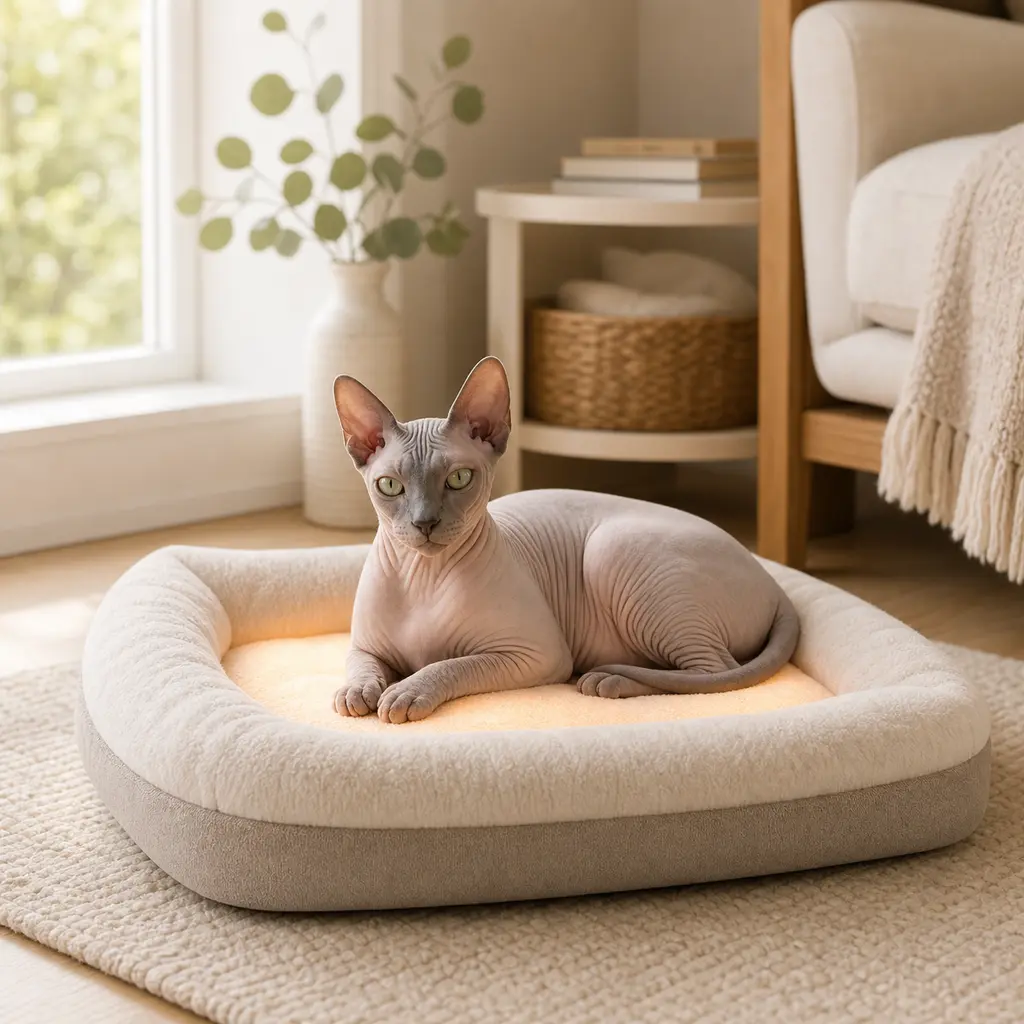
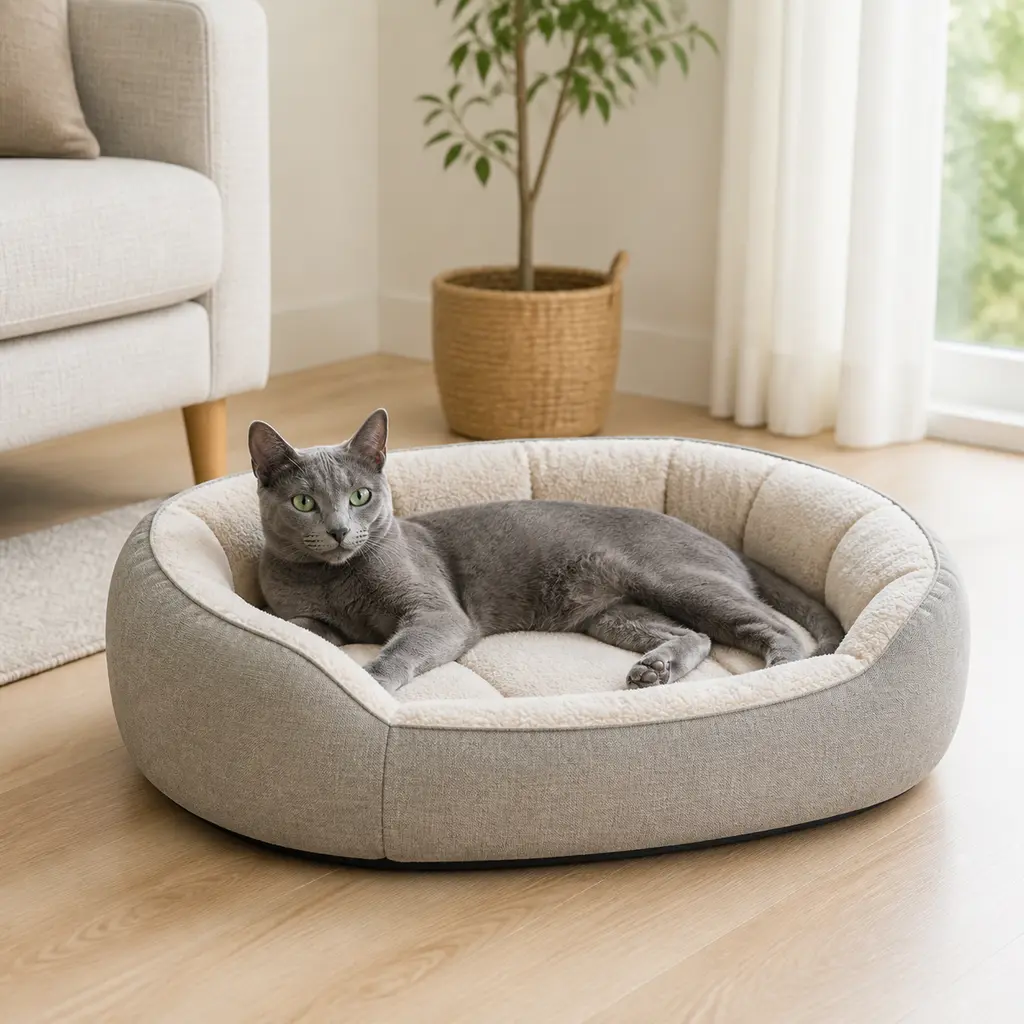
Make the next step easy on joints and predictable for the routine. Lower the entry, shorten the jump, add traction, warm the bed, or schedule the checkup before guessing.
Treat new hesitation as pain information
If the change appeared suddenly, keeps getting worse, or comes with hiding, stiff walking, missed boxes, or less grooming, make the setup easier and call your veterinarian instead of waiting for a bigger sign.
Do not write off sudden senior changes as age. Appetite loss, weight loss, new hiding, pain, falls, litter changes, or confusion deserve a veterinary conversation.
Before you decide
Which jump changed: bed, sofa, window, stairs, or litter route?
Does your cat pause, circle, miss, cry, land hard, or avoid the spot entirely?
Is the floor slippery or is the landing narrow, soft, or unstable?
Any limping, hiding, appetite change, litter miss, stiffness, or sudden personality change?
Next best moves
Add one stable lower route to the favorite spot.
Add traction where paws launch and land.
Call your veterinarian if the hesitation is sudden, painful, one-sided, or getting worse.
Helpful supplies
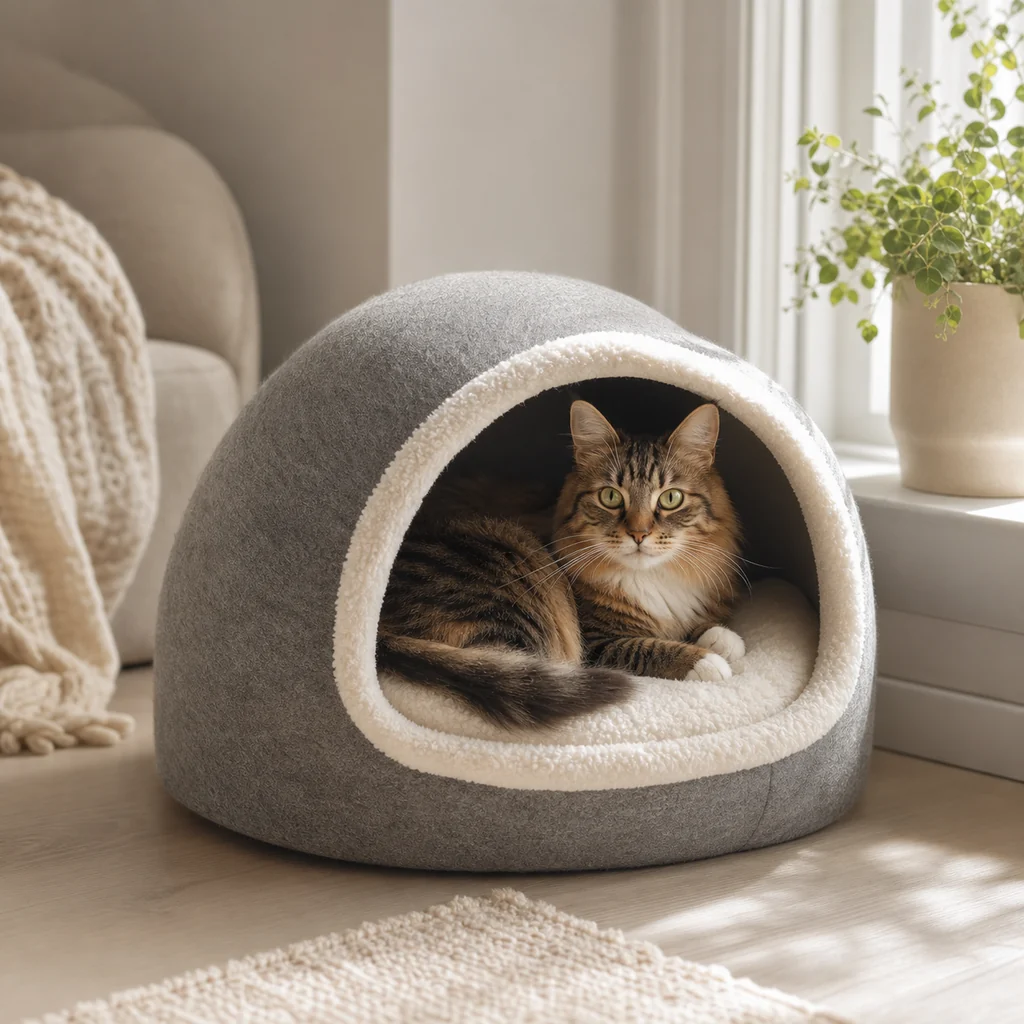
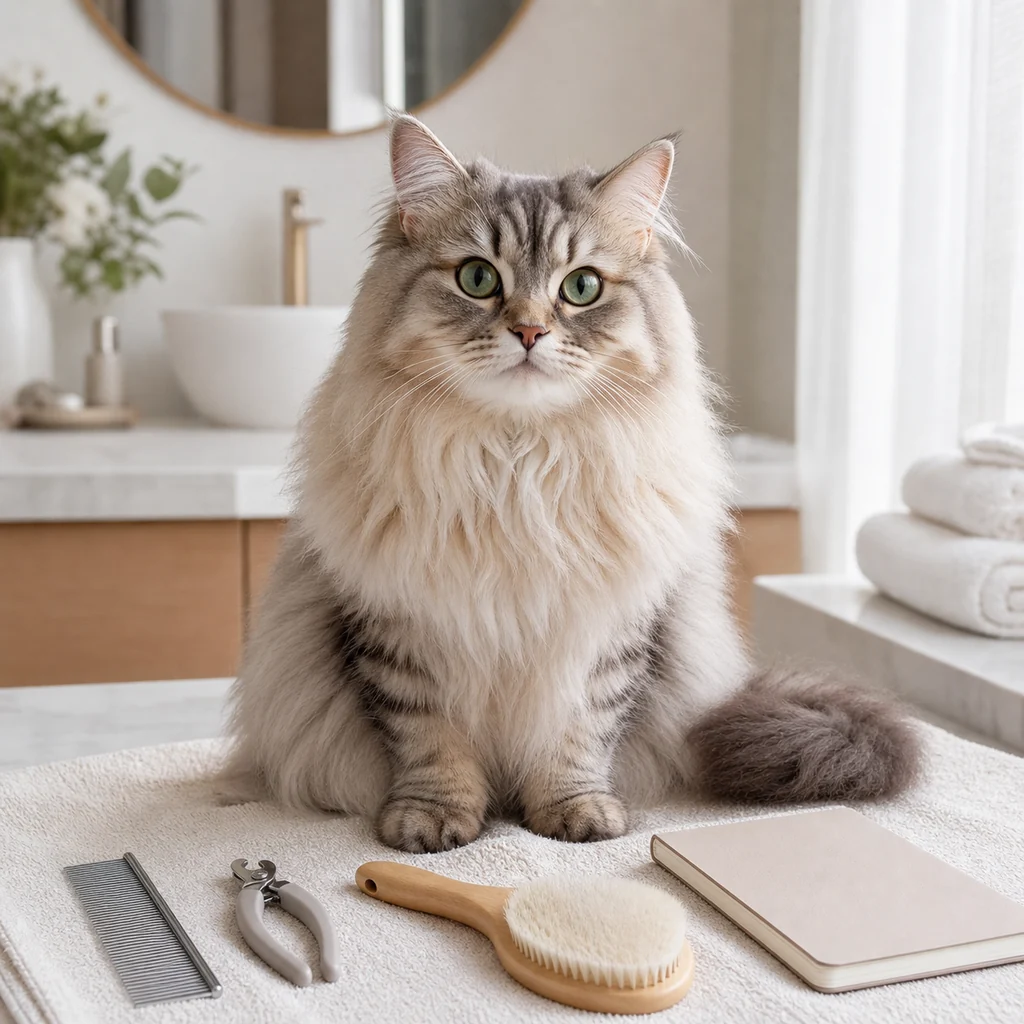
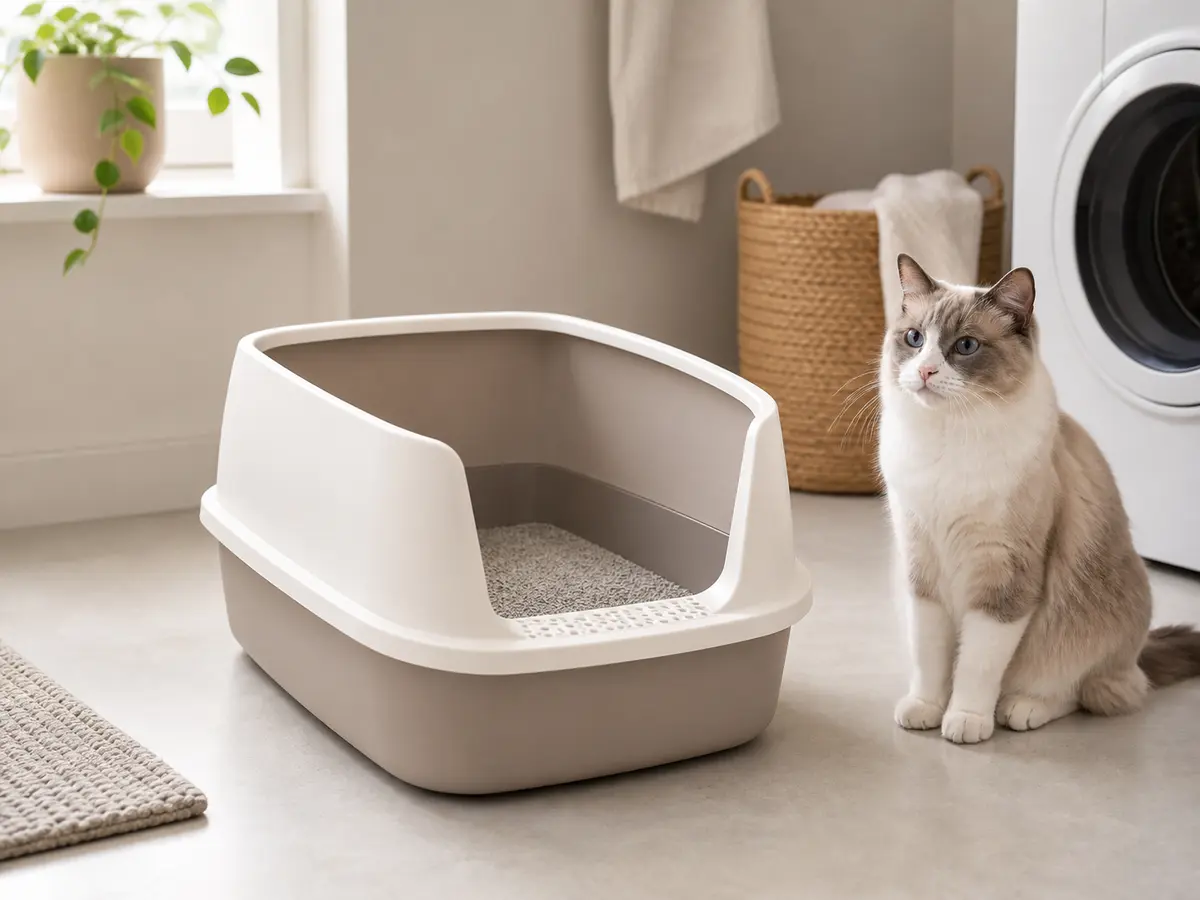
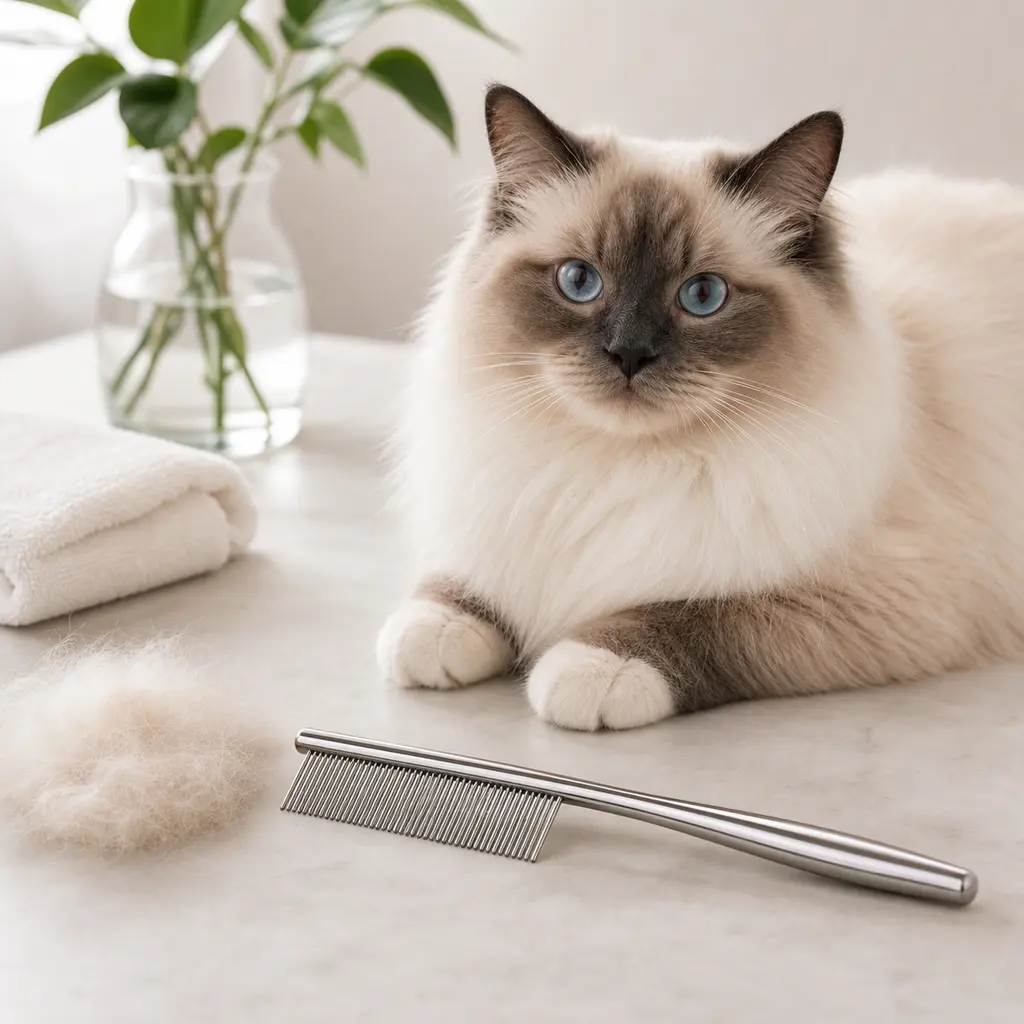
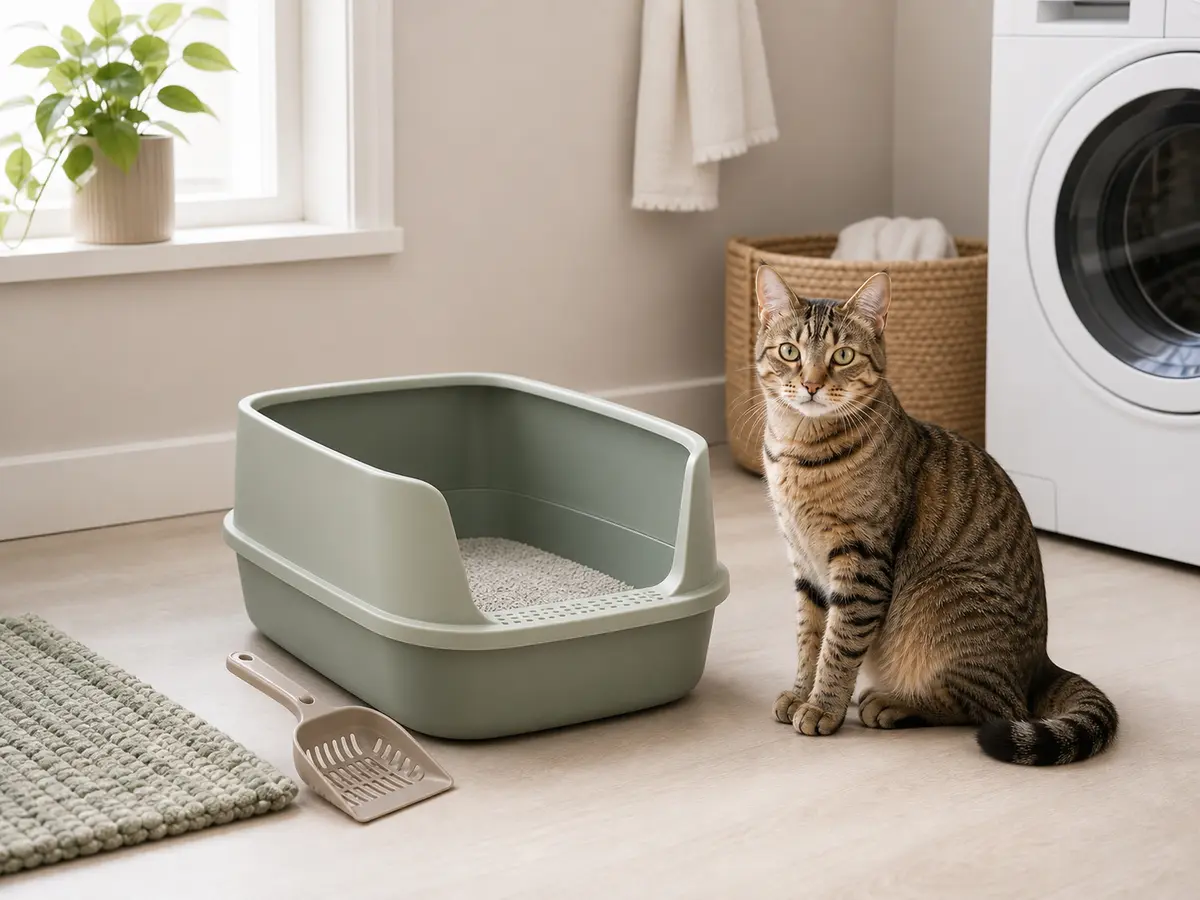
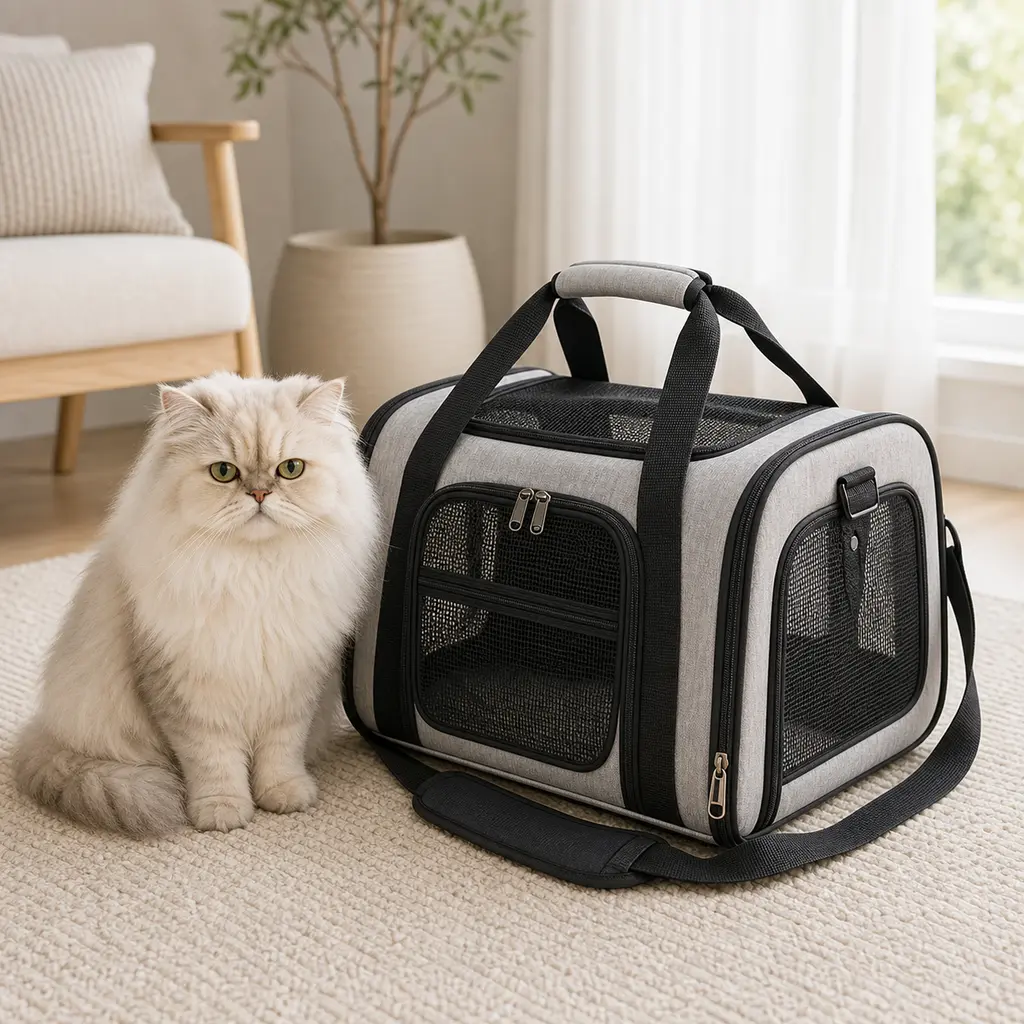
Senior supplies should reduce effort: lower climbs, warmer rest, easier litter access, and gentler coat checks.
Affiliate links: Furball Cove may earn from qualifying purchases at no extra cost to you.
How do I help an older cat who hesitates before jumping?
An older cat who hesitates before jumping may be protecting sore joints, checking a slippery landing, or losing confidence in a jump that used to feel easy.
When should I get help?
Call your veterinarian if hesitation is sudden, one-sided, paired with limping, hiding, appetite change, litter misses, crying, stiffness, or a fall.