My senior cat sleeps more but still eats: what is normal?
A senior cat may sleep more and still be doing well, but it depends on whether weight, appetite amount, water, litter habits, grooming, mobility, and interest in normal routines are stable.
Older cats often enjoy longer rest. The question is whether sleep is the only change, or whether your cat is also quieter, thinner, thirstier, stiffer, or harder to engage.
Compare sleep with the whole day
A longer nap is less concerning when your cat still eats normal amounts, drinks normally, uses the box, grooms, moves comfortably, and has familiar bright moments.
Senior-cat changes deserve a slower read. Compare the new pattern with appetite, weight, litter habits, jumping, grooming, sleep, and whether the room has become harder to use.
Watch what happens after rest
Notice whether your cat wakes easily, stretches normally, seeks food, visits you, watches the room, or seems stiff and slow for a long time after every nap.
Start by comparing today with your cat's normal. A senior cat who changes appetite, litter habits, jumping, grooming, sleep, or social behavior is giving useful information.
Keep weight and water in the same notes
More sleep plus weight loss, bigger urine clumps, more thirst, or a changed appetite is a different pattern than peaceful senior napping.
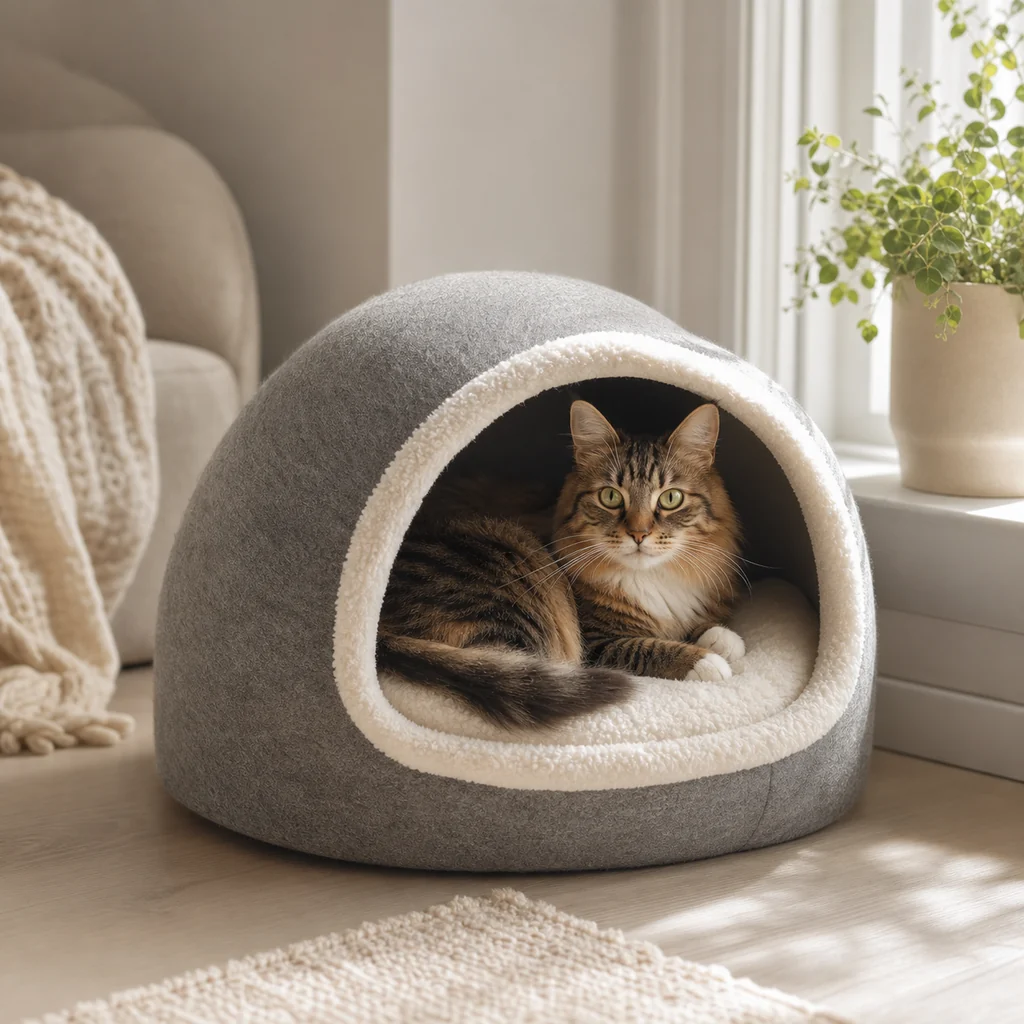
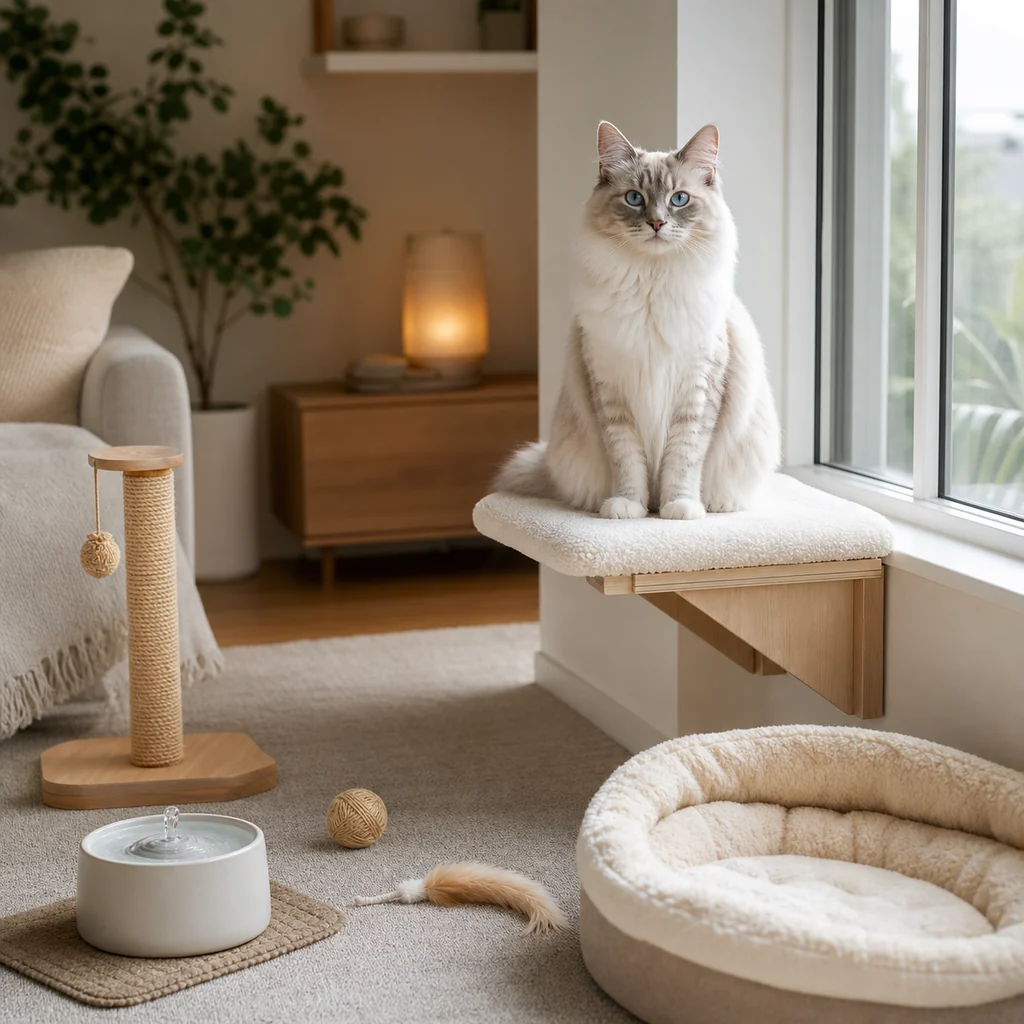
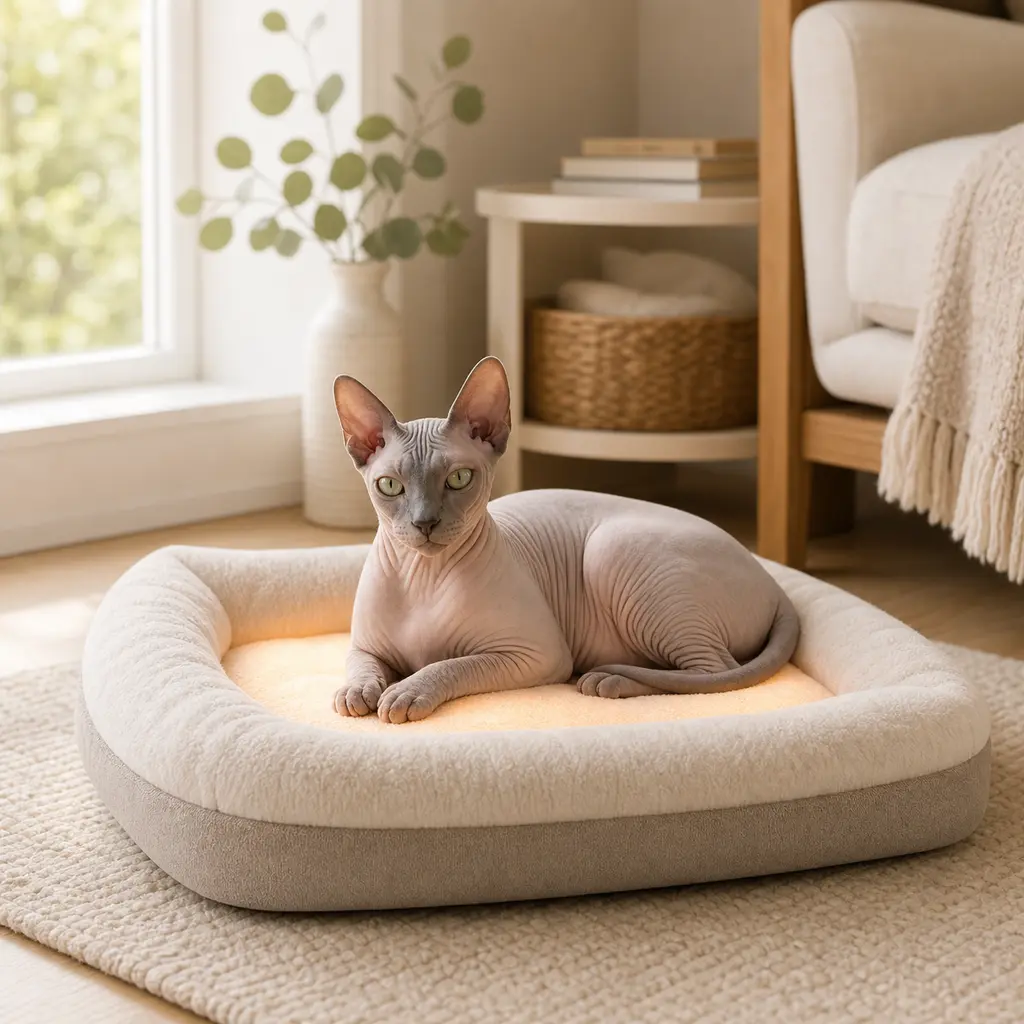
Make the next step easy on joints and predictable for the routine. Lower the entry, shorten the jump, add traction, warm the bed, or schedule the checkup before guessing.
Do not let eating erase every concern
Some cats keep eating while they are still uncomfortable or unwell. If the change feels sudden or stacks with other signs, call your veterinarian with your notes.
Do not write off sudden senior changes as age. Appetite loss, weight loss, new hiding, pain, falls, litter changes, or confusion deserve a veterinary conversation.
Before you decide
Is your cat eating the same amount, not just still eating something?
Are weight, water, urine clumps, stool, grooming, and movement stable?
Does your cat wake easily and still enjoy normal routines?
Was the extra sleep gradual, sudden, or paired with hiding or weakness?
Next best moves
Track sleep, meals, water, litter, grooming, and mobility for a few normal days.
Weigh your cat if you can do it calmly and safely.
Call your veterinarian if sleep changes stack with weight, appetite, thirst, litter, pain, or weakness changes.
Quick cat question
My senior cat sleeps more but still eats: what is normal?
A senior cat may sleep more and still be doing well, but it depends on whether weight, appetite amount, water, litter habits, grooming, mobility, and interest in normal routines are stable.
When should I get help?
Call your veterinarian if extra sleep is sudden, paired with weight loss, appetite change, thirst, litter changes, weakness, hiding, pain, breathing changes, vomiting, or poor grooming.