Why is my senior cat yowling in the hallway at night?
Night hallway yowling in a senior cat can come from confusion, discomfort, hearing or vision changes, routine disruption, or illness, especially when it is new or escalating.
The useful clues are timing, body language, whether your cat can settle after you respond, and whether appetite, litter, mobility, or sleep has changed too.
Write down the night pattern
Note the time, room, sound, and what your cat does next. Yowling at the same hallway corner every night is a different clue from wandering, pacing, or calling after everyone goes to bed.
Make the next step easy on joints and predictable for the routine. Lower the entry, shorten the jump, add traction, warm the bed, or schedule the checkup before guessing.
Make the route easier to read
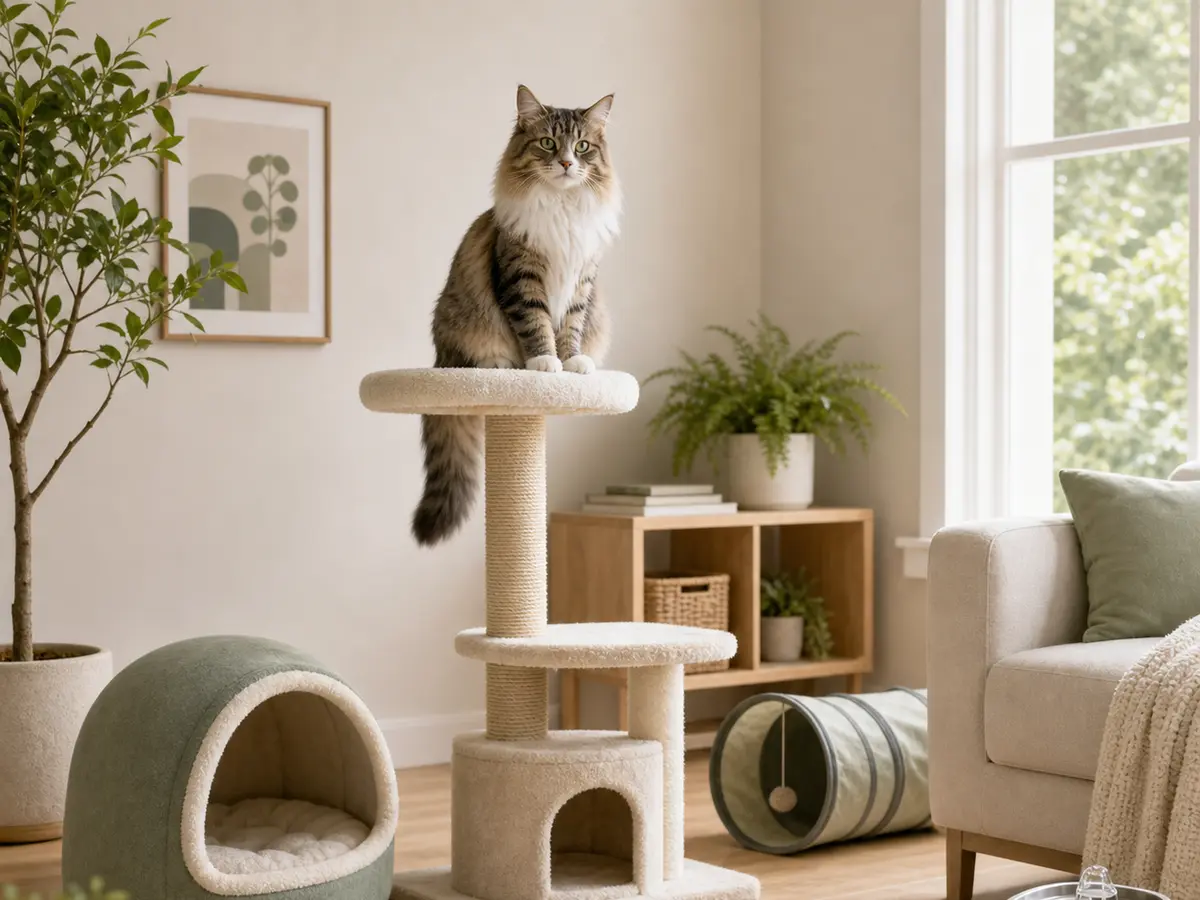
Keep the path to food, water, litter, and favorite beds predictable. A small night light, open door, or clear hallway can help a senior cat who seems unsure after dark.
Senior-cat changes deserve a slower read. Compare the new pattern with appetite, weight, litter habits, jumping, grooming, sleep, and whether the room has become harder to use.
Offer a warm landing spot nearby
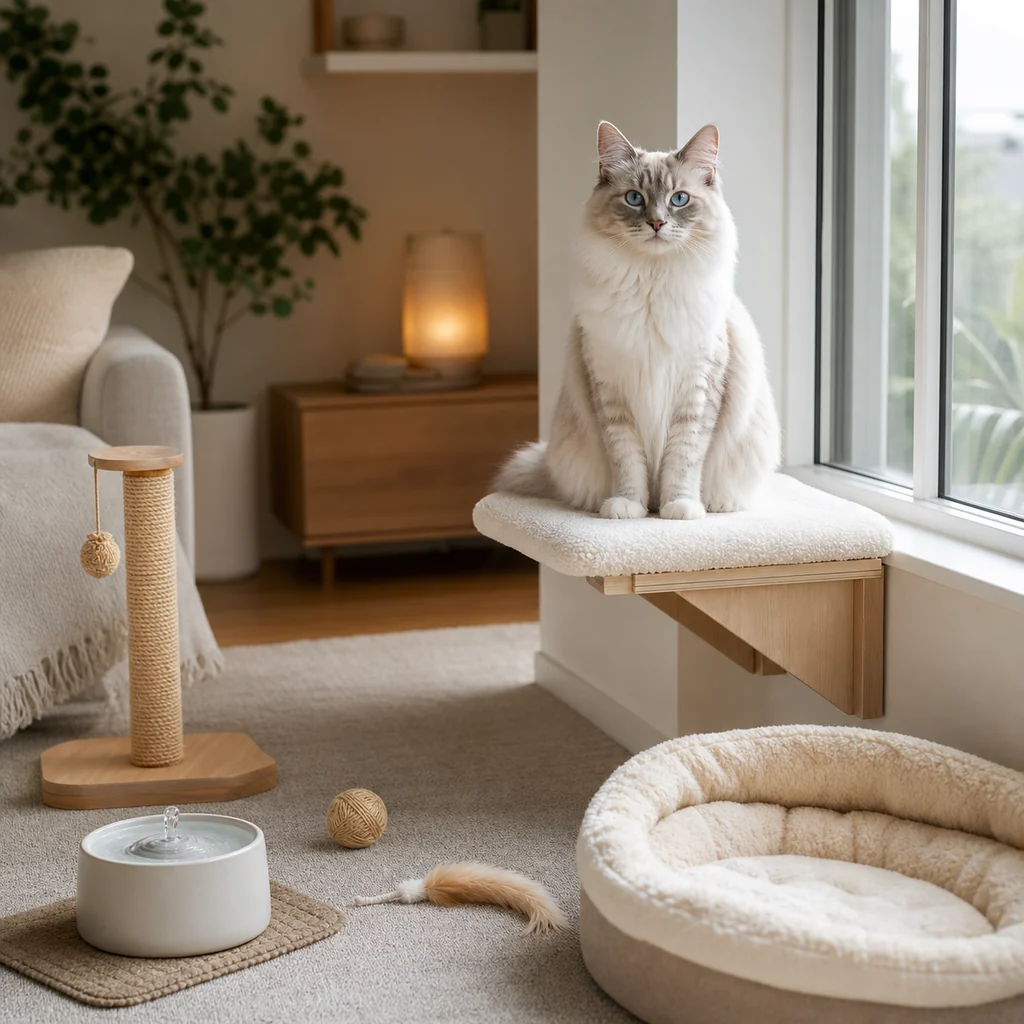
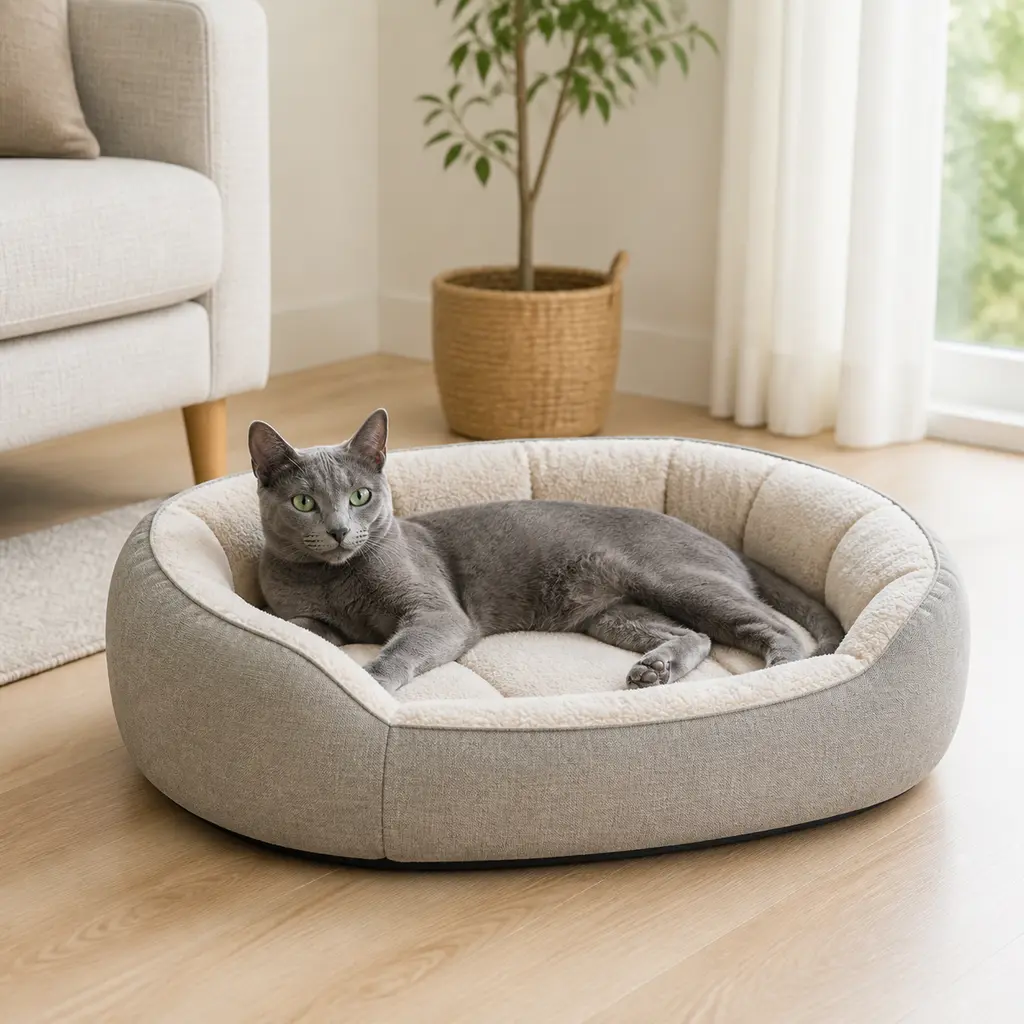
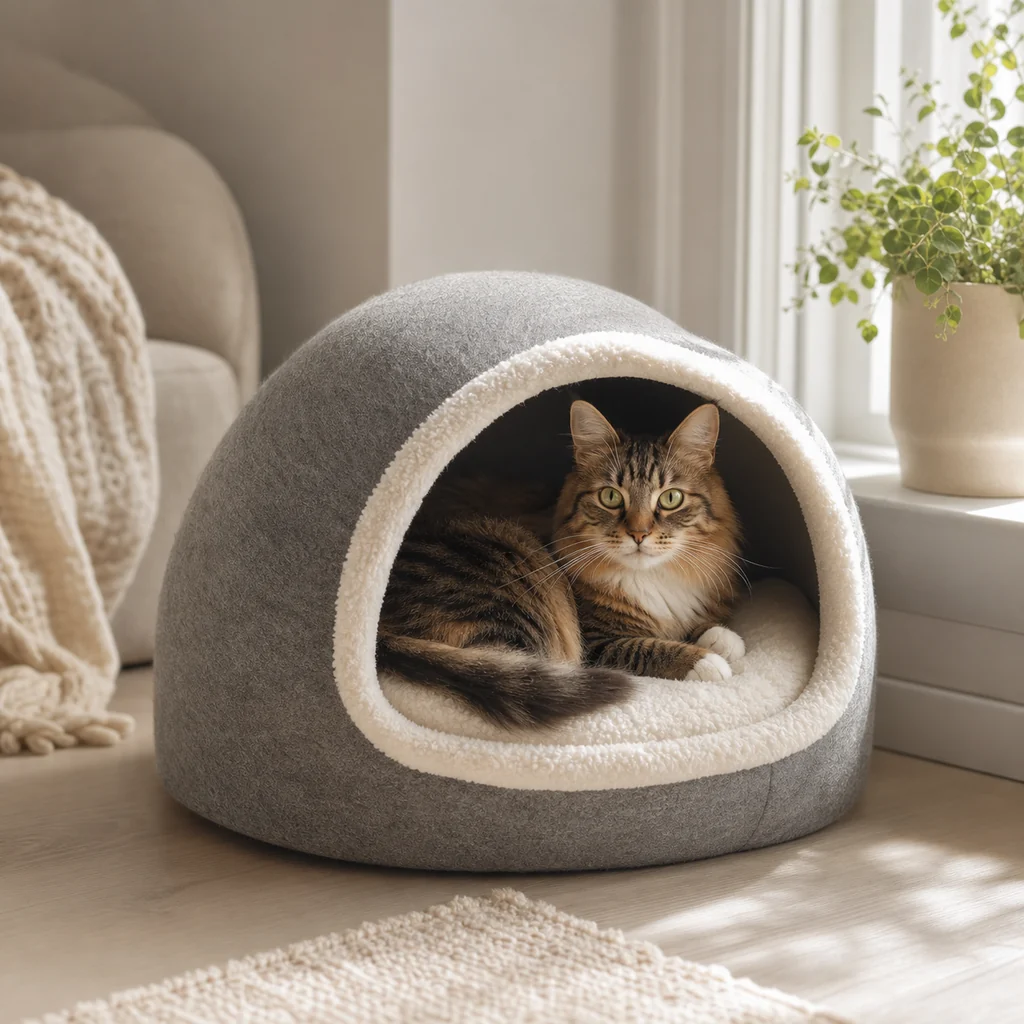
Some older cats call because they want company but cannot comfortably reach the bed or sofa anymore. A reachable bed near you can be kinder than asking for one more jump.
Start by comparing today with your cat's normal. A senior cat who changes appetite, litter habits, jumping, grooming, sleep, or social behavior is giving useful information.
Do not blame age without checking health
New vocalizing can stack with pain, blood pressure, thyroid, hearing, vision, or cognitive changes. You do not have to diagnose it, but you should bring the pattern to your veterinarian.
Do not write off sudden senior changes as age. Appetite loss, weight loss, new hiding, pain, falls, litter changes, or confusion deserve a veterinary conversation.
Before you decide
Is the yowling new, louder, or happening at the same time each night?
Does your cat seem confused, restless, painful, hungry, thirsty, or unable to settle?
Can your cat easily reach the bed, litter box, food, and water after dark?
Any weight, appetite, litter, mobility, vision, hearing, or grooming changes?
Next best moves
Write down timing, location, and what helps your cat settle.
Make nighttime routes clearer and favorite rest spots easier to reach.
Call your veterinarian if the yowling is new, escalating, or paired with health changes.
Quick cat question
Why is my senior cat yowling in the hallway at night?
Night hallway yowling in a senior cat can come from confusion, discomfort, hearing or vision changes, routine disruption, or illness, especially when it is new or escalating.
When should I get help?
Call your veterinarian if night yowling is new, louder, repeated, paired with pacing, confusion, pain, appetite change, thirst change, litter changes, weight loss, or weakness.