Updated
Small mammal food safety
Can Small Mammals Eat Acorn Squash?
Species-specific
A tiny plain piece of acorn squash can fit some small-mammal diets, but it is not a daily food. Skip it for chinchillas and ferrets.
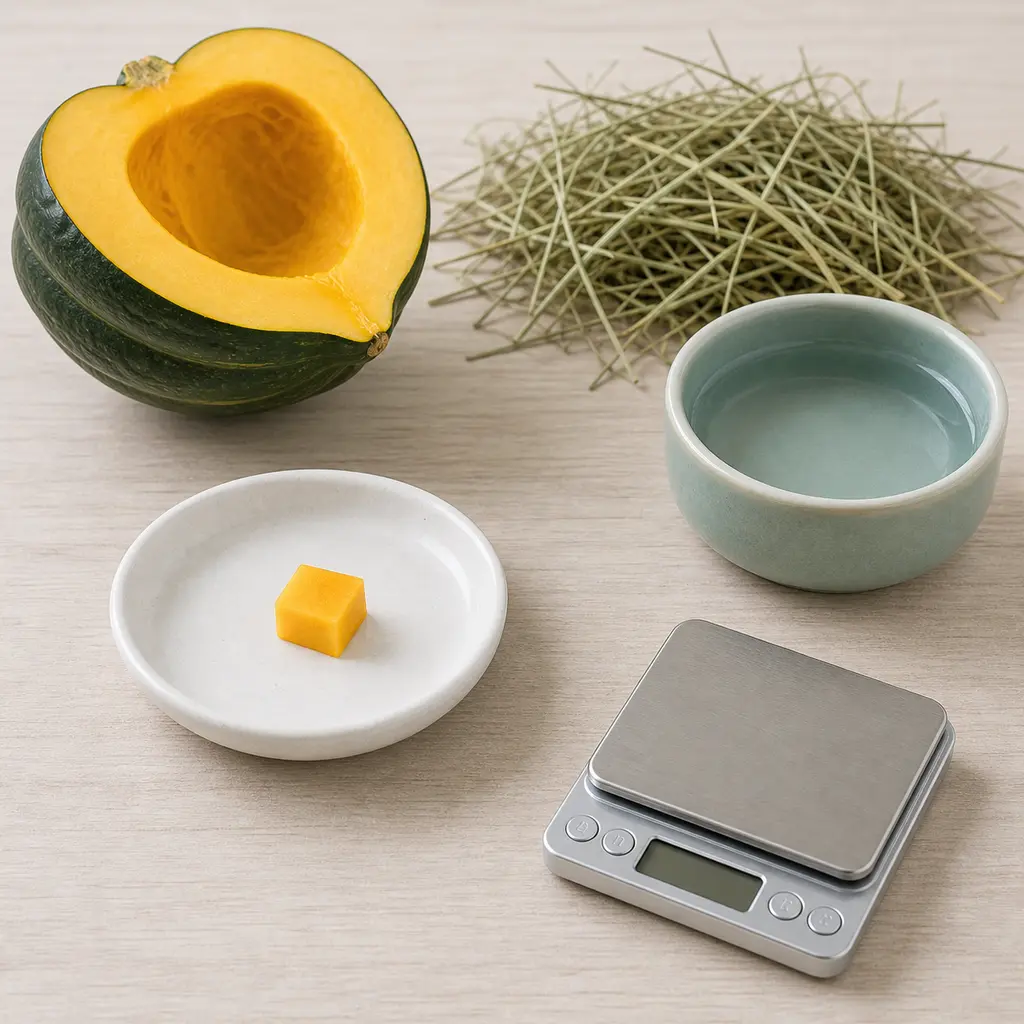 Acorn squash
Guinea pigs
Check the item
Acorn squash may fit in small guinea-pig portions if the item is appropriate; hay and vitamin C still do the daily work.
Syrian and dwarf hamsters
Tiny piece
Acorn squash should be a tiny plain piece for hamsters, then hoards should be checked so wet food does not spoil.
Rats
Small portion
Acorn squash can be a small plain portion for rats alongside a rat-appropriate staple.
Mice
Tiny portion
Acorn squash should be a tiny piece for mice if appropriate, with leftovers removed before they sour or get guarded.
Gerbils
Small amount
Acorn squash should be a small dry-leaning portion for gerbils, with stool, appetite, and hoarding watched.
Chinchillas
Usually avoid fresh vegetables
Usually avoid fresh acorn squash for chinchillas because rich or wet extras can disrupt a hay-centered routine.
Ferrets
Not useful food
Do not feed acorn squash as ferret food. Ferrets are carnivores and should not get vegetable bowls.
Use it as an extra
Acorn squash is a moist, starchy vegetable. It belongs in tiny test portions, not as a bowl of fresh food.
Check cleanup
Hamsters, mice, and gerbils may store pieces. Look through hoards so wet food does not spoil in bedding.
How to offer it
- Use plain raw or cooked-and-cooled acorn squash with no butter, salt, oil, sugar, spices, or sauce.
- Remove seeds, stringy center, and tough rind before offering a tiny piece.
- Take leftovers out before they sour, dry onto bedding, or get stored in a hoard.
Avoid
- Seasoned roasted squash, squash soup, pie filling, buttered pieces, salted pieces, seeds, rind, or spoiled squash.
- Fresh extras when appetite, stool, droppings, or energy are already abnormal.
- Using squash to tempt an animal that is eating less or producing fewer droppings.
Watch
- Stop and call an exotic-pet veterinarian if appetite drops, droppings or stool change, bloating appears, or the animal becomes quiet.
- For guinea pigs, chinchillas, or any weak animal, reduced eating or fewer droppings is urgent.
Portion
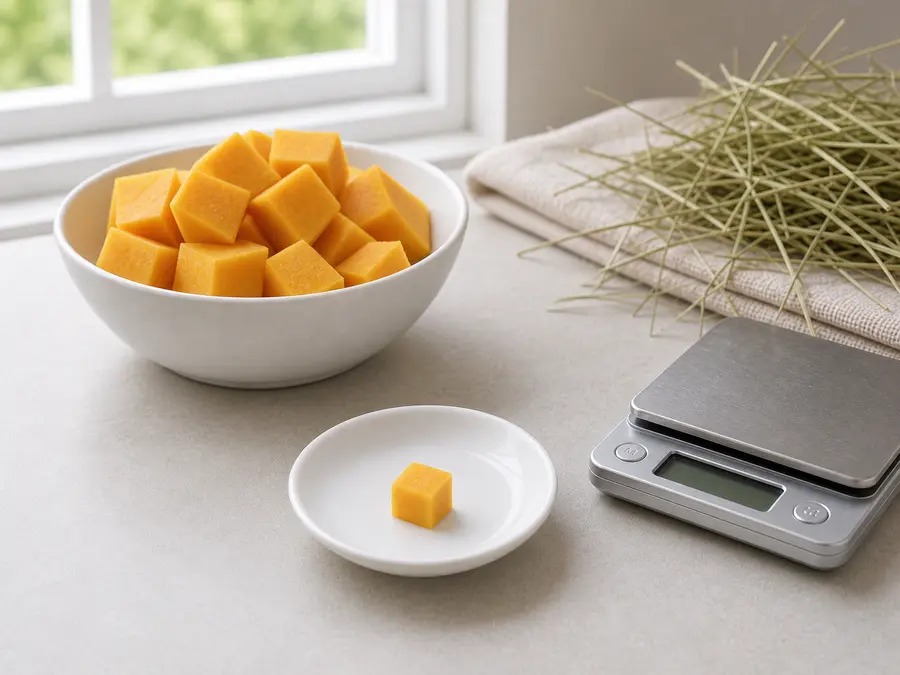
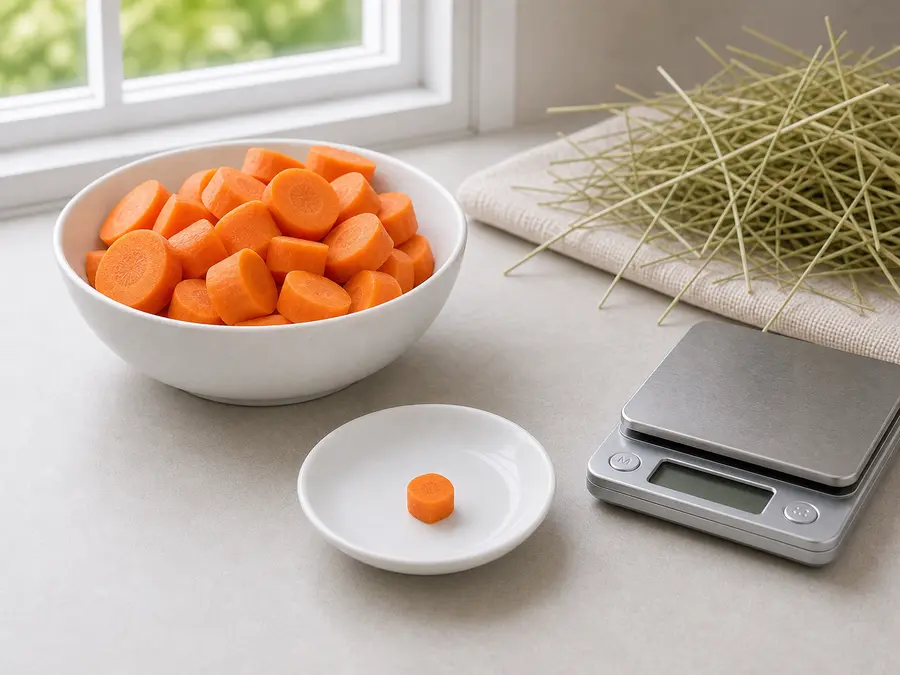
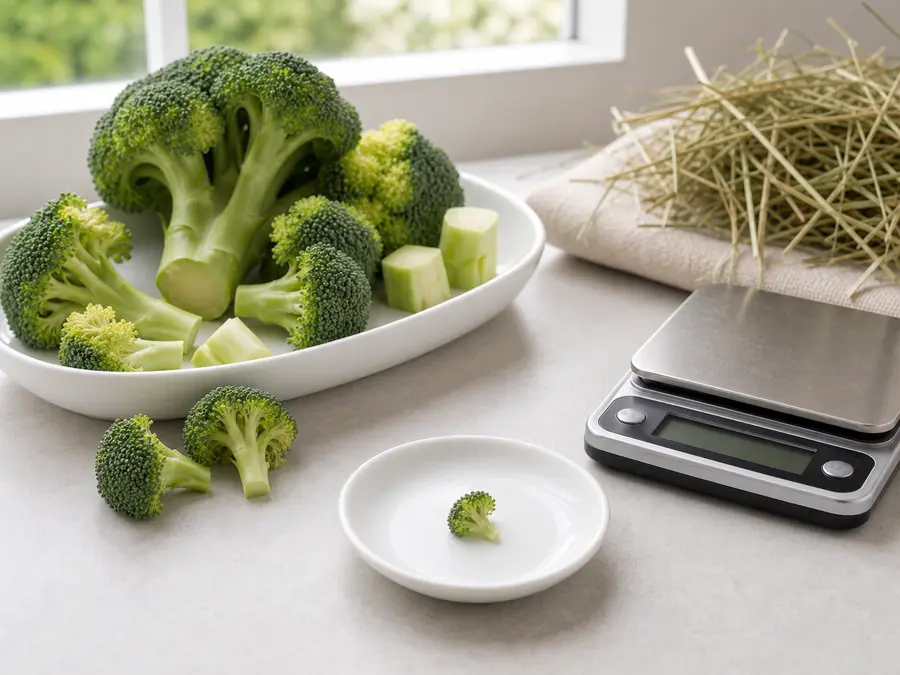
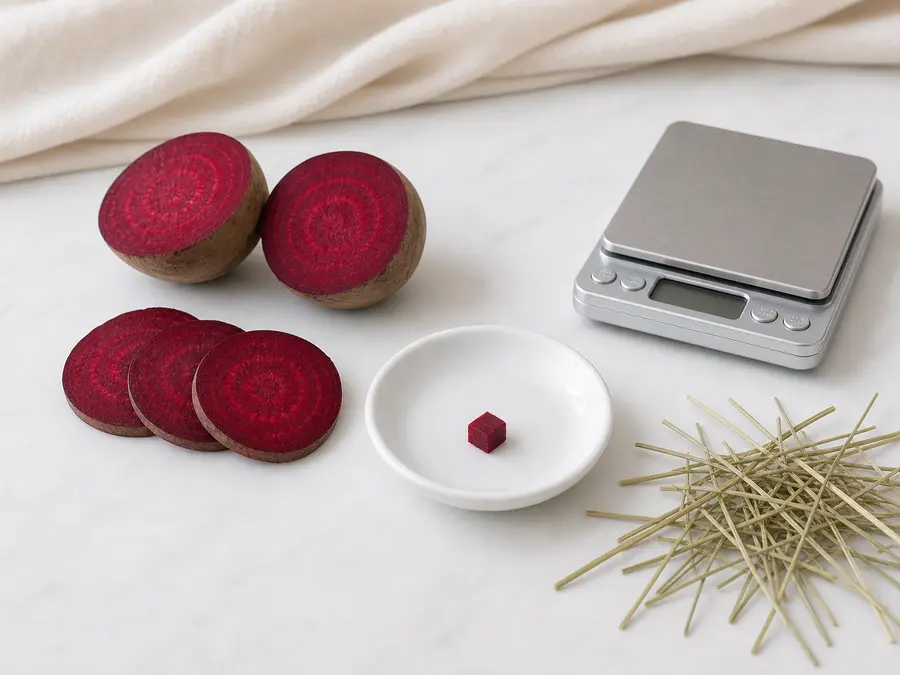
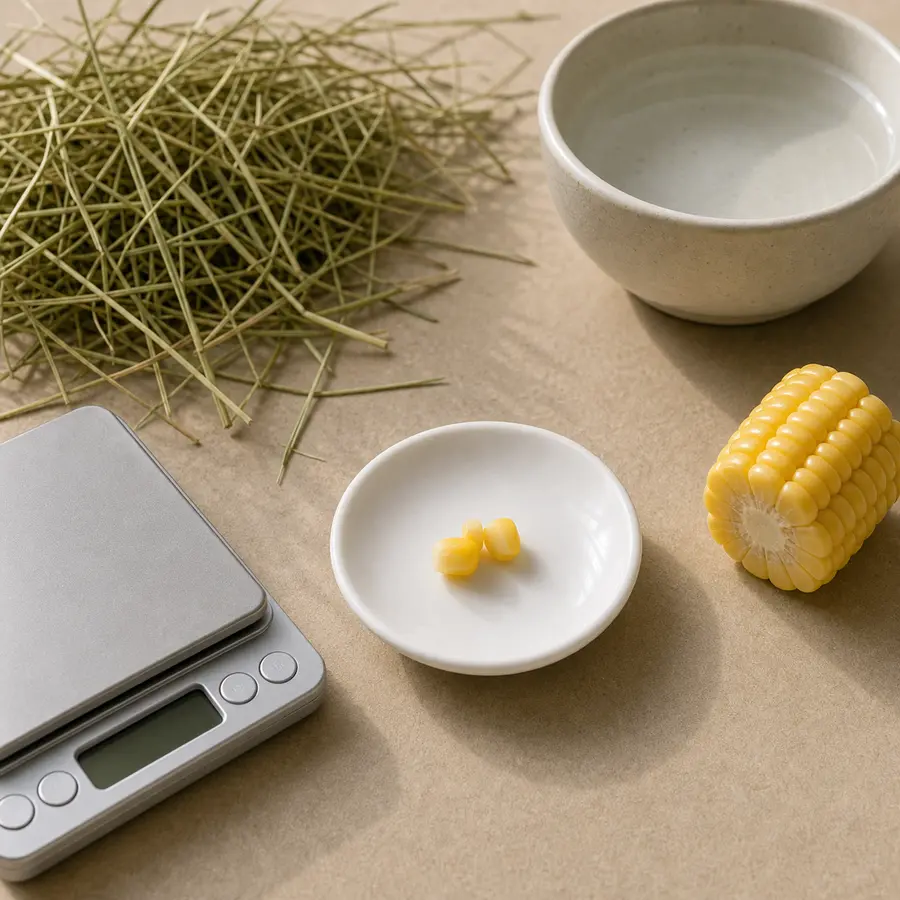
Use a pea-size or smaller plain piece. Remove seeds, stringy center, rind, and leftovers before they dry out or get hidden.
Helpful food-safety supplies
Optional tools for measuring, storing, serving, and cleaning up small portions safely.
Affiliate links: Furball Cove may earn from qualifying purchases at no extra cost to you.