Updated
Small mammal food safety
Can Small Mammals Eat Beetroot?
Species-specific
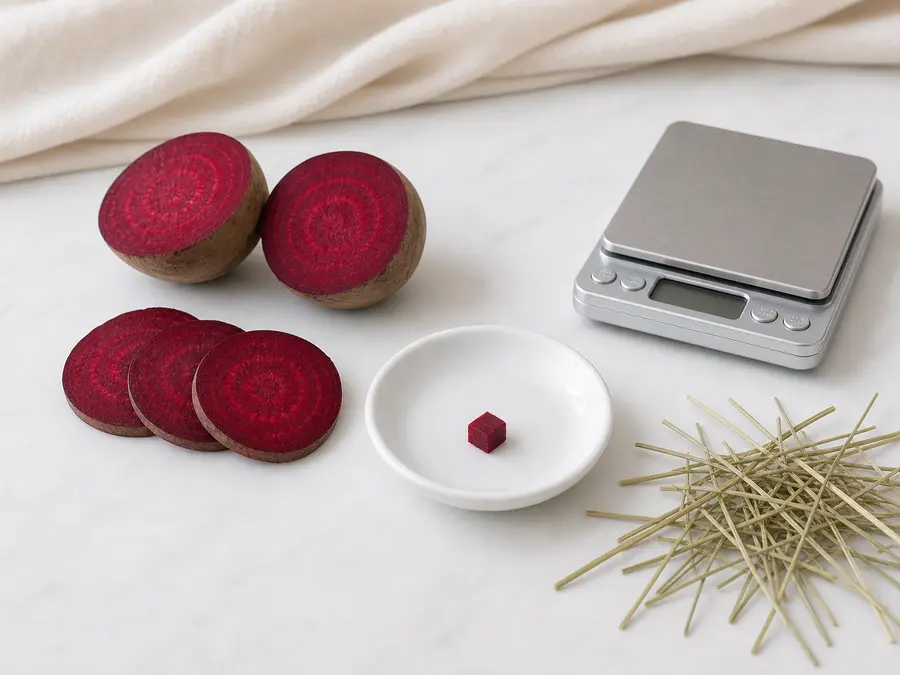
A tiny plain beetroot piece can be an occasional vegetable extra for some guinea pigs, rats, hamsters, mice, or gerbils. It is sweet and staining, so keep it rare. Chinchillas and ferrets should skip it.
 Beetroot
Guinea pigs
Tiny rare piece
A guinea pig may have a tiny plain beetroot piece rarely, but hay and vitamin C foods should stay more important.
Syrian and dwarf hamsters
Tiny crumb
A hamster may have only a crumb-size plain beetroot piece. Dwarf or weight-prone hamsters may be better skipping it.
Rats
Small rare piece
A rat may have a small plain beetroot piece if the normal diet, body condition, and stool stay steady.
Mice
Tiny crumb
A mouse needs only a tiny plain crumb. Remove leftovers before they stain bedding or get guarded.
Gerbils
Rare tiny piece
A gerbil should get beetroot rarely and in a tiny plain piece because a drier routine usually works better.
Chinchillas
Skip roots
Skip beetroot for chinchillas; sweet moist roots are a poor fit for a hay-centered digestive routine.
Ferrets
Do not feed
Do not feed beetroot to ferrets. Ferrets need meat-based food, not root vegetables.
Expect staining
Beetroot can stain bedding, fur, urine, or droppings red. Straining, pain, true blood, low appetite, or quiet behavior still needs a veterinarian.
Keep it rare
Beetroot is sweeter and wetter than many vegetables. It should not become a daily fresh-food habit.
Keep it plain
- Use washed plain beetroot, raw or cooked-and-cooled, with no salt, oil, vinegar, sugar, butter, or seasoning.
- Cut one tiny piece and put the rest away.
- Remove leftovers quickly because beetroot stains bedding and spoils like other moist vegetables.
Avoid
- Pickled beets, canned beets with salt, roasted beets with oil, beet salads, beet juice, sweetened beets, or spoiled beetroot.
- Large portions, daily beetroot, or beetroot when appetite, stool, droppings, or energy are already abnormal.
- Beetroot for chinchillas or ferrets unless an exotic-pet veterinarian gives a specific plan.
Watch
- Stop and call an exotic-pet veterinarian if appetite drops, droppings or stool change, bloating appears, or the animal becomes quiet.
- For guinea pigs, chinchillas, or any weak animal, reduced eating or fewer droppings is urgent.
Portion
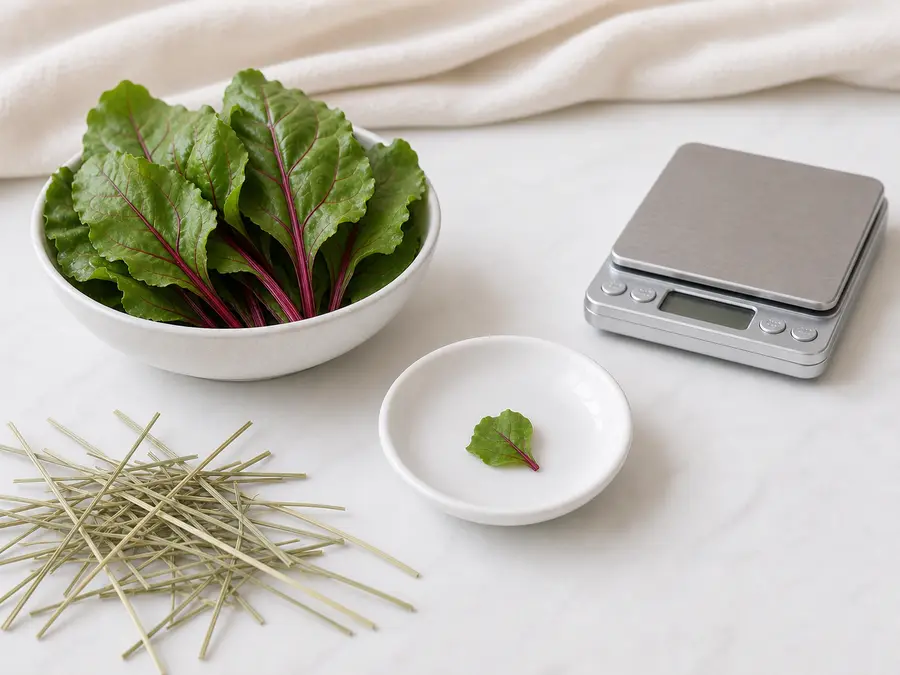
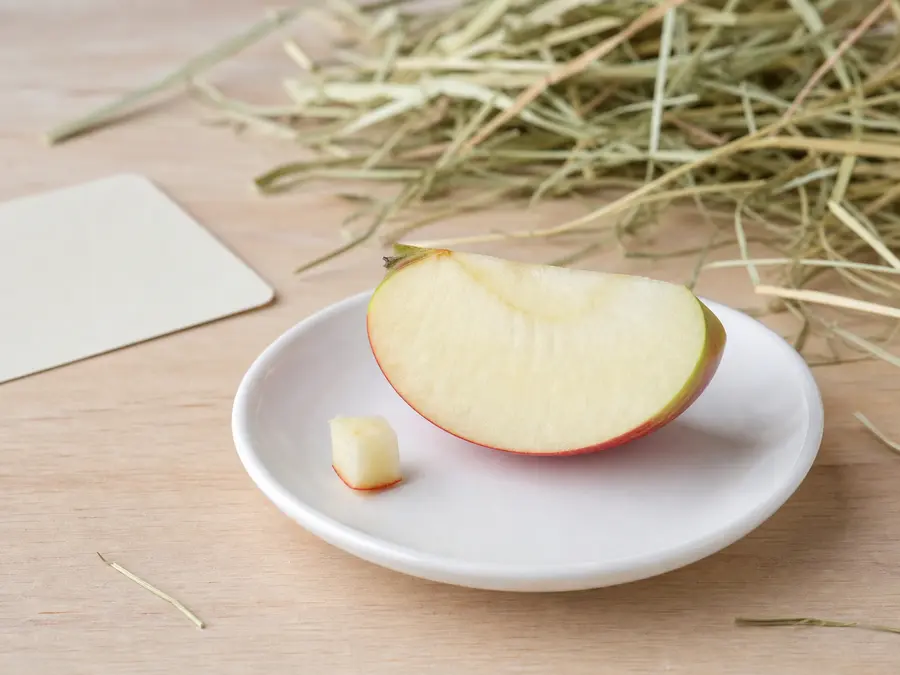
Use a pea-size or smaller piece for guinea pigs or rats. For hamsters, mice, or gerbils, use a crumb-size piece.
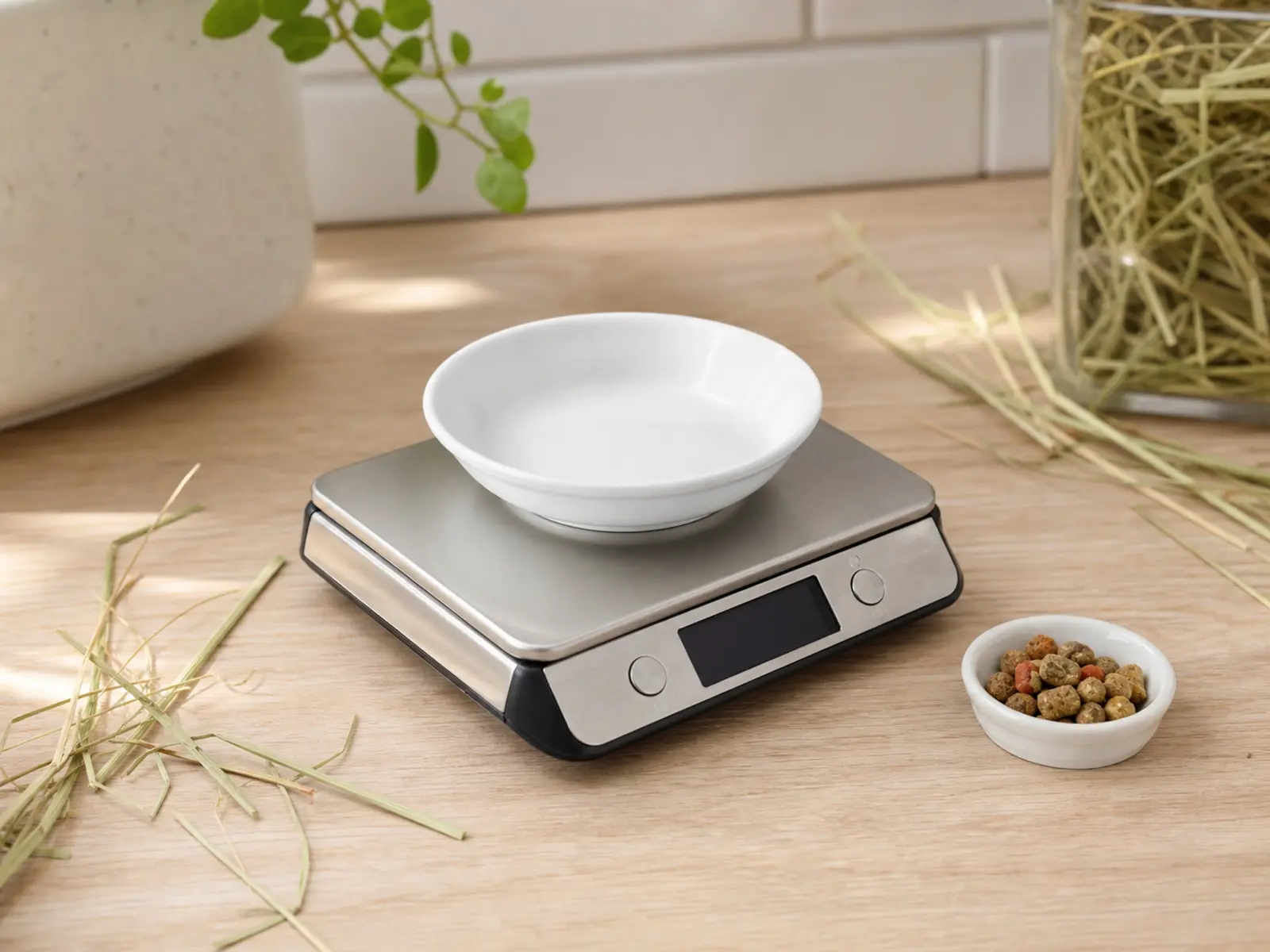
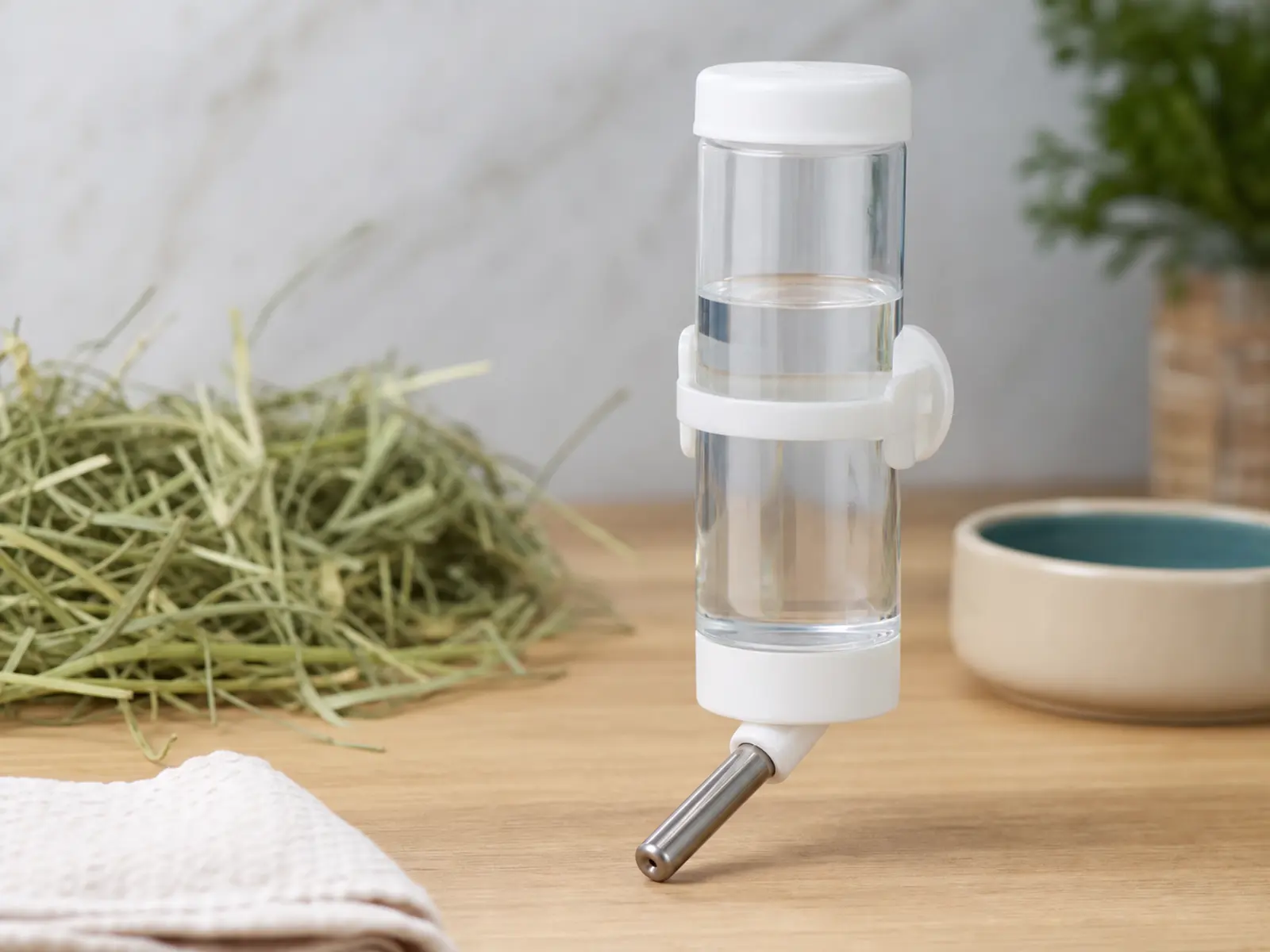
Helpful food-safety supplies
Optional tools for measuring, storing, serving, and cleaning up small portions safely.
Affiliate links: Furball Cove may earn from qualifying purchases at no extra cost to you.