Updated
Small mammal food safety
Can Small Mammals Eat Corn?
Species-specific
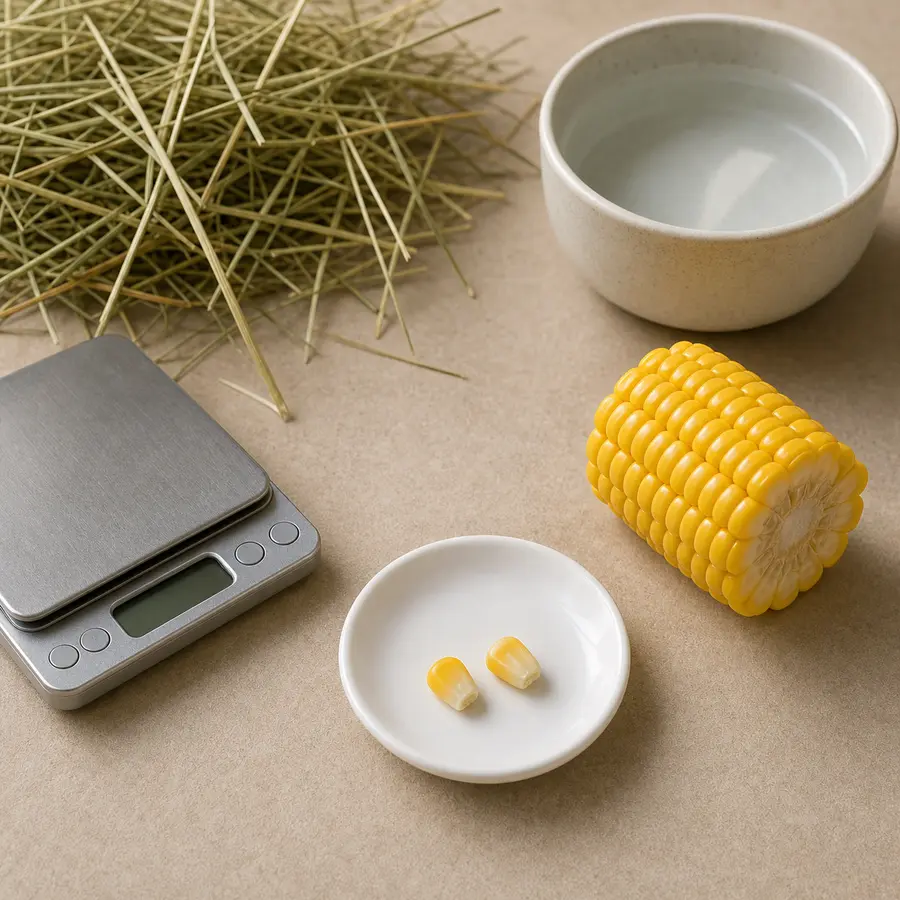
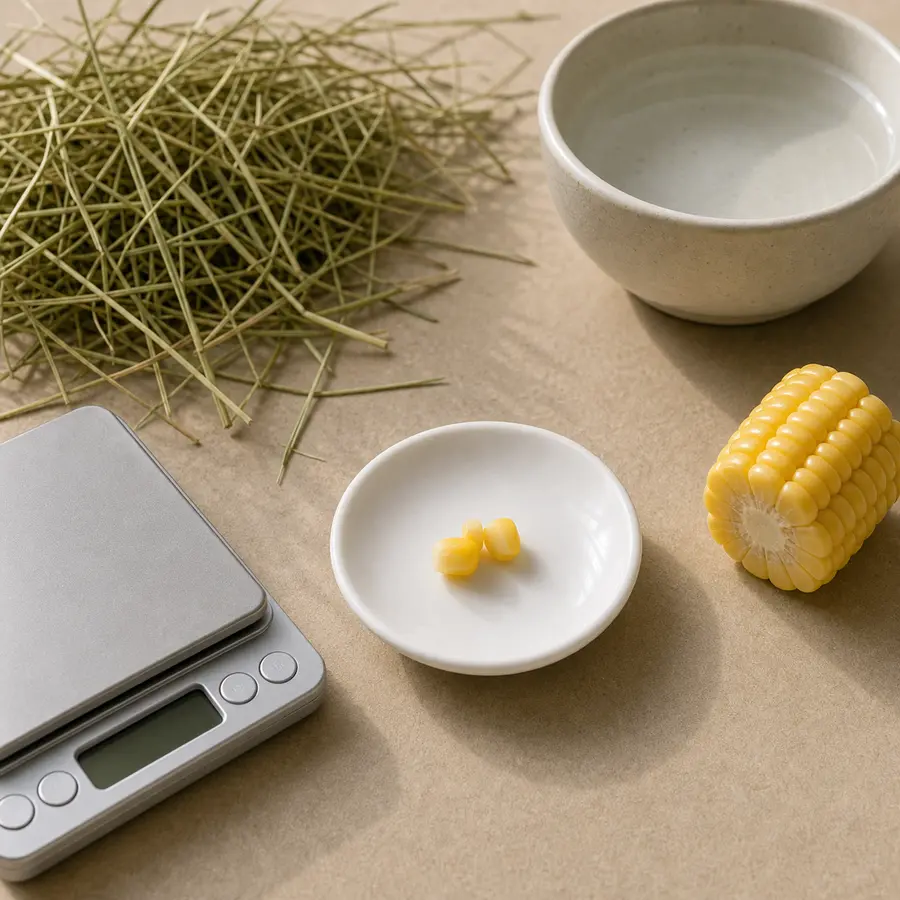
A tiny plain fresh corn kernel can be an occasional sweet starch extra for healthy guinea pigs, hamsters, rats, mice, or gerbils. Chinchillas and ferrets should skip it.
 Corn
CornGuinea pigs
Tiny kernel
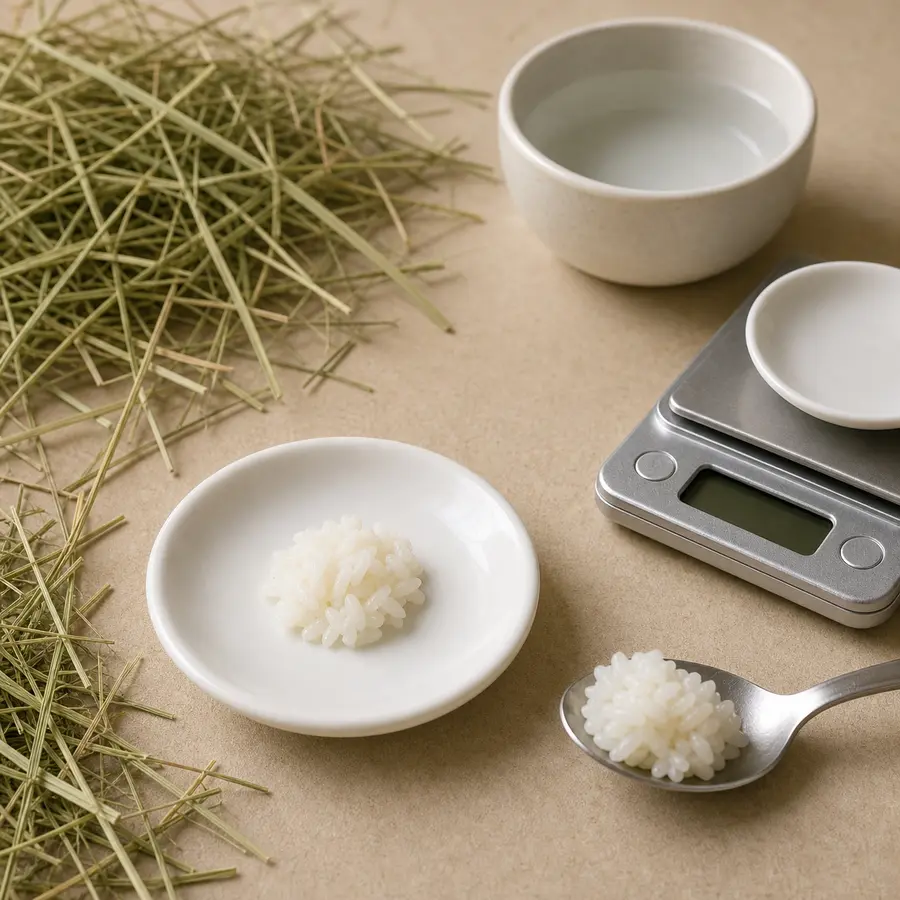
A guinea pig may have a tiny plain fresh corn kernel occasionally, but hay and vitamin C foods stay central.
Syrian and dwarf hamsters
Tiny kernel
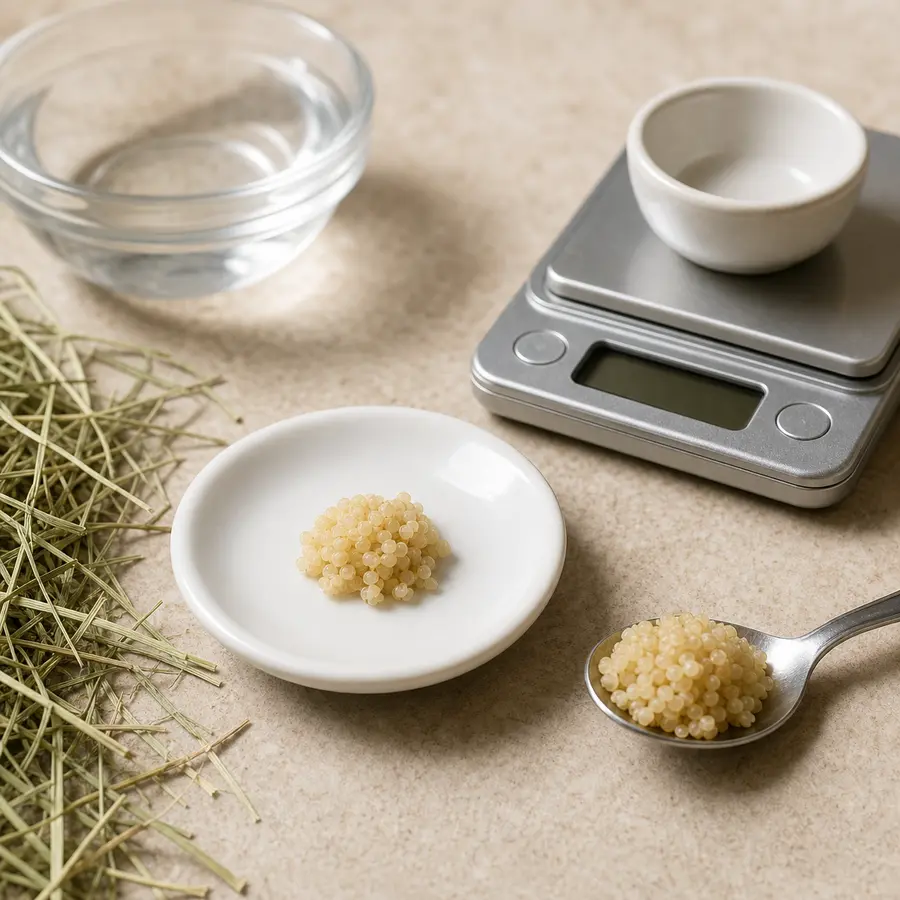
A healthy hamster may have a tiny plain kernel rarely. Check the hoard afterward.
Rats
One or two kernels
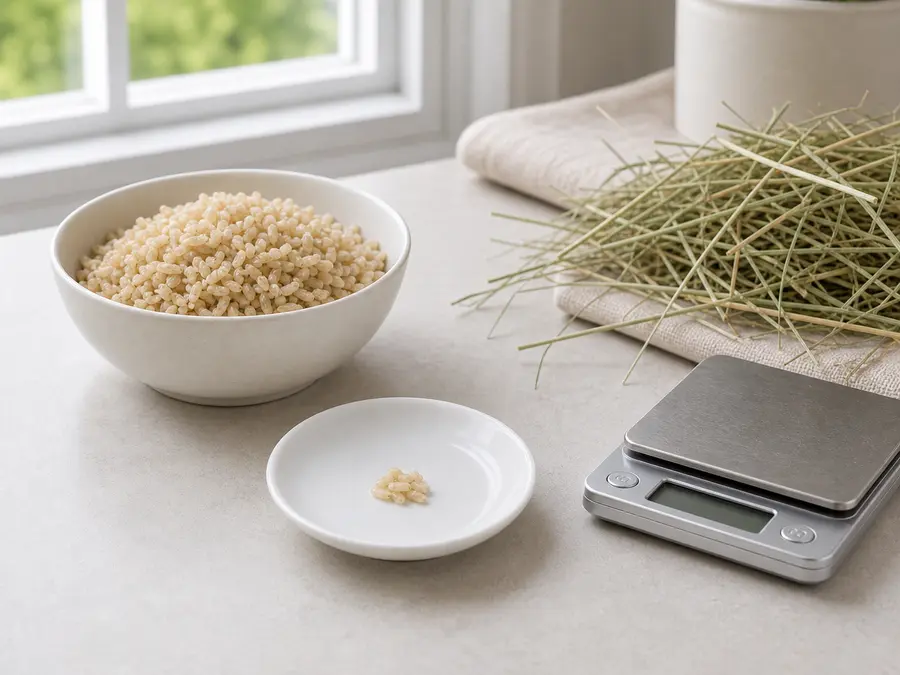
A rat may have one or two tiny plain kernels occasionally if body condition and stool stay steady.
Mice
Kernel piece
A mouse needs only a kernel piece. Corn is easy to overdo at mouse size.
Gerbils
Kernel piece
A gerbil may have a kernel piece rarely, but dry balanced food stays central.
Chinchillas
Skip corn
Do not feed corn to chinchillas. Sweet starchy kernels are a poor fit for hay-centered digestion.
Ferrets
Do not feed
Do not feed corn to ferrets. Ferrets need meat-based food, not plant starch treats.
Sweet starch, not a vegetable base
Corn behaves more like a sweet starch extra than a leafy green. Keep it tiny and occasional.
Hard or processed corn changes the answer
Dried kernels, popcorn, chips, canned corn, buttered corn, and cob pieces are different risks.
Fresh kernels only
- Use a plain fresh corn kernel with no butter, salt, oil, seasoning, sauce, or cob chunk.
- Cut the amount down for tiny animals; corn is sweet and starchy.
- Remove leftovers before they dry, sour, or get hidden in bedding.
Avoid
- Butter, salt, oil, seasoning, canned corn, creamed corn, corn chips, popcorn, dried hard kernels, moldy corn, cob chunks, and large piles.
- Corn for chinchillas, ferrets, or any animal with appetite, stool, weight, dental, urinary, or digestive concerns.
- Letting corn replace hay, staple food, fresh water, or a needed vet call.
Watch
- Reduced appetite, fewer droppings, soft stool, gas, bloating, quietness, or corn hidden in bedding.
- Call an exotic-pet veterinarian promptly for a guinea pig, chinchilla, weak animal, or animal that eats less or produces fewer droppings.
Portion
Guinea pigs, rats, or hamsters: one or two tiny kernels. Mice or gerbils: a kernel piece. Chinchillas and ferrets: none.
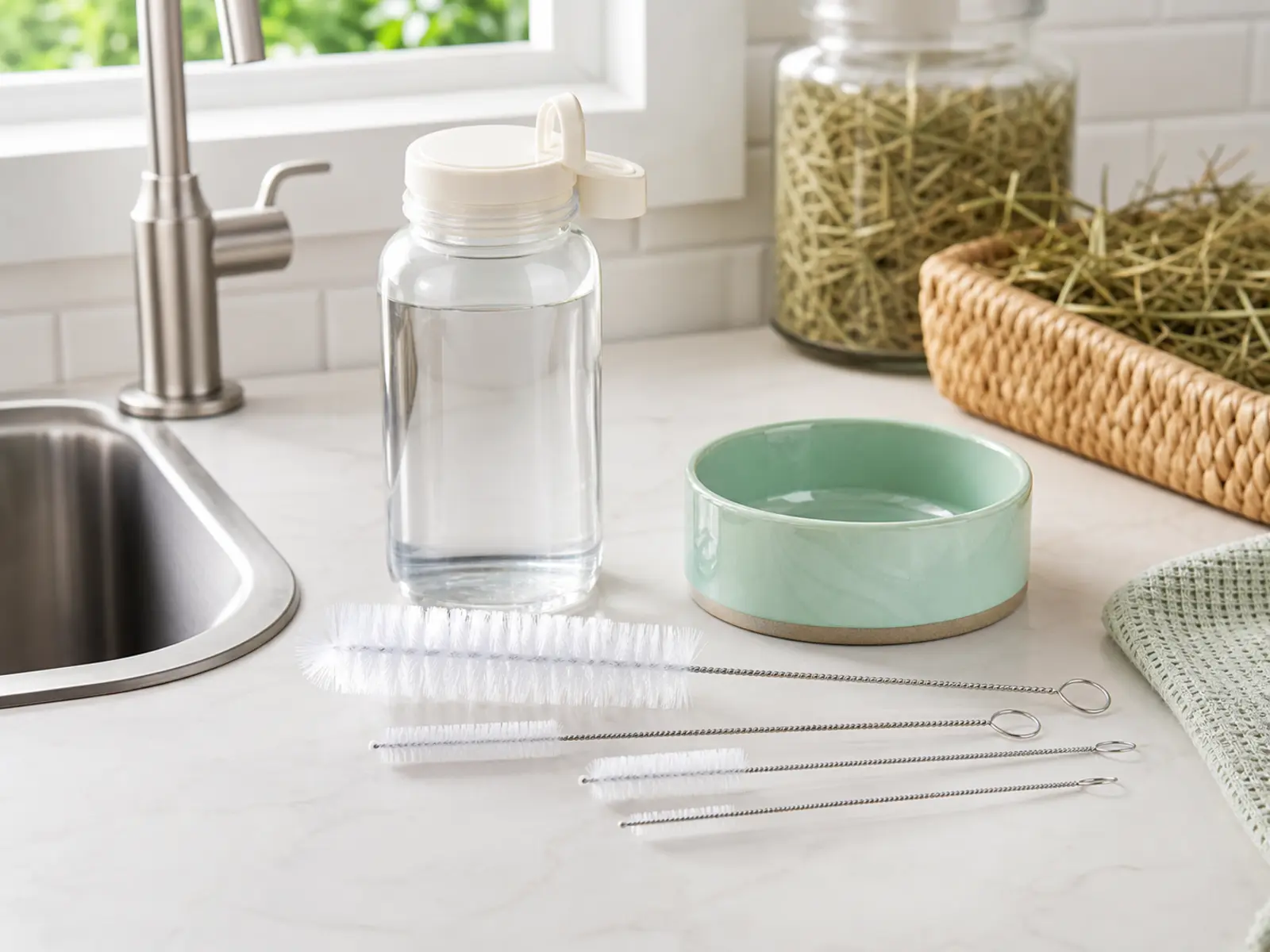
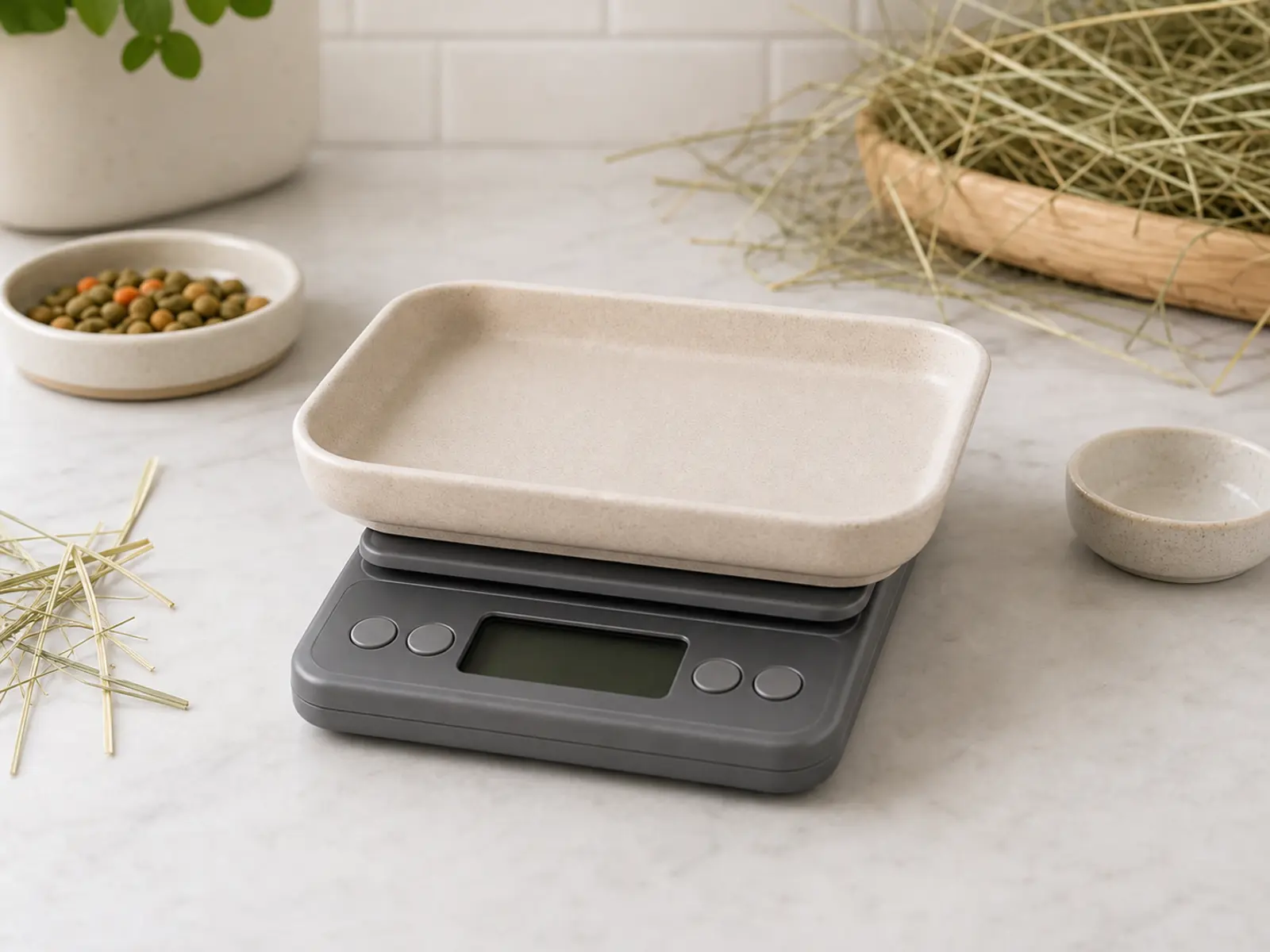
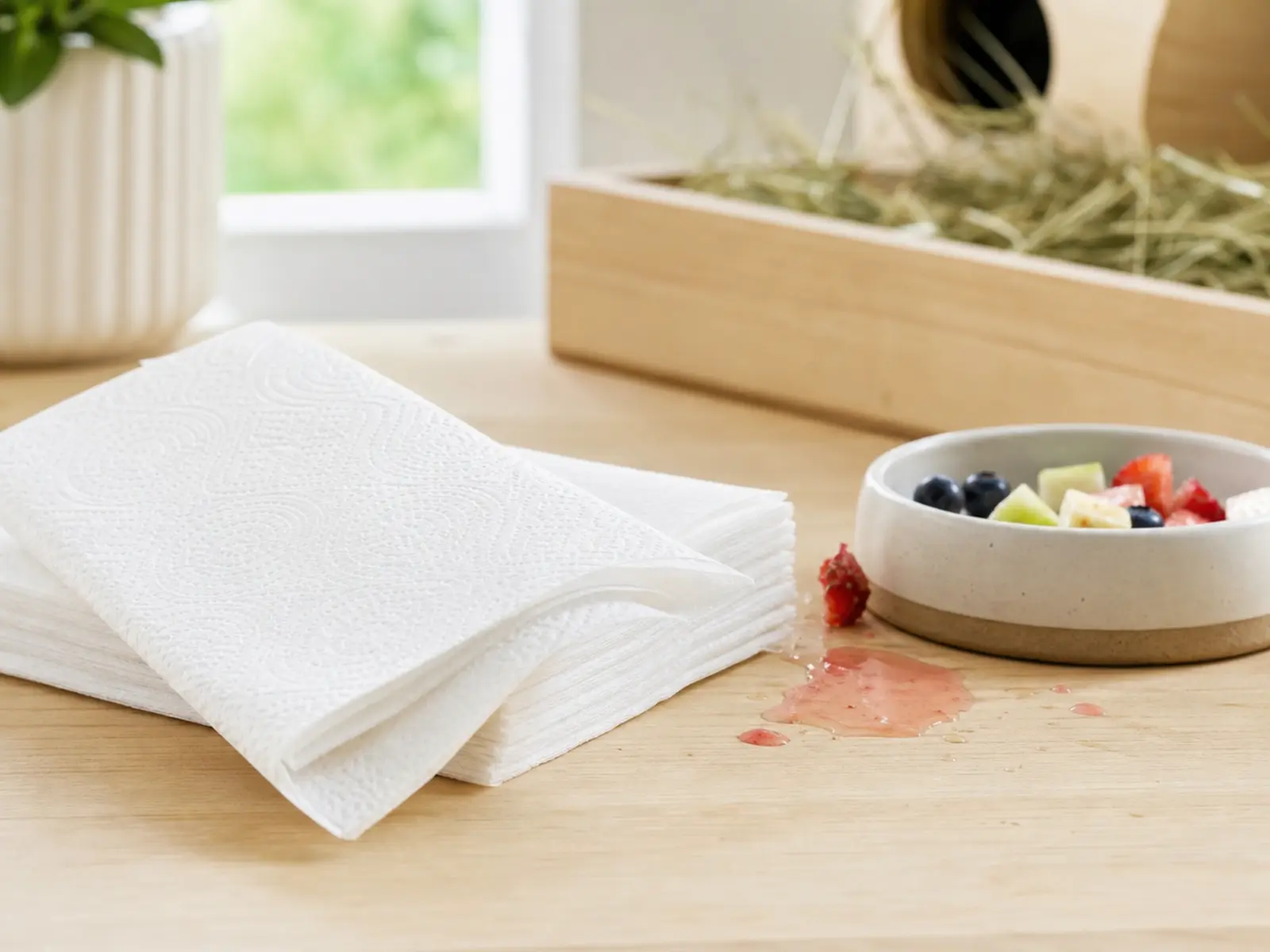
Helpful food-safety supplies
Optional tools for measuring, storing, serving, and cleaning up small portions safely.
Affiliate links: Furball Cove may earn from qualifying purchases at no extra cost to you.