Updated
Small mammal food safety
Can Small Mammals Eat Bell Pepper Seeds?
Species-specific
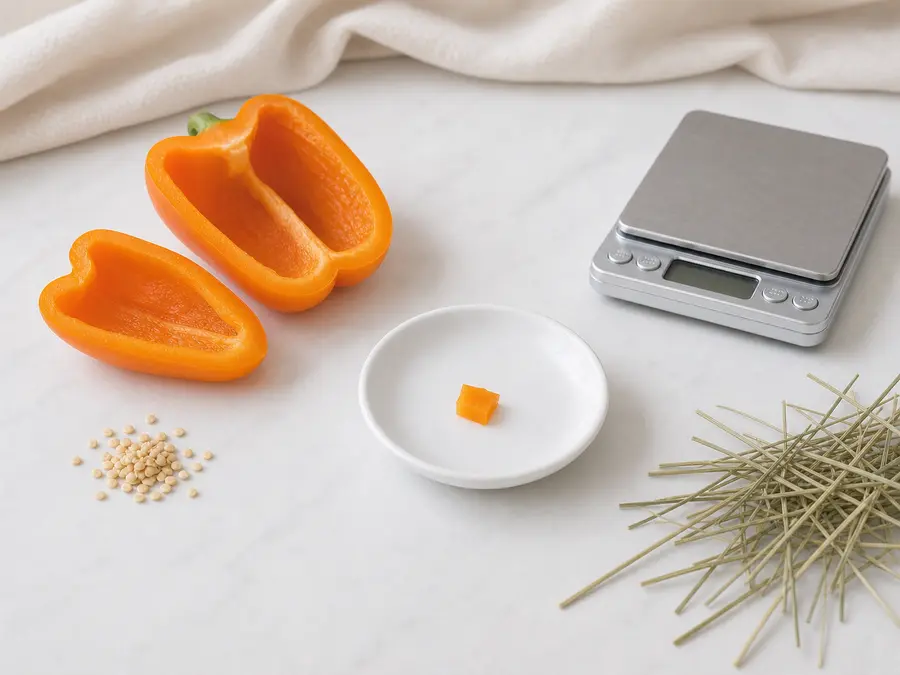
Skip bell pepper seeds as a treat. A stray seed on a tiny pepper piece is usually not the point of concern, but the useful food is washed, seed-free bell pepper flesh.
 Bell pepper seeds
Guinea pigs
Use flesh only
Remove the seed cluster. If bell pepper fits this guinea pig, use a small washed seed-free strip of pepper flesh.
Syrian and dwarf hamsters
Use flesh only
Remove loose seeds. If bell pepper fits this hamster, use a tiny seed-free piece and check the hoard.
Rats
Use flesh only
A rat that can have bell pepper should get the washed flesh, not a pile of loose seeds.
Mice
Use flesh only
A mouse needs only a tiny seed-free pepper crumb. Loose seeds are not a useful treat.
Gerbils
Use flesh only
A gerbil should get only a tiny seed-free pepper piece if bell pepper fits the routine.
Chinchillas
Skip pepper
Skip bell pepper seeds and pepper for chinchillas unless an exotic-pet veterinarian gives a specific plan.
Ferrets
Do not feed
Do not feed bell pepper seeds or pepper to ferrets. Ferrets need meat-based food.
Seeds are not the useful part
The safer question is whether the animal can have a tiny washed pepper strip. Remove the seed cluster before offering it.
A stray seed is different from a seed pile
One missed seed is not the same as feeding loose seeds on purpose. Clean up the core and use seed-free flesh next time.
Use the flesh instead
- Wash the bell pepper, then remove the stem, core, seed cluster, and loose seeds.
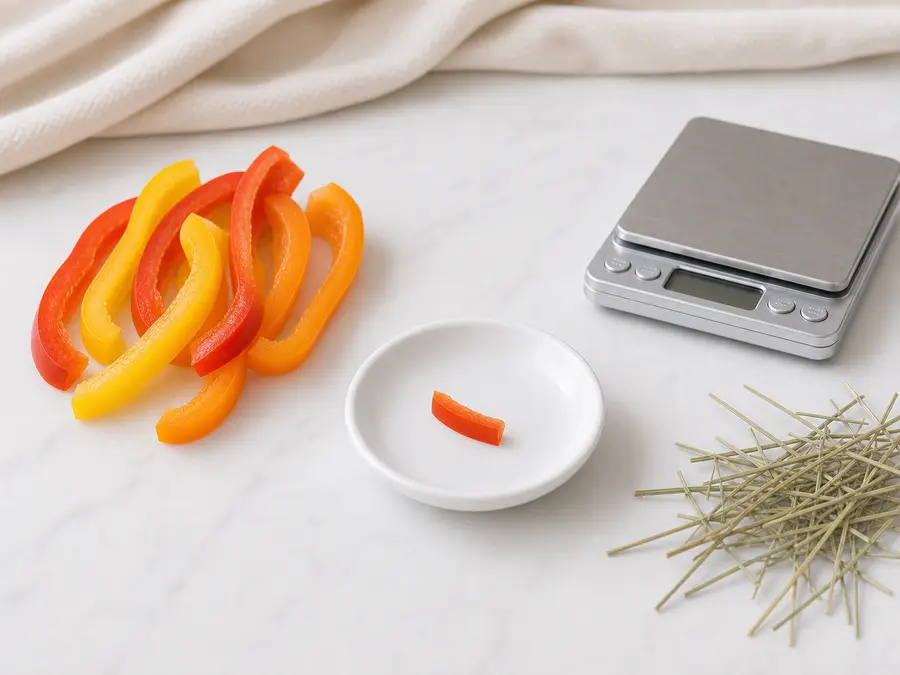
- Cut a tiny seed-free strip from the pepper flesh if the animal can have bell pepper.
- Remove wet leftovers before they sour or get hidden.
Avoid
- Loose seed piles, stem, core, moldy pepper, hot peppers, cooked pepper with oil, salted pepper, sauces, or seasoning.
- Using seeds as a daily treat or as a substitute for the normal staple.
- Bell pepper or seeds for chinchillas or ferrets unless an exotic-pet veterinarian gives a specific plan.
Watch
- Stop and call an exotic-pet veterinarian if appetite drops, droppings or stool change, bloating appears, or the animal becomes quiet.
- For guinea pigs, chinchillas, or any weak animal, reduced eating or fewer droppings is urgent.
Portion
No seed portion is needed. Use a tiny seed-free pepper strip only when the species row allows bell pepper.
Helpful food-safety supplies
Optional tools for measuring, storing, serving, and cleaning up small portions safely.
Affiliate links: Furball Cove may earn from qualifying purchases at no extra cost to you.