Updated
Small mammal food safety
Can Small Mammals Eat Butter?
Avoid
No. Butter is fatty dairy, not small-mammal food. Salt, garlic, herbs, greasy residue, and buttered leftovers add risk without improving the diet.
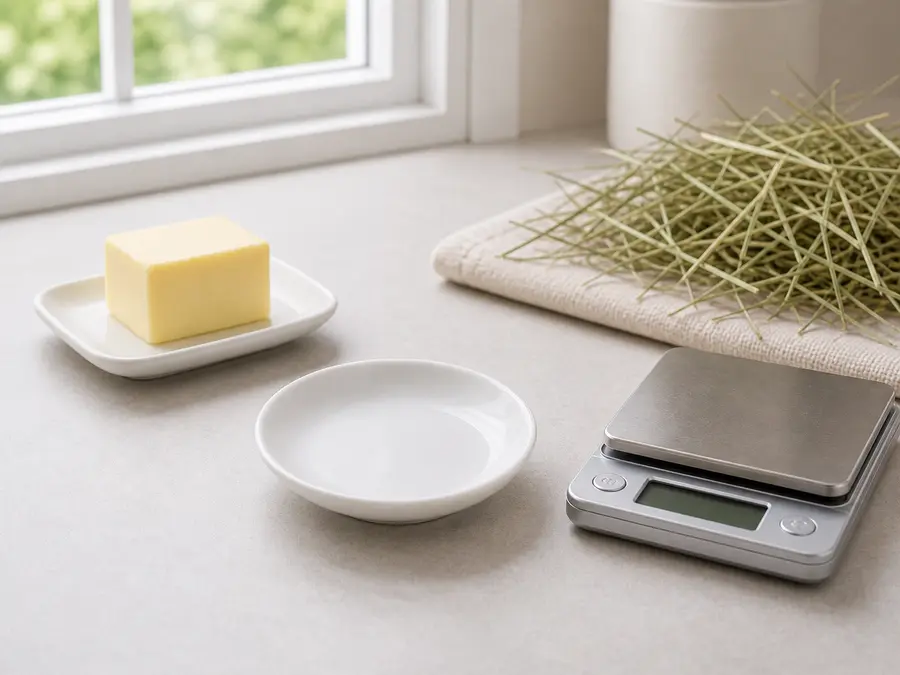 Butter
Guinea pigs
Do not feed
Do not feed butter to guinea pigs. It does not belong in a hay-centered, vitamin-C-supported diet.
Syrian and dwarf hamsters
Do not feed
Do not feed butter to hamsters. Fatty dairy and salty residue are poor fits.
Rats
Do not feed
Do not feed butter to rats. Use a balanced rat staple and controlled fresh foods instead.
Mice
Do not feed
Do not feed butter to mice. Tiny bodies do not need greasy dairy residue.
Gerbils
Do not feed
Do not feed butter to gerbils. It is fatty, unnecessary, and easy to overdo.
Chinchillas
Do not feed
Do not feed butter to chinchillas. Rich dairy is a poor fit for hay-centered digestion.
Ferrets
Use ferret food
Do not use butter as a ferret treat. Ferrets need appropriate meat-based food, not dairy fat.
Butter adds risk without benefit
Fat, dairy, salt, and greasy residue are the issue. Butter does not solve appetite, coat, calorie, or treat problems.
If it was already licked
Remove the rest, clean residue, and watch appetite, stool or droppings, breathing, movement, and energy. Call sooner for tiny animals or mixed foods with toxic ingredients.
Remove the butter
- Take away butter, wrappers, greasy crumbs, buttered toast, buttered vegetables, buttered popcorn, and any food touched by melted butter.
- Clean residue from bowls, cage surfaces, fur, paws, toys, and bedding.
- Return to the normal diet and offer plain water.
Avoid
- Butter, salted butter, garlic butter, herb butter, ghee, margarine, buttered bread, buttered vegetables, buttered popcorn, and greasy leftovers.
- Butter for guinea pigs, chinchillas, ferrets, tiny rodents, or animals with appetite, stool, weight, dental, urinary, or digestive concerns.
- Waiting for dramatic symptoms if the animal is tiny, weak, bloated, not eating, or ate a risky mixed food.
Watch
- Reduced appetite, fewer droppings, soft stool, diarrhea, bloating, greasy fur, paw chewing, quietness, or unusual posture.
- Contact an exotic-pet veterinarian promptly for garlic, onion, chocolate, xylitol, a large amount, a tiny or weak animal, or any abnormal signs.
Helpful food-safety supplies
Optional tools for measuring, storing, serving, and cleaning up small portions safely.
Affiliate links: Furball Cove may earn from qualifying purchases at no extra cost to you.