Updated
Small mammal food safety
Can Small Mammals Eat Cheese?
Avoid
No. Skip cheese for small mammals. It adds dairy fat, salt, and richness without solving any diet need, and it is a poor treat for herbivores, rodents, and ferrets.
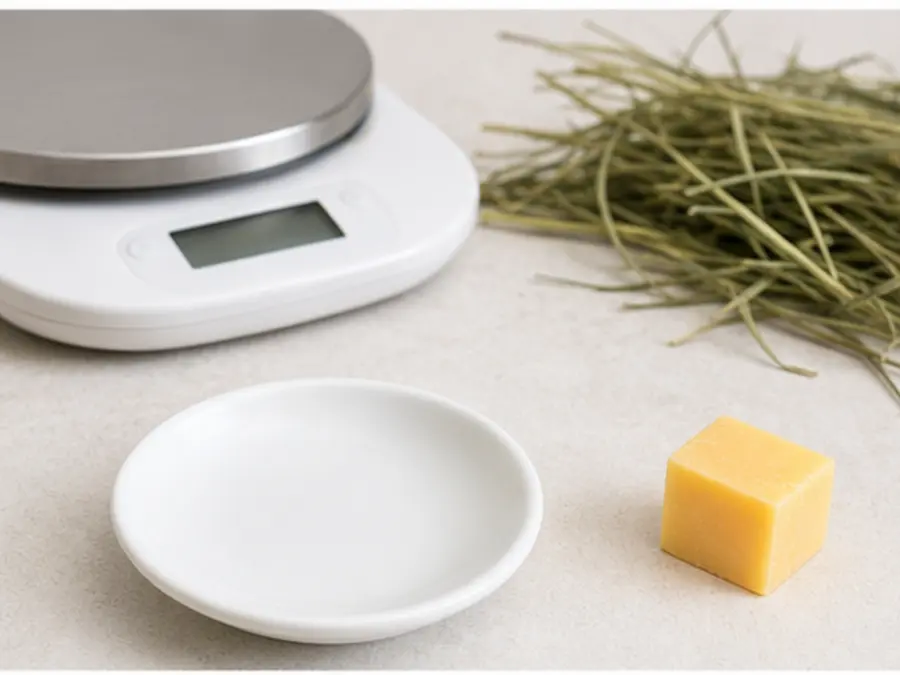 Cheese
Guinea pigs
Skip dairy
Do not feed cheese to guinea pigs. They need hay, vitamin C foods, fresh water, and guinea-pig pellets.
Syrian and dwarf hamsters
Skip cheese
Do not use cheese as a hamster treat. It is fatty, salty, and not needed.
Rats
Skip cheese
Do not use cheese as a routine rat treat. Use balanced rat food and controlled fresh foods instead.
Mice
Skip cheese
Do not feed cheese to mice. It is too rich and easy to overdo.
Gerbils
Skip cheese
Do not feed cheese to gerbils. Keep the diet dry, balanced, and species-appropriate.
Chinchillas
Skip dairy
Do not feed cheese to chinchillas. Rich dairy is a poor fit for hay-centered digestion.
Ferrets
Do not feed
Do not feed cheese to ferrets. Ferrets need meat-based food, not dairy treats.
It does not solve a diet need
Cheese is familiar human food, but it does not add anything a small mammal needs from a treat.
Check ingredients if eaten
Seasoned cheese, spreads, dips, onion, garlic, mold, and high salt make a small snack more concerning.
Use the normal diet
- Use the animal's normal species food instead of cheese.
- If a small piece was already eaten, remove the rest and check whether it was salty, seasoned, moldy, or mixed with onion or garlic.
- Clean sticky or greasy residue from bowls, bedding, paws, fur, and play areas.
Avoid
- Cheddar cubes, cheese slices, cheese spreads, string cheese, processed cheese, cheese puffs, dairy dips, moldy cheese, seasoned cheese, and cheese with onion, garlic, herbs, or hot pepper.
- Cheese for guinea pigs, chinchillas, hamsters, rats, mice, gerbils, or ferrets as a routine treat.
- Using cheese to hide poor appetite, medication, or a diet problem without veterinary guidance.
Watch
- Soft stool, diarrhea, gas, reduced appetite, fewer droppings, quietness, vomiting in ferrets, or any sudden behavior change.
- Call an exotic-pet veterinarian promptly for a guinea pig, chinchilla, weak animal, or animal with less appetite or fewer droppings.
Helpful food-safety supplies
Optional tools for measuring, storing, serving, and cleaning up small portions safely.
Affiliate links: Furball Cove may earn from qualifying purchases at no extra cost to you.