Updated
Small mammal food safety
Can Small Mammals Eat Milk?
Avoid
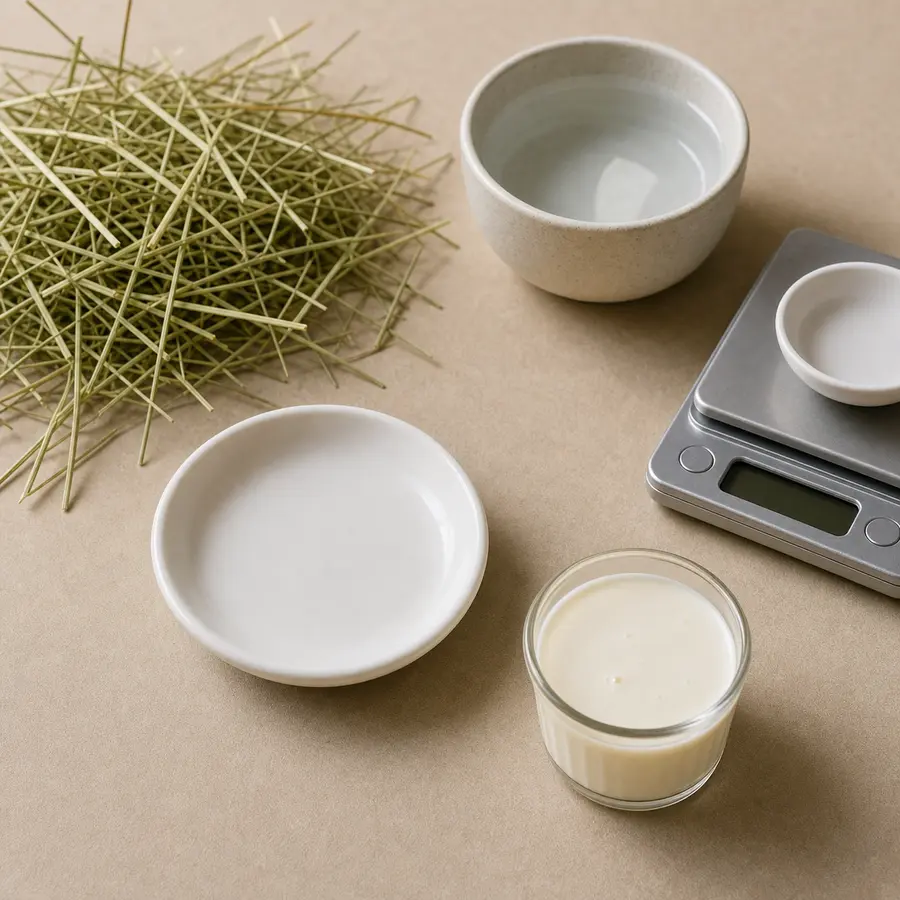
No. Milk is not a small-mammal drink or treat. It is wet dairy that can upset digestion, foul bedding, and hide appetite problems. Use fresh water and species-appropriate food instead.
 Milk
MilkGuinea pigs
Use water
Do not feed milk to guinea pigs. Hay, vitamin C foods, guinea-pig pellets, and fresh water matter more.
Syrian and dwarf hamsters
Skip milk
Skip milk for hamsters. Wet dairy can foul hoards and is easy to overdo.
Rats
Skip milk
Skip milk for rats. It adds dairy without improving a balanced rat diet.
Mice
Skip milk
Skip milk for mice. A few licks are a lot at mouse size, and wet residue spreads quickly.
Gerbils
Skip milk
Skip milk for gerbils. Their dry balanced food and fresh water are the right routine.
Chinchillas
Do not feed
Do not feed milk to chinchillas. Wet dairy is a poor fit for hay-centered digestion.
Ferrets
Use water
Do not use milk as a ferret treat. Ferrets need fresh water and a meat-based diet, not dairy drinks.
Water is the drink
Milk does not replace fresh water or solve appetite, weight, coat, or treat problems for small mammals.
Residue keeps exposure going
Dairy can stick to paws, fur, bowls, bedding, and toys. Clean it up so the animal cannot keep licking it later.
Clean it up
- Remove milk, cereal bowls, cups, spills, and any bedding or toys touched by dairy residue.
- Check whether the animal only licked it or swallowed more, then watch appetite, stool or droppings, breathing, movement, and energy.
- Call an exotic-pet veterinarian for more than a lick in a tiny animal, any abnormal signs, or any animal already unwell.
Avoid
- Cow's milk, goat milk, flavored milk, plant milks, cereal milk, formula, condensed milk, sweetened milk, milkshakes, creamers, and dairy-soaked crumbs.
- Milk for any small mammal, especially guinea pigs, chinchillas, ferrets, tiny rodents, or animals with appetite, stool, weight, dental, urinary, or digestive concerns.
- Using milk to tempt an animal that is not eating normally.
Watch
- Reduced appetite, soft stool, diarrhea, fewer droppings, bloating, wet bedding, sticky fur, quietness, or breathing changes.
- Call an exotic-pet veterinarian promptly if the animal is tiny, unwell, drank a meaningful amount, or shows any abnormal sign.
Helpful food-safety supplies
Optional tools for measuring, storing, serving, and cleaning up small portions safely.
Affiliate links: Furball Cove may earn from qualifying purchases at no extra cost to you.