Updated
Small mammal food safety
Can Small Mammals Have Coffee?
Unsafe
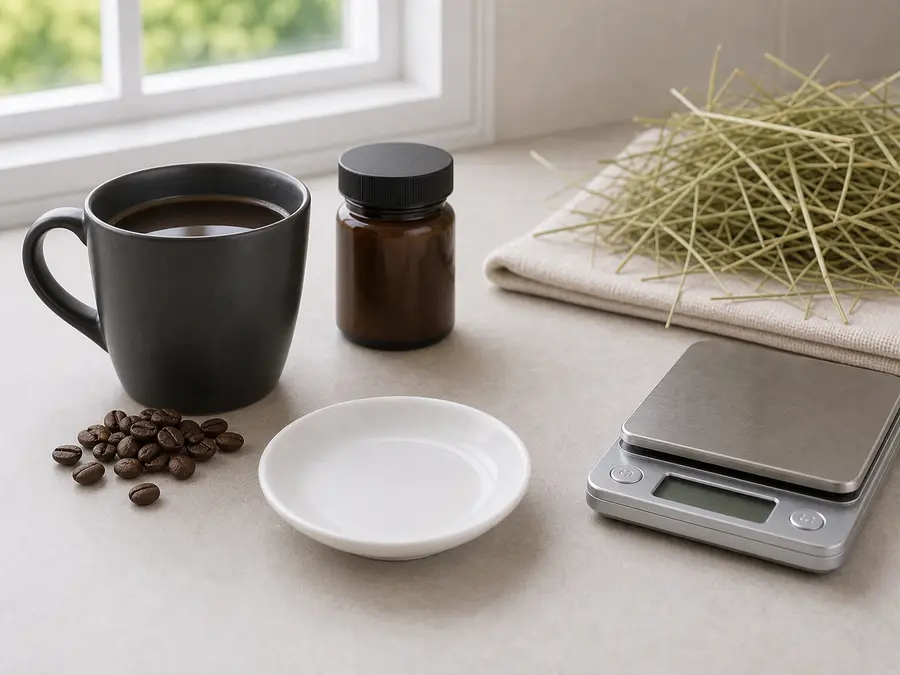
No. Coffee is unsafe because of caffeine. If beans, grounds, brewed coffee, or a pod was eaten or licked, remove access and call an exotic-pet veterinarian or poison hotline.
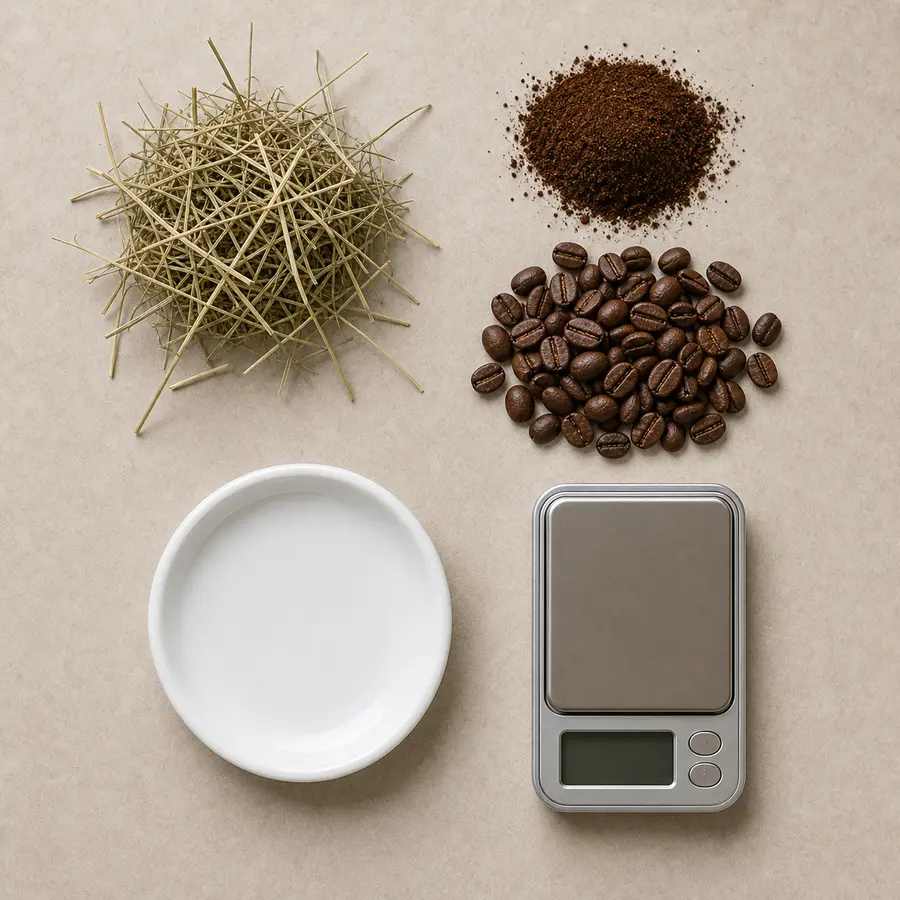 Coffee
Call before guessing
If any small mammal ate or licked coffee, call an exotic-pet veterinarian or poison hotline with the species, weight, coffee type, amount, time, and symptoms.
Guinea pigs
Call if exposed
Do not feed coffee to guinea pigs. If coffee was eaten, licked, or chewed, remove access and call with the species, weight, coffee type, amount, time, and symptoms.
Syrian and dwarf hamsters
Call if exposed
Do not feed coffee to Syrian and dwarf hamsters. If coffee was eaten, licked, or chewed, remove access and call with the species, weight, coffee type, amount, time, and symptoms.
Rats
Call if exposed
Do not feed coffee to rats. If coffee was eaten, licked, or chewed, remove access and call with the species, weight, coffee type, amount, time, and symptoms.
Mice
Call if exposed
Do not feed coffee to mice. If coffee was eaten, licked, or chewed, remove access and call with the species, weight, coffee type, amount, time, and symptoms.
Gerbils
Call if exposed
Do not feed coffee to gerbils. If coffee was eaten, licked, or chewed, remove access and call with the species, weight, coffee type, amount, time, and symptoms.
Chinchillas
Call if exposed
Do not feed coffee to chinchillas. If coffee was eaten, licked, or chewed, remove access and call with the species, weight, coffee type, amount, time, and symptoms.
Ferrets
Call if exposed
Do not feed coffee to ferrets. If coffee was eaten, licked, or chewed, remove access and call with the species, weight, coffee type, amount, time, and symptoms.
Caffeine is the issue
Coffee is not just a bitter food. Beans, grounds, brewed coffee, and pods can all create a caffeine exposure question.
Save the form
The veterinarian or poison hotline will ask what kind of coffee it was, how much may be missing, and when it happened.
If exposure happened
- Remove coffee beans, grounds, brewed coffee, pods, filters, cups, wrappers, and contaminated bedding.
- Keep the animal contained and calm while you call an exotic-pet veterinarian or poison hotline.
- Write down whether it was beans, grounds, brewed coffee, espresso, instant coffee, or a pod, plus the amount and time.
Avoid
- Coffee beans, grounds, brewed coffee, espresso, instant coffee, cold brew, pods, filters, sweet coffee drinks, creamers, and chocolate-covered coffee beans.
- Waiting if a tiny animal ate coffee or licked a caffeinated drink.
- Offering a smaller taste because the animal seemed interested.
Helpful food-safety supplies
Optional tools for measuring, storing, serving, and cleaning up small portions safely.
Affiliate links: Furball Cove may earn from qualifying purchases at no extra cost to you.