Updated
Small mammal food safety
Can Small Mammals Drink Tea?
Unsafe
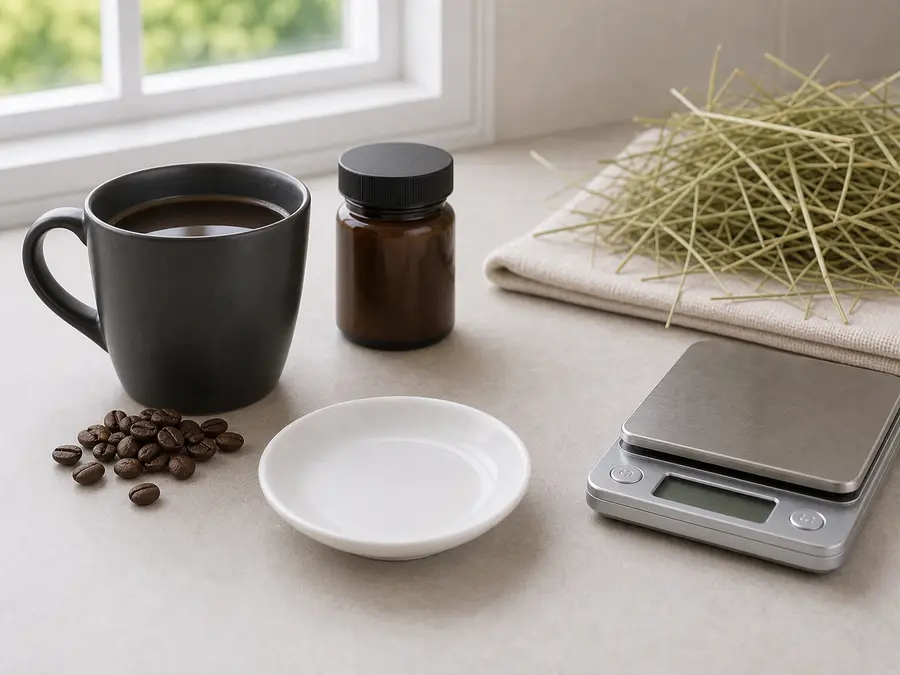
No. Tea is not a small-mammal drink or treat. Black, green, oolong, matcha, chai, iced tea, and many blends can contain caffeine or risky plant ingredients.
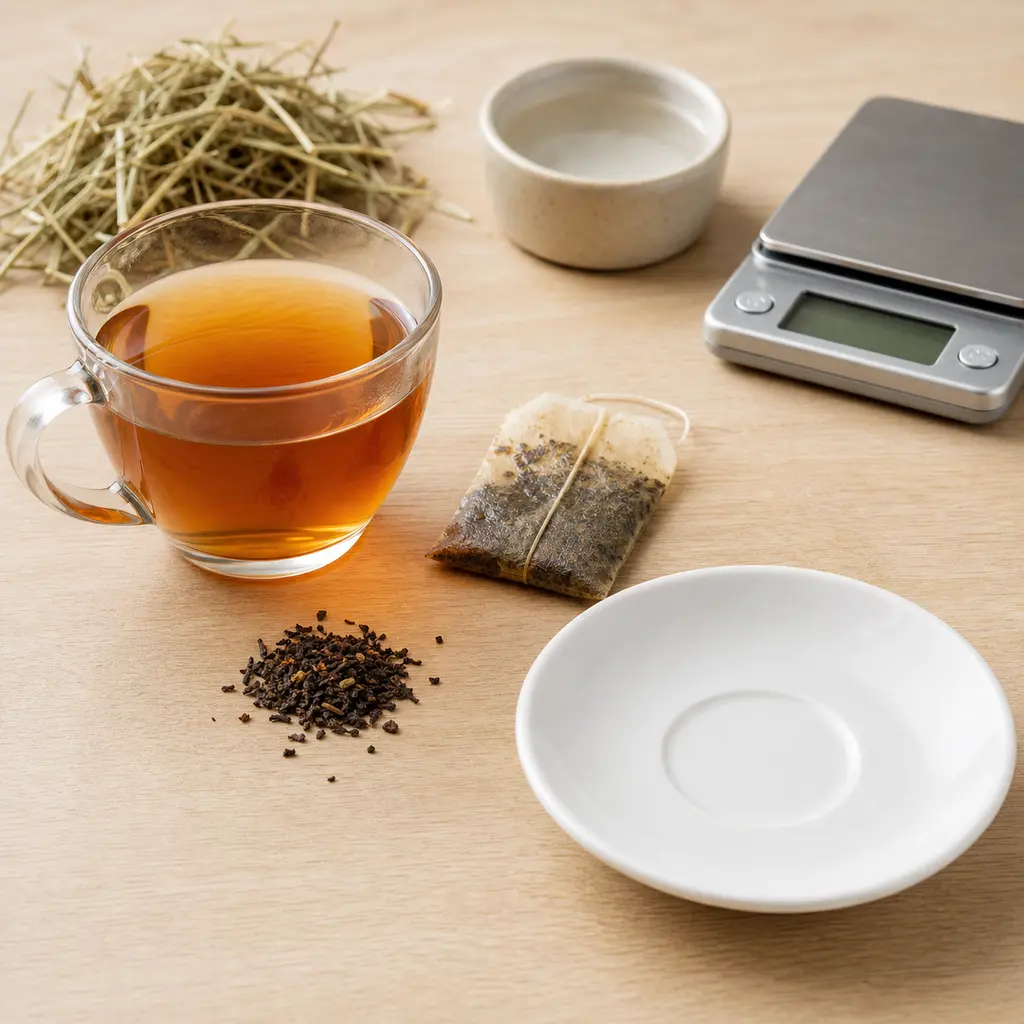 Tea
TeaCall before guessing
If any small mammal drank tea or chewed tea leaves, a tea bag, or tea-soaked material, call an exotic-pet veterinarian or poison hotline with the species, weight, tea type, ingredients, amount, time, and symptoms.
Guinea pigs
Call if exposed
Do not feed tea to guinea pigs. If tea, loose tea leaves, a tea bag, or brewed tea was eaten, chewed, or licked, remove access and call with the species, weight, tea type, ingredients, amount, time, and symptoms.
Syrian and dwarf hamsters
Call if exposed
Do not feed tea to Syrian and dwarf hamsters. If tea, loose tea leaves, a tea bag, or brewed tea was eaten, chewed, or licked, remove access and call with the species, weight, tea type, ingredients, amount, time, and symptoms.
Rats
Call if exposed
Do not feed tea to rats. If tea, loose tea leaves, a tea bag, or brewed tea was eaten, chewed, or licked, remove access and call with the species, weight, tea type, ingredients, amount, time, and symptoms.
Mice
Call if exposed
Do not feed tea to mice. If tea, loose tea leaves, a tea bag, or brewed tea was eaten, chewed, or licked, remove access and call with the species, weight, tea type, ingredients, amount, time, and symptoms.
Gerbils
Call if exposed
Do not feed tea to gerbils. If tea, loose tea leaves, a tea bag, or brewed tea was eaten, chewed, or licked, remove access and call with the species, weight, tea type, ingredients, amount, time, and symptoms.
Chinchillas
Call if exposed
Do not feed tea to chinchillas. If tea, loose tea leaves, a tea bag, or brewed tea was eaten, chewed, or licked, remove access and call with the species, weight, tea type, ingredients, amount, time, and symptoms.
Ferrets
Call if exposed
Do not feed tea to ferrets. If tea, loose tea leaves, a tea bag, or brewed tea was eaten, chewed, or licked, remove access and call with the species, weight, tea type, ingredients, amount, time, and symptoms.
Tea type matters
Caffeinated tea, herbal blends, essential-oil flavorings, sweeteners, milk, lemon, and chai spices are different risks. Save the label or ingredient list.
Use water, not remedies
Small mammals need fresh water and species-appropriate food. Tea should not be used for hydration, appetite, digestion, or calming.
If exposure happened
- Remove brewed tea, loose leaves, tea bags, wrappers, cups, water bottles, and any soaked bedding or toys.
- Keep the animal contained and calm while you call an exotic-pet veterinarian or poison hotline.
- Write down whether it was black, green, white, oolong, matcha, chai, herbal, iced, sweetened, or mixed with milk, lemon, honey, or sweetener.
Avoid
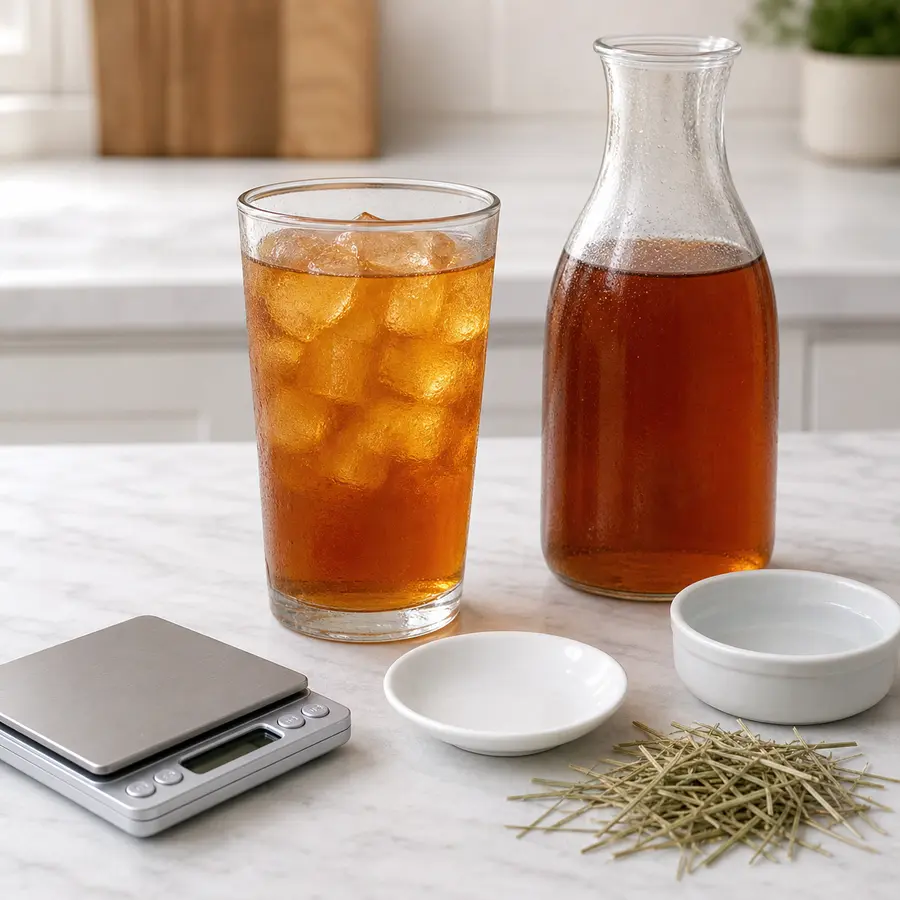
- Black tea, green tea, white tea, oolong, matcha, chai, herbal blends, tea bags, loose leaves, iced tea, sweet tea, bottled tea, tea concentrate, and tea-soaked bedding.
- Using herbal tea as hydration, appetite help, digestive care, or a home remedy.
- Waiting after a tiny animal drank caffeinated tea or chewed a tea bag.
Helpful food-safety supplies
Optional tools for measuring, storing, serving, and cleaning up small portions safely.
Affiliate links: Furball Cove may earn from qualifying purchases at no extra cost to you.