Updated
Small mammal food safety
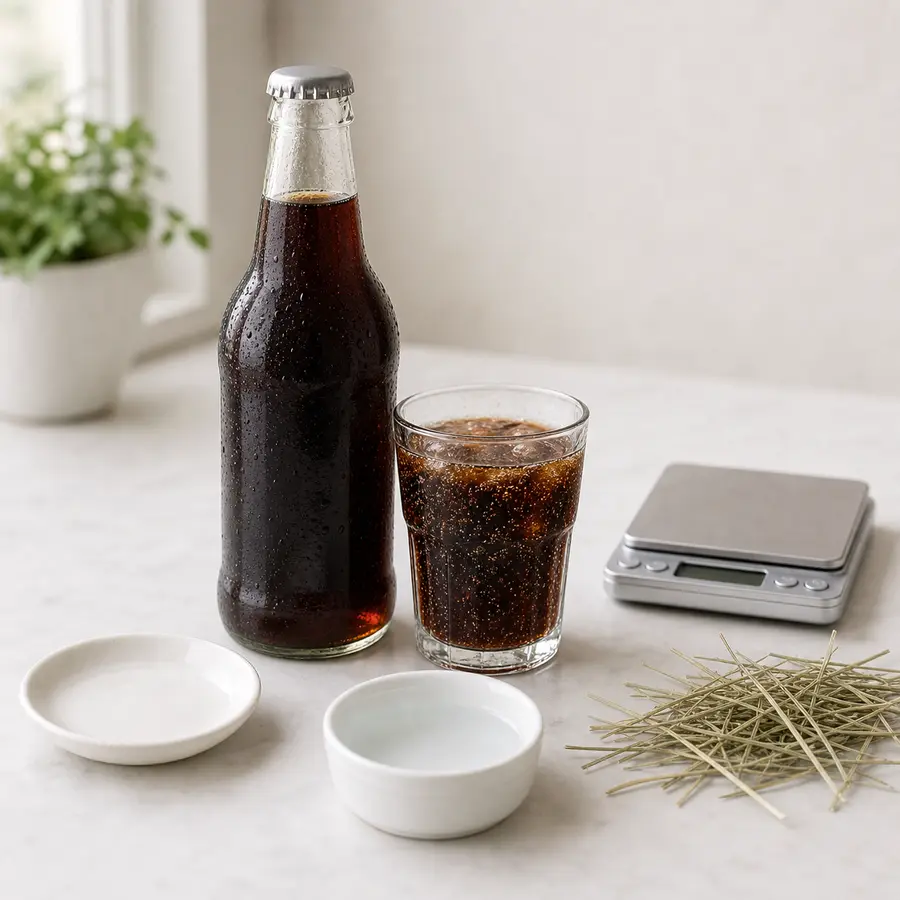
Can Small Mammals Drink Sweet Tea?
Avoid
No. Sweet tea is sugared tea, not hydration or a treat. It can contain caffeine, sugar, acid, flavoring, lemon, sweeteners, and sticky residue.
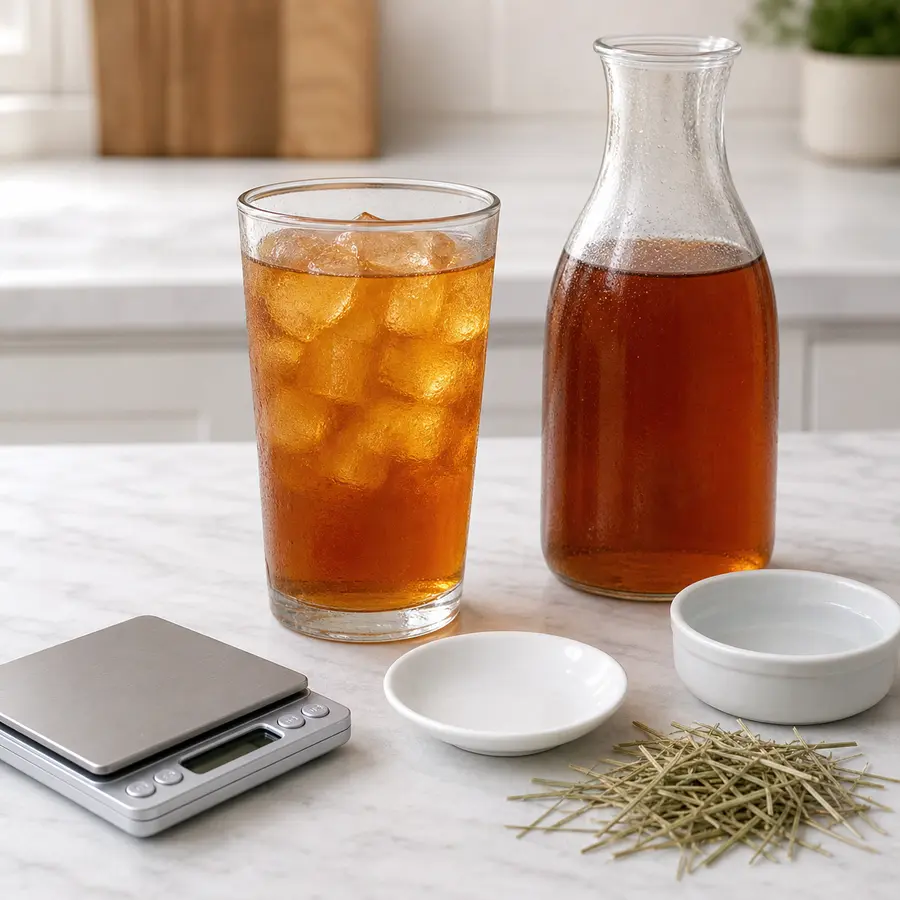 Sweet tea
Guinea pigs
Water only
Do not give sweet tea to guinea pigs. Use water, hay, pellets, and measured vitamin C foods instead.
Syrian and dwarf hamsters
Skip tea
Do not give sweet tea to hamsters. Sugar, caffeine, and sticky residue are poor fits.
Rats
Skip tea
Do not use sweet tea as a rat treat. Balanced rat food and plain water are better choices.
Mice
Skip tea
Do not give sweet tea to mice. A small sip can be meaningful at mouse size.
Gerbils
Skip tea
Do not give sweet tea to gerbils. Keep the diet dry, balanced, and species-appropriate.
Chinchillas
Do not feed
Do not give sweet tea to chinchillas. Sugar and caffeine are poor fits for hay-centered digestion.
Ferrets
Do not feed
Do not give sweet tea to ferrets. Ferrets need meat-based food and plain water, not sweet drinks.
Tea adds caffeine risk
Sweet tea is not just flavored water. It can bring caffeine plus sugar, acid, lemon, flavoring, or sweeteners.
Do not sweeten water
A pet that is not drinking normally needs a husbandry and health check, not sweet tea in the bottle.
Remove the tea
- Remove sweet tea, cups, bottles, sticky bedding, wet hay, and any residue on fur, paws, bowls, toys, or water bottles.
- Check whether it was caffeinated, iced tea mix, bottled tea, lemon tea, herbal blend, energy tea, or sugar-free.
- Offer plain water and return to the normal diet.
Avoid
- Sweet tea, bottled tea, tea concentrate, iced-tea mix, lemon tea, caffeinated tea, sugar-free tea, tea in water bottles, and sticky spills.
- Sweet tea for guinea pigs, chinchillas, ferrets, tiny rodents, or animals with appetite, stool, weight, dental, urinary, heart, or digestive concerns.
- Using sweet tea because the animal needs to drink more.
Watch
- Reduced appetite, fewer droppings, soft stool, diarrhea, bloating, thirst changes, hyperactivity, tremors, weakness, quietness, or sticky fur.
- Contact an exotic-pet veterinarian or poison hotline promptly for caffeine, sugar-free sweeteners, a large amount, a tiny or weak animal, or any abnormal signs.
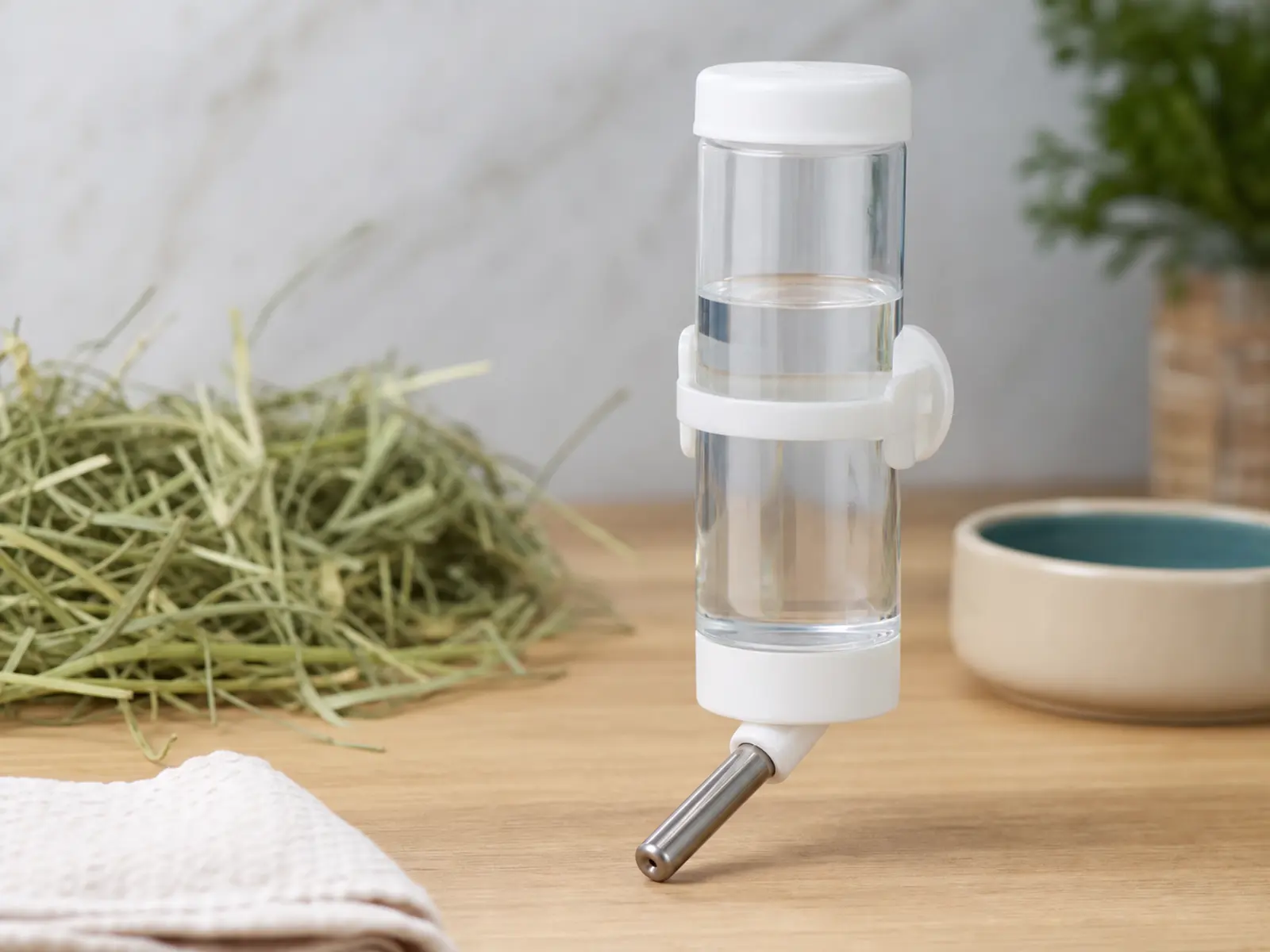
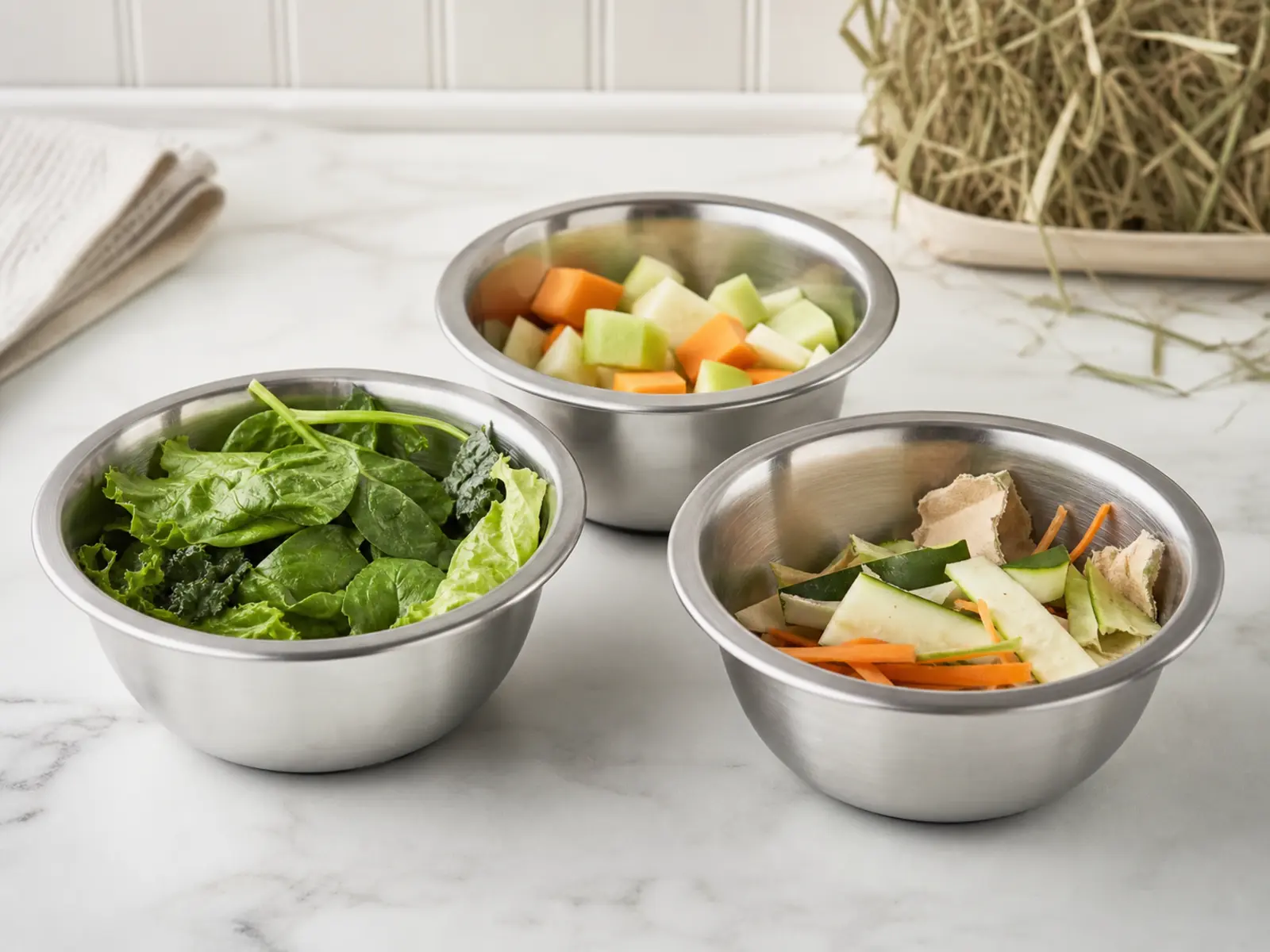
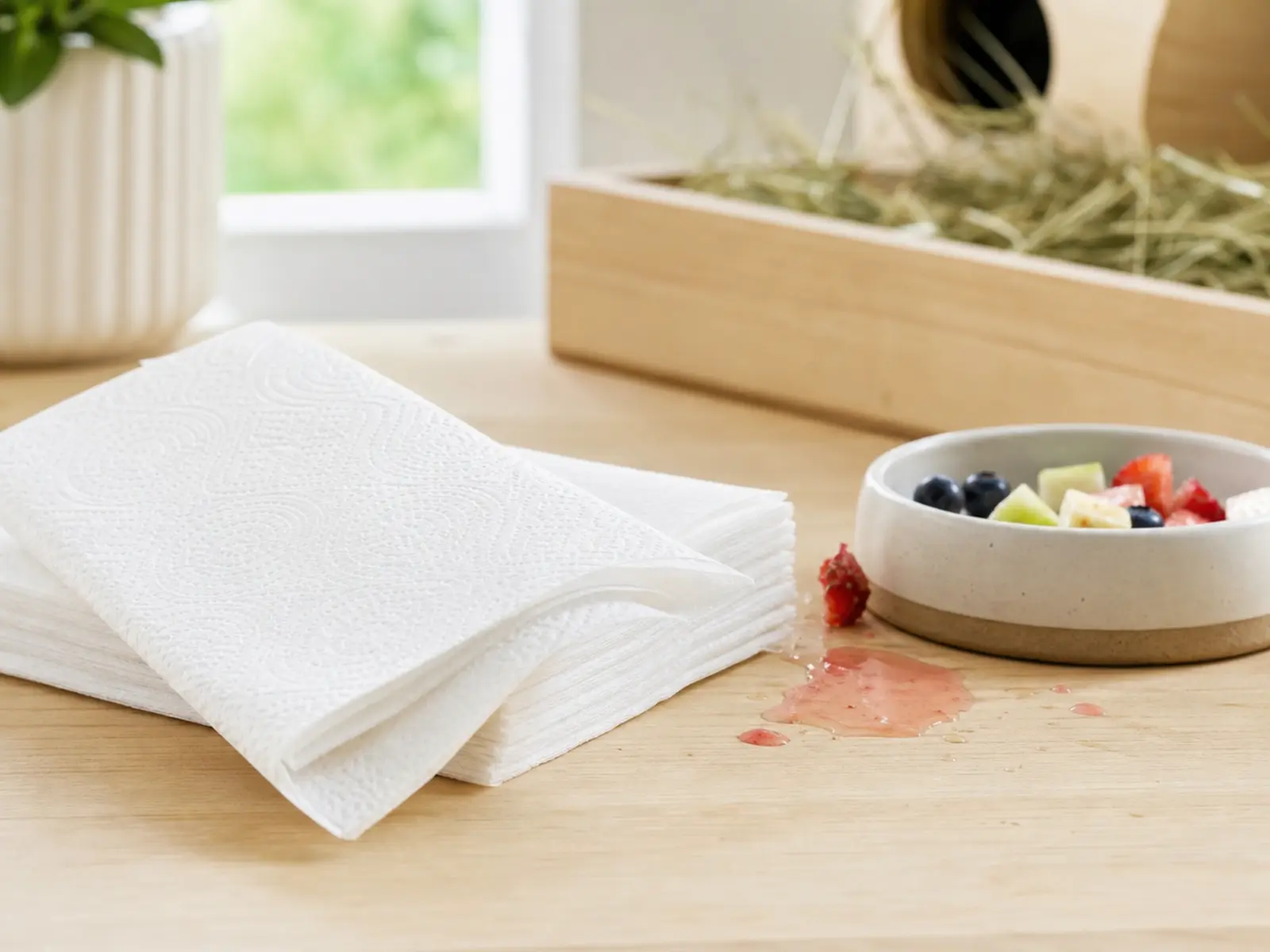
Helpful food-safety supplies
Optional tools for measuring, storing, serving, and cleaning up small portions safely.
Affiliate links: Furball Cove may earn from qualifying purchases at no extra cost to you.