Updated
Small mammal food safety
Can Small Mammals Eat Corn on the Cob?
Species-specific
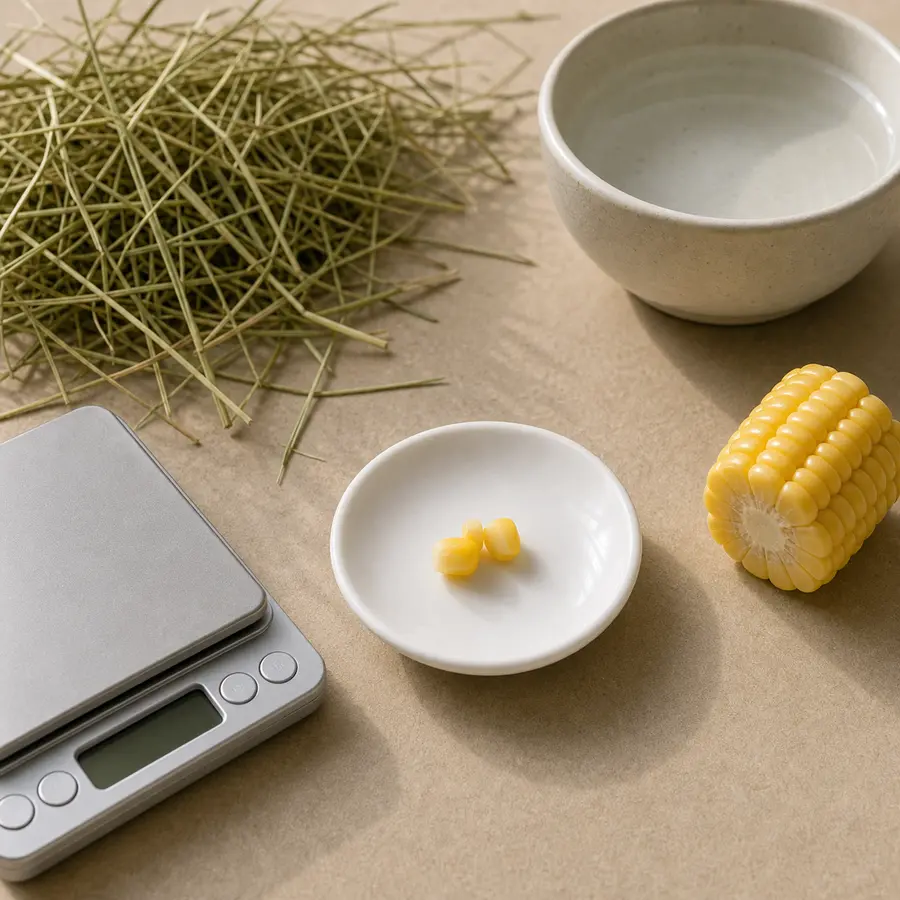
Do not hand over a corn cob. If corn fits the species, remove one or two tiny plain kernels; the cob itself is a poor small-mammal food item.
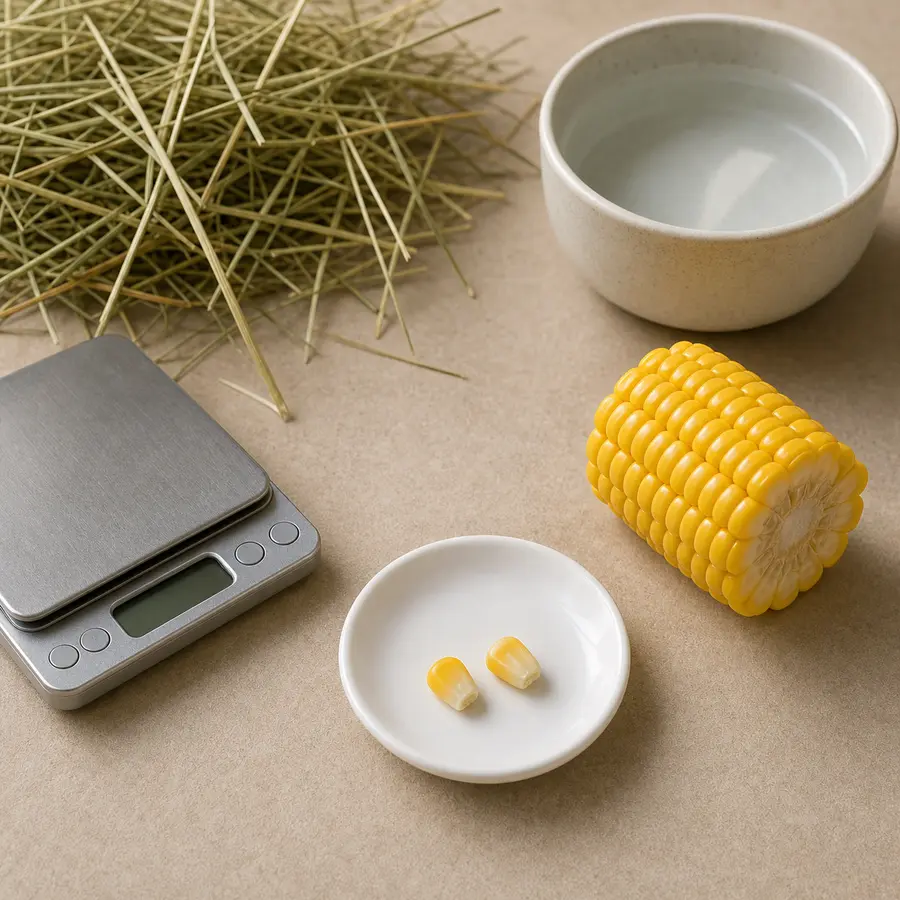 Corn on the cob
Guinea pigs
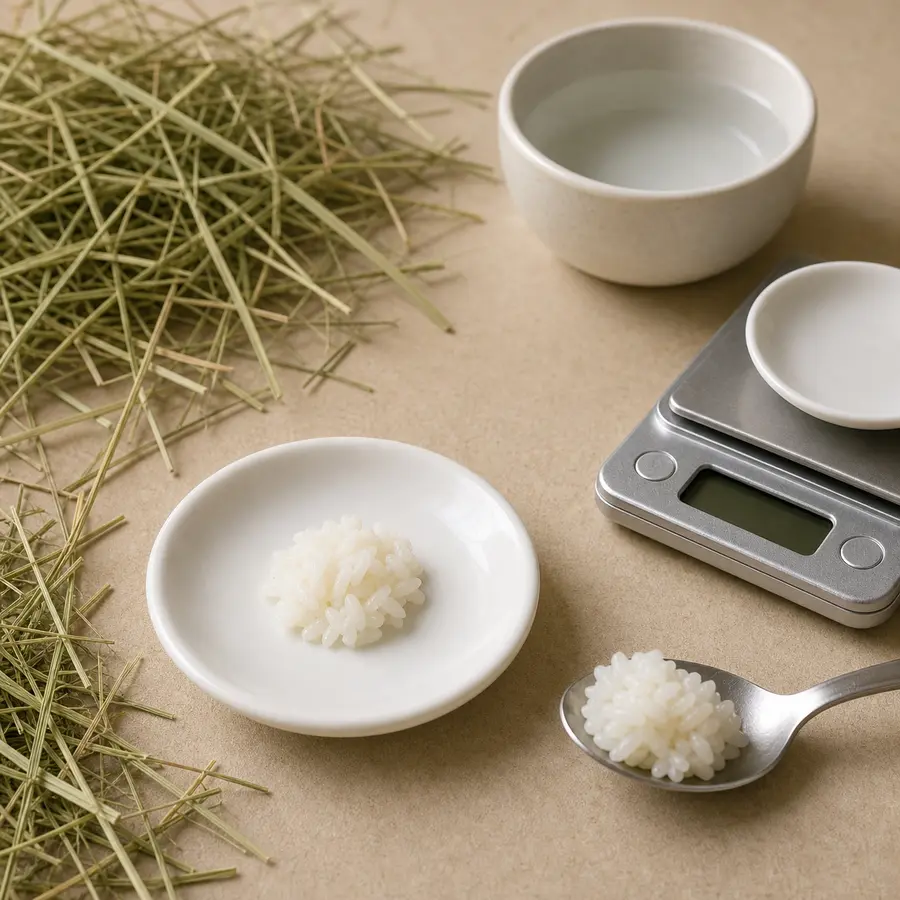
Tiny removed kernel
A guinea pig may have a tiny plain removed kernel occasionally, but do not put the cob in the cage.
Syrian and dwarf hamsters
Tiny removed kernel
A hamster may have a tiny plain removed kernel rarely. Do not leave a cob to hoard.
Rats
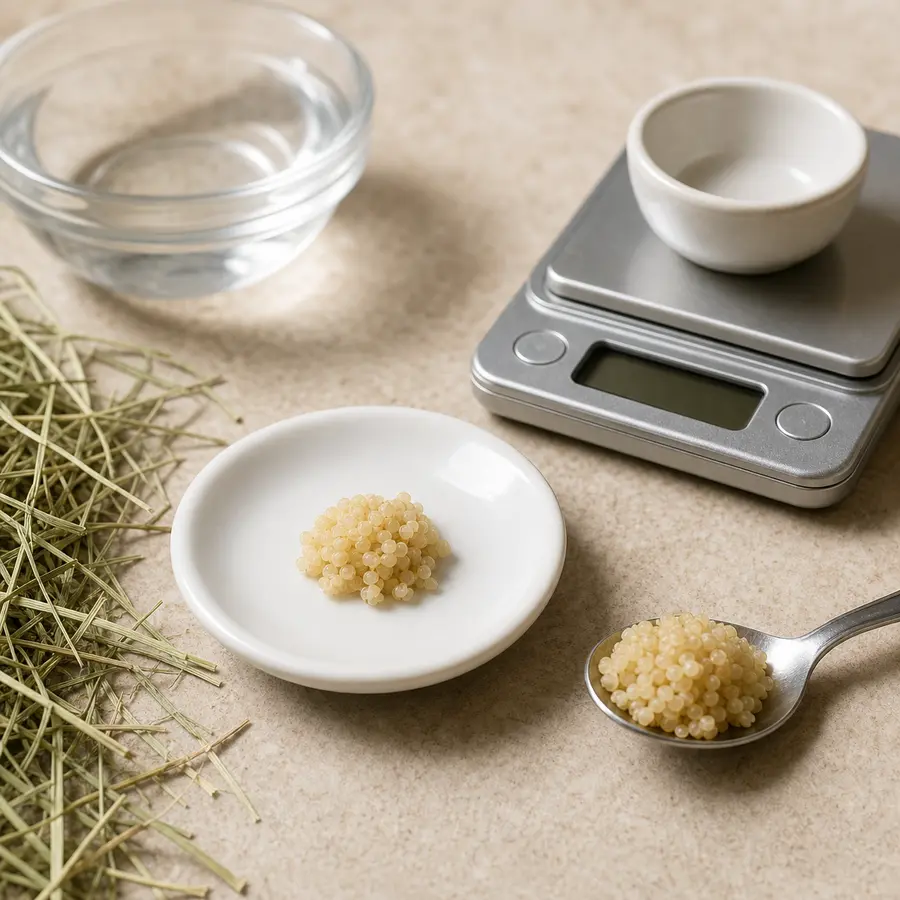
One or two removed kernels
A rat may have one or two plain removed kernels occasionally. Discard the cob.
Mice
Kernel piece
A mouse needs only a kernel piece. Do not use cob chunks.
Gerbils
Kernel piece
A gerbil may have a tiny kernel piece rarely, but the cob should stay out.
Chinchillas
Skip it
Do not feed corn on the cob to chinchillas. Sweet starch and cob material are poor fits.
Ferrets
Do not feed
Do not feed corn on the cob to ferrets. Ferrets need meat-based food, not plant starch or cob pieces.
Answer the cob question directly
The safe version, when it fits at all, is a tiny removed kernel. The cob should not become a cage item.
Leftovers are the problem
Cob pieces and wet kernels can dry out, sour, or get hidden. Remove them before they become a second hazard.
Do not give the cob
- Remove one or two plain kernels from the cob instead of putting the cob in the habitat.
- Skip butter, salt, oil, seasoning, sauce, dried corn, and leftover cob pieces.
- Remove leftovers before they dry, sour, or get hidden in bedding.
Avoid
- Whole cobs, cob chunks, dried hard kernels, buttered corn, salted corn, grilled seasoned corn, corn holders, skewers, canned corn, moldy corn, and large piles.
- Corn on the cob for chinchillas, ferrets, or any animal with appetite, stool, weight, dental, urinary, or digestive concerns.
- Leaving a cob in the habitat for chewing, guarding, or hoarding.
Watch
- Reduced appetite, fewer droppings, soft stool, gas, bloating, quietness, chewing trouble, or cob pieces hidden in bedding.
- Call an exotic-pet veterinarian promptly if a small mammal swallowed cob material, seems painful, eats less, or produces fewer droppings.
Portion
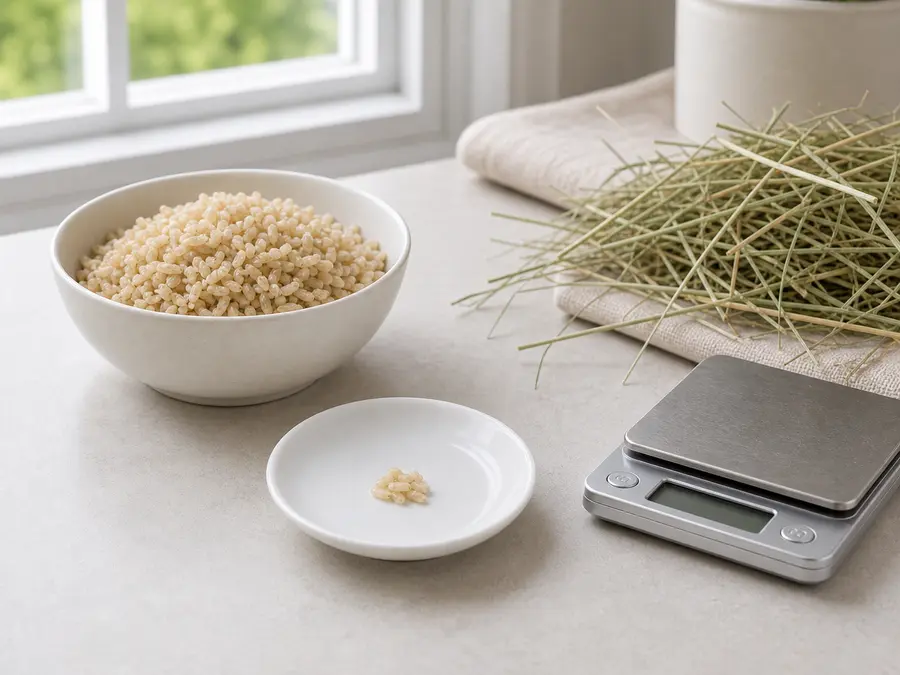
Guinea pigs, rats, or hamsters: one or two tiny removed kernels. Mice or gerbils: a kernel piece. Chinchillas and ferrets: none.
Helpful food-safety supplies
Optional tools for measuring, storing, serving, and cleaning up small portions safely.
Affiliate links: Furball Cove may earn from qualifying purchases at no extra cost to you.