Updated
Small mammal food safety
Can Small Mammals Eat Honey?
Avoid
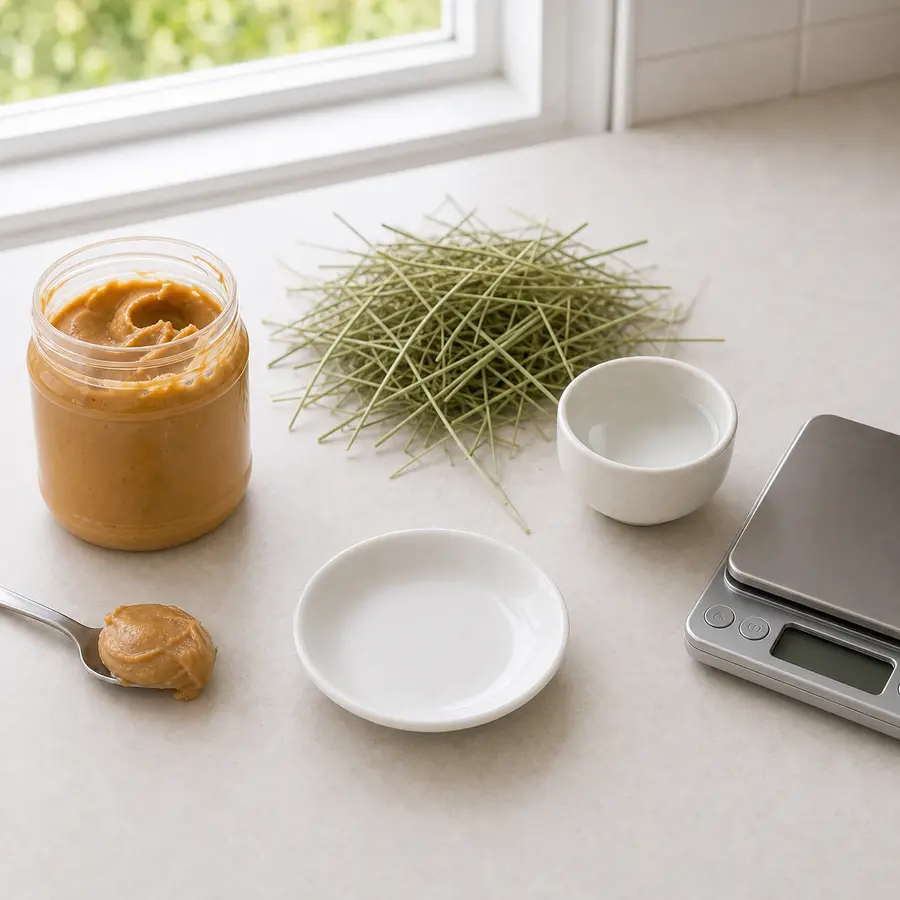
No. Honey is concentrated sugar and sticky residue, not useful small-mammal food. It can soil fur and bedding and may be mixed into unsafe treats.
 Honey
HoneyGuinea pigs
Skip honey
Do not feed honey to guinea pigs. Hay, vitamin C foods, pellets, and water matter more than sugar.
Syrian and dwarf hamsters
Skip honey
Do not use honey as a hamster treat. Sticky sugar can be hoarded, smeared, and overdone quickly.
Rats
Skip honey
Do not use honey as a rat treat. Balanced rat food and controlled fresh foods are better choices.
Mice
Skip honey
Do not feed honey to mice. A lick is a large sugar amount at mouse size.
Gerbils
Skip honey
Do not feed honey to gerbils. Keep the diet dry, balanced, and species-appropriate.
Chinchillas
Do not feed
Do not feed honey to chinchillas. Sugar and sticky moisture are poor fits for hay-centered digestion.
Ferrets
Do not feed
Do not feed honey to ferrets. Ferrets need meat-based food, not sugar syrup.
Not medicine
Honey is sometimes treated like a home remedy, but it does not solve appetite, mouth, breathing, digestive, or dental problems.
Check coated treats
Honey often appears on seed sticks, cereal, granola, baked goods, and yogurt drops. Those products add more reasons to remove it.
Clean it up
- Remove honey, sticky spoons, drips, coated seeds, treat sticks, wrappers, and contaminated bedding.
- Check whether the honey was mixed with chocolate, nuts, raisins, cereal, medication, essential oils, or sugar-free ingredients.
- Return to the normal diet and watch appetite, stool or droppings, breathing, movement, and energy.
Avoid
- Honey, honey water, honey sticks, seed bells, honey-coated treats, honey cereal, honey yogurt drops, baked goods, sticky drips, and honey used to hide medicine.
- Honey for guinea pigs, chinchillas, ferrets, tiny rodents, or animals with appetite, stool, weight, dental, urinary, or digestive concerns.
- Using honey to soothe the mouth, fix poor appetite, or make food more tempting.
Watch
- Reduced appetite, fewer droppings, soft stool, diarrhea, bloating, sticky fur, paw chewing, mouth discomfort, quietness, or unusual posture.
- Call an exotic-pet veterinarian promptly for a meaningful amount, a tiny or weak animal, mixed risky ingredients, or any abnormal signs.
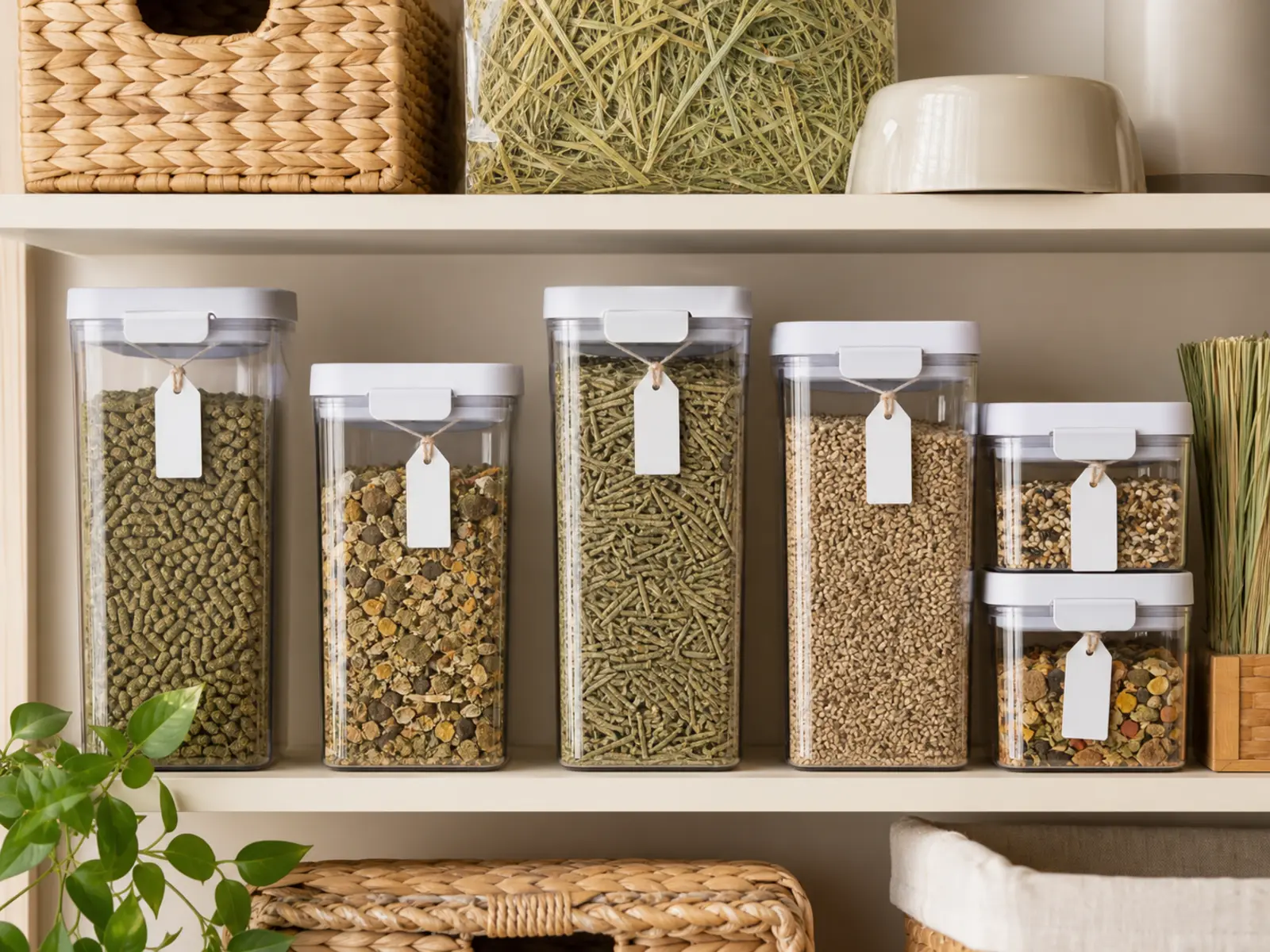
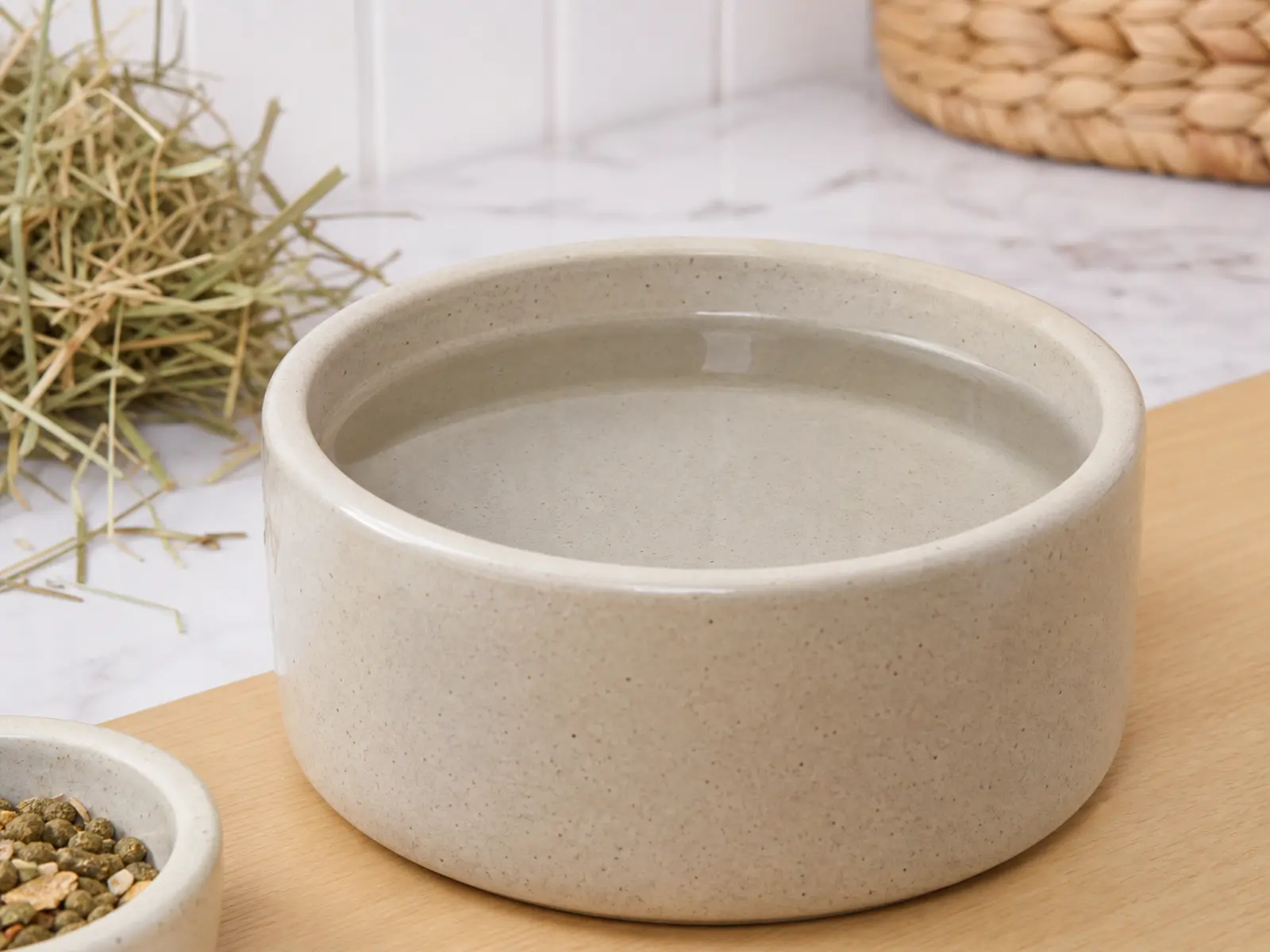
Helpful food-safety supplies
Optional tools for measuring, storing, serving, and cleaning up small portions safely.
Affiliate links: Furball Cove may earn from qualifying purchases at no extra cost to you.