Updated
Small mammal food safety
Can Small Mammals Eat Wild Plants?
Unsafe
No. Wild plants are not safe forage unless you can identify the plant, confirm the source is clean, and know the species can eat it. If an unknown yard, trail, weed, or garden plant was eaten, remove access and call an exotic-pet veterinarian or poison hotline.
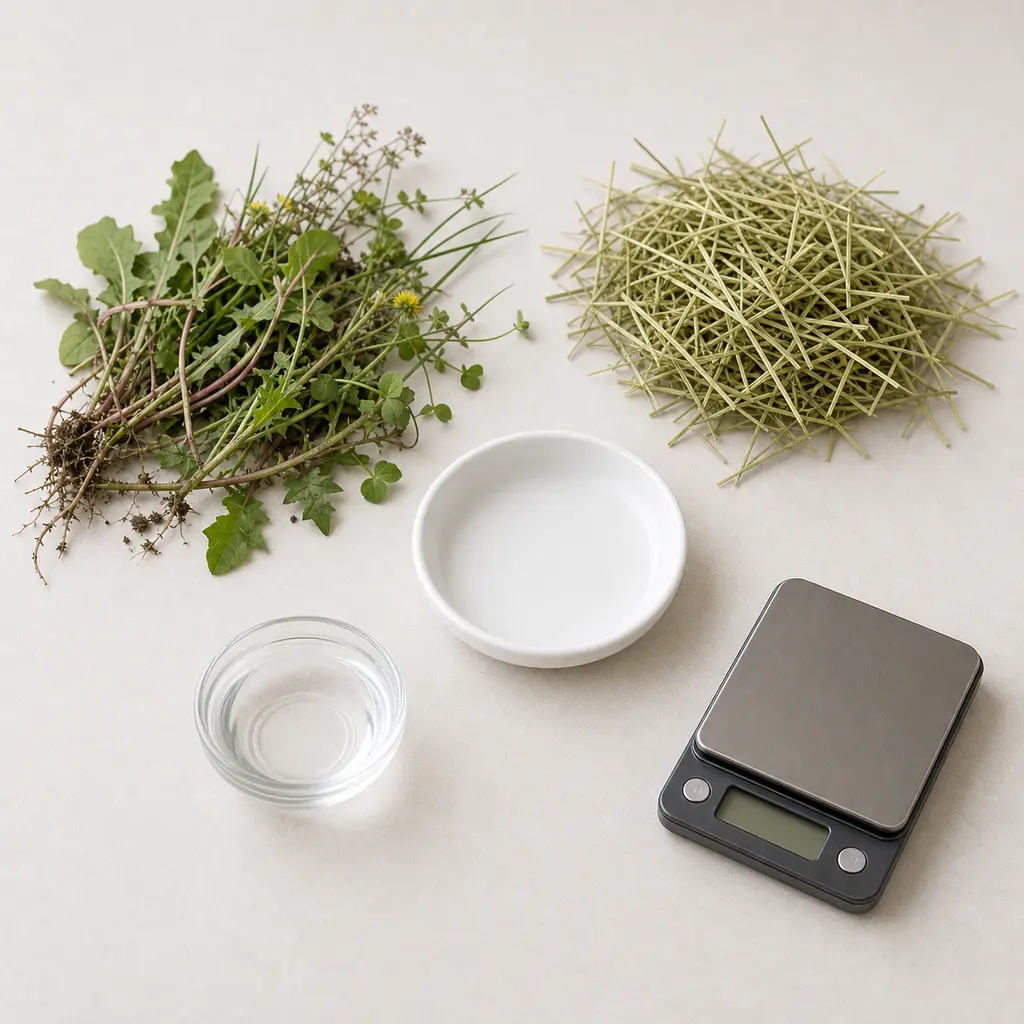 Wild plants
Call before guessing
If any small mammal ate or chewed an unknown wild plant, yard weed, garden plant, or plant from a sprayed area, call an exotic-pet veterinarian or poison hotline with the species, weight, plant description, amount, time, source, and symptoms.
Guinea pigs
Call if exposed
Do not feed wild plants to guinea pigs. If an unknown wild plant, yard weed, garden plant, or plant from a sprayed area was eaten or chewed, remove access and call with the species, weight, plant description, amount, time, source, and symptoms.
Syrian and dwarf hamsters
Call if exposed
Do not feed wild plants to Syrian and dwarf hamsters. If an unknown wild plant, yard weed, garden plant, or plant from a sprayed area was eaten or chewed, remove access and call with the species, weight, plant description, amount, time, source, and symptoms.
Rats
Call if exposed
Do not feed wild plants to rats. If an unknown wild plant, yard weed, garden plant, or plant from a sprayed area was eaten or chewed, remove access and call with the species, weight, plant description, amount, time, source, and symptoms.
Mice
Call if exposed
Do not feed wild plants to mice. If an unknown wild plant, yard weed, garden plant, or plant from a sprayed area was eaten or chewed, remove access and call with the species, weight, plant description, amount, time, source, and symptoms.
Gerbils
Call if exposed
Do not feed wild plants to gerbils. If an unknown wild plant, yard weed, garden plant, or plant from a sprayed area was eaten or chewed, remove access and call with the species, weight, plant description, amount, time, source, and symptoms.
Chinchillas
Call if exposed
Do not feed wild plants to chinchillas. If an unknown wild plant, yard weed, garden plant, or plant from a sprayed area was eaten or chewed, remove access and call with the species, weight, plant description, amount, time, source, and symptoms.
Ferrets
Call if exposed
Do not feed wild plants to ferrets. If an unknown wild plant, yard weed, garden plant, or plant from a sprayed area was eaten or chewed, remove access and call with the species, weight, plant description, amount, time, source, and symptoms.
Identification is only one part
A plant also needs a clean source, no chemical exposure, and a species-specific reason to feed it. Unknown plants should be removed.
Photos help the call
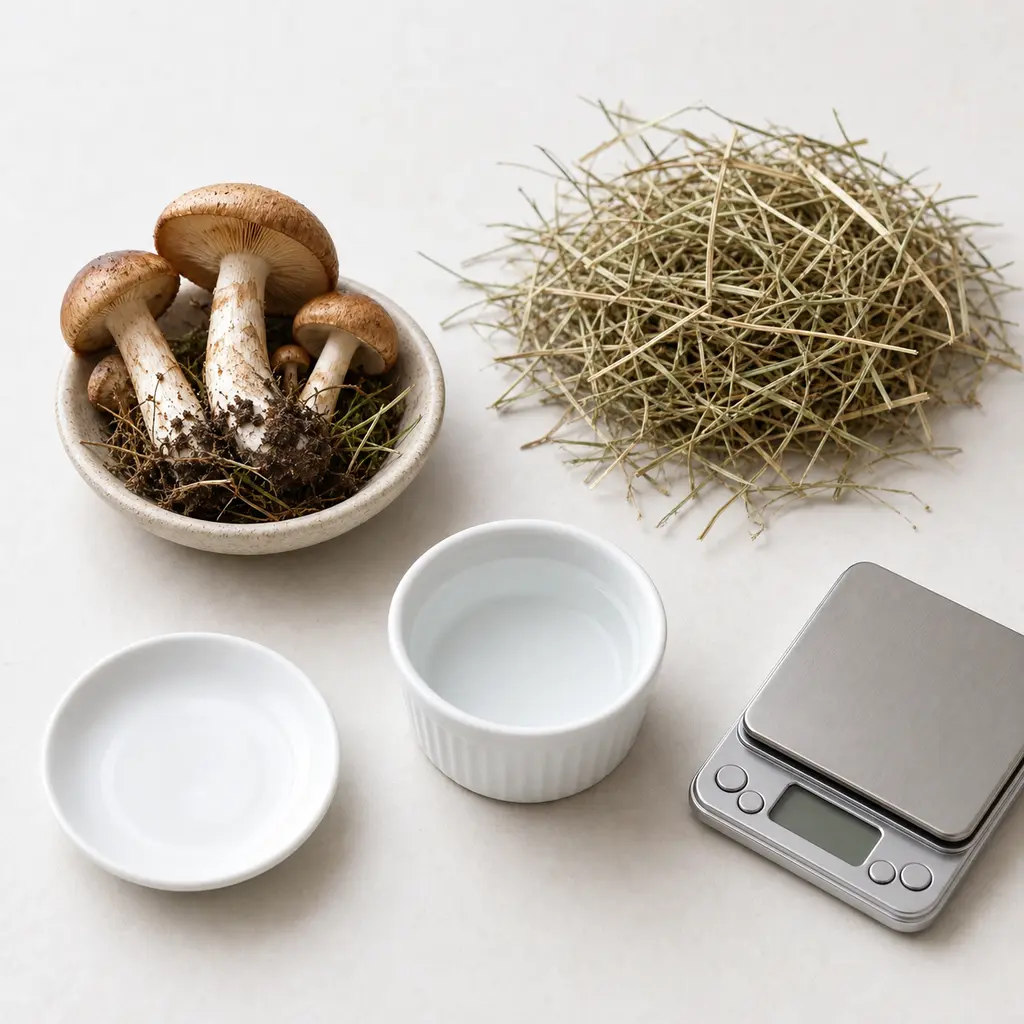
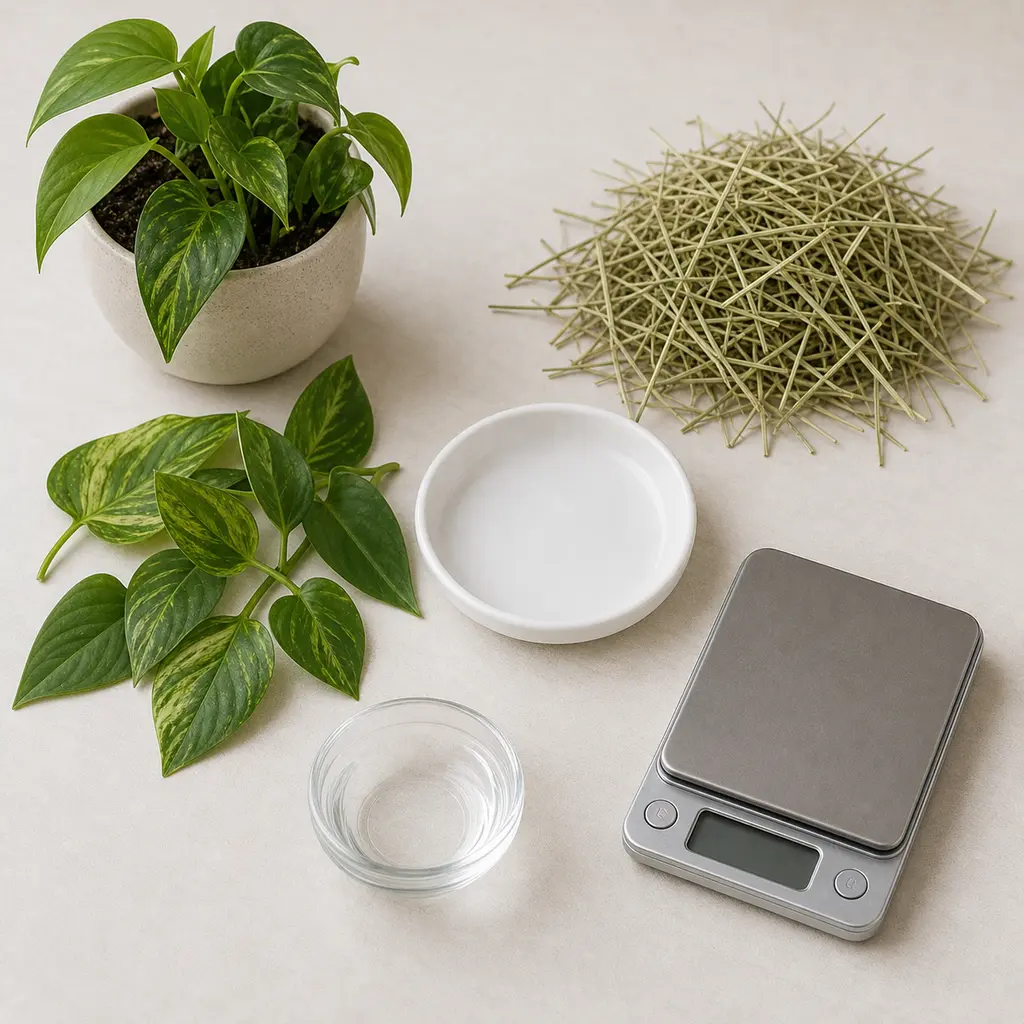
Leaf shape, flowers, roots, the whole plant, and where it grew are more useful than a loose torn leaf.
If exposure happened
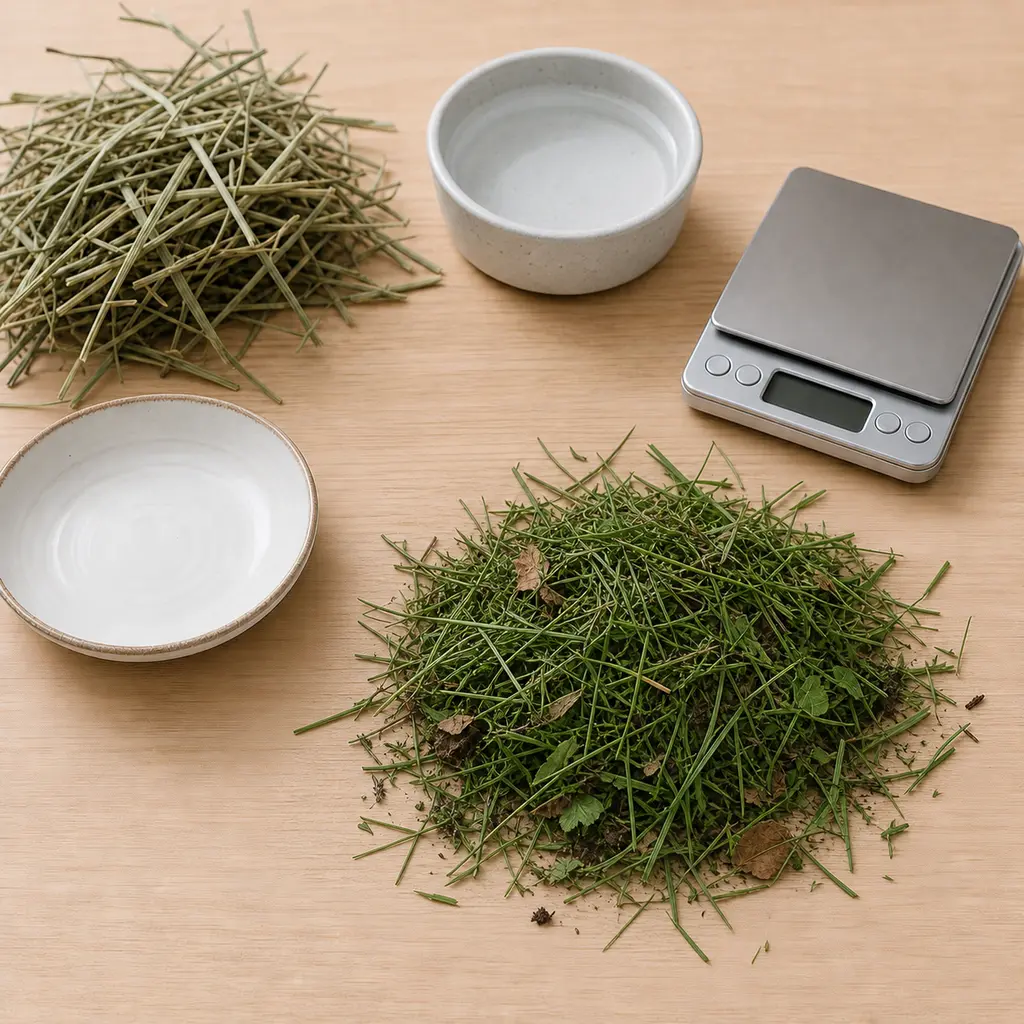
- Remove wild plants, soil, grass, clippings, seeds, roots, and any contaminated hay, food, or bedding.
- Take photos of the plant, leaf shape, stem, flower or seed head, and where it was found.
- Call with the plant description, source, possible pesticide or fertilizer exposure, amount, time, and symptoms.
Avoid
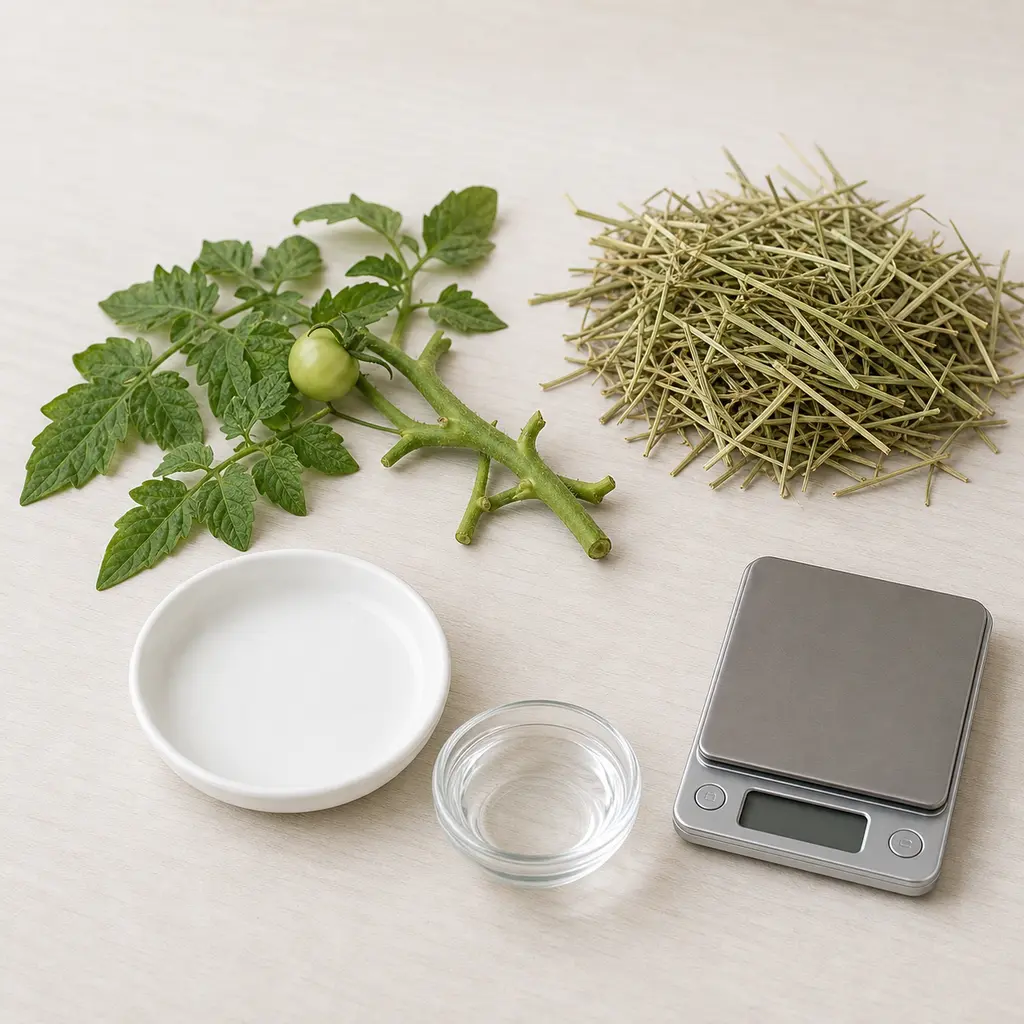
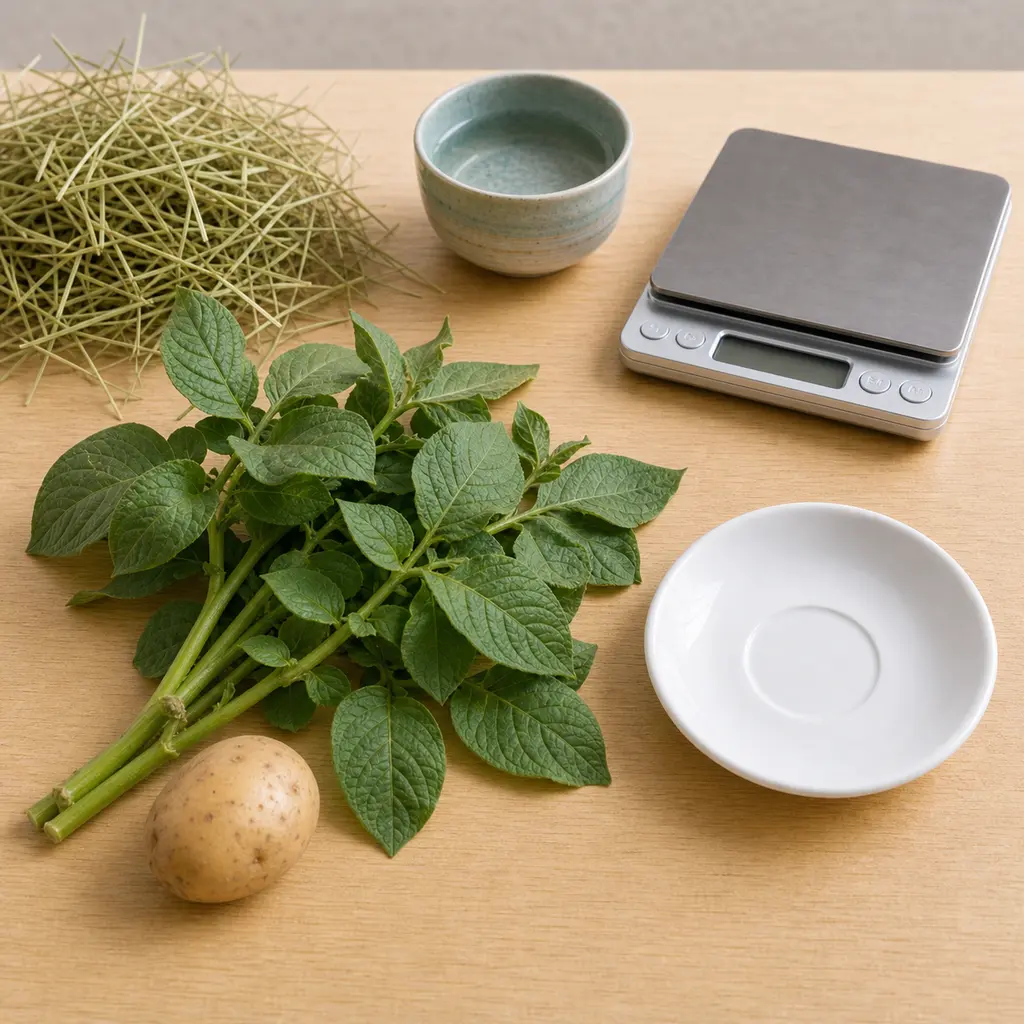
- Unknown weeds, trail plants, garden trimmings, roadside plants, sprayed lawns, compost plants, roots, bulbs, seed heads, and plants from public spaces.
- Letting small mammals graze outside without plant identification and chemical history.
- Using a plant-identification app as the only safety check before feeding.
Helpful food-safety supplies
Optional tools for measuring, storing, serving, and cleaning up small portions safely.
Affiliate links: Furball Cove may earn from qualifying purchases at no extra cost to you.