Updated
Small mammal food safety
Can Small Mammals Eat Millet?
Measured seed
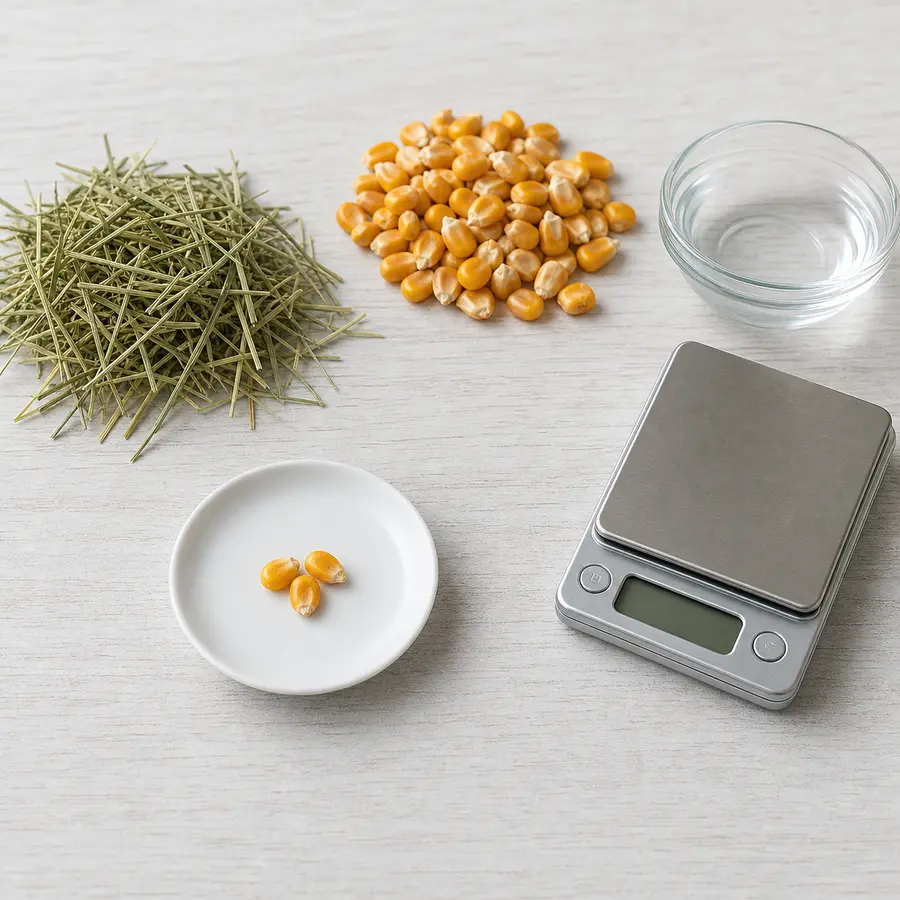
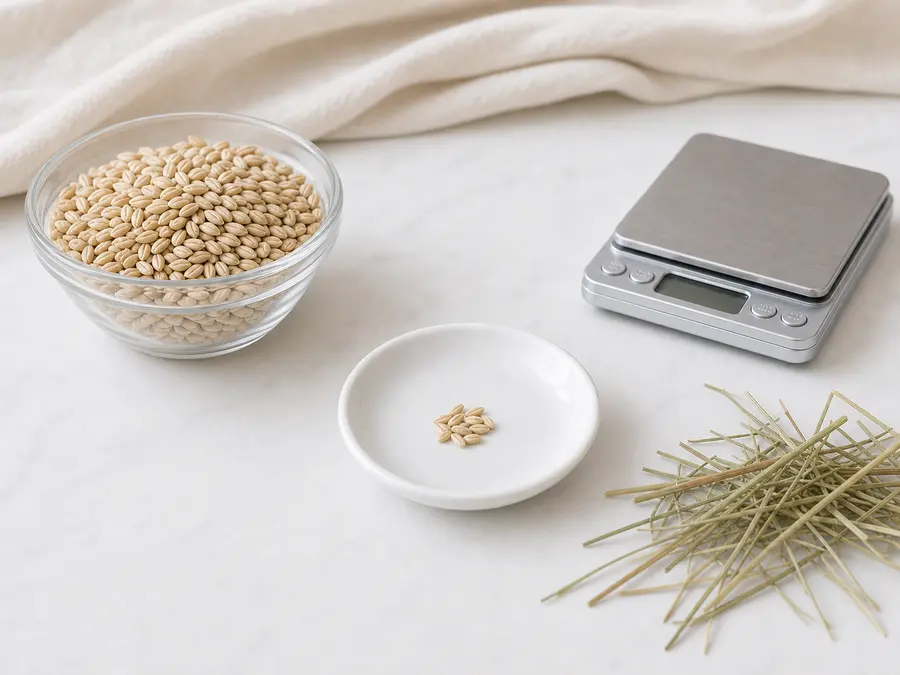
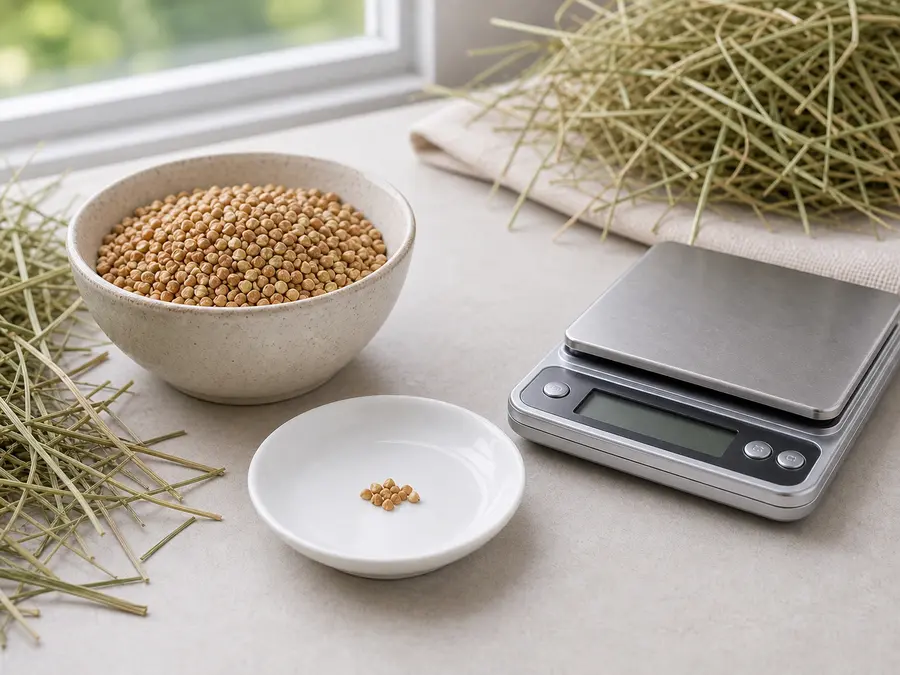
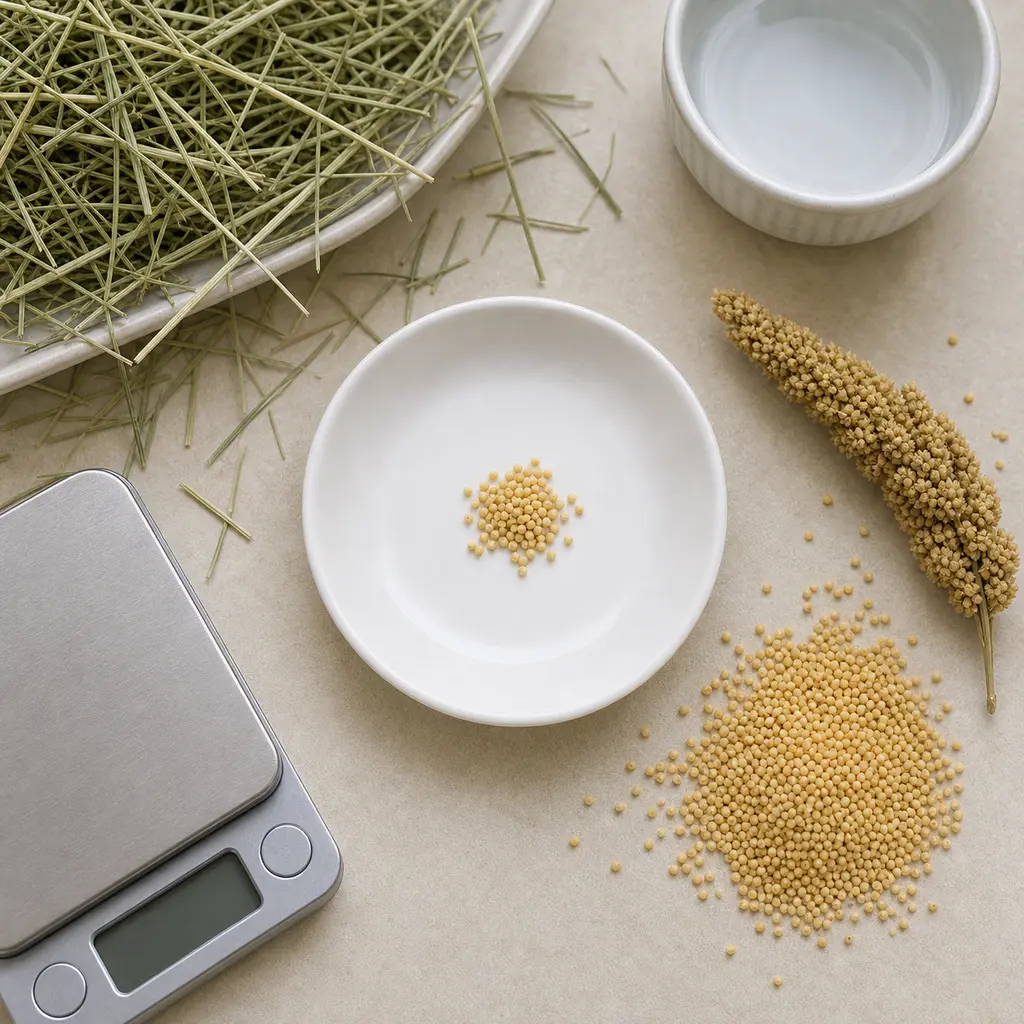
Plain millet can be a tiny measured seed or grain extra for hamsters, mice, gerbils, and some rats. Guinea pigs and chinchillas should usually skip millet, and ferrets should not eat it.
 Millet
Guinea pigs
Usually skip
Millet is not useful for guinea pigs. Hay, pellets, water, and vitamin C foods matter more than seed extras.
Syrian and dwarf hamsters
Few seeds
A hamster may have a few plain millet seeds occasionally. Avoid honey sprays and check hoards.
Rats
Tiny pinch
A rat may have a tiny plain millet pinch occasionally if the staple diet and body condition stay steady.
Mice
Few seeds
A mouse needs only a few plain seeds. Remove stale hoards.
Gerbils
Tiny pinch
A gerbil may have a tiny plain millet pinch, but it should not replace balanced gerbil food.
Chinchillas
Skip seeds
Do not feed millet to chinchillas. Seed and grain extras are a poor fit for hay-centered digestion.
Ferrets
Do not feed
Do not feed millet to ferrets. Ferrets need meat-based food, not seeds or grains.
A spray is too much
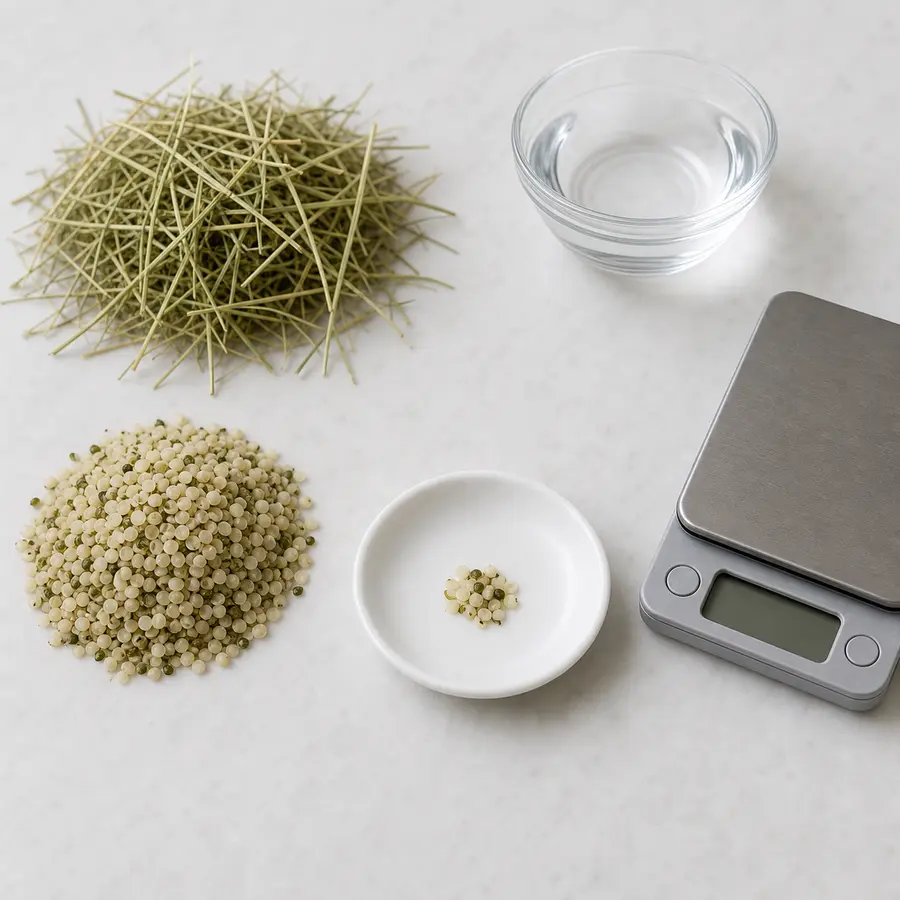
A whole millet spray encourages overeating and hoarding. Break off a tiny plain amount if the species can have it.
Bird mixes are different
Honey sticks, seed bells, grit, shells, and mixed bird seed are not plain measured millet.
Measure the seeds
- Use plain dry millet seeds or a small plain millet-spray piece with no coating.
- Break off a tiny amount instead of leaving a whole spray in the habitat.
- Remove stale millet, damp seeds, buried seeds, or old hoards before they mold.
Avoid
- Bird seed mixes, honey seed sticks, seed bells, salted snacks, colored pellets, grit, shells, stale sprays, moldy seeds, and daily free-feeding.
- Millet for guinea pigs, chinchillas, ferrets, overweight animals, animals with dental or digestive concerns, or any animal that hoards damp food.
- Using millet as the staple diet or as a replacement for species-appropriate food.
Watch
- Selective feeding, weight gain, stale hoards, soft stool, reduced appetite for the normal staple, fewer droppings, or moldy seed caches.
- Call an exotic-pet veterinarian promptly if appetite drops, droppings change, or a guinea pig or chinchilla eats less.
Portion
Hamsters, mice, gerbils, or rats: a few seeds or a tiny pinch occasionally. Guinea pigs, chinchillas, and ferrets: none.
Helpful food-safety supplies
Optional tools for measuring, storing, serving, and cleaning up small portions safely.
Affiliate links: Furball Cove may earn from qualifying purchases at no extra cost to you.