Updated
Small mammal food safety
Can Small Mammals Eat Mushrooms?
Unsafe
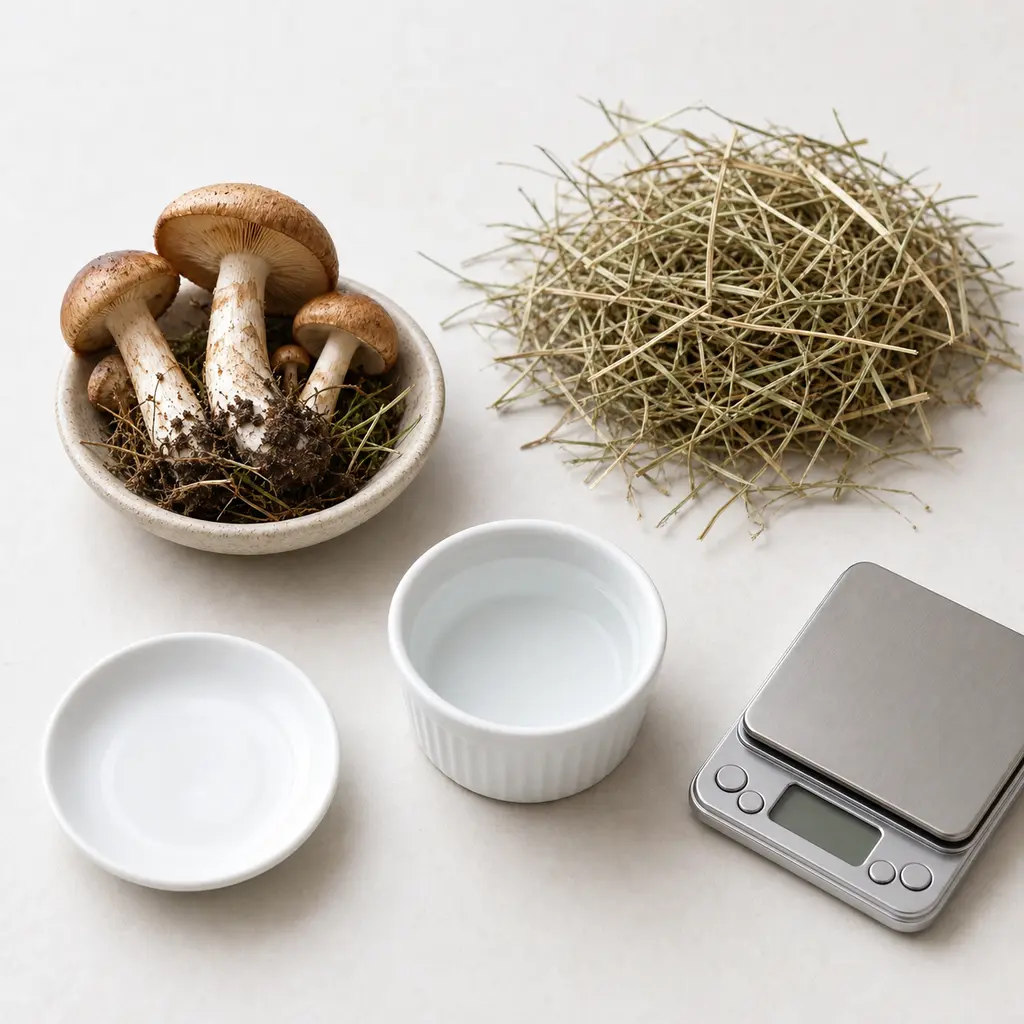
No. Mushrooms are not useful small-mammal treats. Skip them; if the mushroom was wild, unknown, spoiled, seasoned, or symptoms appear after any mushroom was eaten, call an exotic-pet veterinarian or poison hotline.
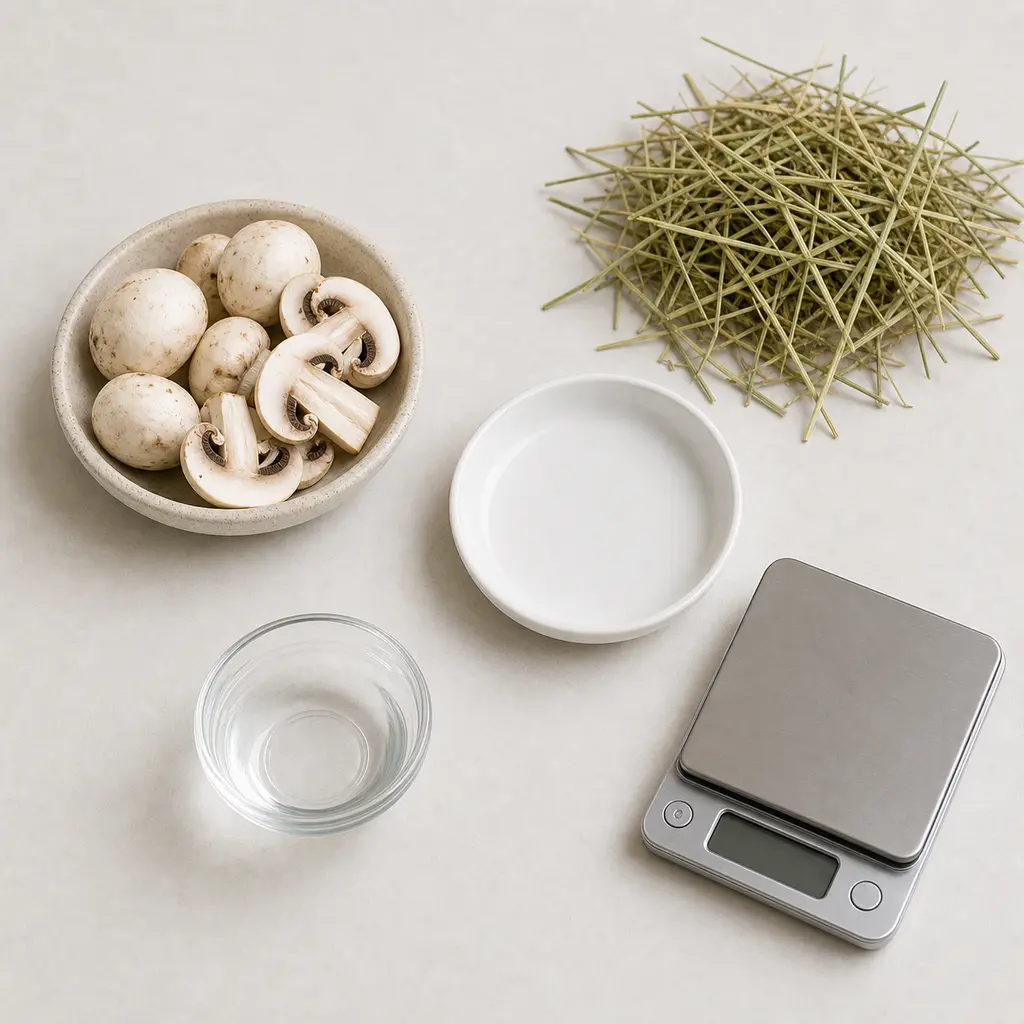 Mushrooms
Call before guessing
If any small mammal ate a wild, unknown, spoiled, or seasoned mushroom, or has symptoms after mushroom exposure, call an exotic-pet veterinarian or poison hotline with the species, weight, mushroom type, amount, time, and symptoms.
Guinea pigs
Call if exposed
Do not feed mushrooms to guinea pigs. If wild, unknown, spoiled, seasoned, or symptomatic mushroom exposure happened, remove access and call with the species, weight, mushroom type, amount, time, and symptoms.
Syrian and dwarf hamsters
Call if exposed
Do not feed mushrooms to Syrian and dwarf hamsters. If wild, unknown, spoiled, seasoned, or symptomatic mushroom exposure happened, remove access and call with the species, weight, mushroom type, amount, time, and symptoms.
Rats
Call if exposed
Do not feed mushrooms to rats. If wild, unknown, spoiled, seasoned, or symptomatic mushroom exposure happened, remove access and call with the species, weight, mushroom type, amount, time, and symptoms.
Mice
Call if exposed
Do not feed mushrooms to mice. If wild, unknown, spoiled, seasoned, or symptomatic mushroom exposure happened, remove access and call with the species, weight, mushroom type, amount, time, and symptoms.
Gerbils
Call if exposed
Do not feed mushrooms to gerbils. If wild, unknown, spoiled, seasoned, or symptomatic mushroom exposure happened, remove access and call with the species, weight, mushroom type, amount, time, and symptoms.
Chinchillas
Call if exposed
Do not feed mushrooms to chinchillas. If wild, unknown, spoiled, seasoned, or symptomatic mushroom exposure happened, remove access and call with the species, weight, mushroom type, amount, time, and symptoms.
Ferrets
Call if exposed
Do not feed mushrooms to ferrets. If wild, unknown, spoiled, seasoned, or symptomatic mushroom exposure happened, remove access and call with the species, weight, mushroom type, amount, time, and symptoms.
Skip the category
Mushrooms do not solve a diet problem for small mammals. Safer fresh-food choices already exist for species that can have vegetables.
Source changes urgency
A plain store mushroom is different from a yard mushroom. Wild, unknown, spoiled, or seasoned mushrooms should be treated as a call.
If exposure happened
- Remove mushrooms, mushroom pieces, seasoning, sauce, soil, and any contaminated food or bedding.
- Save the package, ingredient list, or clear photos if you know the source.
- Call promptly if the mushroom was wild, unknown, spoiled, seasoned, or if appetite, stool, droppings, breathing, or energy changes.
Avoid
- Raw mushrooms, cooked mushrooms, wild mushrooms, dried mushrooms, mushroom stems, mushroom soups, sauces, garlic, onion, butter, salt, oil, and spoiled mushrooms.
- Using mushrooms as vegetables for guinea pigs, hamsters, rats, mice, gerbils, chinchillas, or ferrets.
- Guessing that an unknown mushroom is safe because it looks like a store mushroom.
Helpful food-safety supplies
Optional tools for measuring, storing, serving, and cleaning up small portions safely.
Affiliate links: Furball Cove may earn from qualifying purchases at no extra cost to you.