Updated
Small mammal food safety
Can Small Mammals Eat Orange Peel?
Skip the peel
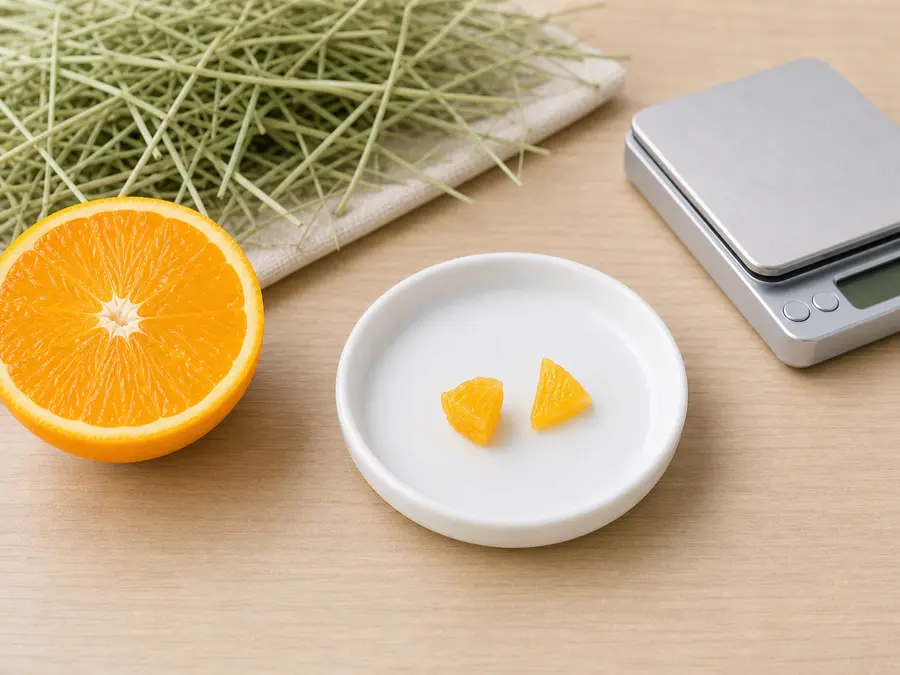
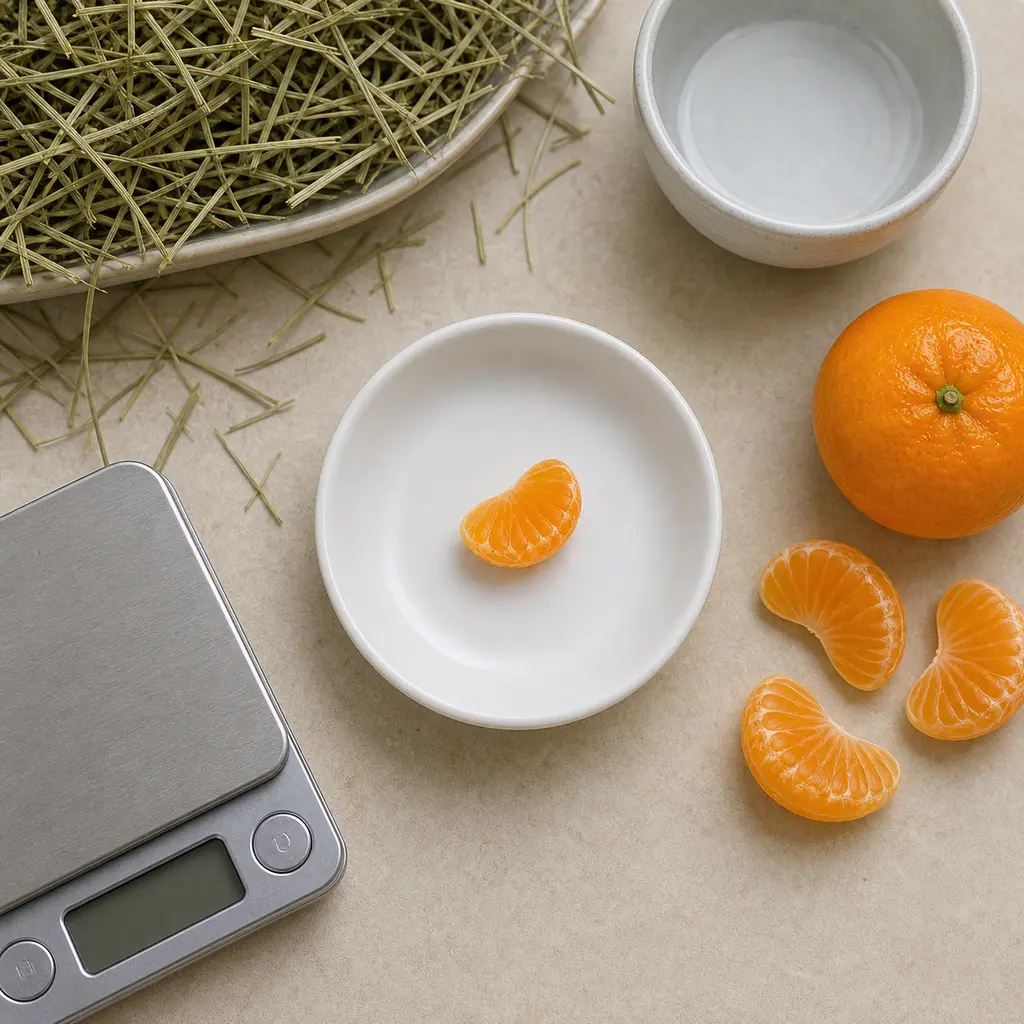
Orange peel is best skipped for small mammals. The peel carries citrus oils, bitter pith, surface residue, and tough texture without adding useful diet value. If citrus fits the animal at all, use a tiny peeled flesh piece instead.
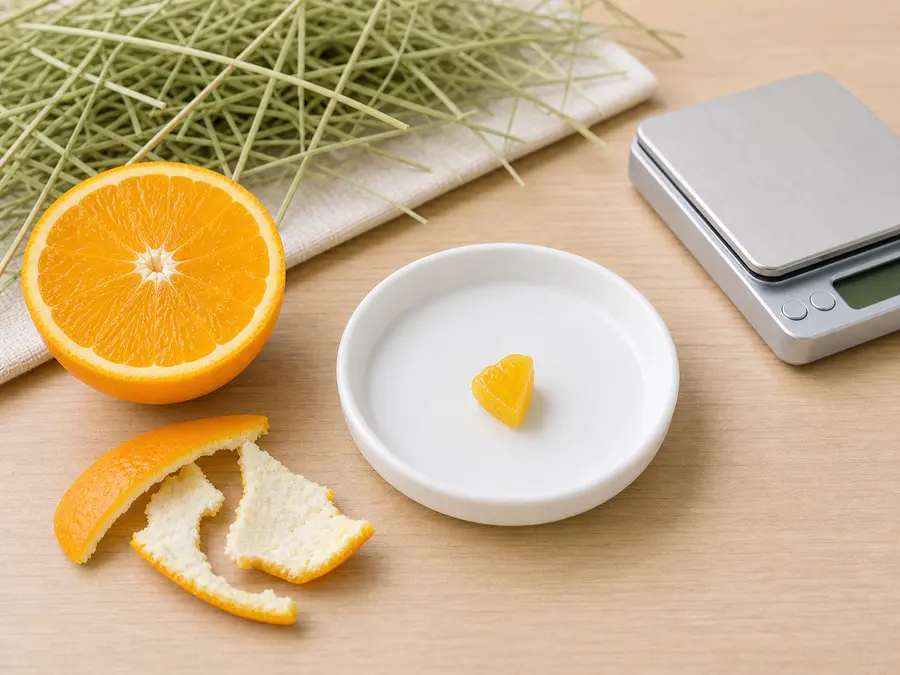 Orange peel
Guinea pigs
Skip peel
Do not feed orange peel to guinea pigs. If citrus fits, use a tiny peeled flesh piece rarely.
Syrian and dwarf hamsters
Skip peel
Do not feed orange peel to hamsters. The oils, pith, and tough texture are not worth offering.
Rats
Skip peel
Do not feed orange peel to rats. Use a tiny peeled flesh piece rarely if citrus fits the diet.
Mice
Skip peel
Do not feed orange peel to mice. The safe answer is to discard the peel.
Gerbils
Skip peel
Do not feed orange peel to gerbils. Keep citrus scraps out of deep bedding.
Chinchillas
Skip peel
Do not feed orange peel or orange flesh to chinchillas.
Ferrets
Do not feed
Do not feed orange peel to ferrets. Ferrets need meat-based food, not fruit scraps.
Peel is the wrong part
Orange peel adds oils, pith, residue, and texture questions. It is not a safer citrus serving.
Flesh still stays tiny
Switching to peeled orange flesh does not make citrus a staple. It remains a rare tiny taste for only some animals.
Discard the peel
- Remove peel, pith, zest, stickers, seeds, and any dry or dirty outer surface.
- If citrus is appropriate, use only a tiny peeled flesh piece.
- Throw away citrus scraps and clean up sticky leftovers promptly.
Avoid
- Orange peel, pith, zest, candied peel, dried citrus peel, marmalade, juice, seeds, stickers, dirty peel, compost scraps, and large citrus pieces.
- Orange peel for chinchillas, ferrets, tiny animals, or animals with mouth irritation or soft stool.
- Any citrus when appetite, stool, droppings, mouth comfort, or energy are already abnormal.
Watch
- Mouth irritation, drooling, pawing at the mouth, soft stool, bloating, reduced appetite, fewer droppings, hidden peel, or quietness after citrus.
- Call an exotic-pet veterinarian if a tiny animal swallowed peel, a large piece is missing, choking signs appear, or appetite or droppings change.
Helpful food-safety supplies
Optional tools for measuring, storing, serving, and cleaning up small portions safely.
Affiliate links: Furball Cove may earn from qualifying purchases at no extra cost to you.