Updated
Small mammal food safety
Can Small Mammals Eat Parsnip?
Tiny starchy bite
Parsnip is a sweet starchy root, not a daily vegetable. A few healthy small mammals may have a tiny plain bite occasionally, but many are better skipping it. Avoid honey-glazed, roasted, salted, buttered, or seasoned parsnip.
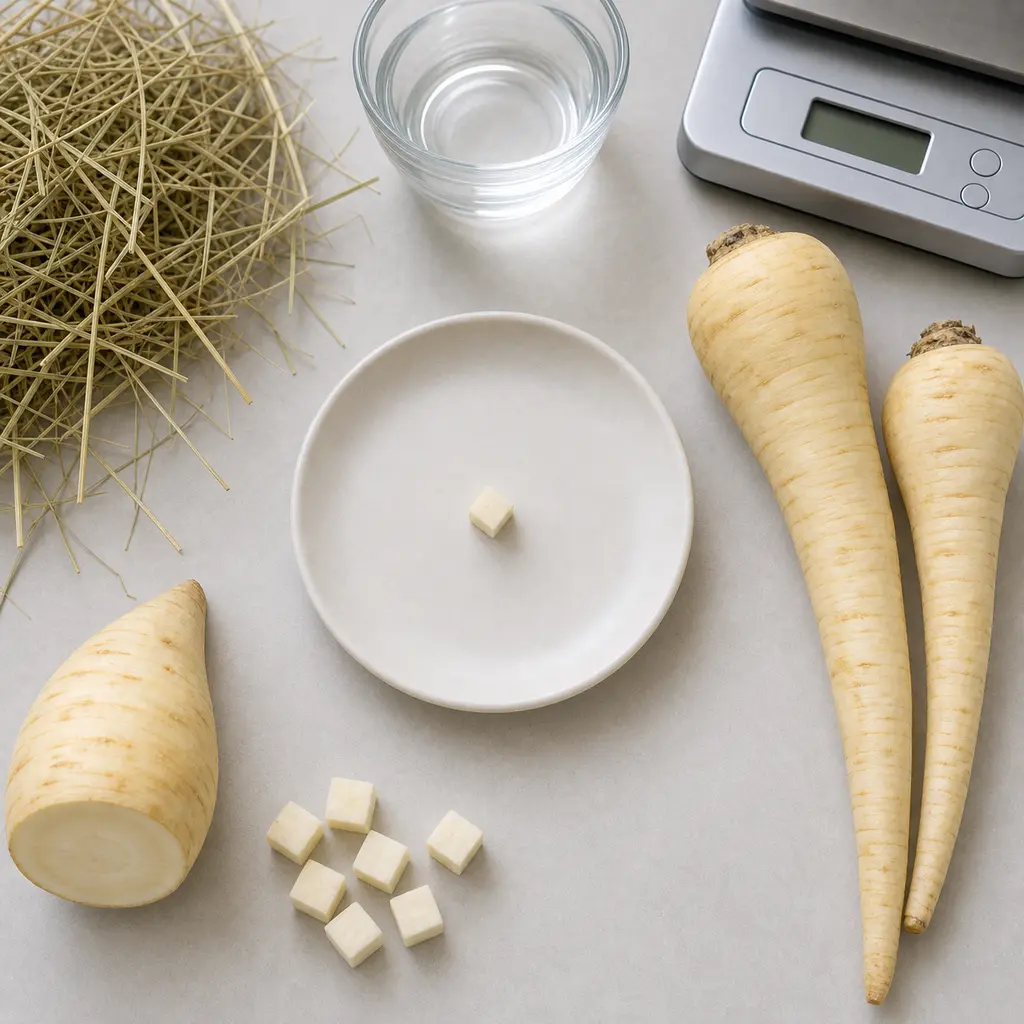 Parsnip
Guinea pigs
Usually skip
A guinea pig is better served by hay and vitamin C greens. If used at all, keep parsnip to a tiny plain bite rarely.
Syrian and dwarf hamsters
Tiny crumb
A hamster may have a tiny plain crumb rarely. Keep starchy treats especially limited for dwarf hamsters.
Rats
Small plain cube
A rat may have a small plain parsnip cube occasionally if the staple diet and stool stay steady.
Mice
Crumb only
A mouse needs only a crumb, and skipping parsnip is usually simpler.
Gerbils
Tiny rare crumb
A gerbil may have a tiny plain crumb rarely, but starchy treats should stay limited.
Chinchillas
Do not feed
Do not feed parsnip to chinchillas unless an exotic-pet veterinarian gives a specific plan.
Ferrets
Do not feed
Do not feed parsnip to ferrets. Ferrets need meat-based food, not starchy roots.
Sweet starchy root
Parsnip is closer to a treat than a leafy vegetable. A tiny plain bite is the limit.
No glazed leftovers
Honey, sugar, butter, oil, salt, garlic, onion, sauces, and roasted leftovers change the food.
Plain root only
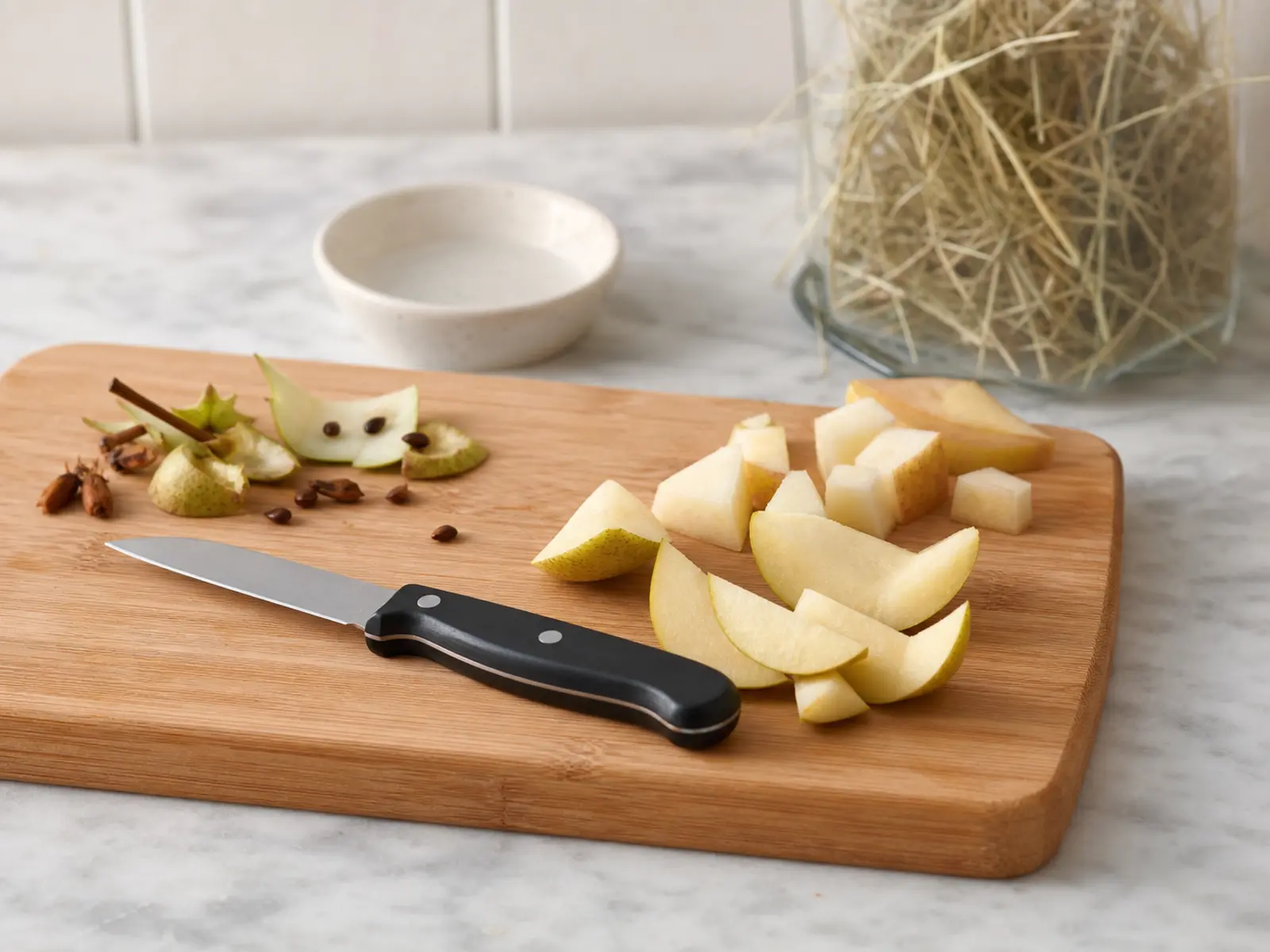
- Wash the parsnip well and trim rough, dirty, or woody surface pieces.
- Use a tiny plain raw or cooked piece with no seasoning, and cool it fully if cooked.
- Remove leftovers before they dry out or get hidden.
Avoid
- Honey-glazed parsnips, roasted parsnips with oil, butter, salt, sugar, garlic, onion, sauce, soup, mash, moldy root, and dirty peel scraps.
- Daily parsnip or portions large enough to replace hay, pellets, or the normal staple.
- Starchy treats when appetite, stool, droppings, weight, or energy are already abnormal.
Watch
- Soft stool, bloating, reduced appetite, fewer droppings, weight gain, hidden parsnip, or a pet ignoring the normal diet.
- Call an exotic-pet veterinarian promptly if a guinea pig, chinchilla, tiny animal, weak animal, or animal with abnormal signs eats less or produces fewer droppings.
Portion
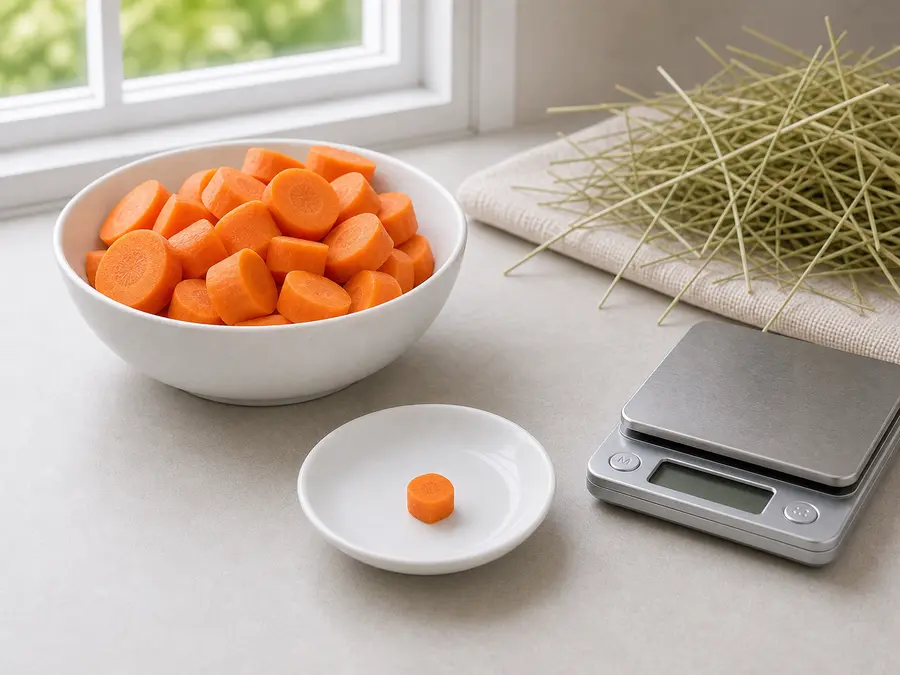
Rats: a small plain cube occasionally. Guinea pigs, hamsters, mice, or gerbils: a tiny crumb rarely or skip. Chinchillas and ferrets: none unless a veterinarian gives a plan.
Helpful food-safety supplies
Optional tools for measuring, storing, serving, and cleaning up small portions safely.
Affiliate links: Furball Cove may earn from qualifying purchases at no extra cost to you.