Updated
Small mammal food safety
Can Small Mammals Eat Turnip?
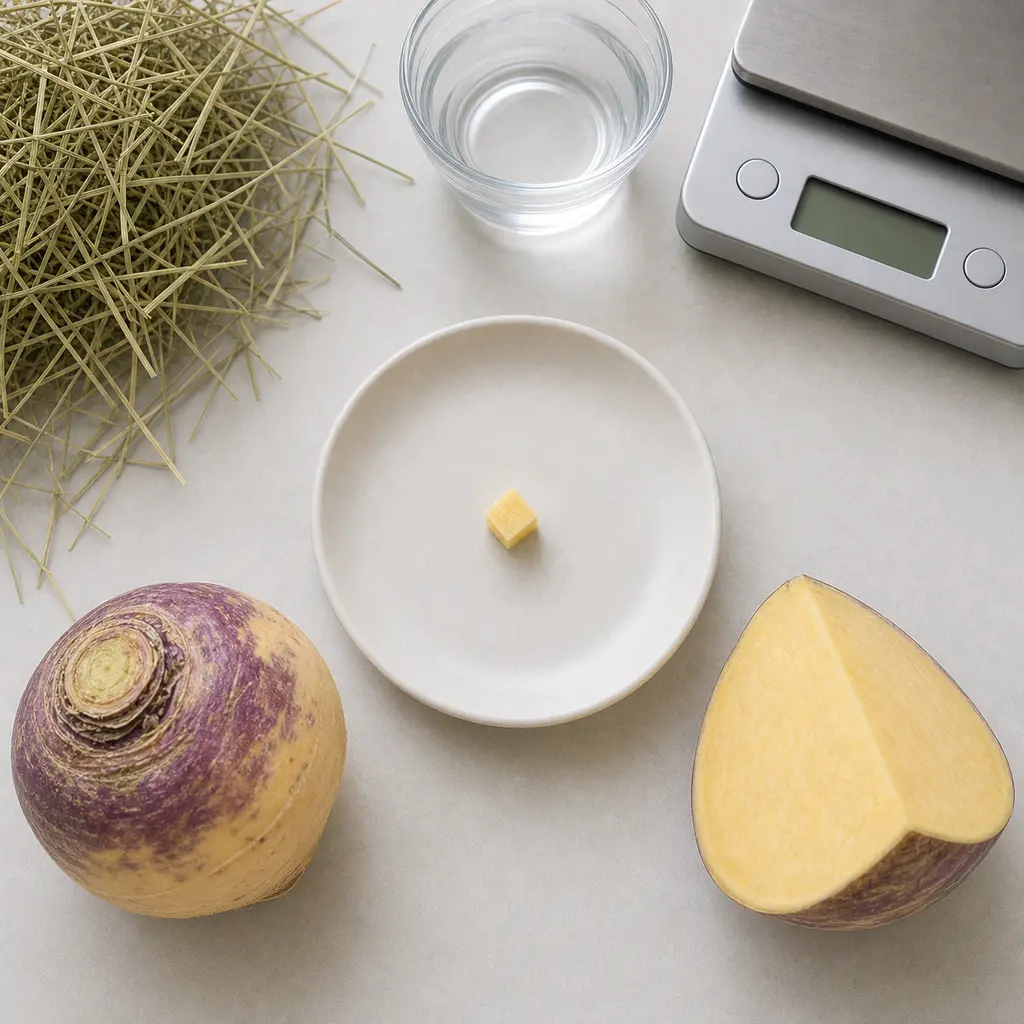
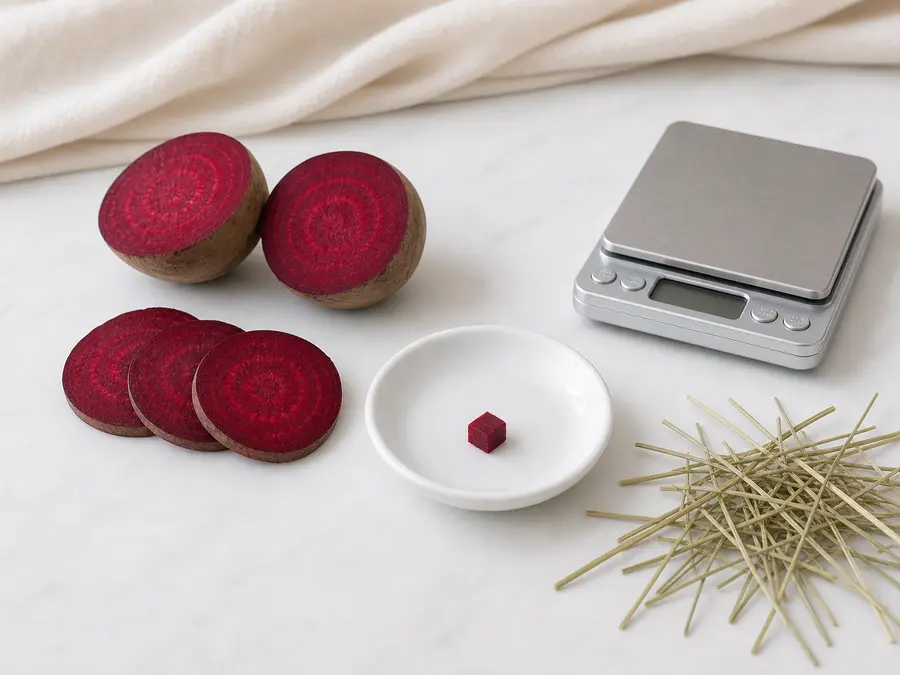
Tiny root piece
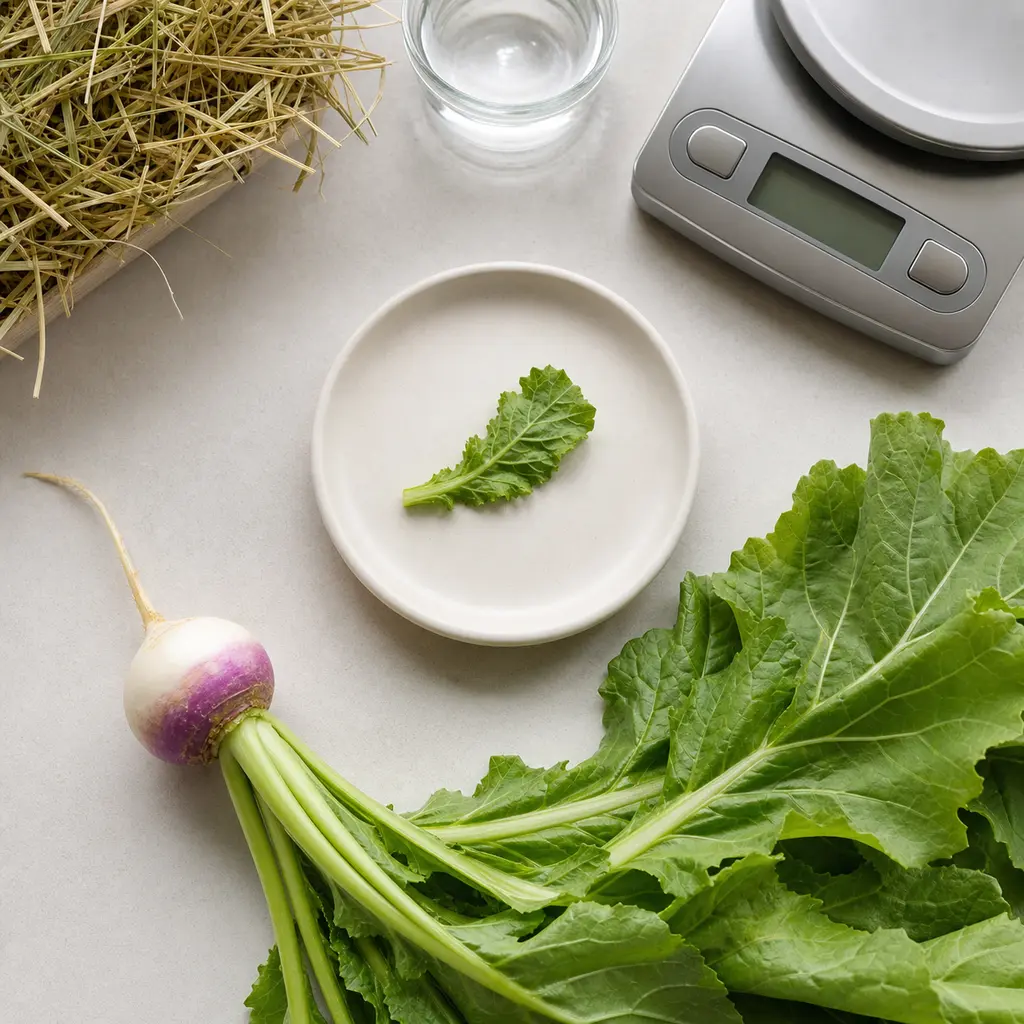
Turnip root is a mild starchy root, not the same as turnip greens. A few healthy small mammals may have a tiny plain piece occasionally. Keep it unseasoned, and skip pickled turnip, mash, butter, salt, and large root portions.
 Turnip
Guinea pigs
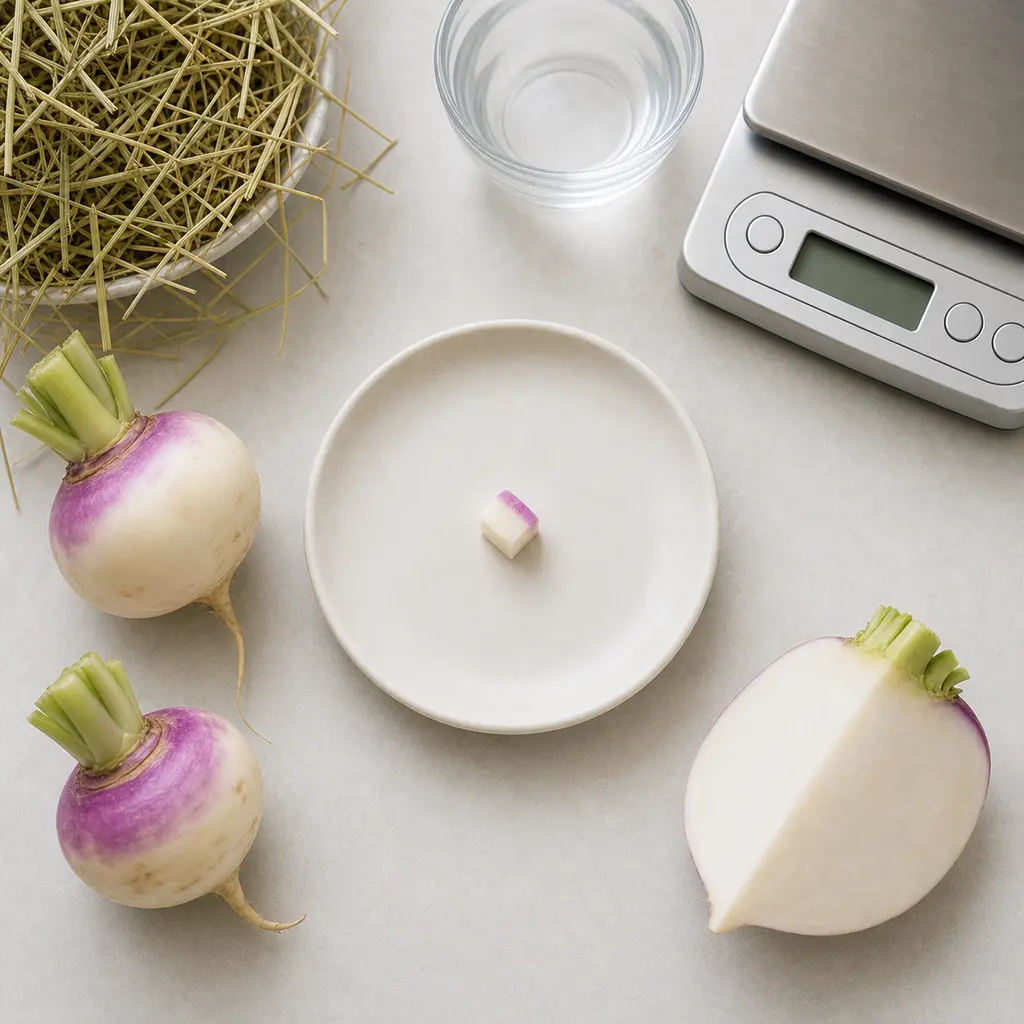
Tiny root cube
A healthy guinea pig may have a tiny plain turnip-root cube occasionally, but leafy vitamin C foods are more useful.
Syrian and dwarf hamsters
Very tiny cube
A hamster may have a very tiny plain cube rarely. Check the hoard for wet leftovers.
Rats
Tiny root cube
A rat may have a tiny plain turnip cube occasionally if the staple diet and stool stay steady.
Mice
Tiny crumb
A mouse needs only a tiny crumb, and skipping turnip root is usually simpler.
Gerbils
Tiny rare cube
A gerbil may have a tiny plain cube rarely, but wet root vegetables should stay limited.
Chinchillas
Skip root vegetables
Skip turnip root for chinchillas unless an exotic-pet veterinarian gives a specific plan.
Ferrets
Do not feed
Do not feed turnip to ferrets. Ferrets need meat-based food, not root vegetables.
Root, not greens
Turnip root and turnip greens are different foods. The root is starchier and should stay tiny.
No pickles or mash
Salt, vinegar, butter, oil, garlic, onion, sugar, and mashed leftovers are not small-mammal foods.
Root, not greens
- Wash and peel or trim the turnip root if the surface is dirty, waxy, or rough.
- Cut one tiny plain cube, raw or cooked without seasoning and cooled.
- Remove leftovers before they dry out or get hidden in bedding.
Avoid
- Pickled turnip, salted turnip, mashed turnip with butter, oil, sugar, garlic, onion, sauce, cooked leftovers, moldy root, dirty scraps, and large root chunks.
- Treating turnip root as the same food as turnip greens.
- Starchy or wet root vegetables when appetite, stool, droppings, or energy are already abnormal.
Watch
- Soft stool, bloating, reduced appetite, fewer droppings, hidden turnip, or quietness after a new root vegetable.
- Call an exotic-pet veterinarian promptly if a guinea pig, chinchilla, tiny animal, weak animal, or animal with abnormal signs eats less or produces fewer droppings.
Portion
Guinea pigs or rats: a tiny cube occasionally. Hamsters, mice, or gerbils: a very tiny cube or skip. Chinchillas and ferrets: none unless a veterinarian gives a plan.
Helpful food-safety supplies
Optional tools for measuring, storing, serving, and cleaning up small portions safely.
Affiliate links: Furball Cove may earn from qualifying purchases at no extra cost to you.