Updated
Small mammal food safety
Can Small Mammals Eat Poinsettia?
Unsafe
No. Poinsettia is not a small-mammal treat. If leaves, red bracts, stems, sap, soil, or plant water were chewed or swallowed, remove access and call an exotic-pet veterinarian or poison hotline.
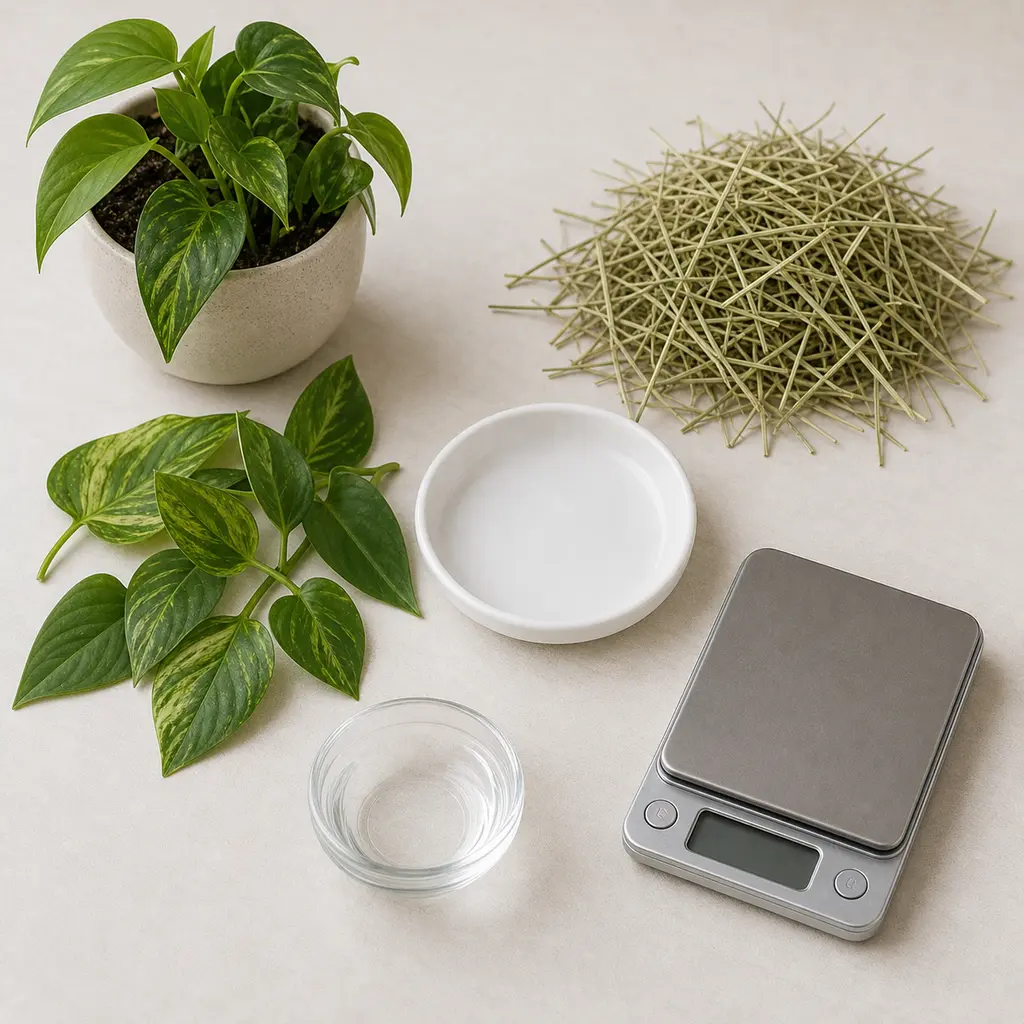
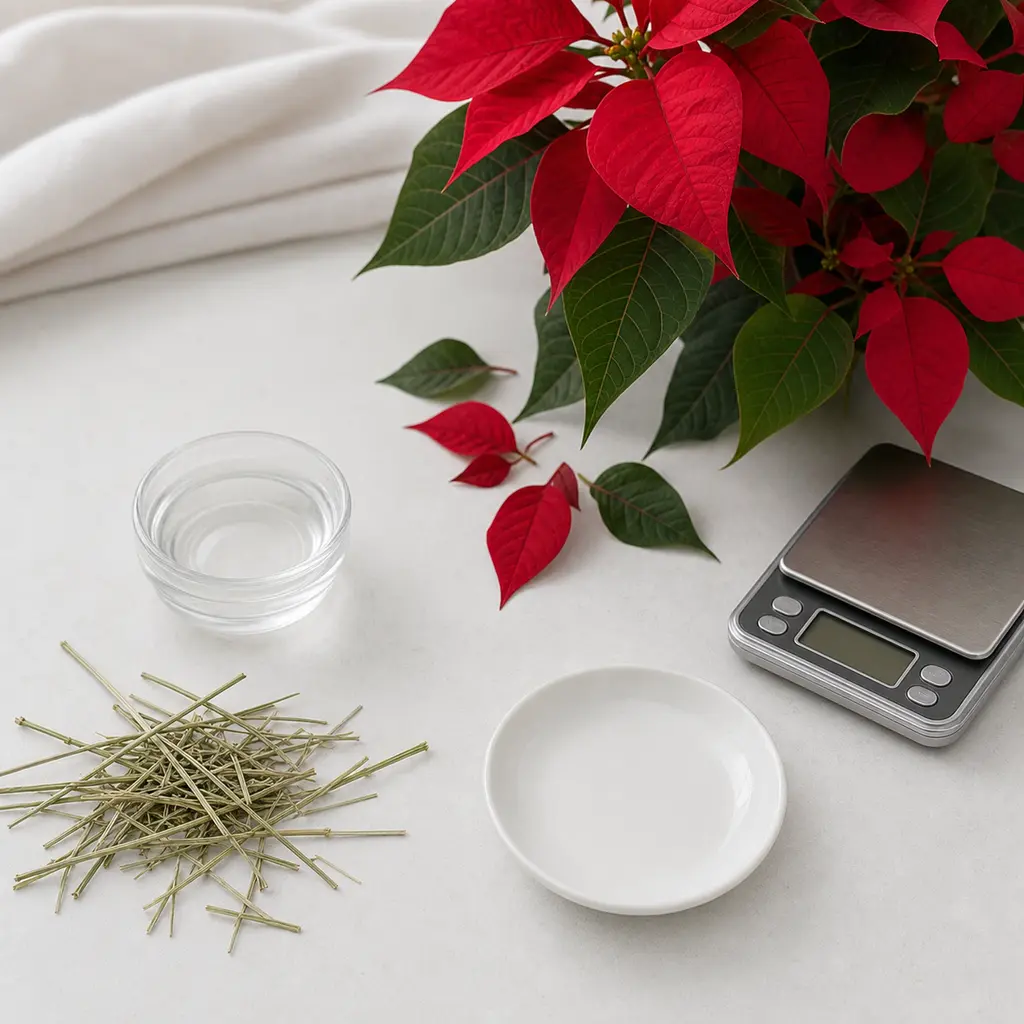 Poinsettia
Call before guessing
If any small mammal ate or chewed poinsettia leaves, red bracts, stems, sap, soil, fertilizer, or plant water, call an exotic-pet veterinarian or poison hotline with the species, weight, plant part, amount, time, and symptoms.
Guinea pigs
Call if exposed
Do not feed poinsettia to guinea pigs. If poinsettia leaves, red bracts, stems, sap, soil, fertilizer, or plant water were eaten or chewed, remove access and call with the species, weight, plant part, amount, time, and symptoms.
Syrian and dwarf hamsters
Call if exposed
Do not feed poinsettia to Syrian and dwarf hamsters. If poinsettia leaves, red bracts, stems, sap, soil, fertilizer, or plant water were eaten or chewed, remove access and call with the species, weight, plant part, amount, time, and symptoms.
Rats
Call if exposed
Do not feed poinsettia to rats. If poinsettia leaves, red bracts, stems, sap, soil, fertilizer, or plant water were eaten or chewed, remove access and call with the species, weight, plant part, amount, time, and symptoms.
Mice
Call if exposed
Do not feed poinsettia to mice. If poinsettia leaves, red bracts, stems, sap, soil, fertilizer, or plant water were eaten or chewed, remove access and call with the species, weight, plant part, amount, time, and symptoms.
Gerbils
Call if exposed
Do not feed poinsettia to gerbils. If poinsettia leaves, red bracts, stems, sap, soil, fertilizer, or plant water were eaten or chewed, remove access and call with the species, weight, plant part, amount, time, and symptoms.
Chinchillas
Call if exposed
Do not feed poinsettia to chinchillas. If poinsettia leaves, red bracts, stems, sap, soil, fertilizer, or plant water were eaten or chewed, remove access and call with the species, weight, plant part, amount, time, and symptoms.
Ferrets
Call if exposed
Do not feed poinsettia to ferrets. If poinsettia leaves, red bracts, stems, sap, soil, fertilizer, or plant water were eaten or chewed, remove access and call with the species, weight, plant part, amount, time, and symptoms.
Holiday decor still counts
A fallen bract or leaf on the floor is enough reason to remove the plant and check the habitat.
Bring plant details
Photos, the label, and the missing plant part help the veterinarian or poison hotline decide what to do next.
If exposure happened
- Remove poinsettia leaves, red bracts, stems, sap, soil, plant water, fertilizer, foil wrap, and contaminated bedding or food.
- Save the plant label or take photos of the plant and any chewed or missing pieces.
- Call with the species, weight, plant part, amount, time, and any mouth, appetite, stool, droppings, breathing, or energy changes.
Avoid
- Poinsettia leaves, red bracts, stems, sap, soil, plant water, fertilizer, foil wrap, fallen pieces, and holiday plant displays near small mammals.
- Using decorative plants or bouquet greens as enrichment.
- Waiting to see whether symptoms develop before cleaning up the exposure.
Watch
- Drooling, mouth irritation, reduced appetite, fewer droppings, soft stool, quietness, wobbliness, or breathing changes.
- Call promptly for swallowed plant material, sap contact, soil or fertilizer exposure, abnormal signs, or a guinea pig or chinchilla eating less.
Helpful food-safety supplies
Optional tools for measuring, storing, serving, and cleaning up small portions safely.
Affiliate links: Furball Cove may earn from qualifying purchases at no extra cost to you.