Updated
Small mammal food safety
Can Small Mammals Eat Raspberries?
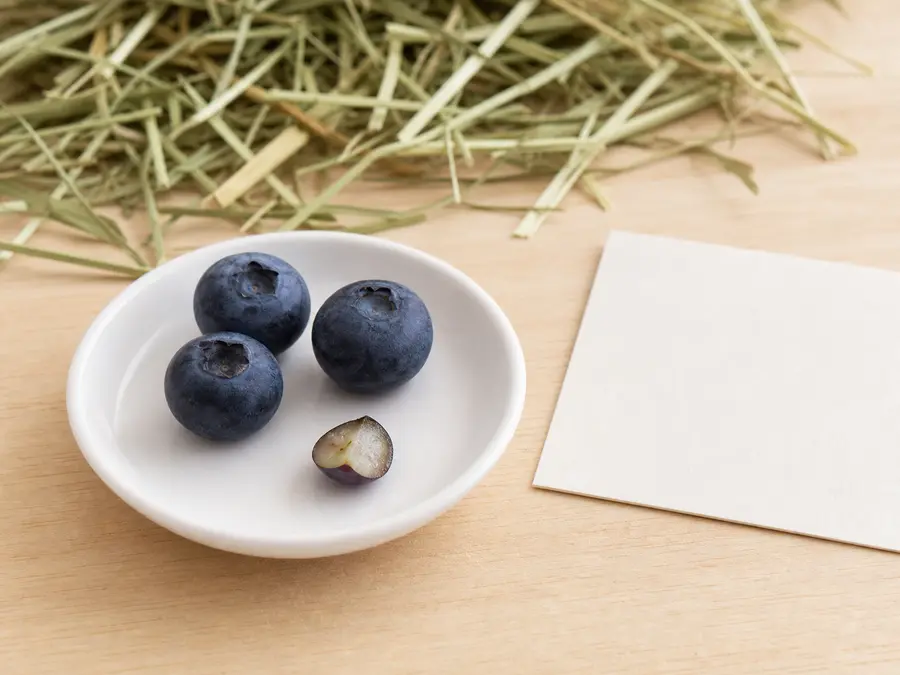
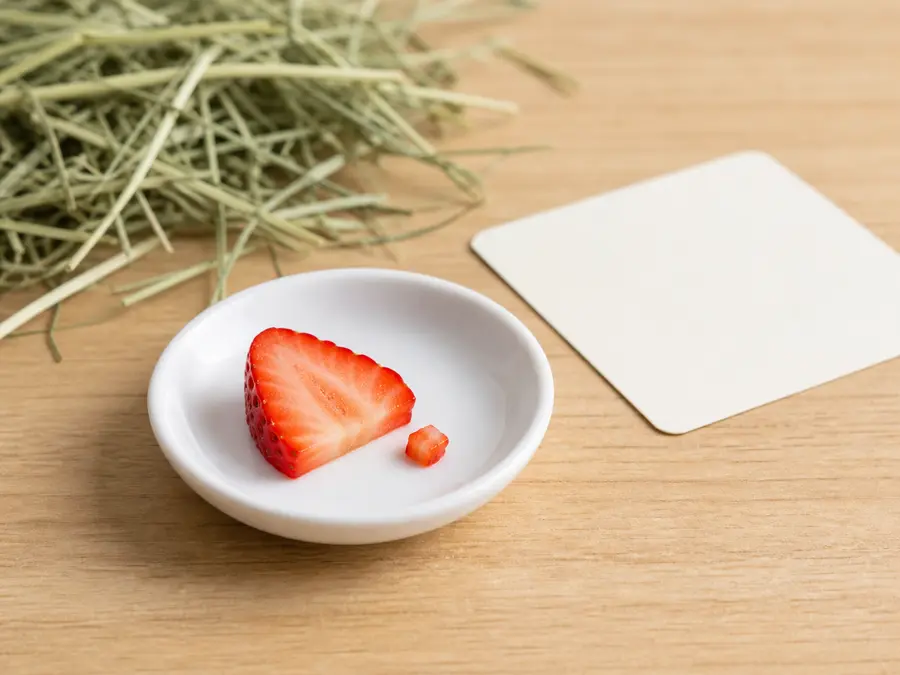
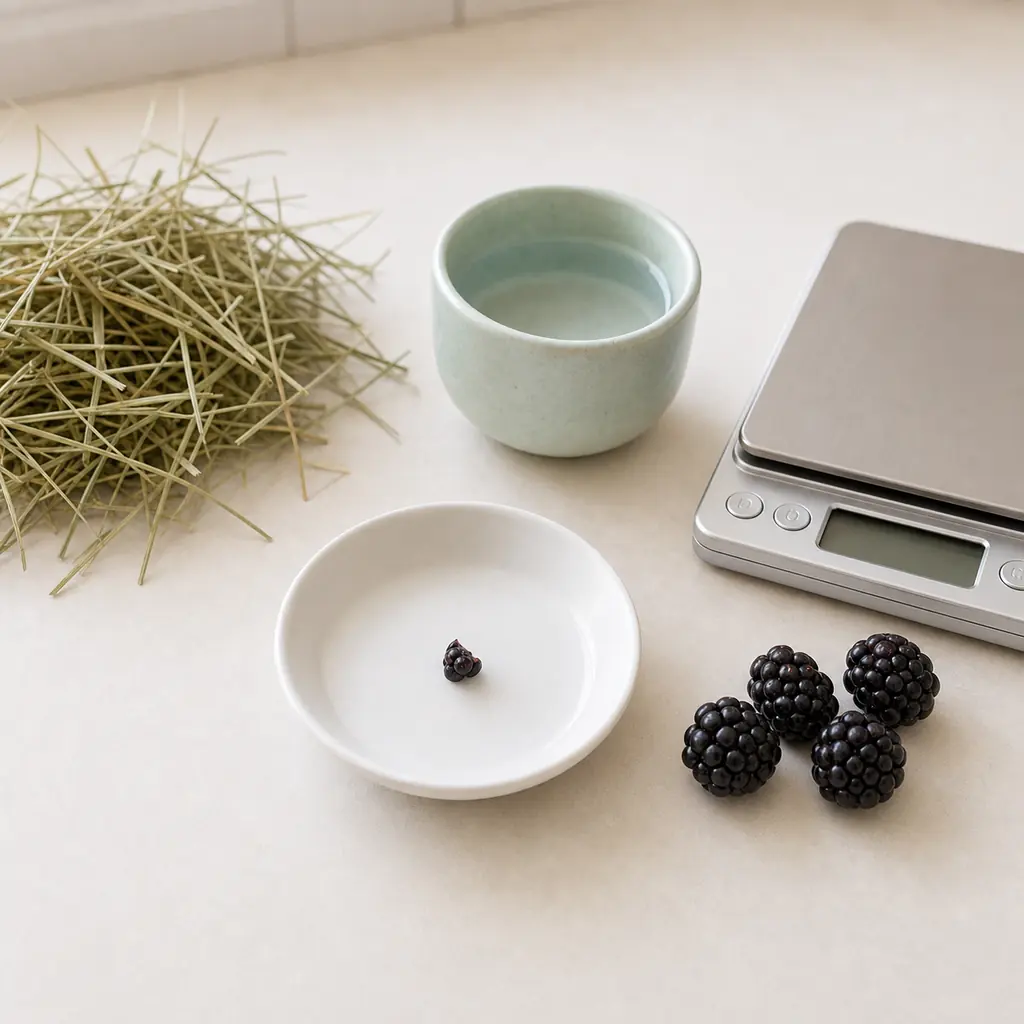
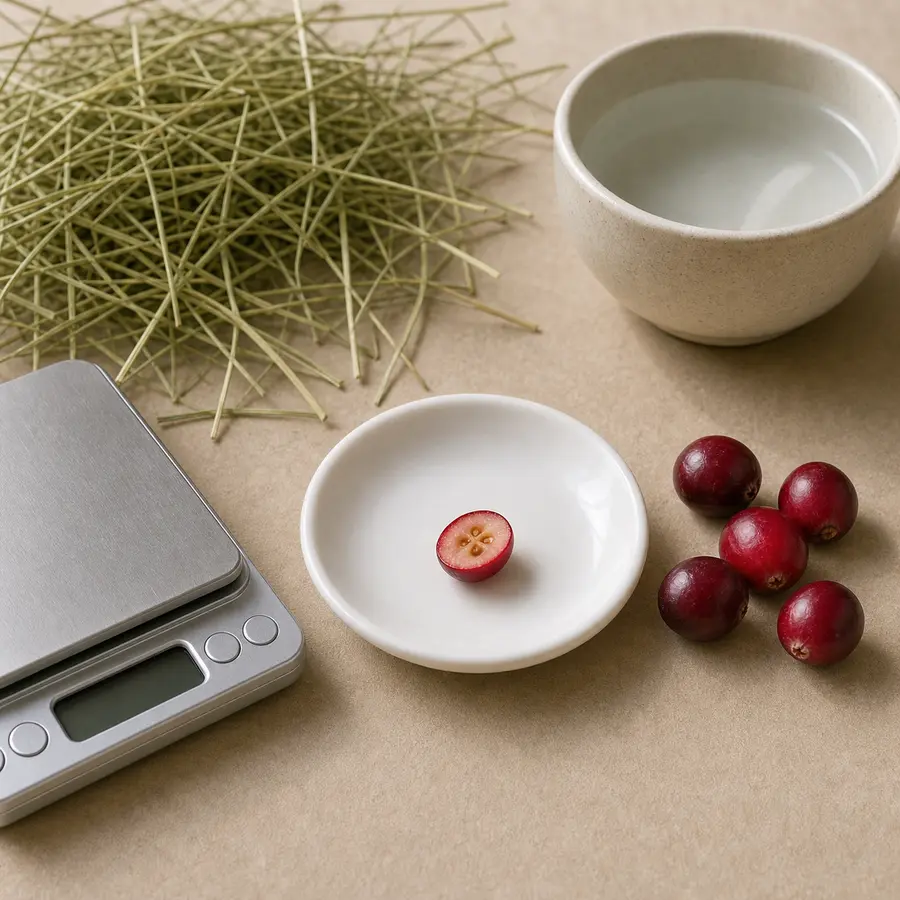
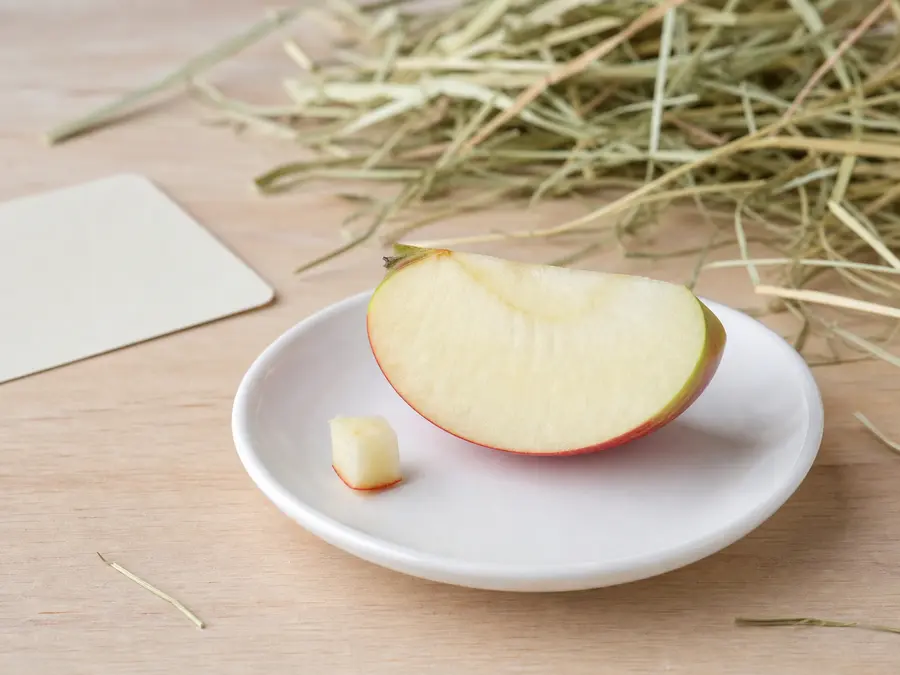
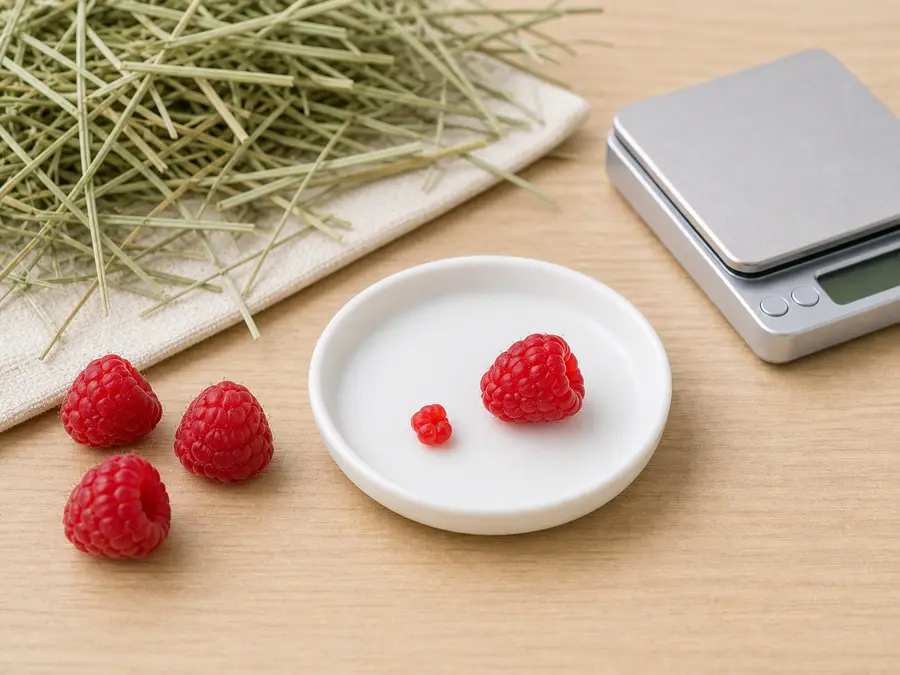
Tiny berry piece
Plain fresh raspberry can be a tiny rare fruit treat for some healthy small mammals. It is sweet, soft, seedy, and messy, so use only a tiny piece. Chinchillas and ferrets should skip raspberries.
 Raspberry
Guinea pigs
Tiny piece rarely
A healthy guinea pig may have a tiny raspberry piece rarely, but hay and vitamin C foods stay central.
Syrian and dwarf hamsters
Tiny crumb
A hamster may have a tiny raspberry crumb rarely. Dwarf hamsters are usually better skipping sugary fruit.
Rats
Tiny piece rarely
A rat may have a tiny raspberry piece rarely if the staple diet and stool stay steady.
Mice
Very tiny crumb
A mouse needs only a very tiny berry crumb. Remove leftovers before they get hidden or guarded.
Gerbils
Tiny rare piece
A gerbil may have a tiny raspberry piece rarely, but wet fruit should stay limited.
Chinchillas
Skip raspberries
Do not feed raspberries to chinchillas. The sugar and moisture are a poor fit for routine feeding.
Ferrets
Do not feed
Do not feed raspberries to ferrets. Ferrets need meat-based food, not fruit.
Soft berry
Raspberry breaks down fast and stains bedding. The useful serving is a tiny piece, not a whole berry pile.
Sugar still sets the limit
The small seeds are not a reason to feed more. Sugar, moisture, and cleanup still set the limit.
Soft berry piece
- Wash the raspberry gently and check for mold, softness, or leaking juice.
- Offer only a tiny piece, not a pile of berries.
- Remove leftovers before they stain bedding, sour, or get hidden in a hoard.
Avoid
- Raspberry jam, syrup, dried raspberries, yogurt cups, smoothies, desserts, chocolate, sugar, moldy berries, and large wet portions.
- Raspberries for chinchillas or ferrets.
- Fruit when appetite, stool, droppings, bloating, or energy are already abnormal.
Watch
- Soft stool, staining, bloating, reduced appetite, fewer droppings, hidden berry pieces, or quietness after fruit.
- Call an exotic-pet veterinarian promptly if a guinea pig, chinchilla, tiny animal, weak animal, or animal with abnormal signs eats less or produces fewer droppings.
Portion
Guinea pigs or rats: a small raspberry piece rarely. Hamsters, mice, or gerbils: a tiny crumb of one berry. Chinchillas and ferrets: none.
Helpful food-safety supplies
Optional tools for measuring, storing, serving, and cleaning up small portions safely.
Affiliate links: Furball Cove may earn from qualifying purchases at no extra cost to you.