Updated
Small mammal food safety
Can Small Mammals Eat Salmon?
Species-specific
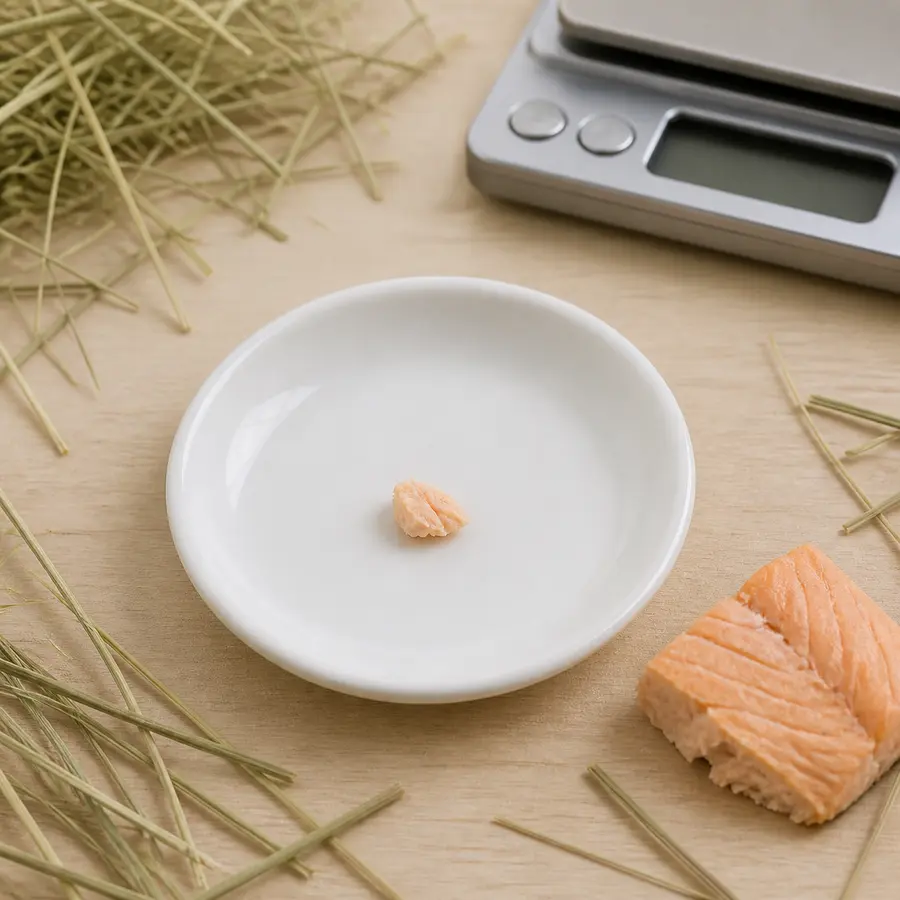
Salmon is rich species-specific fish protein. A healthy hamster, rat, mouse, gerbil, or ferret may have a tiny plain cooked boneless flake occasionally. Guinea pigs and chinchillas should skip it.
 Salmon
Guinea pigs
Skip salmon
Do not feed salmon to guinea pigs. Hay, vitamin C foods, pellets, and water matter more than animal protein.
Syrian and dwarf hamsters
Tiny cooked flake
A healthy hamster may have a tiny plain cooked salmon flake rarely, but it should not replace the balanced staple or become hoard food.
Rats
Tiny cooked flake
A rat may have a tiny plain cooked salmon flake occasionally if the normal diet, body condition, and stool stay steady.
Mice
Pinhead flake
A mouse needs only a pinhead cooked flake. Remove leftovers before they get hidden or guarded.
Gerbils
Pinhead flake
A gerbil may have a tiny plain cooked salmon flake rarely, but dry balanced food should stay central.
Chinchillas
Skip salmon
Do not feed salmon to chinchillas. Fish is a poor fit for hay-centered digestion.
Ferrets
Rare plain treat
A ferret may handle a small plain cooked salmon flake, but it does not replace a complete meat-based ferret diet.
Rich fish stays tiny
Salmon is fatty compared with many plain protein extras. A tiny flake is the portion, not a chunk.
Bones change the risk
Small bones can become choking or injury hazards. If you cannot check the piece carefully, skip it.
Check for bones
- Use plain cooked salmon with no salt, butter, oil, sauce, smoke, seasoning, garlic, or onion.
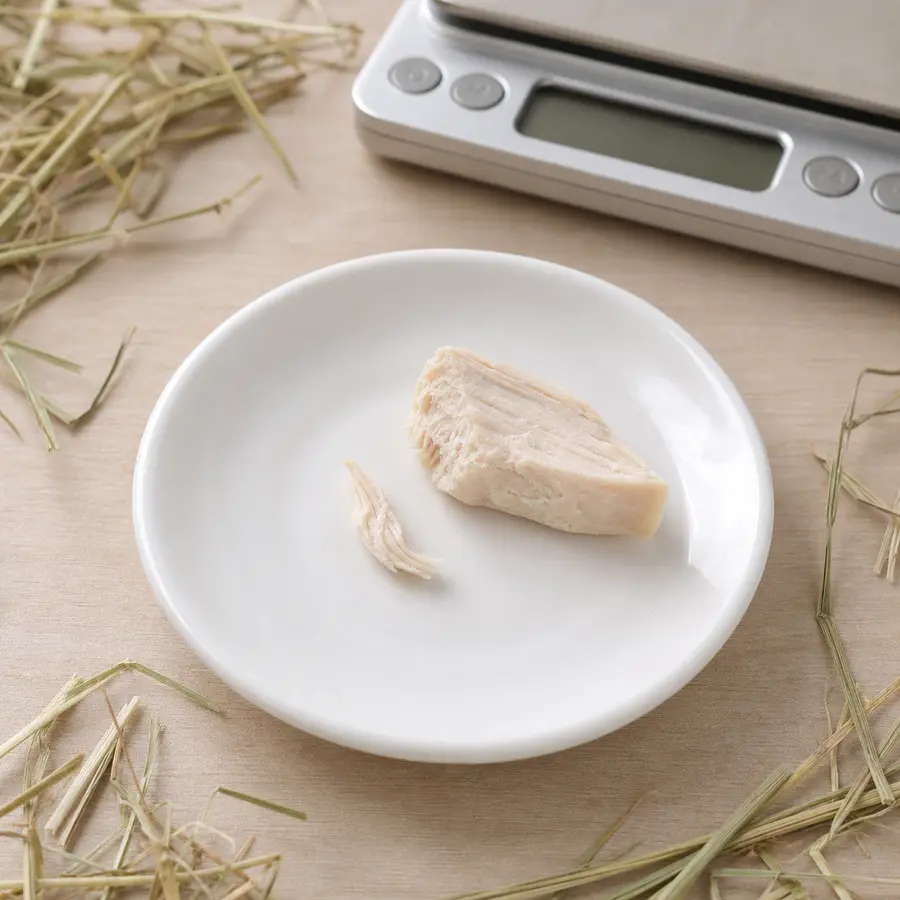
- Remove skin and bones carefully, then flake off one tiny soft piece.
- Remove leftovers quickly because fish odor and moisture do not belong in bedding or hoards.
Avoid
- Raw salmon, smoked salmon, salted salmon, canned salmon with salt, oily leftovers, sauces, bones, skin, fried fish, spoiled fish, and large flakes.
- Salmon for guinea pigs, chinchillas, or animals with appetite, stool, weight, dental, urinary, or digestive concerns.
- Using fish to fix poor appetite or replace the normal species diet.
Watch
- Reduced appetite, fewer droppings, soft stool, diarrhea, vomiting in ferrets, choking signs, fish odor in bedding, or quietness.
- Call an exotic-pet veterinarian promptly for raw or spoiled fish, bone swallowing, choking, abnormal signs, or a guinea pig or chinchilla eating less.
Portion
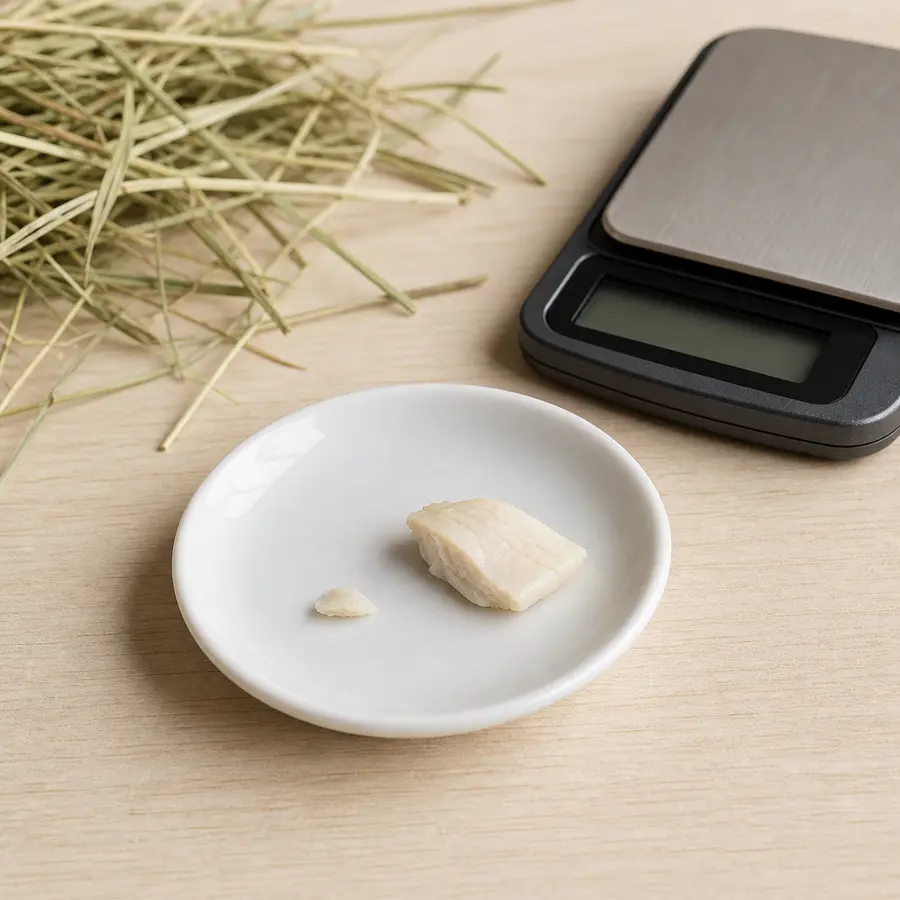
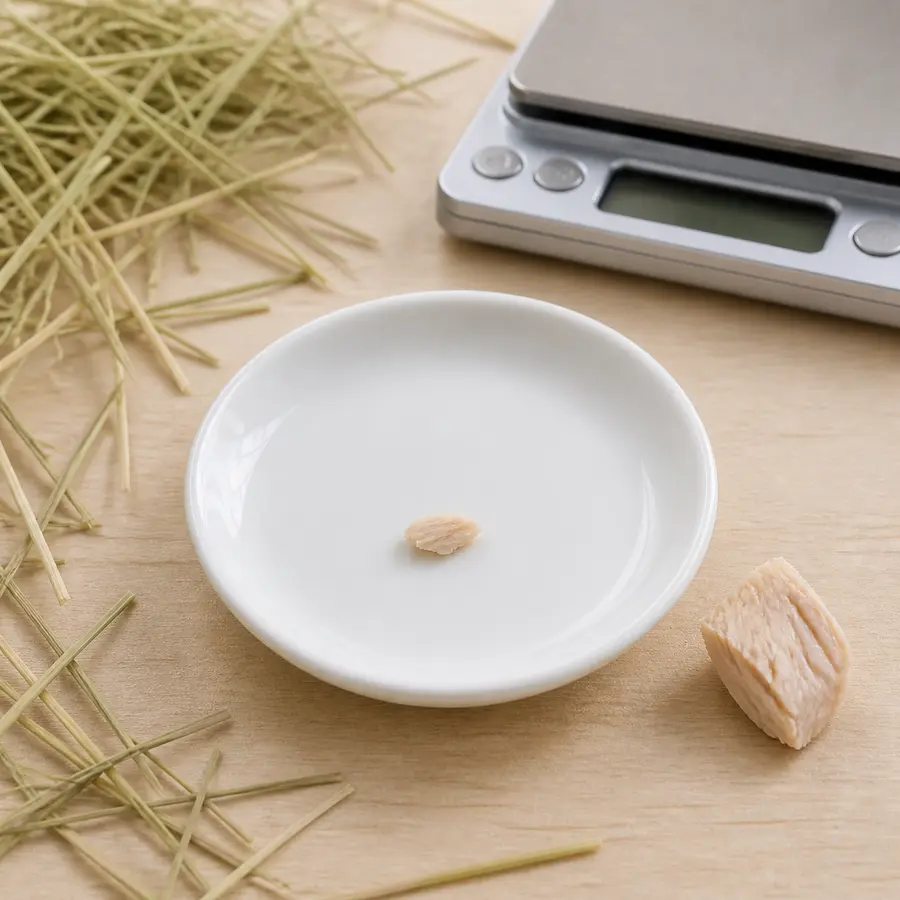
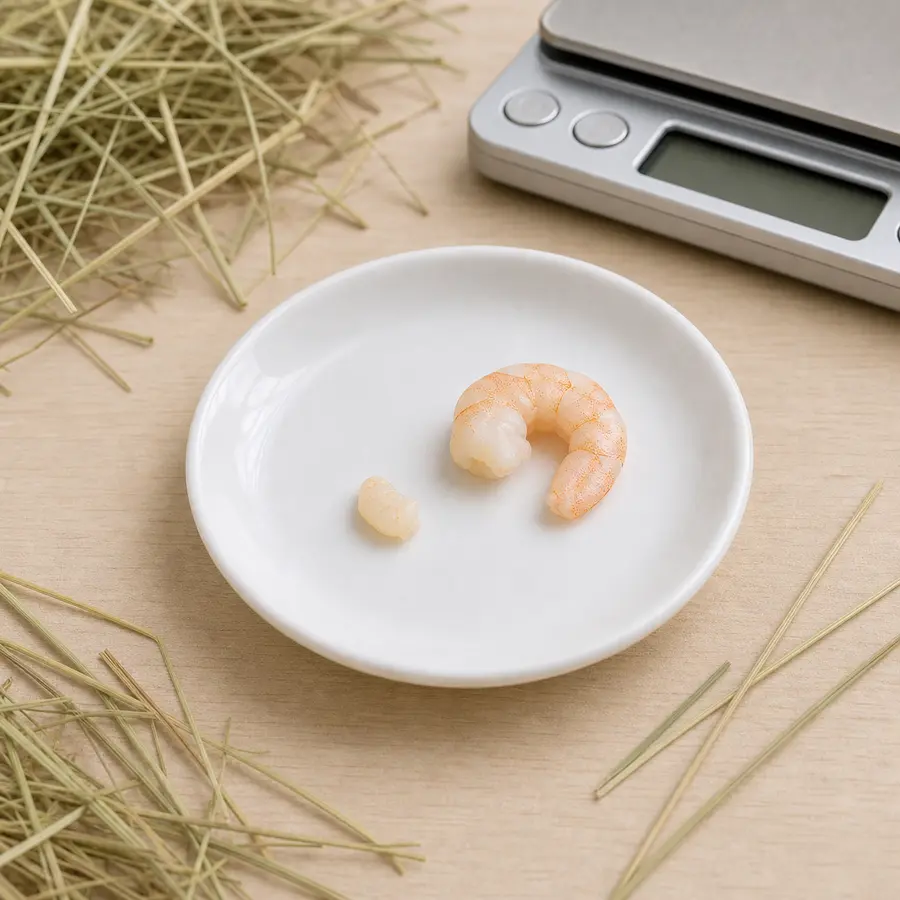
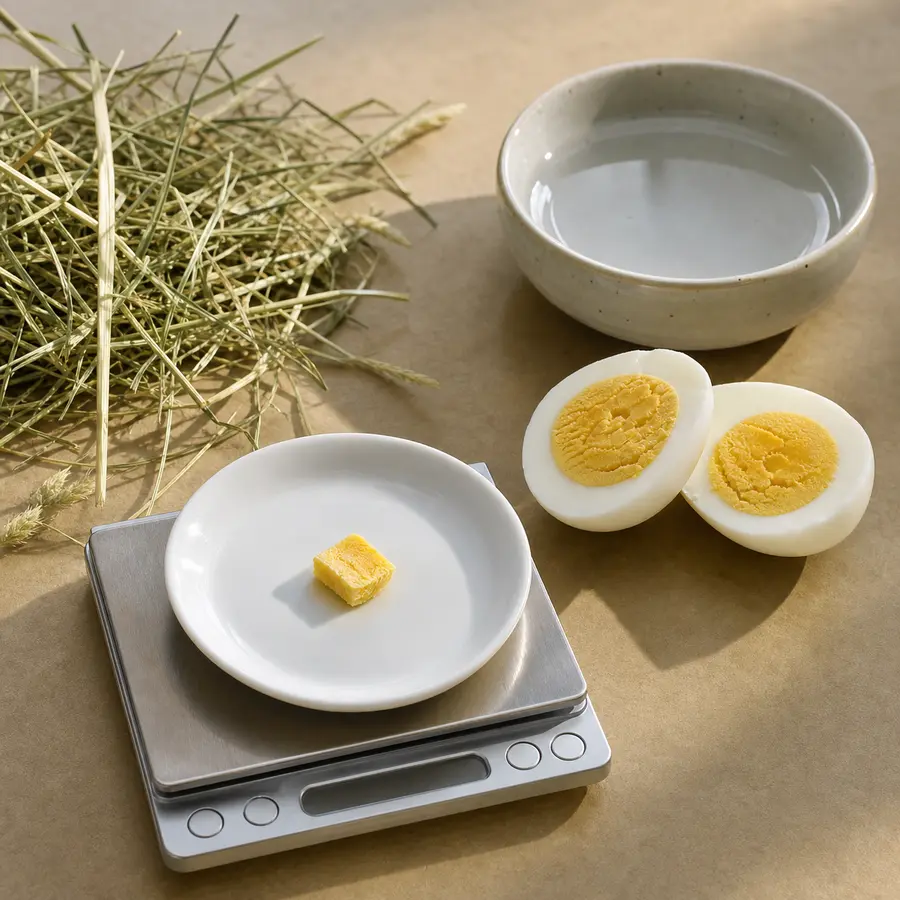
Hamsters, rats, or ferrets: one tiny cooked flake. Mice or gerbils: a pinhead flake. Guinea pigs and chinchillas: none.
Helpful food-safety supplies
Optional tools for measuring, storing, serving, and cleaning up small portions safely.
Affiliate links: Furball Cove may earn from qualifying purchases at no extra cost to you.