Updated
Small mammal food safety
Can Small Mammals Eat Ferret Kibble?
Species-specific
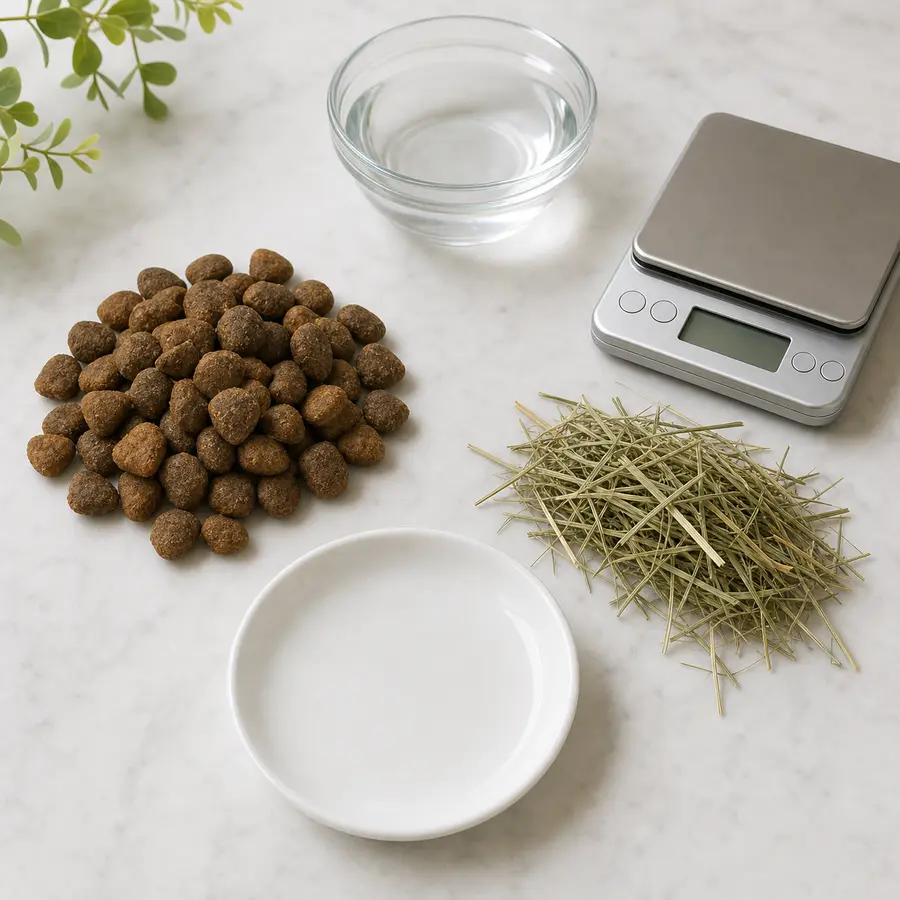
Ferret kibble is for ferrets when the formula fits. Do not feed it to guinea pigs, chinchillas, hamsters, rats, mice, or gerbils.
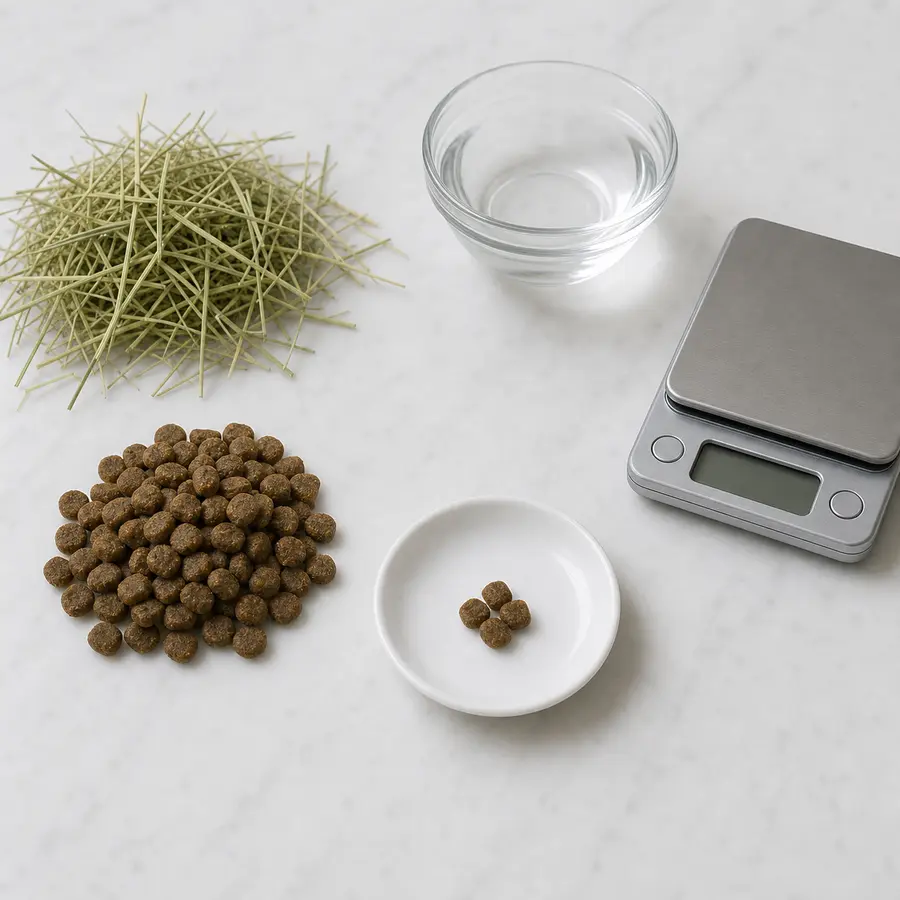 Ferret kibble
Guinea pigs
Do not feed
Do not feed ferret kibble to guinea pigs. They need grass hay, vitamin C foods, species-appropriate pellets, and water.
Syrian and dwarf hamsters
Skip ferret kibble
Do not use ferret kibble as a hamster protein treat. It is not balanced for hamsters and can be too rich.
Rats
Skip ferret kibble
Do not feed ferret kibble to rats. Use a rat-appropriate staple and controlled fresh extras instead.
Mice
Skip ferret kibble
Do not feed ferret kibble to mice. A mouse has little margin for rich, mismatched food.
Gerbils
Skip ferret kibble
Do not feed ferret kibble to gerbils. Dry balanced gerbil food is safer and better matched.
Chinchillas
Do not feed
Do not feed ferret kibble to chinchillas. It is a poor fit for hay-centered digestion.
Ferrets
Use a complete ferret food
A ferret may eat a complete meat-based ferret kibble when the formula, body condition, stool, and veterinary plan fit.
Species-specific food
The word ferret matters. This kibble is not a general small-mammal food and should not move between cages.
Freshness still counts
Even the right formula can become a problem if it is stale, damp, contaminated, or left where another animal can steal it.
Check the formula
- Use a complete ferret food built around animal protein and fat, not borrowed dog food, sugary treats, or plant-heavy leftovers.
- Keep kibble dry, sealed, and fresh; discard stale, damp, moldy, or insect-contaminated food.
- Store ferret kibble away from herbivore and rodent bowls so other small mammals cannot steal pieces.
Avoid
- Ferret kibble for guinea pigs, chinchillas, hamsters, rats, mice, gerbils, rabbits, or any animal that needs hay or rodent food.
- Dog food, cat food, grain-heavy mixes, sugary pieces, damp kibble, stale kibble, mold, and unknown bulk-bin food.
- Using ferret kibble as a protein treat for rodents or as emergency food for herbivores.
Watch
- For ferrets: reduced appetite, vomiting, diarrhea, weight loss, coughing or choking, pawing at the mouth, or refusal of the normal food.
- For other small mammals that stole kibble: soft stool, fewer droppings, reduced appetite, bloating, quietness, or any abnormal behavior.
- Call an exotic-pet veterinarian promptly for a large accidental meal, a tiny or weak animal, choking signs, or any abnormal sign.
Portion
Ferrets: follow the complete diet plan for the individual animal. Guinea pigs, chinchillas, hamsters, rats, mice, and gerbils: none.
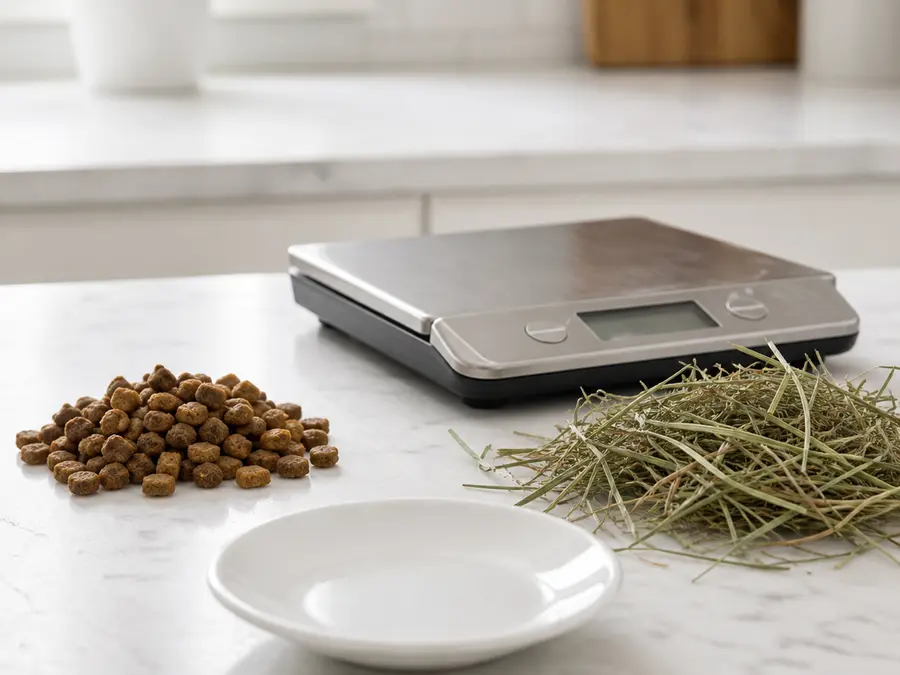
Helpful food-safety supplies
Optional tools for measuring, storing, serving, and cleaning up small portions safely.
Affiliate links: Furball Cove may earn from qualifying purchases at no extra cost to you.