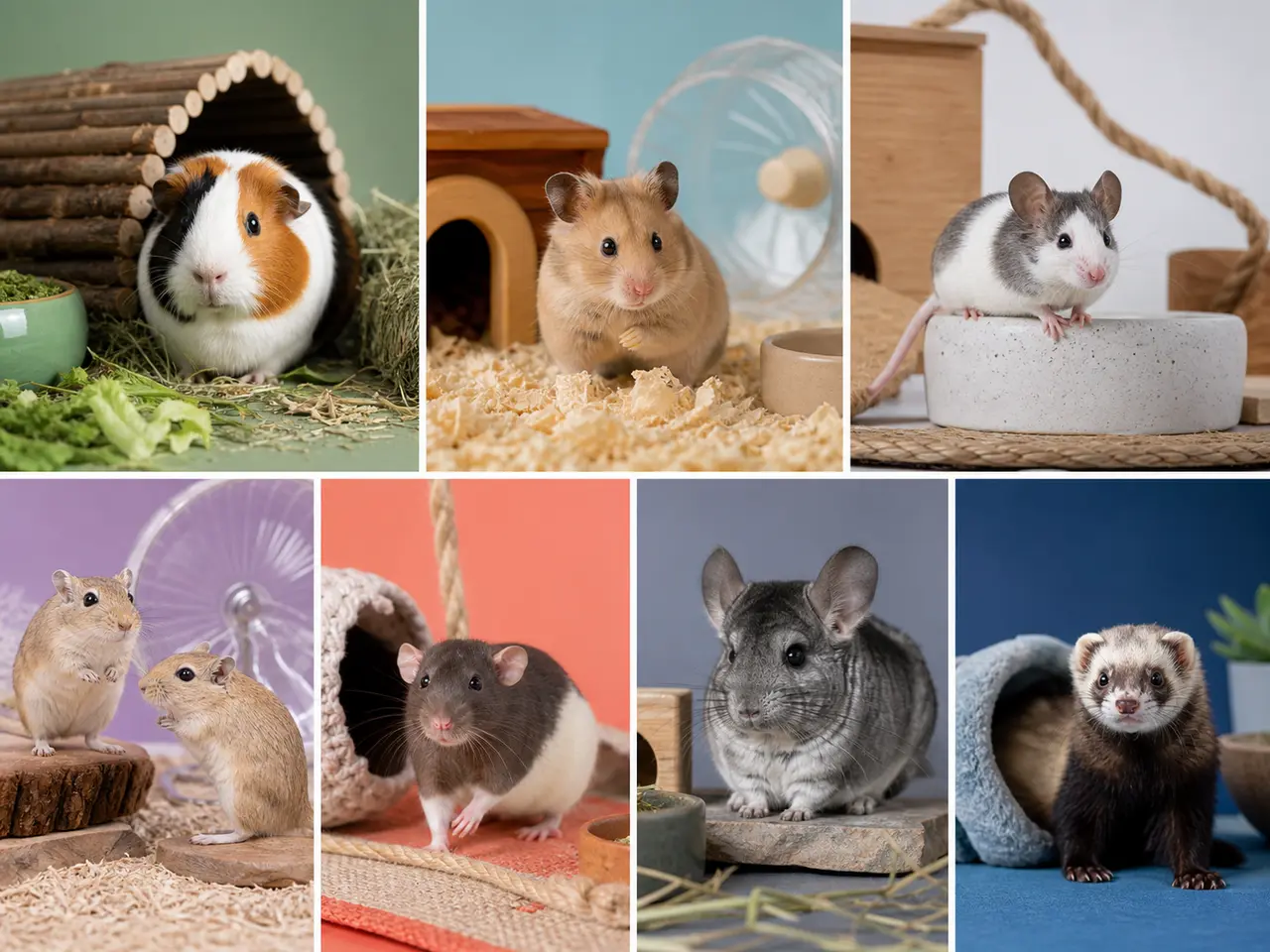
Mongolian gerbils and fat-tailed gerbils are the realistic pet-care pages here. Pallid gerbils, Shaw's jirds, bushy-tailed jirds, and other gerbillines belong in specialist-exotic research before adoption.
Do not treat every gerbilline species as the same pet.
Separate pet care from taxonomy
Gerbillinae includes many gerbils, jirds, and sand rats, but most are not normal household pet choices. The mainstream pet-care target is the Mongolian gerbil, with fat-tailed gerbils appearing in smaller specialist pet circles.
A rare species name should change the question from 'which cage looks cute?' to 'who has species-specific husbandry, legal support, and a vet who will see this animal?'
Use full guides for the pet species
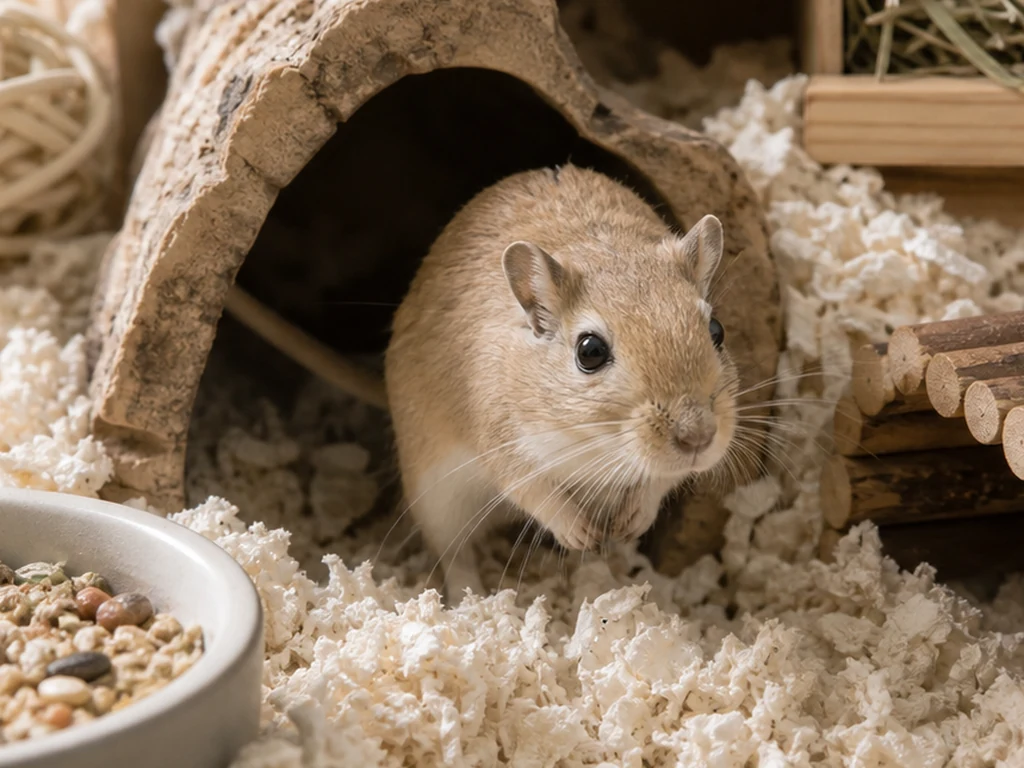
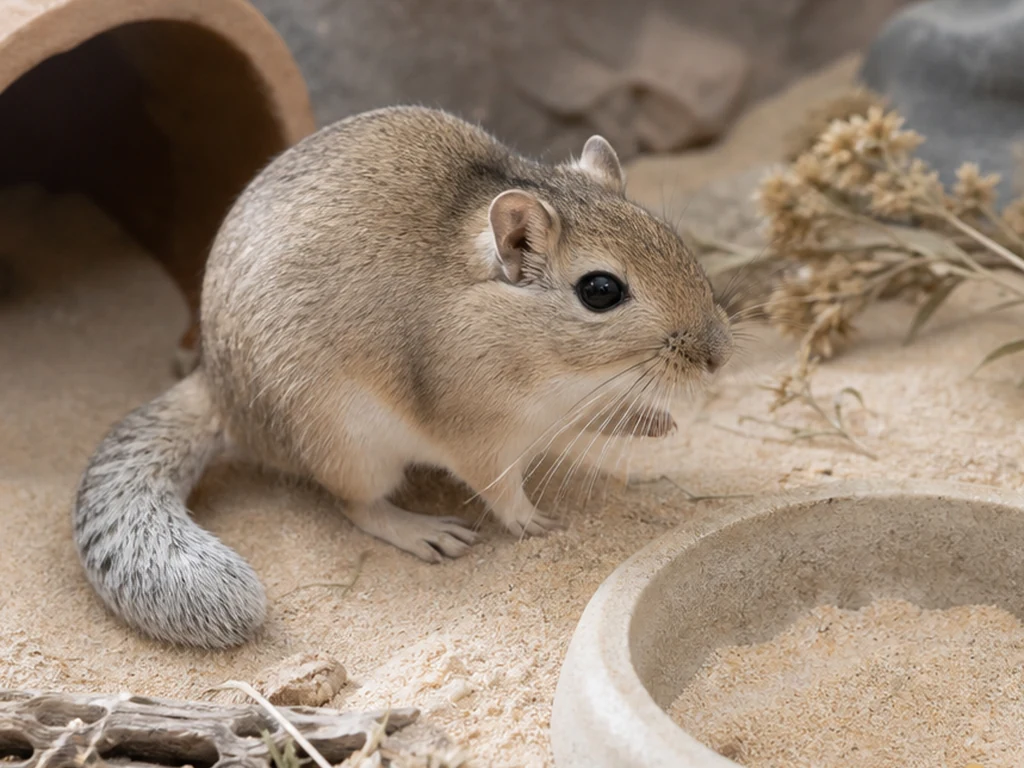
Use the gerbil care guide for Mongolian gerbils and other normal pet-gerbil decisions. Use the fat-tailed gerbil page for duprasi context before assuming it should live like a Mongolian gerbil.
Even among pet gerbils, social needs, handling, diet, and habitat details can differ. Do not average species together.
Treat rare gerbillines as specialist pets
Pallid gerbils, Shaw's jirds, bushy-tailed jirds, Sundevall's jirds, and similar animals may appear in specialist communities, but they should not be marketed as easy substitutes for Mongolian gerbils.
Before considering one, verify legality, source ethics, adult size, social structure, diet, enclosure style, temperature needs, and veterinary access with a qualified specialist.
Before you decide
Is this a mainstream pet gerbil or a rare gerbilline species?
Do you have species-specific husbandry from a qualified source?
Is ownership legal where you live?
Can an exotic-pet veterinarian see this exact animal?
Next best moves
Use Mongolian gerbil and fat-tailed gerbil pages for normal pet research.
Do not buy rare gerbils or jirds from vague listings without source, sexing, diet, and vet clarity.
If the species is rare, treat it as specialist exotic ownership from the first question.