Updated
Dog training
Teach Your Dog Switch Sides
Switch sides teaches your dog to move from one side of your body to the other on cue.
It is useful when you need your dog away from traffic, another dog, a stroller, or a tight sidewalk edge.
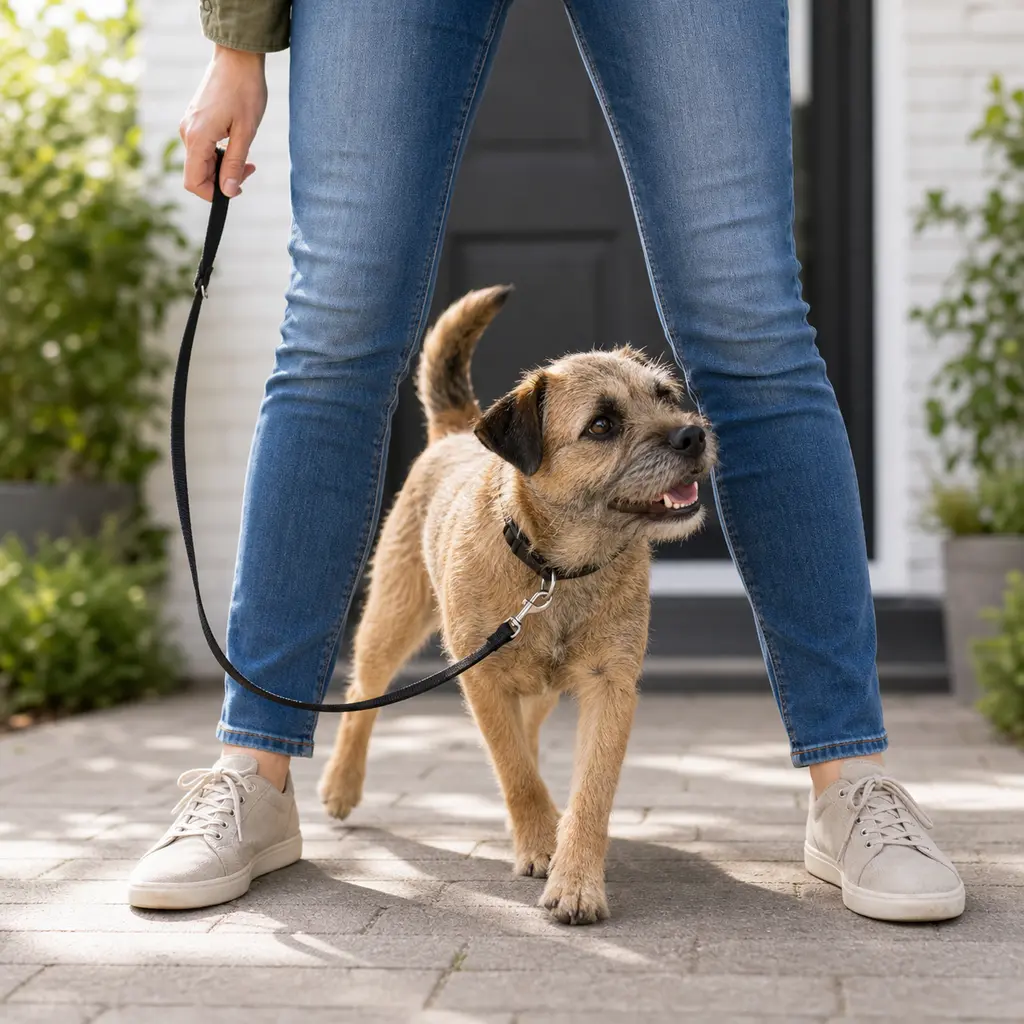
Switch sides gives you options on a walk. Instead of crossing leashes or pulling your dog around your knees, you can cue a clean side change before the path gets tight.
Teach it slowly with food placement and body movement, then add it to real walks after your dog understands the pattern.
Great for
- Dogs who already follow a lure or hand target.
- Sidewalks with curbs, bikes, strollers, or passing dogs.
- Handlers who want better leash organization in tight spaces.
Wait a bit if
- Your dog is sore, limping, or uncomfortable turning tightly; ask your vet before practicing.
- Your dog is worried about moving close to your legs.
- The path is too crowded for either of you to move safely.
Practice the first easy steps
Start off the sidewalk
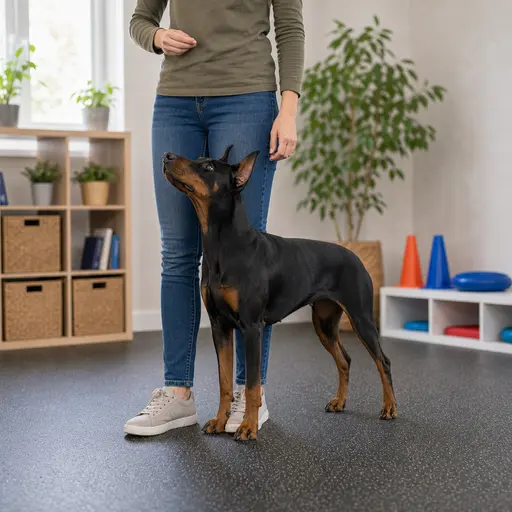
Practice in a quiet room or driveway with your dog on one side and treats in the hand on the side you want them to move to.
Lure a small arc
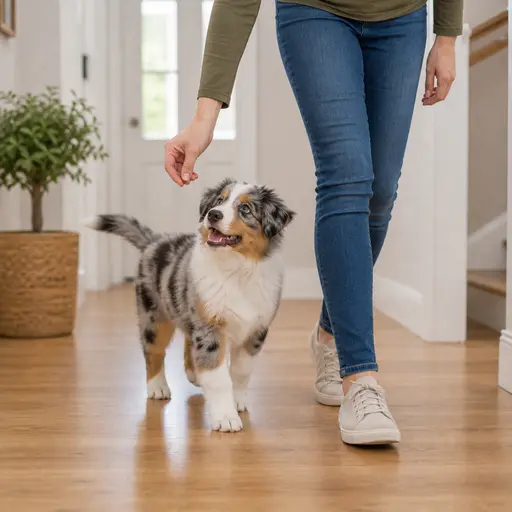
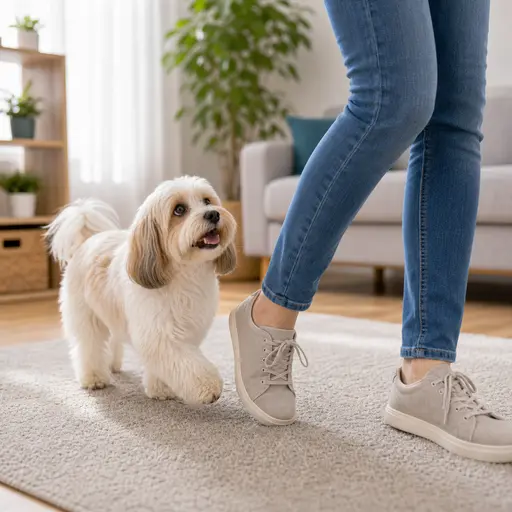
Guide your dog across the front of your body in a gentle curve. Mark and reward when they arrive on the other side.
Name the movement
After a few easy reps, say switch before you guide the side change.
Fade the lure
Use a hand signal without food in it, then reward from your pouch when your dog arrives.
Add a leash slowly
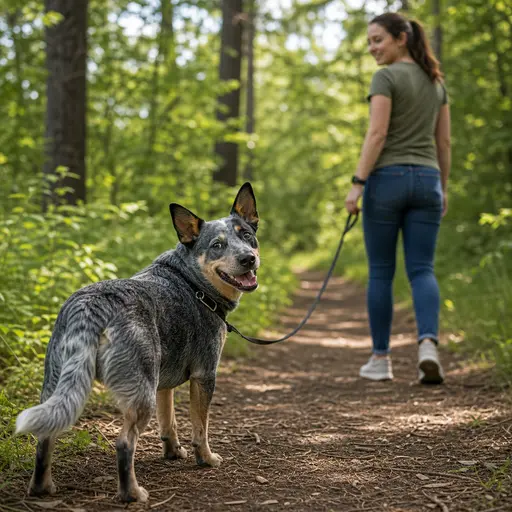
Practice with a loose leash so your dog learns the path without getting tangled.
Use it before you need it
Cue the side change before the curb, dog, stroller, or narrow path is right beside you.
Little things that help
Use food placement, not leash pressure
Lure a small arc behind your legs or in front of your knees, depending on your space. Keep the leash loose so your dog learns the path, not the pull.
Practice before tight spots
Cue the side change before a curb, stroller, puddle, or oncoming dog. Waiting until you are squeezed makes the move feel rushed.
Protect sore bodies
Use wide, easy turns and stop if your dog looks stiff, limps, or resists the motion. Ask your vet before practicing tight turns with a sore dog.
Helpful little extras
Affiliate links: Furball Cove may earn from qualifying purchases at no extra cost to you.
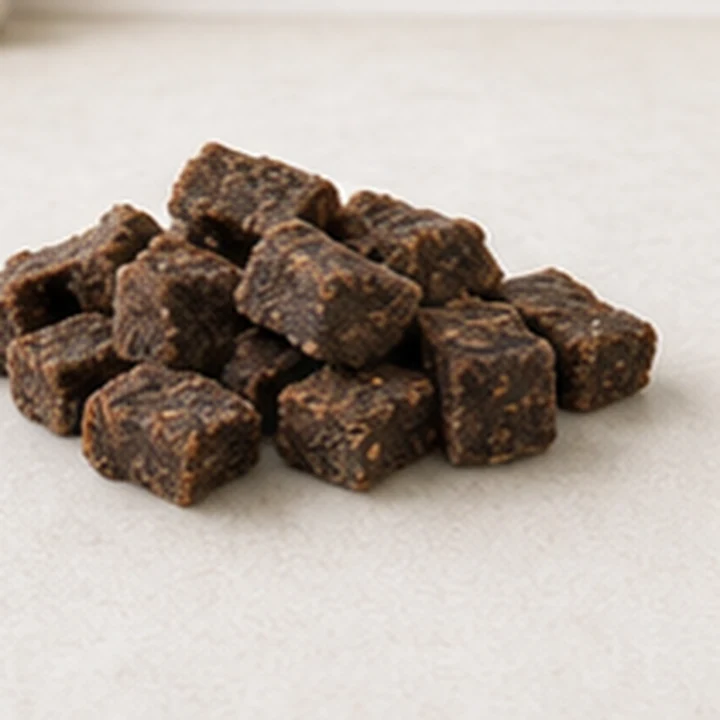
High-value training treats
Soft treats help you lure a smooth arc without stopping to chew halfway behind your legs.
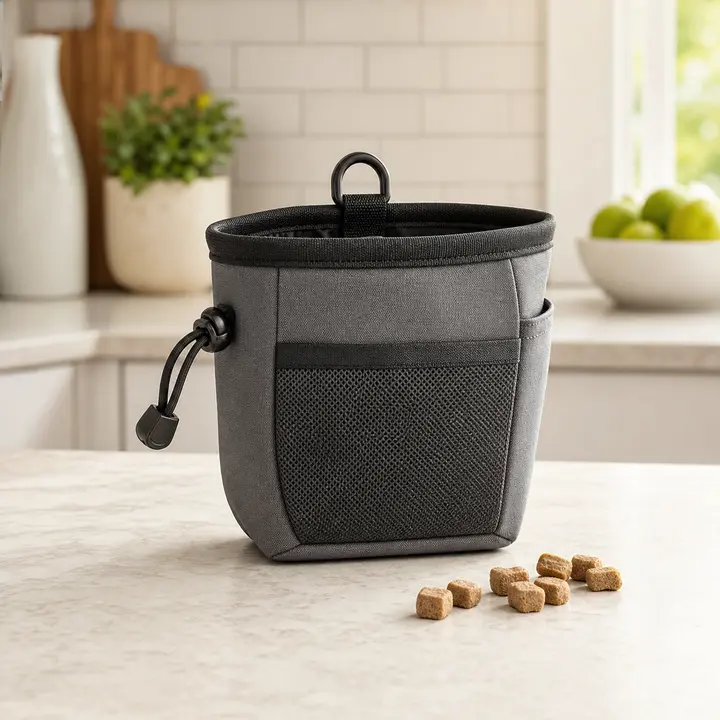
Training treat pouch
Keep the pouch centered or easy to switch hands, since the reward may happen on either side.
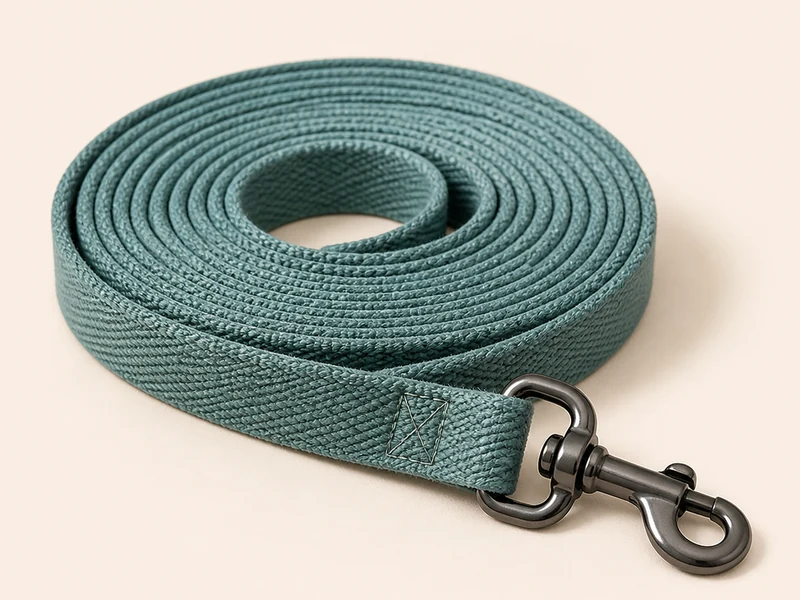
Six-foot leash
A simple leash gives enough room for the side change without extra loops tangling around your knees.
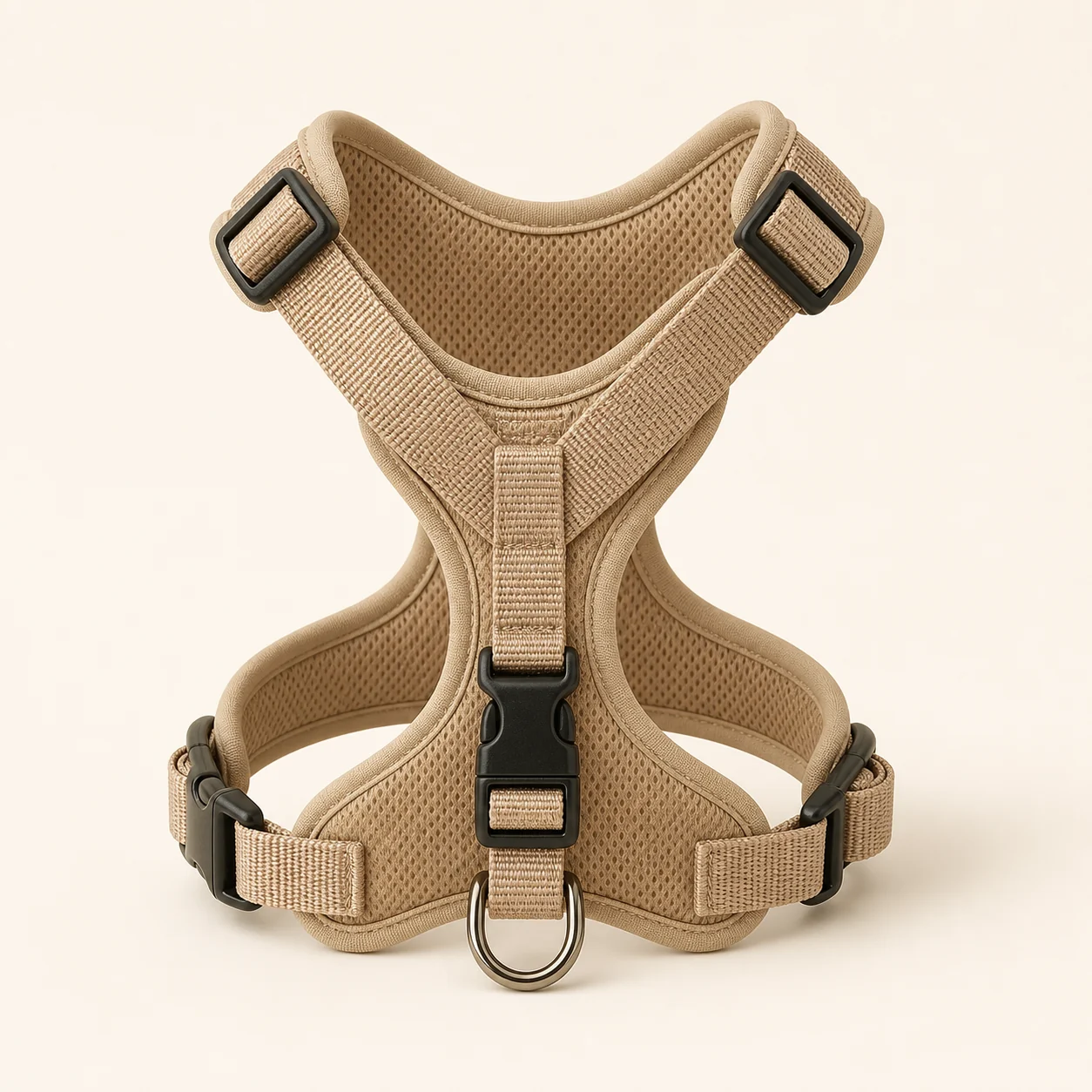
Front-clip harness
Good fit matters here because side changes ask your dog to turn, bend, and follow your hand closely.
Questions people ask
Should my dog switch in front or behind me?
Most people start across the front because it is easy to see. Behind can work too if you teach it clearly.
Can I use this near traffic?
Yes, but practice away from traffic first and keep the leash secure. Safety management still matters.
What if my dog tangles the leash?
Slow down, use a shorter path, and practice without distractions until the movement is smoother.