

Pattern
Time and trigger tell the story.
Updated
Bird guides
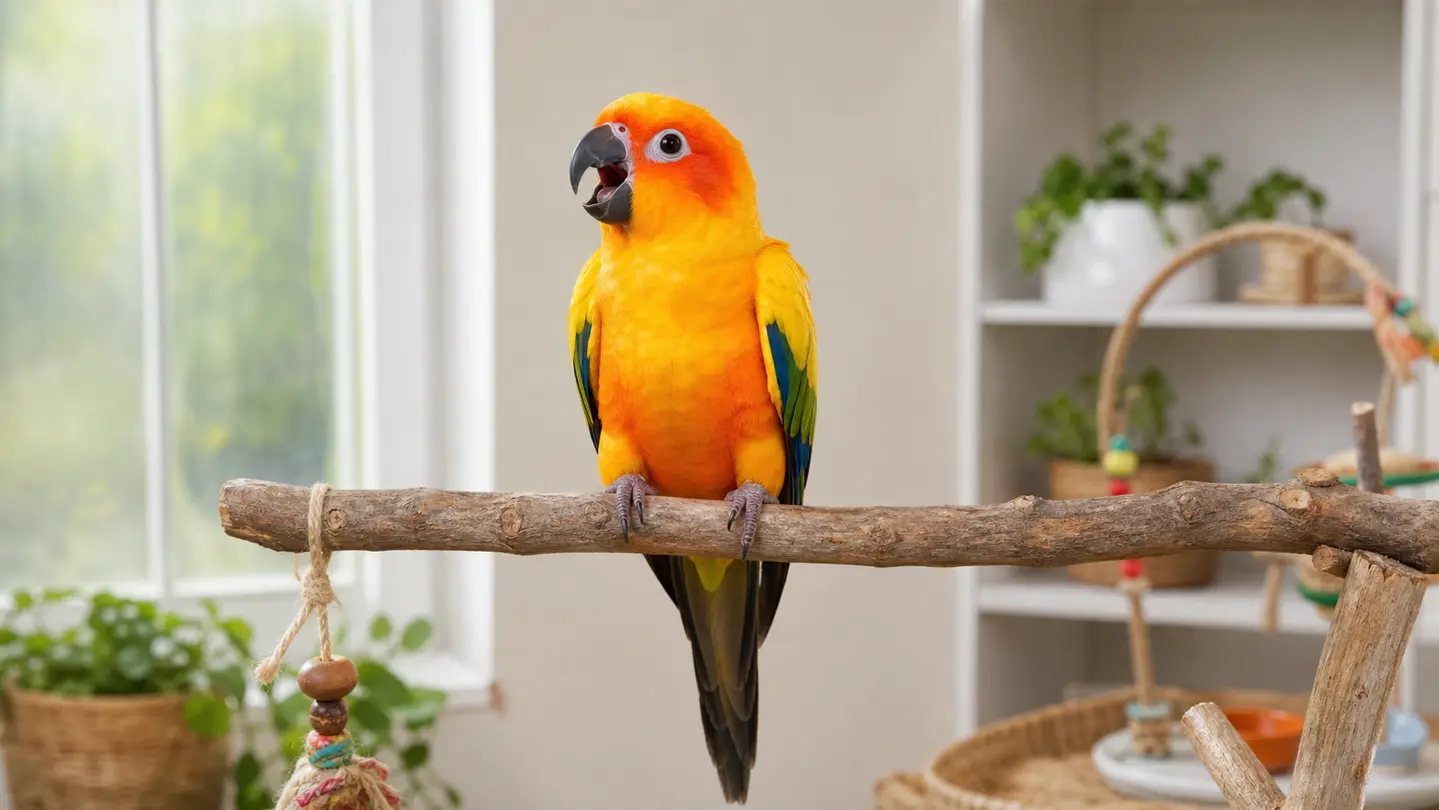
Birds scream for many reasons: normal contact calls, excitement, fear, boredom, poor sleep, hormones, pain, or because screaming has learned to bring attention. The fix starts with the pattern, not with yelling back.
Noise is communication first. The goal is to understand what the bird is getting or avoiding.

Behavior and Noise
Birds scream for many reasons: normal contact calls, excitement, fear, boredom, poor sleep, hormones, pain, or because screaming has learned to bring attention. The fix starts with the pattern, not with yelling back.
Use the full noise guide for patterns and routines.
Use the hub for nearby questions after this answer.
Use supplies after the care plan is clear, not before.
Pick gear that makes the daily routine easier to repeat.
Time and trigger tell the story.
Attention can train screaming.
Tired birds are louder.
Bored birds invent noise jobs.
Some birds are naturally loud.
Sudden frantic noise can matter.
Track when the screaming happens, what happened right before it, and what the bird gets afterward. That pattern tells you where to start.
Morning and evening calls can be normal. Repeated screaming through the day usually points to sleep, boredom, fear, attention, hormones, or health.
Do not rush in, yell, or entertain the bird during the scream. Reward quieter moments, stationing, foraging, and calm contact routines.
Check sleep length, cage placement, out time, diet, chewing, foraging, and whether the bird is alone too long for its species.
If screaming is sudden, frantic, paired with fluffed posture, breathing change, injury, or appetite change, call an avian vet.
No. Covering as punishment can create fear and does not teach a better behavior.
Only if the bird is safe and you also reward quieter alternatives. Ignoring fear, illness, or loneliness will not help.
Yes. Species matters. Conures, cockatoos, macaws, Amazons, and many parrots can be naturally loud.
It is a call a flock bird uses to check where others are. Teaching a calmer response can help some homes.
Use these after the care plan is clear. Match size and materials to the bird you actually keep.
Affiliate links: Furball Cove may earn from qualifying purchases at no extra cost to you.

Turns part of the meal into a simple job instead of a full bowl of boredom.

Plain bird-safe chewing work gives busy beaks something useful to do.

Gives short trust-building sessions a low, predictable place to happen.

Tracks food, weight, sleep, droppings, behavior, and vet questions in one place.