

Updated

Bird behavior

Bird Screaming & Noise

The first step is knowing what kind of noise you are hearing.

Birds are vocal animals. You cannot train a bird into silence, but you can improve sleep, routine, enrichment, and how the household responds to loud patterns.

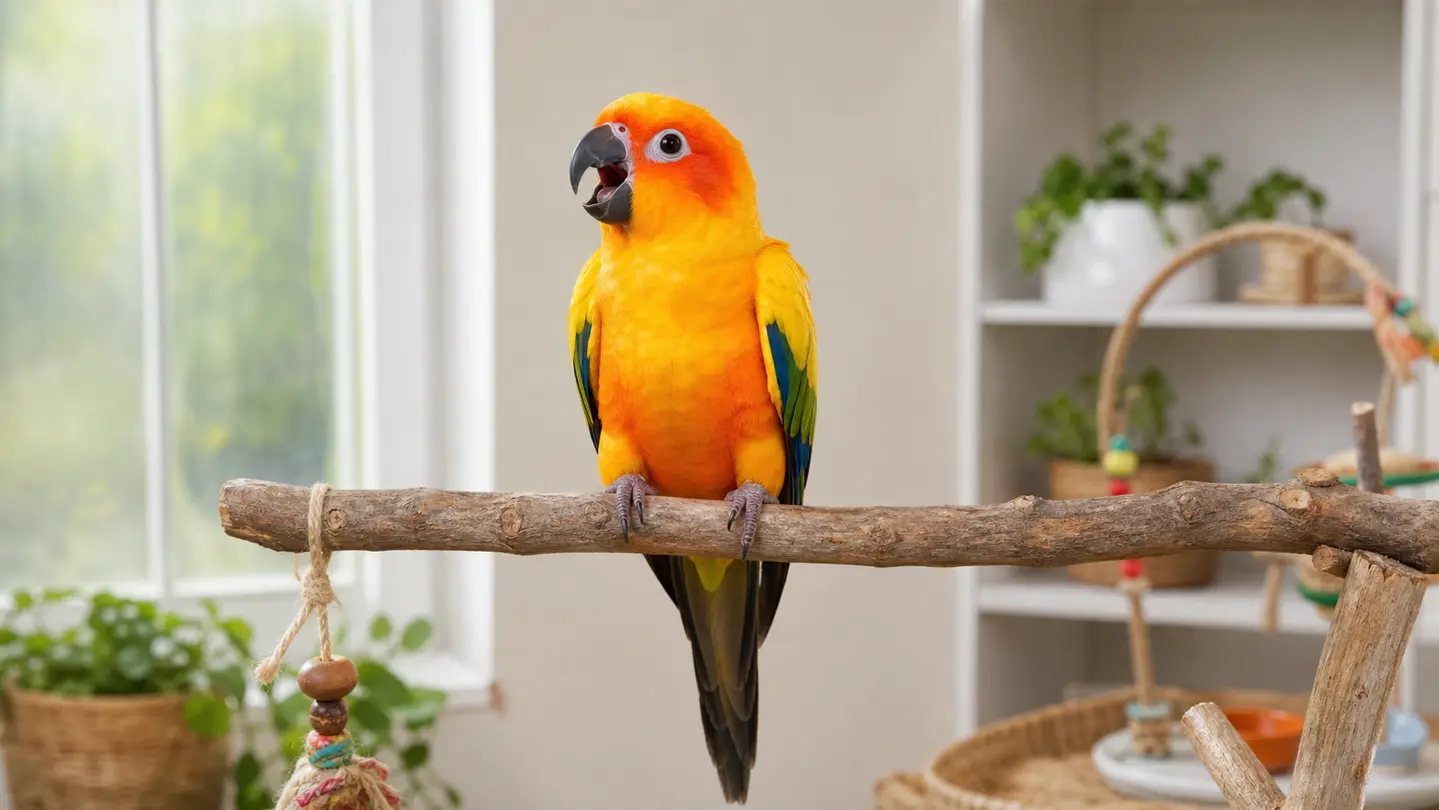
Sun conure on a natural perch giving a normal call in a bright calm bird-care room.
01

Do not treat all noise the same

Morning calls, evening calls, contact calls, alarm calls, flock chatter, play noise, and attention screaming need different answers. Track time, trigger, room activity, and what people did afterward.

02

Contact calls need an answer that does not escalate

A bird may call when people leave the room. Teach a calmer return sound, answer briefly before the bird is frantic, and reward the quieter version when it appears.

03

Alarm calls mean something changed

Windows, outdoor birds, dogs, cats, sudden shadows, appliances, visitors, or a moved object can set off alarm calls. Check the room before assuming the bird is being dramatic.

04

Attention screaming is often taught by accident

If people appear, shout, uncover the cage, offer treats, or start a conversation only after screaming, the bird may learn that screaming works. Reward quiet moments and useful calls before the volume spikes.

05

Sleep and boredom matter

Overtired birds and underworked birds are louder and harder to help. Protect a dark, quiet sleep routine and give safe chewing, foraging, bathing, movement, and social time during the day.

06

A sudden voice change can be a health clue

If the bird's voice changes suddenly, breathing sounds different, the bird is quiet when normally vocal, or noise comes with fluffed posture or appetite change, call an avian vet.

Before you decide

  • You know the loudest normal call for the species.
  • Noise is tracked by time, trigger, and household response.
  • The bird has enough sleep and daytime work.
  • Quiet moments and softer calls get attention.

Next best moves

  • Teach a calmer contact call before the bird is already screaming.
  • Check for alarm triggers before correcting the bird.
  • Add foraging and chewing to the morning routine.

Simple tools that support this behavior plan

Use supplies as structure, not shortcuts. The goal is to make calm choices easier for the bird.

Affiliate links: Furball Cove may earn from qualifying purchases at no extra cost to you.

Bird foraging tray with covered cups, pellets, greens, and a curious budgie beside the puzzle.

Foraging toy

Turns part of the meal into a simple job instead of a full bowl of boredom.

Bird-safe chew toys made from natural wood, paper, vine, and vegetable-dyed pieces with a lovebird nearby.

Safe chew toys

Plain bird-safe chewing work gives busy beaks something useful to do.

Open blank bird care notebook with pencil, small supplies, and a cockatiel on a tabletop stand.

Care notebook

Tracks food, weight, sleep, droppings, behavior, and vet questions in one place.

Tabletop bird training perch with a cockatiel standing on the perch beside small training treats.

Training perch

Gives short trust-building sessions a low, predictable place to happen.

Common questions

Can I stop my bird from making noise?

No bird is silent. The realistic goal is fewer problem patterns, better routine, and a home that can handle the species' normal voice.

Should I cover the cage when my bird screams?

Do not use covering as punishment. A proper sleep routine is useful; covering in the middle of the day can make fear and confusion worse.

Why does my bird scream when I leave?

That may be a contact call. Teach a softer answer, return before the bird is frantic when possible, and reward calmer sounds.

References