

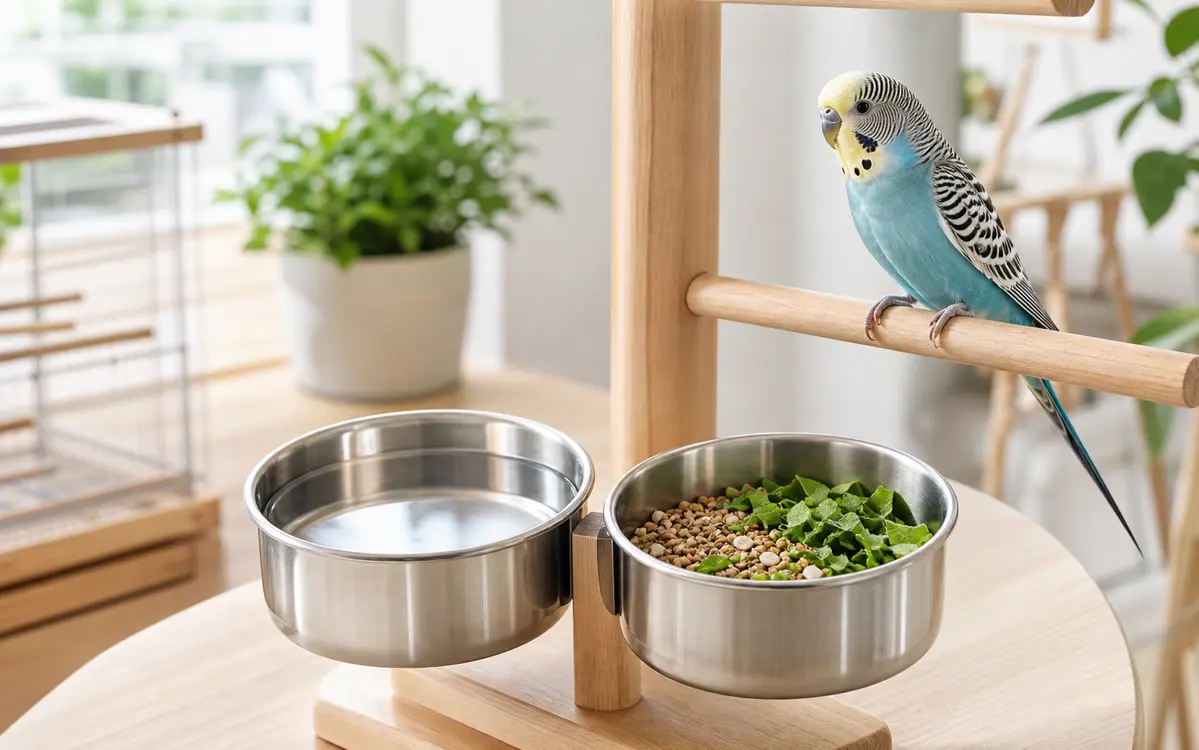
Measure
Do not keep topping off.
Updated
Bird guides
Manage seed hull mess with measured portions, better bowl placement, plain liners, daily vacuuming or sweeping, and foraging that contains scatter. Seed hulls are normal, but piles of hulls should not hide whether the bird is actually eating.
Seed hull mess is annoying, and it can also confuse appetite checks.

Cleaning and Air Safety
Manage seed hull mess with measured portions, better bowl placement, plain liners, daily vacuuming or sweeping, and foraging that contains scatter. Seed hulls are normal, but piles of hulls should not hide whether the bird is actually eating.
Keep seed inside a balanced diet plan.
Use the hub for nearby questions after this answer.
Use supplies after the care plan is clear, not before.
Pick gear that makes the daily routine easier to repeat.
Do not keep topping off.
Empty shells can fool you.
Placement changes scatter.
Contain food work.
Plain paper helps cleanup.
Track real intake.
Use smaller measured servings and clean the feeding area daily so empty hulls do not look like full food.
Many birds leave hulls in the bowl. A bowl can look full while the actual seed is gone.
Try bowl placement, cage skirts where safe, low-mess feeding stations, and forage trays that keep food work contained.
Hull dust and crumbs can build on floors, stands, and cage trays. Clean gently without scented sprays.
Replace guesswork with measured food and visible cleanup.
Hulled seed shells can sit in the dish and hide that edible seed is gone.
Avoid blowing dust around. Empty, clean, and refill the dish instead.
It may reduce floor mess, but it will not solve overfilled bowls or appetite tracking.
Some hull mess is normal. Excess waste may mean portions, diet balance, or bowl setup need adjustment.
Use these after the care plan is clear. Match size and materials to the bird you actually keep.
Affiliate links: Furball Cove may earn from qualifying purchases at no extra cost to you.

Separate clean food and water dishes that are easy to wash every day.

Plain paper makes droppings easier to monitor without scented products.

Keeps pellets and seed portions sealed, labeled, dry, and separate from treats.

Keeps daily cage wipe-downs simple without fragrance or harsh residue.