

Updated

Bird guides

Are seed diets bad for birds?

Seed-only diets are a problem for many pet birds because birds can pick fatty favorites and miss key nutrients. Seed is not automatically bad, but free-choice seed should not be the whole plan for most companion birds.

The issue is not seed existing. The issue is seed taking over the diet.

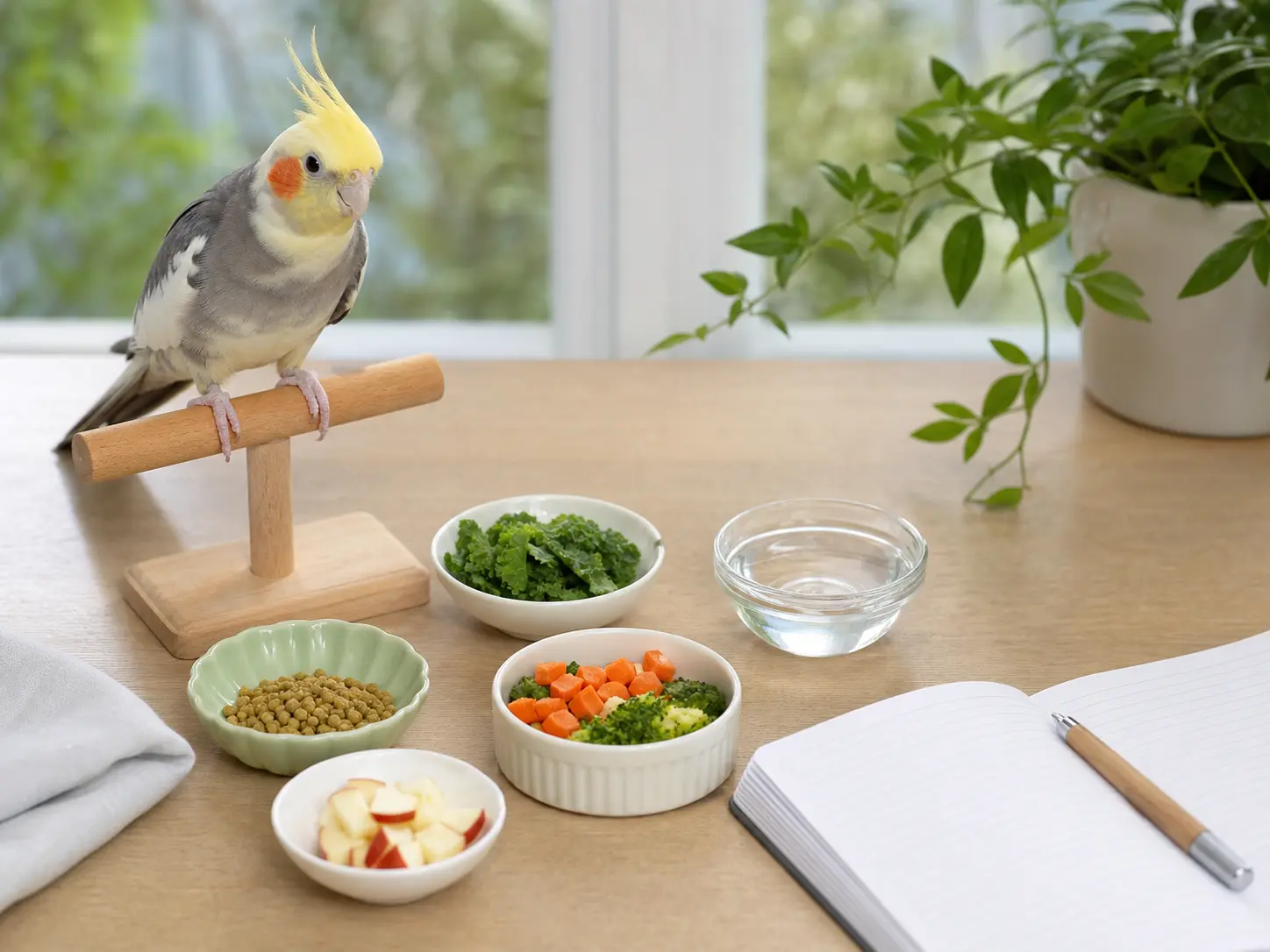
Cockatiel beside pellets, leafy greens, chopped vegetables, a tiny fruit portion, clean water, and food notes.

Food and Water

Answer first

Seed-only diets are a problem for many pet birds because birds can pick fatty favorites and miss key nutrients. Seed is not automatically bad, but free-choice seed should not be the whole plan for most companion birds.

What to check before you act

Not all bad

Seed has a place for some birds.

Not enough

Seed-only is often unbalanced.

Selective eating

Birds pick favorites fast.

Transition

Change slowly enough that the bird eats.

Weight

Rich seeds add up.

Species

Diet advice changes by bird type.

01

How to act on this

Many pet parrots need more than a bowl of seed. A seed-only routine often makes it hard to manage vitamins, minerals, weight, and picky eating.

02

Species still matters

Finches, canaries, doves, parrots, and lorikeets do not use the same diet plan. A diet that is normal for one bird can be wrong for another.

03

Favorites distort the bowl

Birds often pick sunflower, millet, or rich pieces first and leave the rest. What is offered is not always what is eaten.

04

Transition carefully

Do not pull seed suddenly from a bird that does not recognize the new food. Slow changes protect appetite and droppings.

05

Better goal

Use seed deliberately inside a species-appropriate plan instead of letting seed become the plan.

Before you decide

  • Is the bird eating only favorite seeds?
  • Does the diet fit the species, age, and health history?
  • Are pellets, greens, or other staples being accepted?
  • Are weight and droppings tracked during changes?
  • Are seed treats measured instead of free-choice?

Next best moves

  • Find out what the bird truly eats before changing the diet.
  • Use slow transitions and watch weight closely.
  • Ask an avian vet for help with overweight, ill, egg-laying, or very picky birds.

Common questions

Is seed poison for birds?

No. The problem is relying on seed as the whole diet when the species needs more balance.

Can budgies eat seed?

Budgies can eat seed as part of a plan, but many still benefit from greens, measured portions, and careful diet variety.

Should I remove seed overnight?

No. Sudden changes can make birds stop eating. Transition slowly and monitor intake.

Why does my bird ignore pellets?

New textures can be confusing. Offer pellets consistently, use small changes, and avoid starving the bird into acceptance.

Useful setup pieces

Use these after the care plan is clear. Match size and materials to the bird you actually keep.

Affiliate links: Furball Cove may earn from qualifying purchases at no extra cost to you.

Airtight bird food storage containers with scoop, blank labels, and a canary perched nearby.

Food storage

Keeps pellets and seed portions sealed, labeled, dry, and separate from treats.

Stainless bird bowls with clean water, pellets, greens, and a budgie perched beside the feeding station.

Stainless bowls

Separate clean food and water dishes that are easy to wash every day.

Digital gram scale with a budgie standing calmly on the scale beside a care notebook.

Digital gram scale

Makes weight checks easier before small appetite changes become big problems.

Open blank bird care notebook with pencil, small supplies, and a cockatiel on a tabletop stand.

Care notebook

Tracks food, weight, sleep, droppings, behavior, and vet questions in one place.

References