

Updated

Bird guides

How do I reduce bird dust?

Reduce bird dust with routine cleaning, plain liners, safe bathing opportunities, good ventilation, and a true HEPA air purifier without ozone or ionizer features. Dusty species still produce dust, so the goal is control, not zero dust.

Bird dust is a care and air-quality issue, especially with powder-down species.

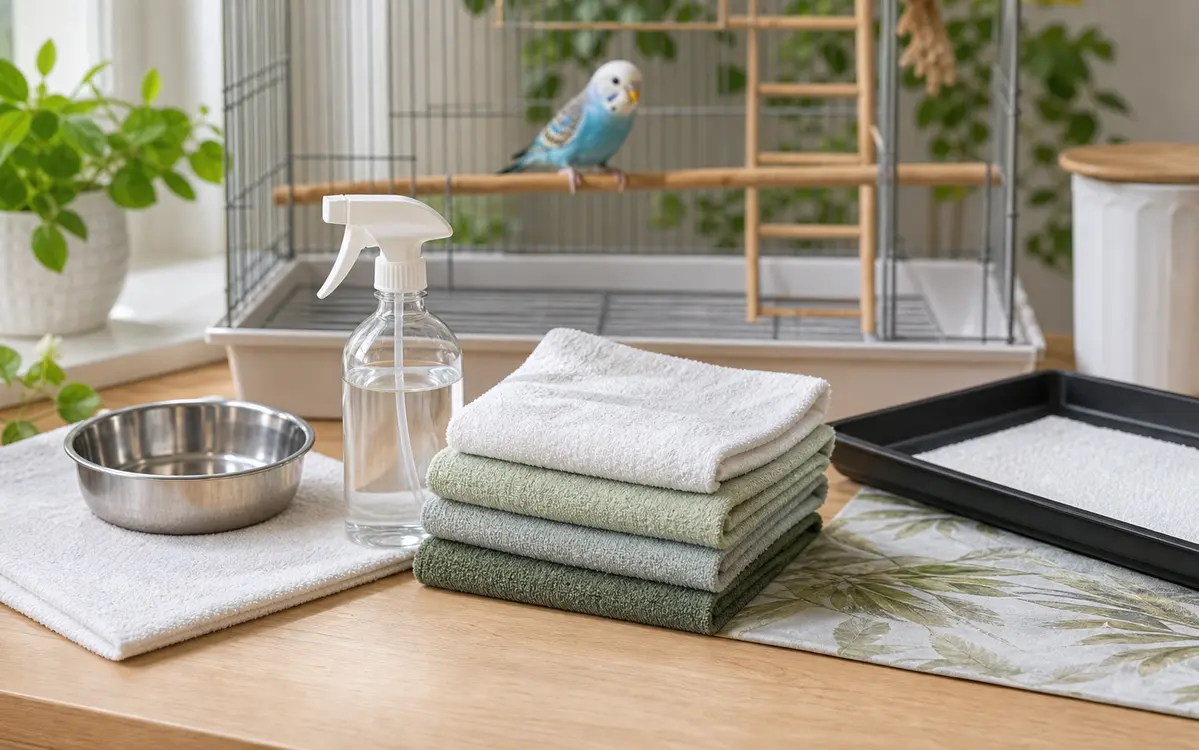
Bird-safe cleaning cloths, water spray bottle, stainless bowl, clean tray, and a budgie in the background.

Cleaning and Air Safety

Answer first

Reduce bird dust with routine cleaning, plain liners, safe bathing opportunities, good ventilation, and a true HEPA air purifier without ozone or ionizer features. Dusty species still produce dust, so the goal is control, not zero dust.

What to check before you act

Species

Some birds are dustier.

Cleaning

Small frequent work helps.

Bathing

Offer, do not force.

Filter

True HEPA only.

No ozone

Avoid ionizers and ozone.

People

Human symptoms matter too.

01

How to act on this

Clean small amounts often: liners, perches, nearby surfaces, bowls, and floors. Let dust build and it spreads everywhere.

02

Know dusty species

Cockatiels, cockatoos, and African greys can produce more powder down than many other birds. Sensitive people should plan before adoption.

03

Use safe air tools

A true HEPA purifier can help. Avoid ozone generators, ionizers, scented filters, and fragrance products around birds.

04

Support normal bathing

Offer bathing or misting in a way the bird accepts, without forcing or chilling the bird.

05

Best routine

Clean, ventilate safely, and filter air without adding scents or ozone.

Before you decide

  • Is dust building on nearby surfaces?
  • Is the liner changed often enough?
  • Does the bird accept safe bathing?
  • Is the purifier true HEPA with no ozone or ionizer?
  • Are people in the home reacting to dust?

Next best moves

  • Use frequent light cleaning instead of occasional heavy cleanup.
  • Choose a true HEPA purifier without ozone or ionizer features.
  • Plan extra cleaning for cockatiels, cockatoos, African greys, and multi-bird homes.

Common questions

Can bird dust make people sick?

Some people are sensitive to bird dust. Respiratory symptoms in people should be discussed with a physician.

Do all birds make dust?

All birds create dander and feather debris, but powder-down species can be much dustier.

Can I use an ionizer?

Avoid ionizers and ozone around birds. Use true HEPA filtration instead.

Should I bathe my bird every day?

Offer safe bathing based on the bird's comfort and species needs. Do not force it.

Useful setup pieces

Use these after the care plan is clear. Match size and materials to the bird you actually keep.

Affiliate links: Furball Cove may earn from qualifying purchases at no extra cost to you.

Bird-safe cleaning cloths, water spray bottle, stainless bowl, clean tray, and a budgie in the background.

Bird-safe cleaning cloths

Keeps daily cage wipe-downs simple without fragrance or harsh residue.

Plain paper cage liners stacked beside a clean removable cage tray and a small finch on a nearby stand.

Paper cage liners

Plain paper makes droppings easier to monitor without scented products.

Open blank bird care notebook with pencil, small supplies, and a cockatiel on a tabletop stand.

Care notebook

Tracks food, weight, sleep, droppings, behavior, and vet questions in one place.

Hard-sided bird carrier with towel liner, stainless bowl, and a cockatiel calmly beside the open carrier.

Hard-sided bird carrier

Keeps transport secure for adoption day, avian-vet visits, and emergencies.

References