

Updated

Bird guides

Are pionus parrots quiet?

Pionus parrots are often quieter than many conures, Amazons, or cockatoos, but they are not silent. Expect daily calls, excitement sounds, and occasional loud moments. They fit quieter homes only when the household can handle normal parrot sound and provide steady sleep, enrichment, and calm handling.

Pionus have a quieter reputation, but quiet is relative in parrots.

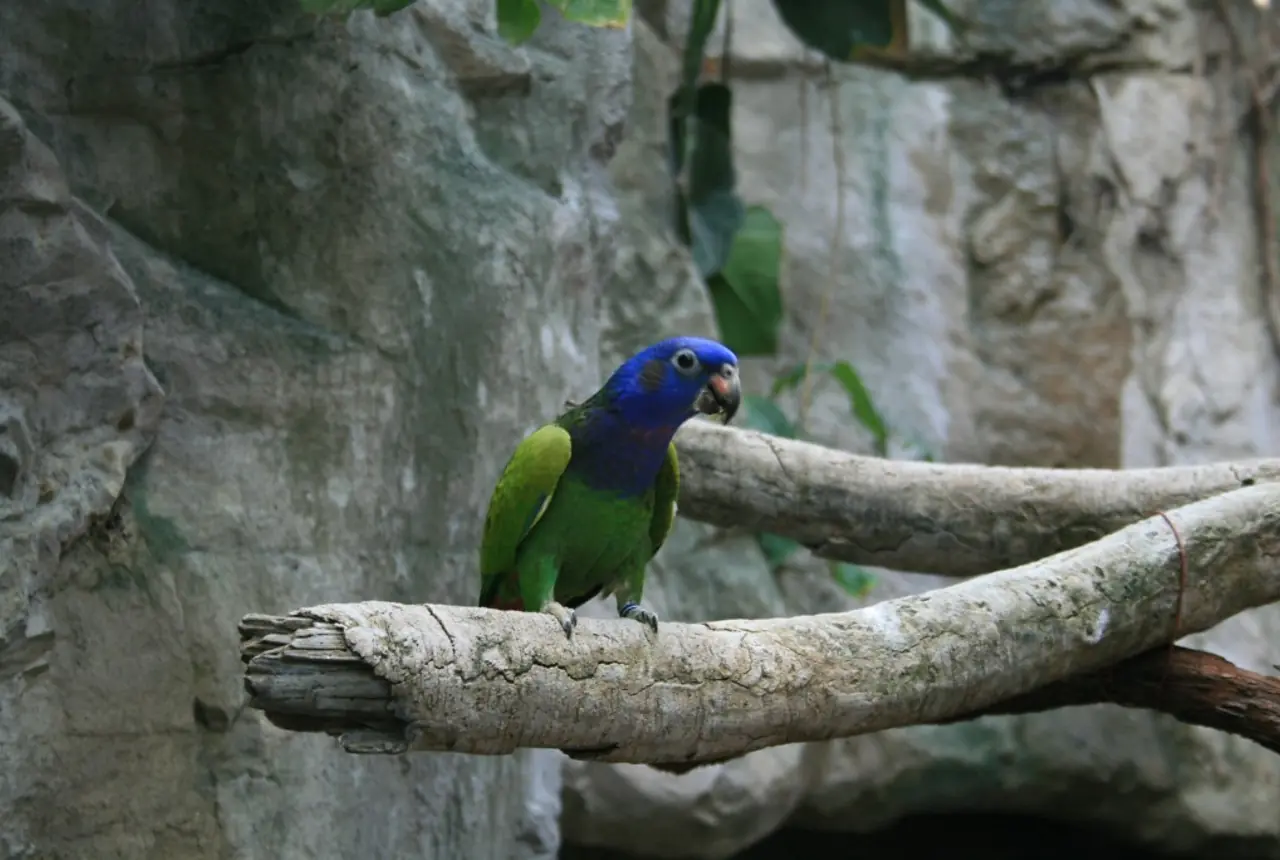
Blue-headed Pionus care guide photo for pionus parrot housing, diet, and handling planning.

Conure and Parrot Questions

Answer first

Pionus parrots are often quieter than many conures, Amazons, or cockatoos, but they are not silent. Expect daily calls, excitement sounds, and occasional loud moments. They fit quieter homes only when the household can handle normal parrot sound and provide steady sleep, enrichment, and calm handling.

What to check before you act

Relative sound

Quiet for a parrot is still sound.

Sleep

Poor sleep can increase noise.

Enrichment

Calm daily work helps.

Stress

Subtle body language matters.

Shared walls

Apartments need a sound reality check.

Fit

Choose the species, not the reputation.

01

How to act on this

A Pionus is a better noise candidate than many parrots, not a silent apartment bird. Listen to adult birds before deciding.

02

Look at routine

Noise often increases when sleep is poor, attention is inconsistent, the cage is boring, or the bird is overstimulated.

03

Plan calm enrichment

Foraging, chewing, a predictable play stand, and short training sessions help a Pionus use energy without constant calling.

04

Respect subtle stress

Pionus can look composed while needing a break. Watch posture, breathing, appetite, and body language instead of assuming quiet means fine.

05

Quiet reputation has limits

Choose a Pionus because its whole care style fits, not because you need a bird that never disrupts the house.

Before you decide

  • Have you heard adult Pionus calls in person or on realistic recordings?
  • Can the home handle morning, evening, and excitement calls?
  • Can you provide quiet sleep and steady routine?
  • Will you notice subtle stress instead of pushing interaction?
  • Can you provide daily enrichment without overstimulation?

Next best moves

  • Compare adult Pionus sound with conures, Amazons, and cockatiels before deciding.
  • Build the routine around quiet sleep, foraging, and calm handling.
  • Do not rely on a quiet reputation if shared walls or sound sensitivity are strict.

Common questions

Are Pionus parrots apartment-friendly?

Sometimes, but only if normal parrot calls fit the building and neighbors. They are quieter than some parrots, not silent.

Do Pionus parrots scream?

They can call loudly, especially when excited, stressed, hormonal, or looking for contact.

Are Pionus good for beginners?

They can suit thoughtful homes, but they still need parrot experience, diet planning, enrichment, and avian-vet care.

How do I keep a Pionus quieter?

Protect sleep, reward calm routines, provide foraging, avoid overstimulation, and do not accidentally reward loud calling.

Useful setup pieces

Use these after the care plan is clear. Match size and materials to the bird you actually keep.

Affiliate links: Furball Cove may earn from qualifying purchases at no extra cost to you.

Bird foraging tray with covered cups, pellets, greens, and a curious budgie beside the puzzle.

Foraging toy

Turns part of the meal into a simple job instead of a full bowl of boredom.

Bird-safe chew toys made from natural wood, paper, vine, and vegetable-dyed pieces with a lovebird nearby.

Safe chew toys

Plain bird-safe chewing work gives busy beaks something useful to do.

Tabletop bird training perch with a cockatiel standing on the perch beside small training treats.

Training perch

Gives short trust-building sessions a low, predictable place to happen.

Open blank bird care notebook with pencil, small supplies, and a cockatiel on a tabletop stand.

Care notebook

Tracks food, weight, sleep, droppings, behavior, and vet questions in one place.

References