

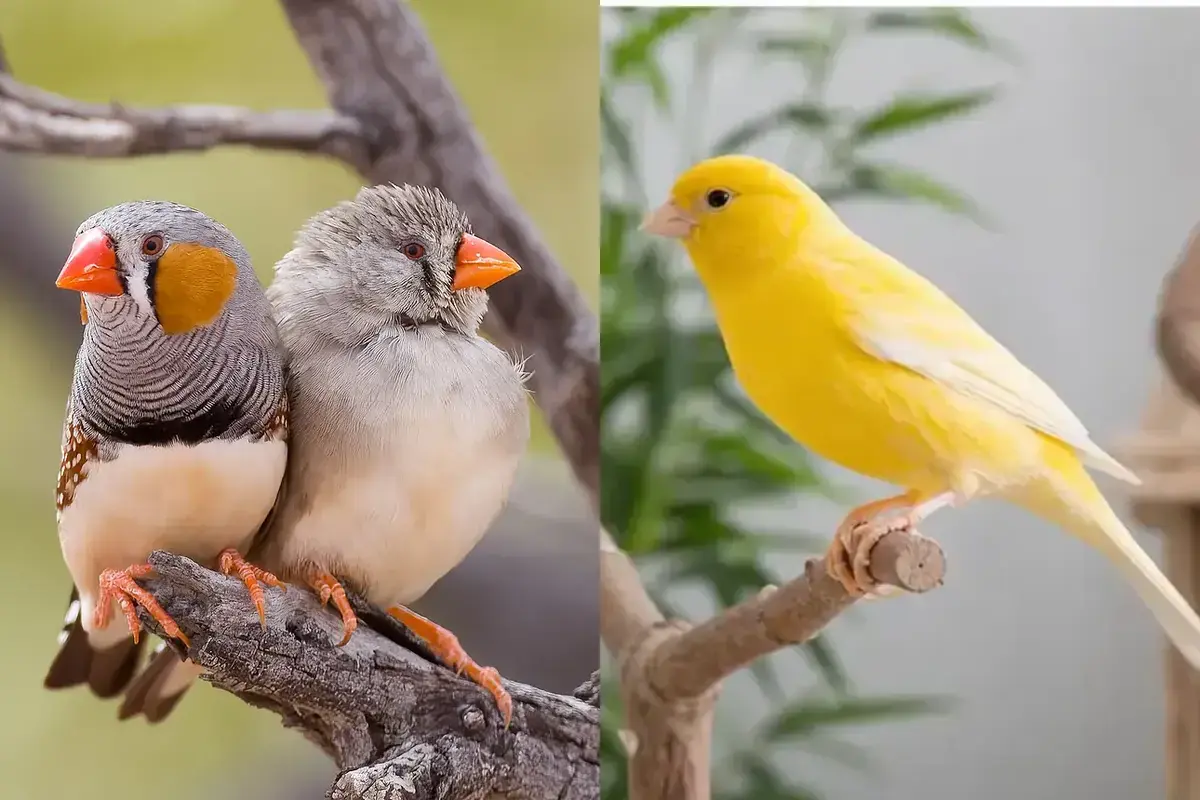
Species
Different finches have different temperaments.
Updated
Bird guides
Finches and canaries can sometimes share a large aviary-style setup, but it is not the easy default. Species, temperament, sex, space, quarantine, feeding stations, and breeding season all matter. For most new owners, keep canaries with canaries and finches with compatible finches unless an experienced keeper helps plan the group.
Mixed small-bird housing looks peaceful when it works, but crowding or one pushy bird can make life miserable fast.

Finch, Canary, Dove Questions
Finches and canaries can sometimes share a large aviary-style setup, but it is not the easy default. Species, temperament, sex, space, quarantine, feeding stations, and breeding season all matter. For most new owners, keep canaries with canaries and finches with compatible finches unless an experienced keeper helps plan the group.
Check finch flock and cage needs first.
Use the hub for nearby questions after this answer.
Use supplies after the care plan is clear, not before.
Pick gear that makes the daily routine easier to repeat.
Different finches have different temperaments.
Mixed housing needs distance and flight room.
Use more bowls and perches than the minimum.
New birds need separation first.
Breeding season can change behavior.
Have a spare cage ready.
Do not mix birds just because both are small. Canaries are often kept singly or in careful same-species plans, while many finches need compatible finch company. A mixed cage has to be sized and managed like a group home, not decoration.
New birds should not go straight into a shared cage. Quarantine, health checks, and observation protect the birds you already have.
A small cage is not fair for a mixed group. You need width, multiple perches, more than one feeding area, and enough distance for a bird to leave another bird alone.
Feeder guarding, chasing, blocking sleep spots, feather damage, stress calling, or a bird sitting apart are signs the setup is not working.
If you are new to finches and canaries, keep species setups separate until you understand normal behavior.
Sometimes in a large, well-managed aviary, but it is not the default recommendation for new owners.
Be careful. A single canary may be stressed or may bully others depending on sex, season, and setup.
Think wide aviary space, not a standard small cage. Birds need distance, multiple stations, and room to fly.
Chasing, blocking food, feather damage, stress calling, sitting low, weight loss, or one bird avoiding normal activity.
Use these after the care plan is clear. Match size and materials to the bird you actually keep.
Affiliate links: Furball Cove may earn from qualifying purchases at no extra cost to you.

Start with safe space, ventilation, bar spacing, and room for natural perches.

Separate clean food and water dishes that are easy to wash every day.

Plain paper makes droppings easier to monitor without scented products.

Keeps transport secure for adoption day, avian-vet visits, and emergencies.