

Updated

Bird guides

Can parrots eat nuts?

Many parrots can eat some plain unsalted nuts as high-value treats, but nuts are calorie-dense and should not be free-choice. Use small pieces for training, foraging, or bonding, and avoid salted, flavored, moldy, or chocolate-covered nuts.

Nuts are useful because parrots value them. That is also why they need limits.

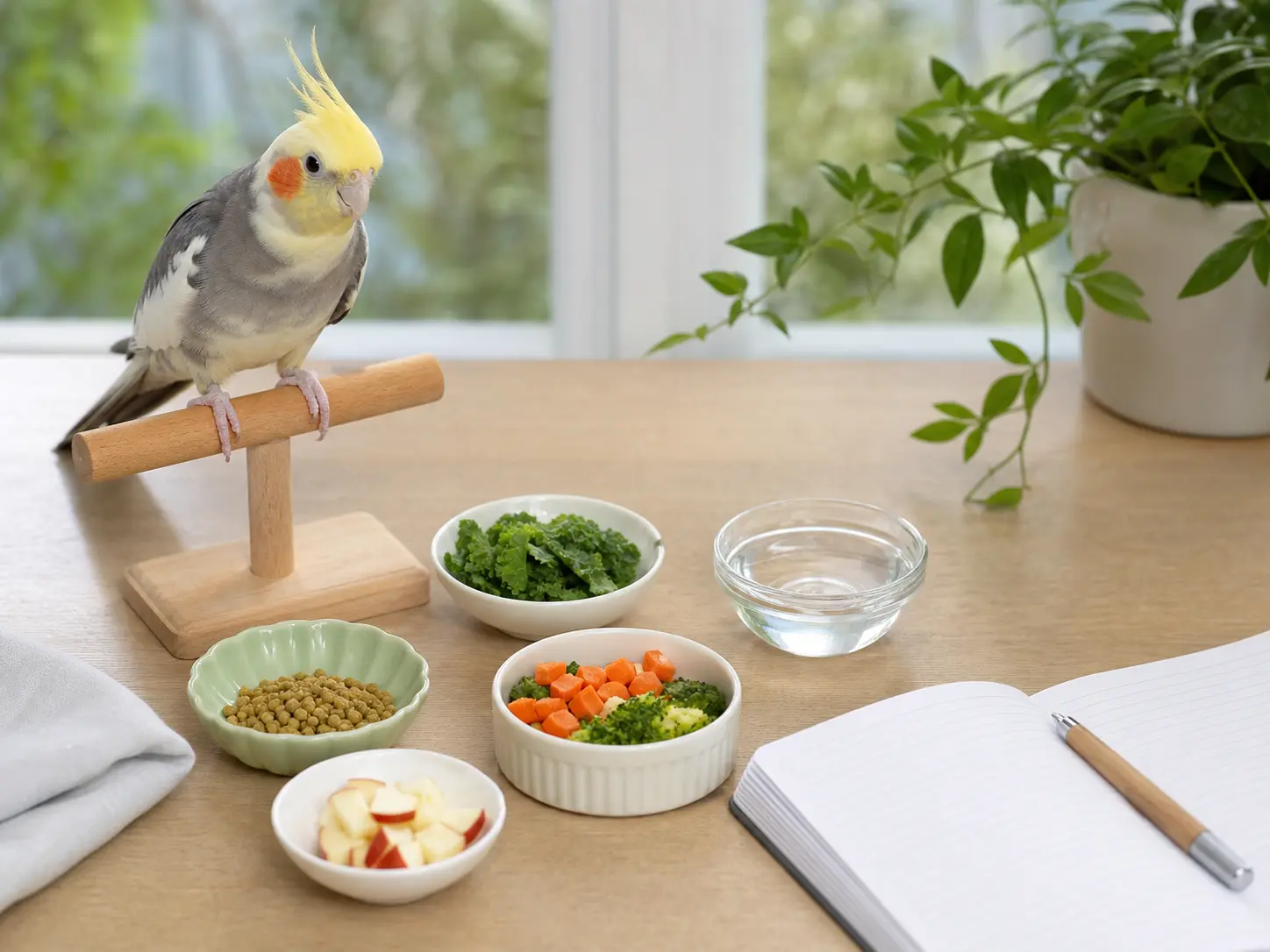
Cockatiel beside pellets, leafy greens, chopped vegetables, a tiny fruit portion, clean water, and food notes.

Food and Water

Answer first

Many parrots can eat some plain unsalted nuts as high-value treats, but nuts are calorie-dense and should not be free-choice. Use small pieces for training, foraging, or bonding, and avoid salted, flavored, moldy, or chocolate-covered nuts.

What to check before you act

Plain

No salt, sugar, flavoring, or chocolate.

Small

Break treats into tiny pieces.

Purpose

Use nuts to reward useful behavior.

Calories

Rich treats add up fast.

Storage

Freshness and mold matter.

Health

Weight and liver concerns change the plan.

01

How to act on this

Use nuts like a reward, not a staple. The right amount depends on species, size, activity, weight, and the rest of the diet.

02

Choose safe nuts

Offer plain unsalted nuts in bird-sized pieces. Avoid salt, sugar, flavor coatings, chocolate, rancid smell, mold, and shells that may be unsafe or dirty.

03

Use them for work

Tiny nut pieces can make training, carrier practice, stationing, and foraging more rewarding without filling the whole bowl.

04

Adjust for the bird

Macaws may handle nuts differently from budgies, Amazons, cockatiels, or overweight parrots. A tiny bird needs tiny rewards.

05

Best rule

The more exciting the treat, the smaller and more purposeful the portion should be.

Before you decide

  • Is the nut plain, unsalted, and fresh?
  • Is the portion small for the bird?
  • Is the bird overweight or on a vet-directed diet?
  • Are nuts being used for training instead of free-choice feeding?
  • Is the main diet still being eaten well?

Next best moves

  • Break nuts into tiny training pieces.
  • Store nuts carefully so they do not go rancid or moldy.
  • Ask an avian vet before using nuts for birds with weight, liver, or diet concerns.

Common questions

Can parrots eat peanuts?

Only use caution with clean, fresh, plain peanuts from a reliable source. Mold risk is one reason many keepers choose other nuts.

Can small parrots eat nuts?

Some can have very tiny pieces, but small birds can overdo rich treats fast.

Are salted nuts safe?

No. Salted, seasoned, sweetened, or chocolate-covered nuts should not be fed to parrots.

Which birds should avoid nuts?

Overweight birds, birds with certain health issues, and birds on vet-directed diets may need stricter limits.

Useful setup pieces

Use these after the care plan is clear. Match size and materials to the bird you actually keep.

Affiliate links: Furball Cove may earn from qualifying purchases at no extra cost to you.

Airtight bird food storage containers with scoop, blank labels, and a canary perched nearby.

Food storage

Keeps pellets and seed portions sealed, labeled, dry, and separate from treats.

Bird foraging tray with covered cups, pellets, greens, and a curious budgie beside the puzzle.

Foraging toy

Turns part of the meal into a simple job instead of a full bowl of boredom.

Digital gram scale with a budgie standing calmly on the scale beside a care notebook.

Digital gram scale

Makes weight checks easier before small appetite changes become big problems.

Tabletop bird training perch with a cockatiel standing on the perch beside small training treats.

Training perch

Gives short trust-building sessions a low, predictable place to happen.

References