

Eating
Make sure intake is safe first.
Updated
Bird guides
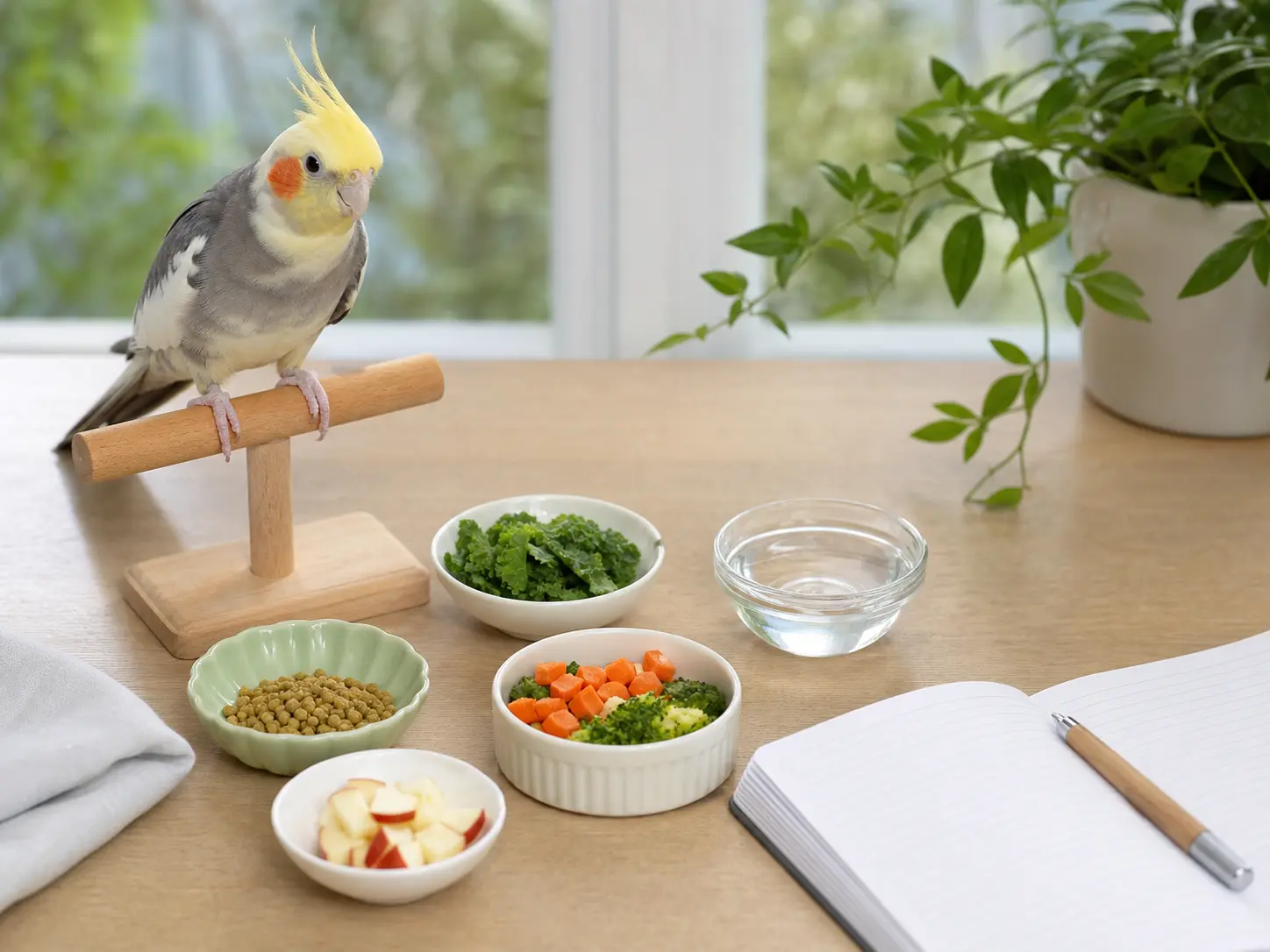
Food throwing is usually normal exploration, selective eating, boredom, portion size, or bowl placement. It is not spite. First check whether the bird is eating enough, then adjust the setup so food is easier to use and harder to waste.
A bird making a mess is often doing bird things, but the pattern still gives useful information.

Food and Water
Food throwing is usually normal exploration, selective eating, boredom, portion size, or bowl placement. It is not spite. First check whether the bird is eating enough, then adjust the setup so food is easier to use and harder to waste.
Build a diet the bird actually eats.
Use the hub for nearby questions after this answer.
Use supplies after the care plan is clear, not before.
Pick gear that makes the daily routine easier to repeat.
Make sure intake is safe first.
Track what gets thrown.
Too much food creates waste.
Busy birds use food better.
Do not reward tossing with drama.
Sudden changes need attention.
Separate waste from appetite. A bird that throws food but eats well is a different problem from a bird that is not eating enough.
Watch what gets thrown, when it happens, and what the bird does after. Favorite pieces, disliked foods, overfilled bowls, and boredom all leave clues.
Use smaller portions, heavier bowls, separate fresh food, foraging toys, and bowl placement away from high perches where food gets flung.
Big reactions can reward the behavior. Clean calmly, reward eating or foraging, and avoid turning every toss into attention.
If food throwing comes with weight loss, appetite change, vomiting, weakness, or changed droppings, treat it as a health question.
Usually no. It is more often exploration, preference, boredom, mess-making, or a setup issue.
Track weight, droppings, energy, and what is actually eaten, not just what was offered.
It may help cleanup, but it does not solve boredom, selective eating, or poor bowl placement.
No. Punishment can scare the bird and may add attention. Change portions, placement, and enrichment instead.
Use these after the care plan is clear. Match size and materials to the bird you actually keep.
Affiliate links: Furball Cove may earn from qualifying purchases at no extra cost to you.

Separate clean food and water dishes that are easy to wash every day.

Turns part of the meal into a simple job instead of a full bowl of boredom.

Makes weight checks easier before small appetite changes become big problems.

Plain paper makes droppings easier to monitor without scented products.