

Quick
Avoid the blood supply.
Updated
Bird guides
The safest way to trim bird nails is to have an avian vet, groomer, or experienced bird professional show you first. Bird nails have a quick that can bleed, and restraint stress can be dangerous if you rush or squeeze.
Nail trimming is simple only after you know the bird, the nail, and the restraint plan.

Health and Vet Care
The safest way to trim bird nails is to have an avian vet, groomer, or experienced bird professional show you first. Bird nails have a quick that can bleed, and restraint stress can be dangerous if you rush or squeeze.
Use varied perches for foot and nail support.
Use the hub for nearby questions after this answer.
Use supplies after the care plan is clear, not before.
Pick gear that makes the daily routine easier to repeat.
Avoid the blood supply.
Take less than you think.
Breathing must stay safe.
Use clean appropriate clippers.
Support normal wear.
Get shown first.
Get a hands-on demonstration before trimming at home. Use proper lighting, tiny cuts, and a plan for bleeding.
Overgrown nails catch on fabric, twist toes, change grip, or make perching awkward. Sharp is not the same as dangerously long.
A bird that is panicking, breathing hard, or struggling should not be forced through a long trim session.
Have a bird-safe clotting plan ready for nail tips, and call a vet for bleeding that does not stop quickly or any wound beyond the nail tip.
Varied natural perches help normal wear, but they do not replace trimming when nails are already overgrown.
Some keepers use small clippers, but tool choice depends on bird size and experience. Get a demonstration first.
Use your prepared nail-bleed plan and call a vet if bleeding does not stop quickly.
No. They can irritate feet and do not safely solve overgrown nails.
It varies by species, perches, activity, and individual growth.
Use these after the care plan is clear. Match size and materials to the bird you actually keep.
Affiliate links: Furball Cove may earn from qualifying purchases at no extra cost to you.

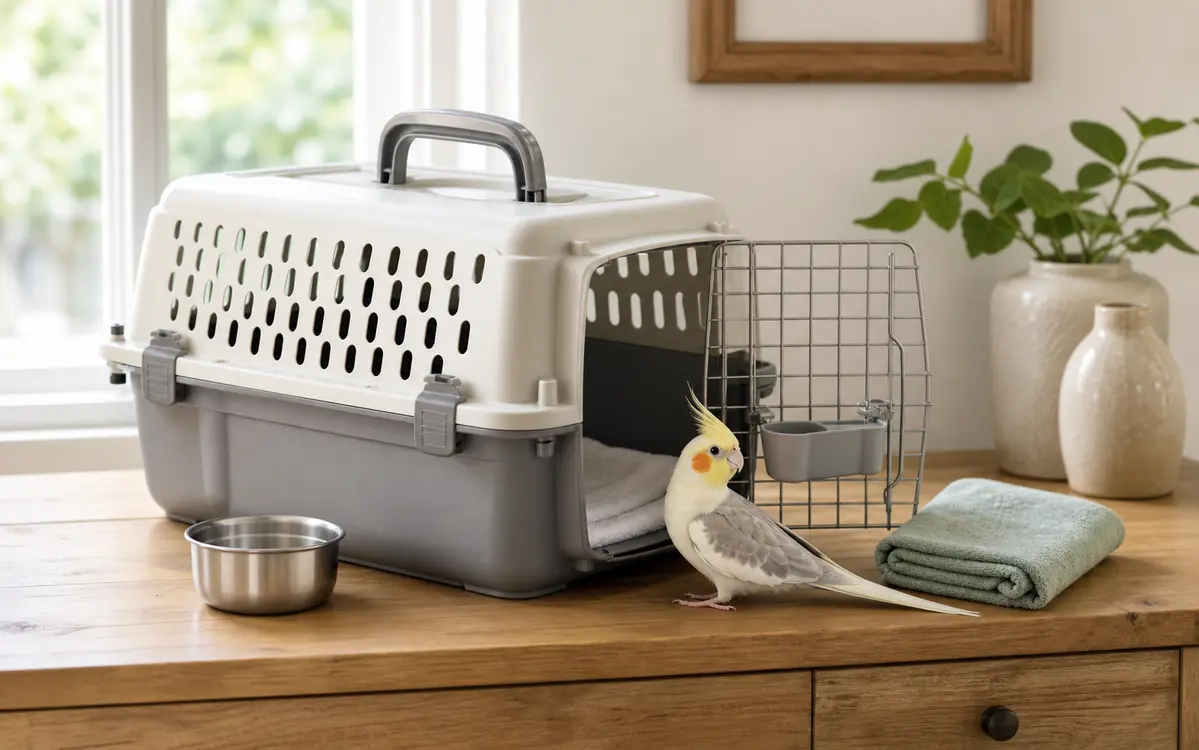
Keeps transport secure for adoption day, avian-vet visits, and emergencies.

Varied perch diameters support normal feet better than one smooth dowel.

Tracks food, weight, sleep, droppings, behavior, and vet questions in one place.

Makes weight checks easier before small appetite changes become big problems.