

Updated

Bird guides

Are African greys good pets?

African greys can be extraordinary pets for experienced, stable homes, but they are not easy pets. They are highly intelligent, sensitive, dusty, long-lived parrots that need daily enrichment, social structure, diet care, and avian-vet support.

The talking reputation is only a tiny part of African grey care.

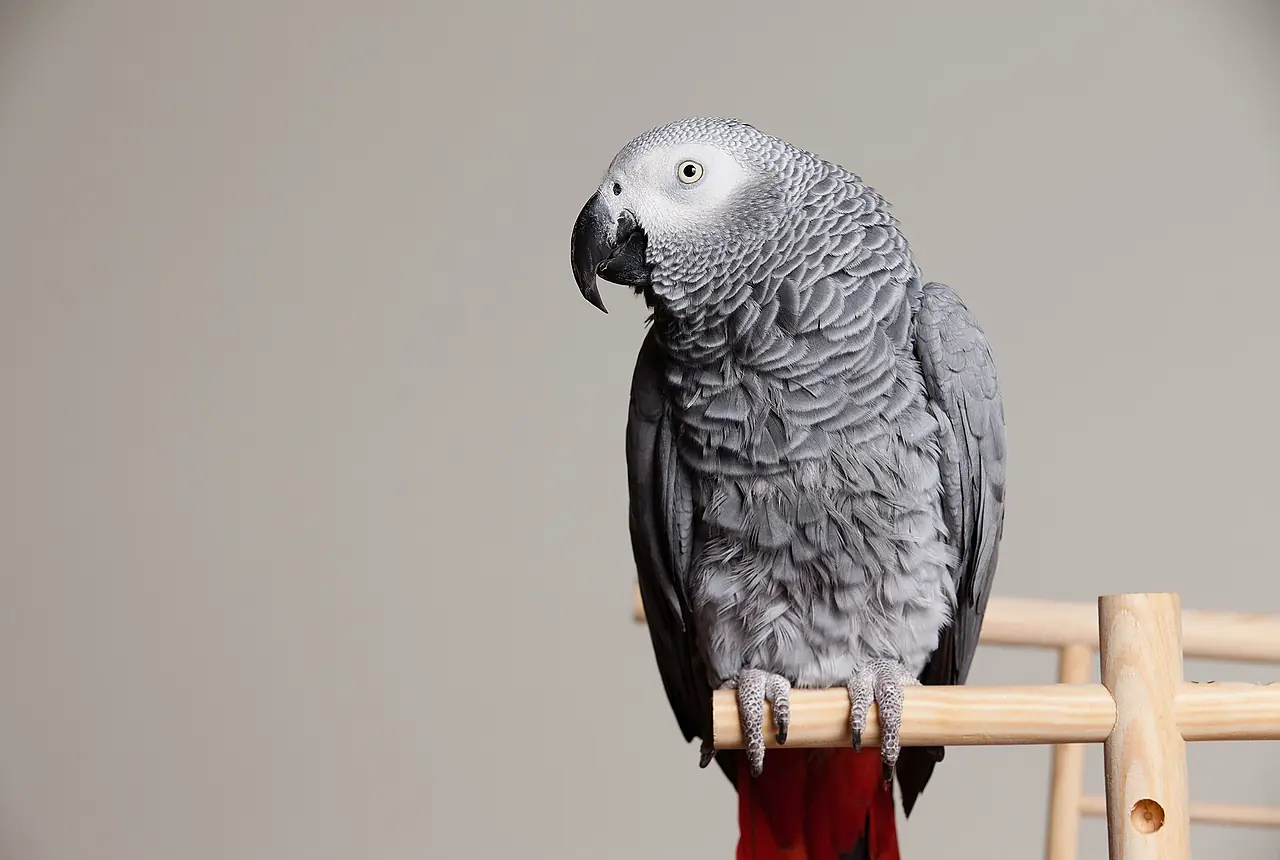
African Greys care guide photo for large parrot housing, diet, and handling planning.

Large Parrot Questions

Answer first

African greys can be extraordinary pets for experienced, stable homes, but they are not easy pets. They are highly intelligent, sensitive, dusty, long-lived parrots that need daily enrichment, social structure, diet care, and avian-vet support.

What to check before you act

Intelligence

Needs daily work.

Sensitivity

Routine matters.

Dust

Air quality planning required.

Lifespan

Decades of care.

Speech

Individual.

Experience

Not an easy first bird.

01

How to act on this

Choose an African grey only if you can support decades of routine, training, foraging, quiet sleep, and emotional stability.

02

They are sensitive

Greys can struggle with stress, household chaos, poor sleep, boredom, and sudden routine changes.

03

Dust and health matter

African greys are dusty birds and need clean air, safe bathing opportunities, diet planning, weight tracking, and avian-vet care.

04

Talking is individual

A grey may talk, whistle, mimic, or stay quieter. Speech should never be the reason for adoption.

05

Best fit

Best for people who want a complex long-term relationship, not a novelty talking bird.

Before you decide

  • Can you provide daily mental work?
  • Can the home manage bird dust?
  • Is the household routine stable?
  • Can you afford avian-vet care and large-parrot supplies?
  • Do you have a future caregiver plan?

Next best moves

  • Meet adult African greys and talk with rescues before choosing.
  • Plan for dust control, foraging, training, and sleep from day one.
  • Choose another species if talking is the main attraction.

Common questions

Are African greys good for beginners?

Usually no. They are better for prepared homes with parrot experience or strong support.

Do all African greys talk?

No. Many mimic, but speech is individual.

Are African greys dusty?

Yes. Dust management is a real part of care.

Do greys pluck feathers?

Some do, especially with medical, stress, diet, or environment problems. Prevention matters.

Useful setup pieces

Use these after the care plan is clear. Match size and materials to the bird you actually keep.

Affiliate links: Furball Cove may earn from qualifying purchases at no extra cost to you.

Bird foraging tray with covered cups, pellets, greens, and a curious budgie beside the puzzle.

Foraging toy

Turns part of the meal into a simple job instead of a full bowl of boredom.

Bird-safe chew toys made from natural wood, paper, vine, and vegetable-dyed pieces with a lovebird nearby.

Safe chew toys

Plain bird-safe chewing work gives busy beaks something useful to do.

Digital gram scale with a budgie standing calmly on the scale beside a care notebook.

Digital gram scale

Makes weight checks easier before small appetite changes become big problems.

Open blank bird care notebook with pencil, small supplies, and a cockatiel on a tabletop stand.

Care notebook

Tracks food, weight, sleep, droppings, behavior, and vet questions in one place.

References