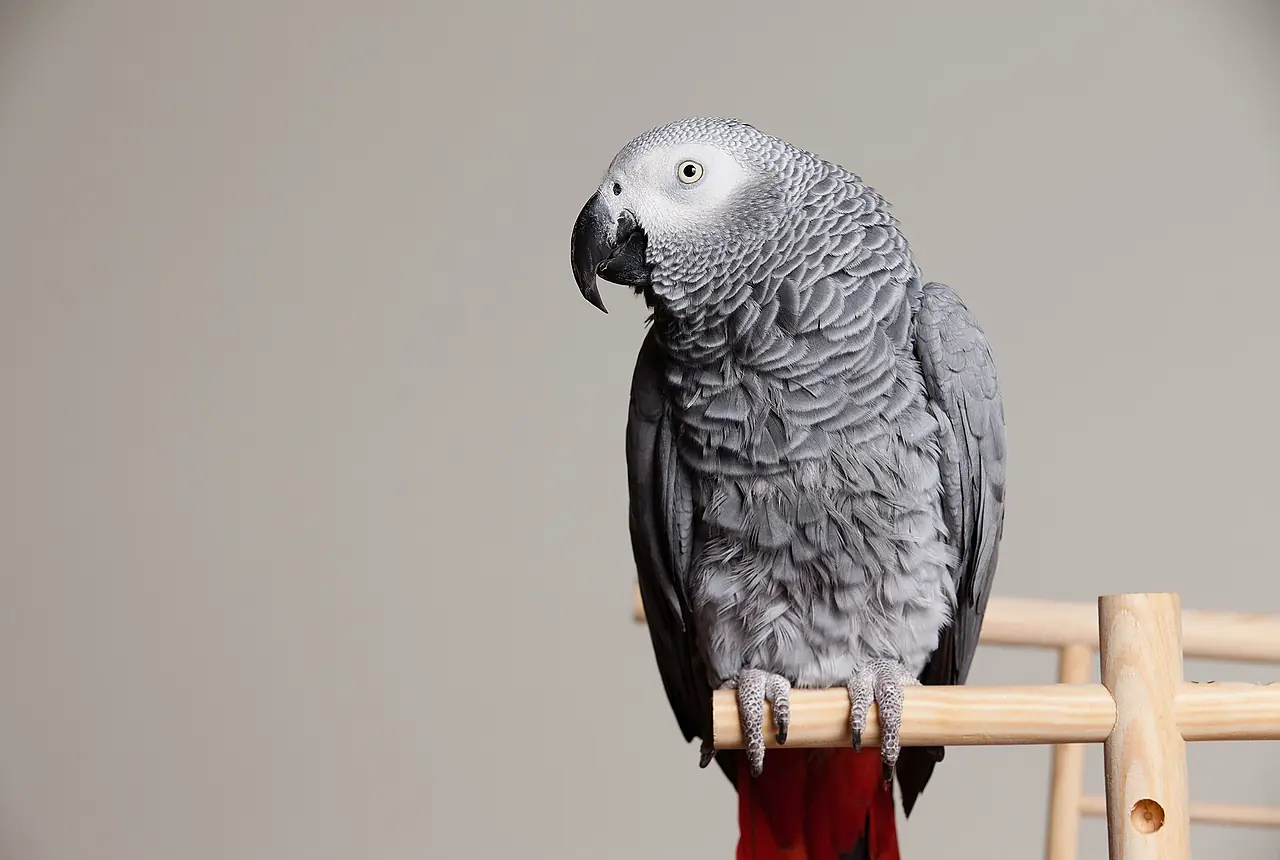
African Greys are observant, dusty parrots with formidable learning and sound-mimicking abilities. That intelligence does not make care automatic: an understimulated or unsettled Grey can struggle with abrupt change, poor sleep, or a thin daily routine. They suit experienced homes that value patient training and consistency more than constant touching.
Plan large housing, varied foraging and chewing work, calm social time, clean air, and a dependable sleep schedule before bringing one home.
Lifespan
40-60+ years
Noise
Can be loud and extremely sound-aware
Daily social time
Brilliant and sensitive, with serious enrichment and routine needs
Space
Needs large housing, daily enrichment, training, and stable sleep
Handling style
Greys need respectful choice
Experience
Better for prepared homes that can support flight space, independent behavior, and species-specific care
The honest fit
Could this bird fit your life?
The match may work if…
A good African Grey home is calm, observant, and consistent. These birds can be extraordinary companions, but they need daily enrichment, predictable routines, careful diet, and a household that does not treat talking as the main goal.
You are comfortable with the bird's normal sound, movement, and daily social rhythm.
You have room for the recommended enclosure, safe movement, and a practical cleaning area.
Think twice if…
The home cannot tolerate powerful calls, expensive gear, destructive chewing, daily training, and decades of care.
The routine would likely rely on snacks and handling pressure instead of training, enrichment, balanced food, and mood awareness.
The household expects instant cuddles instead of patient, choice-based trust.
The daily rhythm
A normal day with African Greys
An African Grey notices tiny changes in the room and often prefers a predictable order to meals, training, rest, and social time. Plan quiet thinking work, safe chewing, and calm company without expecting constant physical affection.
The surprise with african greys is how much a Grey absorbs. Sounds, schedule changes, tension, and inconsistent handling can all matter to a bird that watches everything.
African Grey Parrots are medium-sized African parrots with scalloped grey plumage and a contrasting tail.
The Congo African Grey has a black beak and bright red tail, while the smaller Timneh is darker with a horn-colored beak and maroon-to-dark tail.
Home and movement
Use large housing, varied perches, foraging, puzzle work, clean air, and a dependable sleep routine. Dust-aware cleaning matters, especially in homes with sensitive lungs.
Food and daily care
Use a nutritionally balanced avian diet with suitable vegetables and measured extras, introduced gradually. Track body weight and discuss calcium and vitamin balance with an avian veterinarian instead of adding supplements without a reason.
African Greys produce powder down that settles on cages, play stands, and nearby furniture. Remove debris with damp, unscented cleaning and good room ventilation without a direct draft; keep smoke, aerosols, candles, perfume, and overheated nonstick cookware out of the bird's air.
Social life, sound and handling
African Greys whistle, call, talk, and reproduce household sounds with striking accuracy, but individuals vary widely. Keep nights dark and predictable, and remember that learning ability never guarantees speech or a quiet home.
Greys need respectful choice. Teach stepping, stationing, and independent play instead of relying on constant shoulder time or forcing contact when the bird hesitates.
Careful, not fearful
Health and safety considerations
Sudden changes in appetite, breathing, posture, droppings, weight or usual voice deserve a call to an avian veterinarian.
Before adoption
Before you bring one home
Ask about feather condition, diet, sleep, sound sensitivities, past homes, and how the bird handles change. Meet the adult bird more than once if possible.
Confirm what species the bird is and ask for any available health and history records.
Ask what the bird currently eats, how it uses its enclosure, and how it responds to handling.
Measure the enclosure location, doorway route, and safe out-of-cage area before committing.
Confirm an avian veterinarian is accessible before the bird comes home.