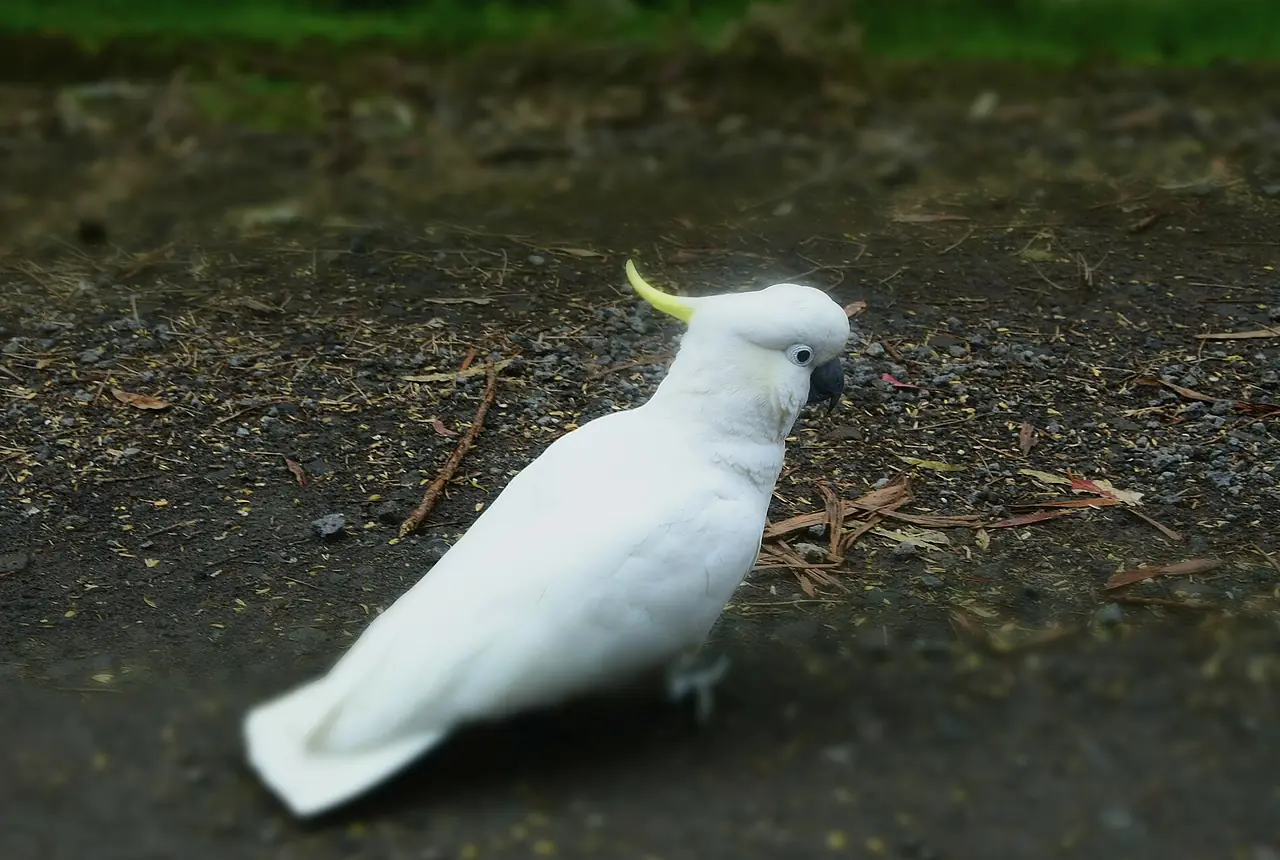
Cockatoos are powerful, dusty, intensely social parrots with loud voices and a serious need to chew and move. Their affectionate reputation can hide how difficult overexcitement, separation, noise, and decades of care become in an ordinary home. They belong on an experienced shortlist only when space, training skill, budget, and long-term care are already real.
Meet adult cockatoos, hear their normal calls, and watch skilled handling before treating closeness as proof of an easy match.
Lifespan
40-70+ years
Noise
Very loud and emotionally intense
Daily social time
Needs deep commitment, enrichment, clear daily rules, and experienced handling
Space
Needs very large housing, heavy-duty toys, dust-aware cleaning, and daily structure
Handling style
Train calm stepping, stationing, toy play, and quiet attention
Experience
Better for prepared homes that can support flight space, independent behavior, and species-specific care
The honest fit
Could this bird fit your life?
The match may work if…
A good cockatoo home is not just affectionate; it is structured. Plan for heavy-duty enrichment, clean air, consistent sleep, training that rewards independence, and people who will not accidentally teach screaming for attention.
You are comfortable with the bird's normal sound, movement, and daily social rhythm.
You have room for the recommended enclosure, safe movement, and a practical cleaning area.
Think twice if…
The home cannot tolerate powerful calls, expensive gear, destructive chewing, daily training, and decades of care.
The routine would likely rely on snacks and handling pressure instead of training, enrichment, balanced food, and mood awareness.
The household expects instant cuddles instead of patient, choice-based trust.
The daily rhythm
A normal day with Cockatoos
A cockatoo needs substantial daily movement, destructive chewing outlets, training, and calm boundaries that do not depend on constant attention. Quiet rest matters as much as interaction because an overtired, overexcited cockatoo can be difficult and unsafe to handle.
The surprise with cockatoos is that more cuddling is not always kinder. Cockatoos need connection, but they also need boundaries, independent play, and a routine that does not make the bird frantic when people leave.
Home and movement
Use very large housing, strong toys, dust-aware cleaning, safe stands, and a room plan that protects sleep and air quality. Scented products and poor ventilation are not compatible with cockatoo care.
Food and daily care
Keep meals measured and vegetable-forward with pellets as the base. Rich treats, too much fruit, and free-choice snacks can create weight and behavior problems.
Cockatoos produce heavy powder down and turn wood and paper into airborne debris. Their room needs regular unscented cleaning and ventilation planned for the people as well as the bird, with no smoke, sprays, candles, perfume, or overheated nonstick cookware.
Social life, sound and handling
A cockatoo's normal voice can carry through walls and outdoors, especially at socially active times of day. Quiet periods and sleep are essential, but neither training nor a cover turns a cockatoo into a quiet species.
Train calm stepping, stationing, toy play, and quiet attention. Do not reward screaming by rushing in every time, and do not use cuddling as the only relationship.
Careful, not fearful
Health and safety considerations
Sudden changes in appetite, breathing, posture, droppings, weight or usual voice deserve a call to an avian veterinarian.
Before adoption
Before you bring one home
Ask about noise, dust, plucking history, sleep, bite history, and how the bird behaves when favorite people leave. Meet the bird during ordinary care, not only cuddle time.
Confirm what species the bird is and ask for any available health and history records.
Ask what the bird currently eats, how it uses its enclosure, and how it responds to handling.
Measure the enclosure location, doorway route, and safe out-of-cage area before committing.
Confirm an avian veterinarian is accessible before the bird comes home.